Waiting times for practical driving tests have fallen below 20 weeks for the first time since November 2024, marking progress in clearing a backlog that has persisted since the Covid-19 pandemic disrupted services in 2020. In September, learner drivers faced an average wait of 19.7 weeks—roughly five months—to sit their test, according to figures released by the Driver and Vehicle Standards Agency (DVSA).
The improvement comes after the DVSA conducted 191,682 practical tests in September, with more than half of candidates passing. According to recent reporting on DVSA statistics, September's test total was the highest for any September on record, and examiner numbers have reached their highest level since November 2017.
However, the progress has drawn mixed reactions from driving instructors and those affected by the delays.
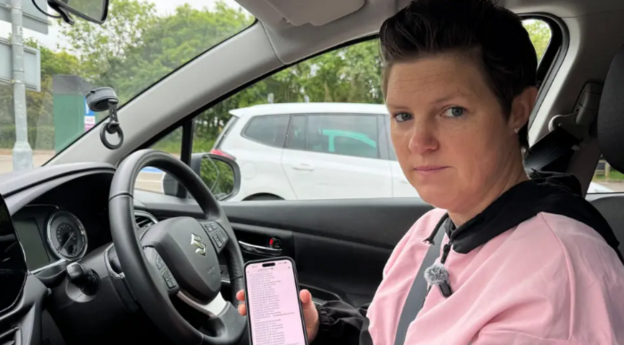
"I don't think this is anything to boast about,"one instructor told a national broadcaster. Sophie Stuchfield, a driving instructor in Watford, echoed this sentiment, noting that while the resale of tests through third-party providers has largely ceased—a significant achievement—the underlying problem of insufficient examiner recruitment remains unresolved.
The DVSA's original target was to reduce average waiting times to seven weeks by the end of 2025. Transport Secretary Heidi Alexander subsequently pushed this deadline to summer 2026, but later acknowledged that even this revised goal would not be met. The agency now expects waiting times to fall to seven weeks only by autumn 2027.
How has the booking system changed?
Earlier in 2026, the DVSA introduced significant reforms to prevent the exploitation of its test booking system. Third-party providers had previously used automated programmes, or bots, to block book tests in bulk before learners could access them, forcing many candidates to pay inflated prices to resellers. The agency has now restricted test bookings so that only the learner driver themselves can reserve a slot.
The DVSA also implemented identity checks and consent requirements for test swaps, and limited how often and how far appointments could be moved. According to official government updates, these changes initially caused the median wait to rise from 9.0 weeks at the end of March to 11.1 weeks at the end of July as unofficial workarounds were closed down. However, the measures have successfully eliminated the resale market.
What challenges remain for learner drivers?
Despite the ban on test reselling, learner drivers continue to face significant obstacles. Stuchfield described the reality of attempting to book a test:
"On many occasions, my drivers wake up at 5.45am on a Monday, only to not end up with a test as when they click on something, by the time they put their details in, they are told the test has already been taken."
Regional disparities persist, with many areas still reporting waits of 21 weeks or longer. The extended delays have had tangible consequences for learners' lives. Many have reported that lack of access to tests has limited their freedom, education, and job prospects. Some learners now book tests months in advance despite not having started lessons, creating pressure on both themselves and their instructors.
According to DVSA progress reports, on 1 September around 50,000 more test appointments were available than on the same date in 2025, indicating that capacity has expanded. However, Stuchfield maintains that the agency has failed to recruit enough examiners to meet demand.
What do officials say about progress?
Justin Madders, the minister for roads, acknowledged that the government inherited record waiting times and a significant backlog.
"While driving test waiting times are still not where we want them to be, these figures show real progress is being made,"he stated.
A DVSA spokesperson reinforced the agency's commitment to improvement, noting that
"examiner numbers are at their highest level since November 2017."The agency also reported that more than 2.16 million practical tests were conducted in the 12 months to September 2026, a record rolling 12-month total. The spokesperson added:
"But we know there's more to do and we won't stop until every learner can get a test slot when they need one, wherever they're learning to drive."
In July, the DVSA had 157 more full-time-equivalent examiners than a year earlier, representing an increase of 10.9 percent, according to official updates.
What happens next?
New test appointments are released weekly on Mondays. The next scheduled release of car driving test availability and waiting-time data, covering October 2026, is due on 11 November 2026. The DVSA continues to work toward its revised target of reducing average waiting times to seven weeks by autumn 2027.
Key Facts:
- Average waiting time for a practical driving test fell to 19.7 weeks in September 2026, the lowest since November 2024
- The DVSA conducted a record 191,682 tests in September, with more than half passing
- Examiner numbers have reached their highest level since November 2017, with a 10.9% increase in full-time-equivalent staff over the past year
- The agency has successfully eliminated the resale of tests through third-party providers by restricting bookings to learner drivers only
- The government's target for reducing waiting times to seven weeks has been pushed back to autumn 2027