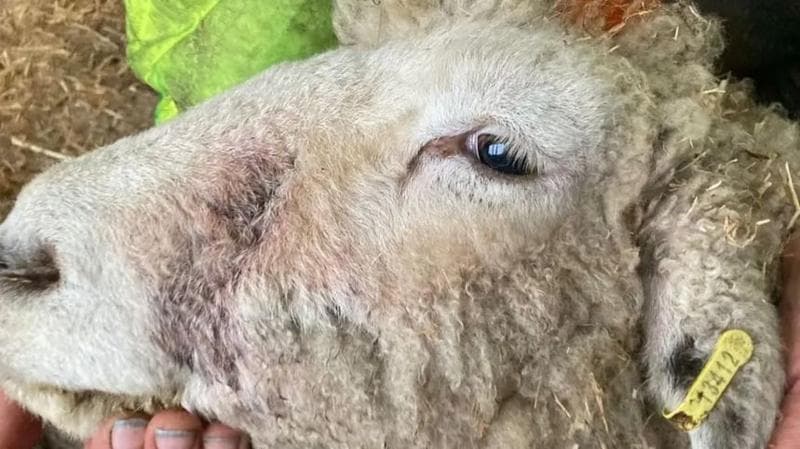
Law enforcement agencies across Wales are deploying DNA testing to identify dogs responsible for attacking livestock, following a legislative change that expanded police powers in March. According to BBC News, the new authority permits officers to collect samples from suspected animals, with dog owners facing unlimited fines if their pets are found to have participated in attacks on farm animals.
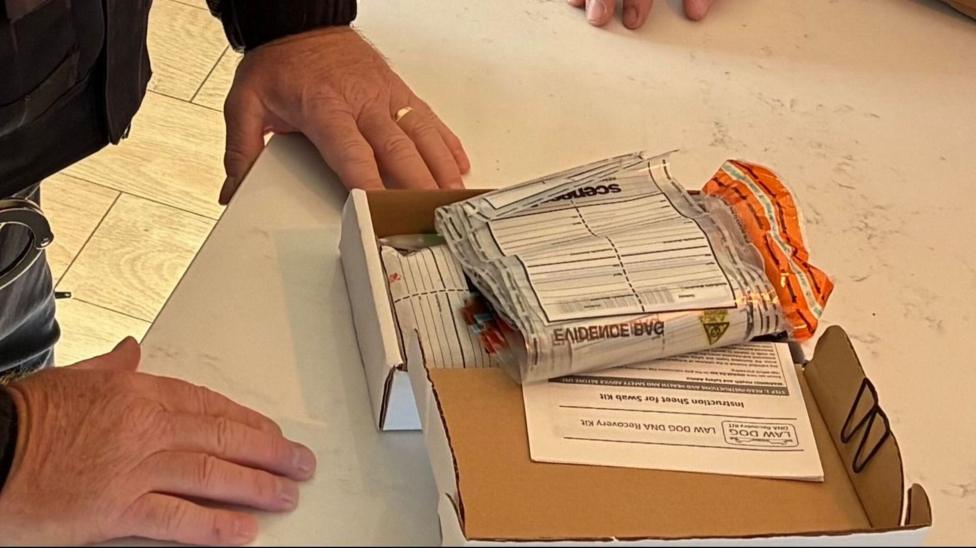
The initiative represents a significant shift in how authorities tackle rural crime. Farmers are receiving DNA testing kits as part of a coordinated project designed to improve the quality of evidence gathered at attack scenes. Insurance company NFU Mutual has calculated that dog attacks on livestock in Wales generated losses exceeding £300,000 during the previous year, underscoring the economic impact on agricultural communities.
North Wales Police documented approximately 300 dog attacks on farm animals over the past year. The scale of the problem has prompted specialized responses from multiple police forces across the region, with Dyfed-Powys Police assigning two dedicated crime scene officers to support investigations into these incidents.
Wales wildlife and rural crime coordinator Rob Taylor explained that the majority of cases are resolved without court proceedings.
In most cases, owners are often very apologetic and are happy to pay compensation to the farmer and attend an approved online responsible dog ownership course,he stated.
The new power to take DNA is extremely useful in cases where an owner claims that it wasn't their dog involved, which assists evidentially with identification.
The problem of uncontrolled dogs attacking livestock extends beyond Wales. A North Ayrshire farm appealed for dog walkers to keep their pets on a leash after an unleashed dog killed one sheep and chased around 130 others onto rocks, highlighting how the issue affects Scottish farming communities as well.
How will DNA evidence strengthen investigations?
PC Ian Nicholls of Dyfed-Powys Police emphasized that DNA identification provides both investigative clarity and a deterrent effect.
The DNA test helps us to identify dogs, and also sends out a message that the police have got things that we can do to help investigate these crimes.He added that
These attacks cause farmers significant financial losses and are very distressing to farmers and to the wider public.
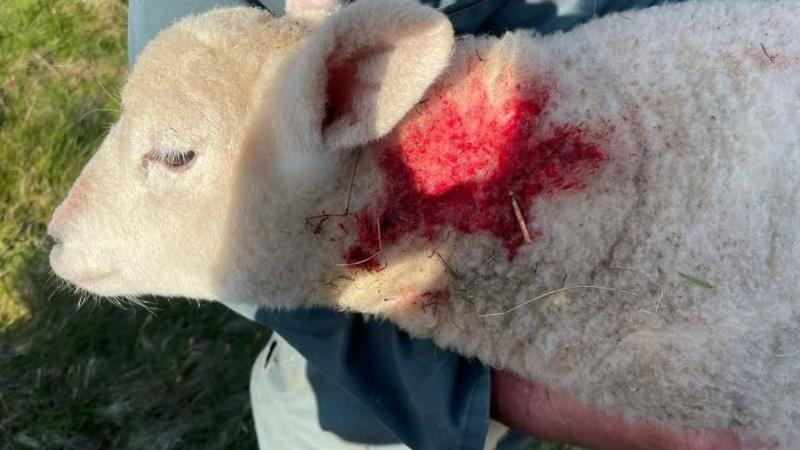
The scientific foundation for this approach comes from researchers at Liverpool John Moores University, who are examining collected samples and developing standardized guidance for proper DNA collection procedures. Dr Nick Dawnay outlined the scope of the research initiative:
We're looking to improve the whole analytical pipeline from CSI – crime scene investigation – through to analysis.
What are the longer-term goals?
The research team is exploring whether farmers and veterinarians could eventually collect DNA evidence themselves when crime scene investigators cannot reach an attack site promptly.
Looking longer term, we'd also like to see whether it would be possible for farmers or vets to collect DNA evidence themselves if a crime scene investigator can't get there in time,Dr Dawnay explained. This expansion would reduce response times and enable faster identification of responsible animals.
The broader context of rural crime enforcement reflects growing concerns about animal welfare and agricultural security. Farmers in the Vale of Glamorgan have reported hare coursing gangs smashing gates and damaging crops, indicating that livestock protection represents one element of a wider strategy to safeguard rural communities.
Key Facts
- DNA testing powers for police came into effect in March following a change in legislation
- Dog owners can face unlimited fines if their pets are involved in livestock attacks
- NFU Mutual estimated losses from dog attacks on Welsh livestock exceeded £300,000 in the previous year
- North Wales Police recorded approximately 300 dog attacks on farm animals in the past year
- Liverpool John Moores University researchers are developing standardized DNA collection guidance for future use by farmers and veterinarians