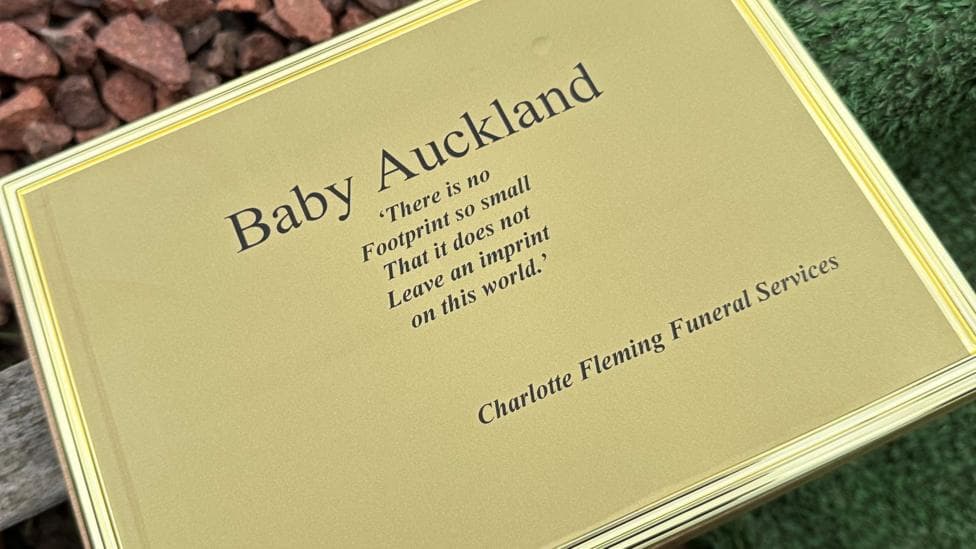
A full-term infant discovered beneath floorboards in a County Durham building has been ruled a victim of homicide by strangulation, with evidence suggesting the death occurred around 1910. The skeleton, wrapped in a period newspaper and bearing twine wound around its neck, was unearthed during renovation work in July 2024 and subsequently buried in April 2026 after a formal inquest.
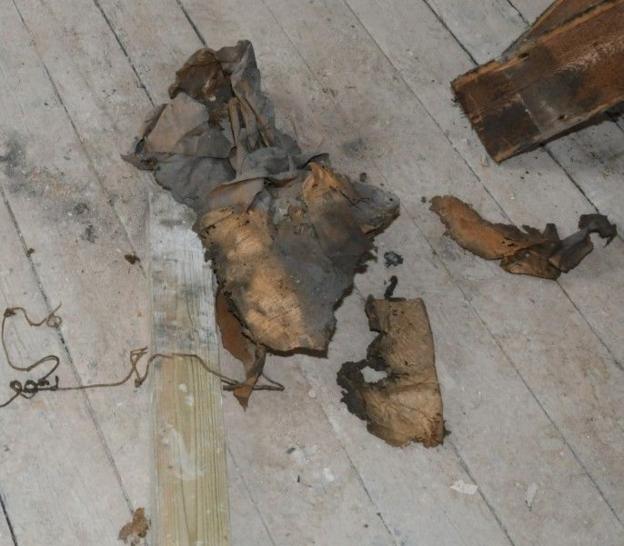
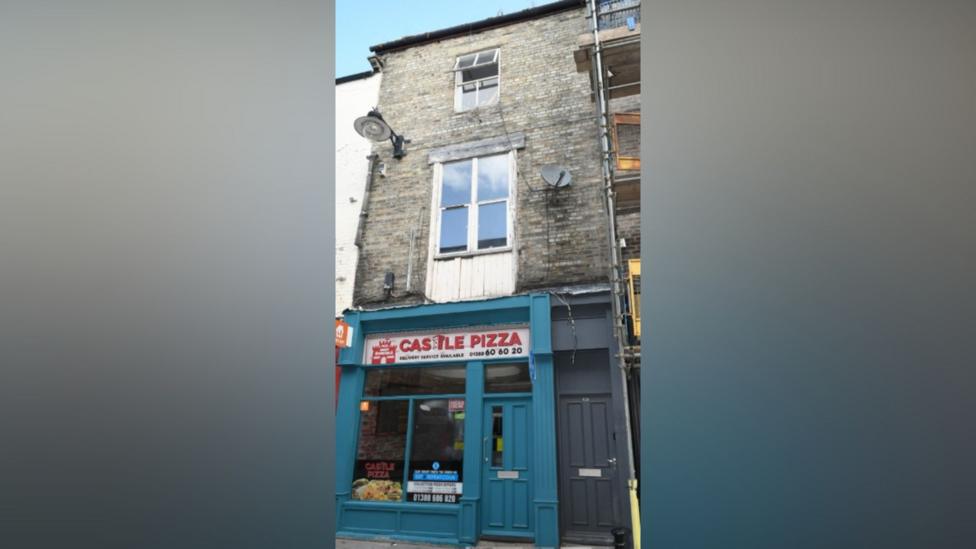
The child, named Baby Auckland by authorities, was found on the second floor of a building on Fore Bondgate in Bishop Auckland when the property owner, Peter Moody, pulled up floorboards in the living room. Moody initially mistook the brown paper-wrapped bundle for a ball before realizing it contained human remains—a skull, bones, and small feet, along with a length of garden twine encircling the neck.
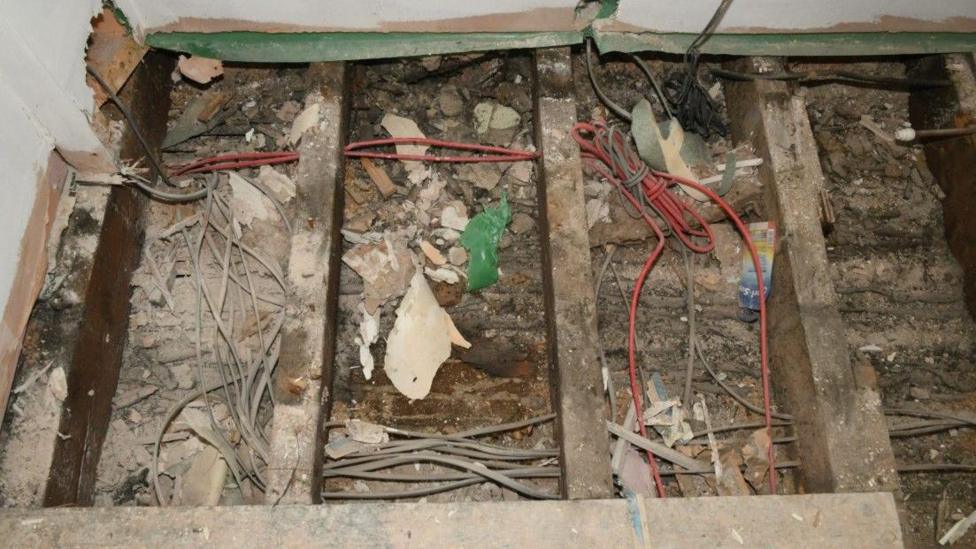
Forensic anthropologist Dr Micol Zuppello spent several days carefully extracting the remains, recovering all but the tip of one toe and some small eye socket bones. Analysis determined the child was a full-term baby between 38 and 40 weeks of development, positioned face down when placed beneath the floorboards. Acid testing of the teeth and DNA analysis concluded the infant was most likely male.
How was the baby identified?
Despite extensive investigation, authorities were unable to establish the child's identity. Detectives examined official DNA databases seeking living or deceased relatives but found no matches. Two sisters came forward believing they might be related to a servant who worked at the building during the relevant period, but DNA testing ruled out any connection to the infant.
Investigators considered using genetic genealogy—databases of people who have voluntarily submitted DNA to trace family histories—but determined this approach would not be permitted under UK regulations and would likely prove insufficient to identify the child even if allowed. Detective Chief Inspector Mel Sutherland told the coroner that investigators would "still be some generations off" from establishing identity through such means.
What does the evidence reveal about timing?
The infant was wrapped in an edition of The Umpire newspaper dated Sunday 19 June 1910, providing a crucial temporal marker. However, radiocarbon dating initially created significant uncertainty, with results suggesting the remains could date from any point between 1655 and the start of the nuclear era approximately 300 years later. An earlier inquest hearing in April 2026 heard carbon dating evidence suggesting the baby likely lived between 1726 and 1812, creating a major discrepancy with the 1910 newspaper wrapping.
Despite this dating uncertainty, Coroner Crispin Oliver concluded that "the most likely scenario" placed the death around the date of the newspaper itself. The building itself was constructed around 1890, providing an additional temporal boundary.
What was the cause of death?
Forensic pathologist Dr Louise Mulcahy determined that the cause of death was "unascertained" due to the limited remains available for examination. It proved impossible to test whether the child had suffered any natural diseases or been poisoned. The skeleton showed no signs of traumatic injury beyond the evidence of the twine.
However, the positioning and arrangement of the twine proved decisive in establishing the manner of death. A 3-foot length of twine had been wrapped three times around the child's neck, knotted, and then looped around again. According to reporting on the coroner's ruling, Oliver concluded the baby was "garrotted while he was still alive."

Mulcahy could not determine whether the twine had been tied tightly or loosely, and it remained impossible to establish whether the child had been alive at birth or was stillborn. Detective Sutherland noted that he was unaware of any religious practices or midwifery techniques from the period that would have involved tying string around a newborn's neck, and observed that the twine appeared to have been deliberately positioned.
"I would ask why you would do that to a child who is already deceased?" Sutherland posed to the coroner, suggesting the twine's presence indicated deliberate action rather than accidental or ceremonial placement.
How did the coroner reach a homicide conclusion?
Oliver stated that the "critical piece of evidence" was the twine itself, which "seemed unlikely" to have been applied to a baby who was either stillborn or had died from natural causes. He concluded that the "most likely explanation" involved "a person in a position to care for him while he was most vulnerable" who "took the decision to end his life by means of strangulation using twine as a garrote."
The coroner formally ruled the death a homicide, noting that the child was never officially recorded as existing and was "disposed of by means of concealment" beneath the floorboards. According to the coroner's statement, there was no record of the baby's existence in any official documentation.
Oliver acknowledged the unusual difficulty of the case in the modern era.
It was unusual in the 21st Century to find it so difficult to answer all the coroner's key questions, namely who the deceased was, when and where they died and how they came by their death.He praised the police investigation, saying they had "left no stone unturned."
What investigative avenues were explored?
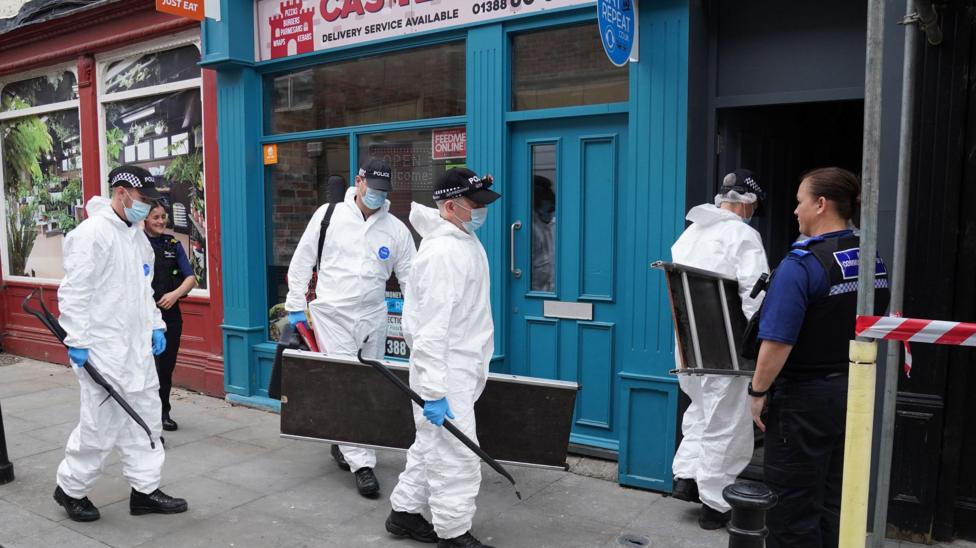
Durham Police conducted an extensive investigation coordinated by Detective Chief Inspector Mel Sutherland. Officers considered consulting a knot expert to examine the twine's configuration, but the nearest specialist was located in the Netherlands, and the cost combined with the likelihood of limited evidentiary value made this impractical.
The investigation examined whether the building's construction records or occupancy history might yield leads, and officers attempted to cross-reference the approximate date with missing persons records and historical documentation. Despite these efforts, no definitive identification emerged.
What was the broader context?
The discovery and investigation of Baby Auckland occurred within a broader pattern of historical cases involving infant remains. Earlier in 2026, excavators at the former Tuam mother-and-baby home in County Galway found 22 additional infant remains, bringing the total recovered to 99, highlighting ongoing efforts to document and investigate historical infant deaths.
What happens next?
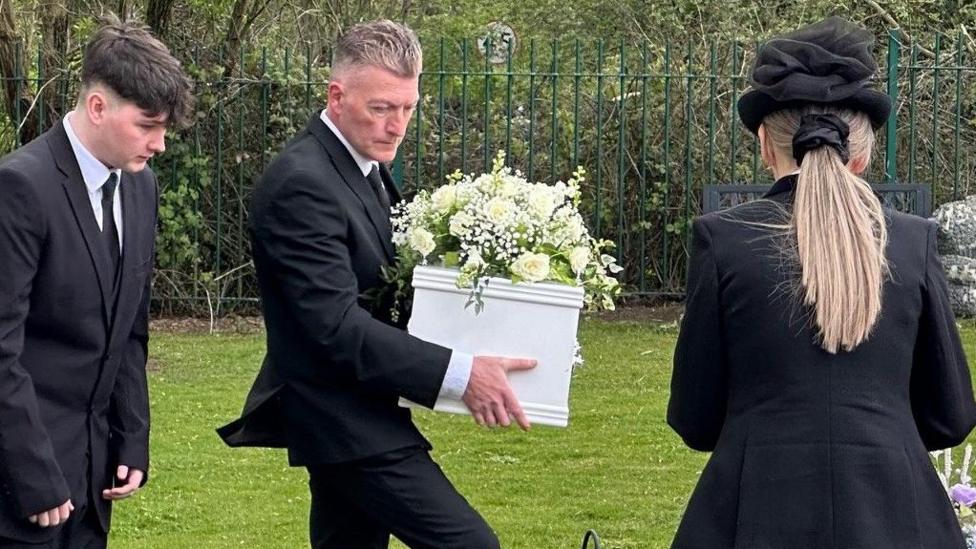
Baby Auckland was formally buried in Bishop Auckland Town Cemetery in April 2026 following the inquest proceedings. The coroner's ruling of homicide, with death occurring most likely in or around 1910, provides official documentation of the circumstances despite the inability to identify the child or prosecute any responsible party given the passage of more than a century.
Oliver concluded by reflecting on the case's tragic dimensions.
Clearly this was a terrible thing that happened to a defenceless infant,he said, while adding that it was
heart-warming to see how people had stepped up to do the right thingfollowing the discovery and subsequent investigation.
Key Facts
- A full-term male infant was discovered beneath floorboards at a Bishop Auckland building in July 2024, wrapped in a 1910 newspaper with twine wound around the neck
- Forensic analysis determined the child was between 38 and 40 weeks of development and positioned face down when concealed
- The coroner ruled the death a homicide by strangulation, with the twine arranged as a garrote, likely occurring around 1910
- Despite extensive investigation including DNA database searches and consideration of genetic genealogy, the child's identity could not be established
- Baby Auckland was formally buried in Bishop Auckland Town Cemetery in April 2026 after the inquest concluded