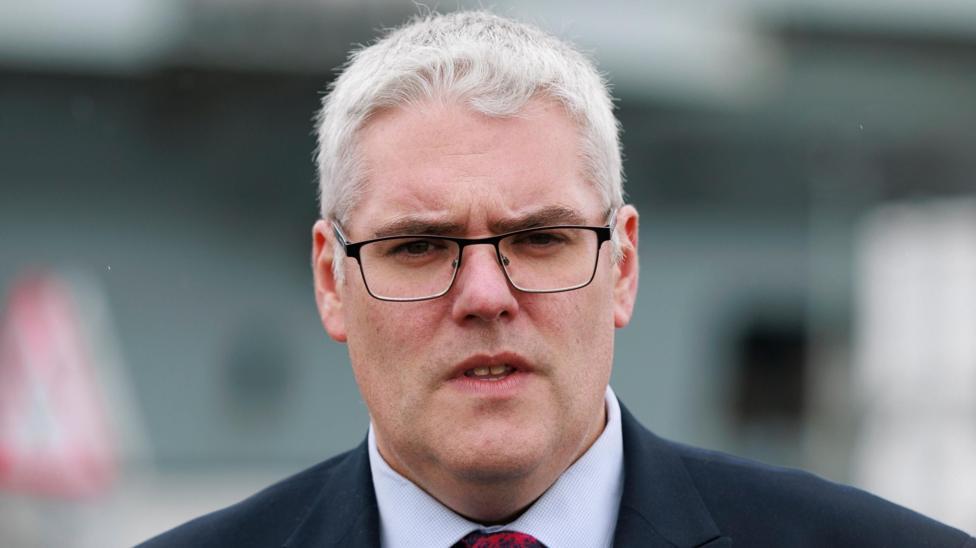
A civil servant from east London has been found guilty of fraud after secretly maintaining multiple full-time public sector positions simultaneously while drawing salaries from each one. Kashim Chowdhury, aged 56, held eight overlapping government roles between 2020 and 2023, fraudulently obtaining more than £284,000 in taxpayers' money. After seven hours of deliberation, a jury unanimously convicted him on eight counts of fraud by false representation and one count of fraud by failure to disclose.
According to BBC News, the prosecution presented evidence that Chowdhury had deliberately concealed his employment status when applying for positions. On application forms, he provided inaccurate information about his existing roles and failed to inform government departments that he was already employed as a civil servant. Once hired, he did not disclose to his employers that he was simultaneously working elsewhere.
The defendant claimed he needed to work entirely from home because he was caring for his mother, who lived with him in east London and had dementia. She received a terminal cancer diagnosis in 2023. However, rather than reducing his workload to provide care, Chowdhury continued accepting new positions. During spring 2023, when his mother was only months from death, he held concurrent positions at the Department for Environment, Food and Rural Affairs, the Department of Health and Social Care, the UK Health Security Agency (UKHSA), the Department for Business and Trade, the Food Standards Agency, and the Home Office.
How many hours was he contracted to work?
During the period when he held six simultaneous roles, Chowdhury was contractually obligated to work 183 hours per week—a figure that exceeds the total number of hours available in seven days. This mathematical impossibility underscored the scale of his deception and formed a central element of the prosecution's case.
What was the total financial impact?
Between 2020 and 2023, Chowdhury earned approximately £350,000 across his eight overlapping positions. The prosecution characterised his conduct as deliberate and intentional dishonesty that exploited the public sector system. The conviction represents a significant case of civil service fraud, particularly given the scale of the financial loss and the duration over which the scheme operated.
This case follows earlier proceedings in October 2026 when Chowdhury admitted making mistakes but denied criminal intent. The conviction also comes as public sector fraud remains a concern; Audit Scotland's National Fraud Initiative uncovered an estimated £22 million in fraud and errors across public services since 2024, including duplicate payments, wrongful council tax discounts, and second-job breaches.