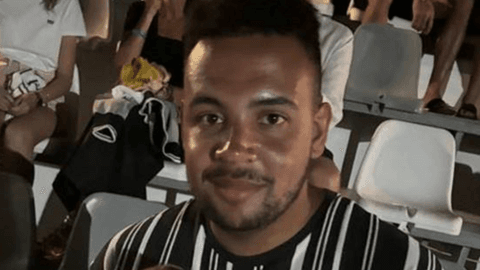
Brandon Hatcher, 23, died when his delivery van was struck by a passenger train at a user-operated level crossing on Lower Road in Teynham on 13 July 2025. According to BBC News, a rail accident investigation has concluded that the collision could have been avoided with improved signage and crossing design.
The train, travelling from Ramsgate to London Victoria, was moving at approximately 71 mph (114 km/h) at the moment of impact. The Rail Accident Investigation Branch (RAIB) published a 58-page report on 9 November 2026 detailing the circumstances of the fatal incident.
How did the driver enter the crossing?
RAIB investigators determined that Hatcher was likely misled by a green light into believing it was safe to proceed across the crossing before the exit gate had been fully opened. The user-operated crossing features gates and a miniature stop-light system that displays green when no trains are approaching and red with an audible warning when a train is detected. Users are instructed to check for a green light before opening the gates, crossing, and closing them again.
However, the RAIB found that the crossing's lack of road markings, as well as its signage, failed to guide the driver effectively through the correct procedure. The investigation revealed that training and guidance provided to the self-employed driver had not adequately prepared them to use the crossing safely.
What are the broader safety concerns?
RAIB chief inspector Andrew Hall highlighted the fundamental mismatch between the crossing's design and modern road use.
Most road users are unfamiliar with this type of crossing and with how to use them safely,he said, describing private user-operated crossings as
a 19th Century concept operating in a 21st Century world.
The investigation noted that another delivery van driver was killed at a user-operated crossing in Lancashire in August, underscoring a pattern of fatalities at these locations. The RAIB also found that fitting miniature stop lights made further safety upgrades at crossings less likely, leaving safe use reliant on users understanding and following signs.
What changes have been made?
David Davidson, chief operating officer for South Eastern Railway, stated:
We accept the findings outlined in the Rail Accident Investigation Branch report published on Monday. We will study the recommendations closely and are committed to learning every possible lesson from this tragic incident.
South Eastern Railway has already taken action at the Teynham site. The company has changed the crossing's layout and published guidance specifically for professional drivers using this type of crossing, according to Davidson's statement.
What recommendations has the RAIB made?
The investigation produced four key recommendations aimed at preventing future fatalities. Network Rail has been called upon to review the design of user-operated crossings across its network. The Department for Transport has been asked to update legal requirements and road-user guidance for these crossings. The Health and Safety Executive has been instructed to review guidance for organisations that employ drivers who regularly use such crossings. Additionally, Network Rail should review its guidance on who is authorised to use these crossings.
The DfT, Office of Rail and Road, and Amazon have been approached for comment on the findings and recommendations.
What happens next?
The four recommendations issued by the RAIB require responses from multiple organisations. Network Rail must review crossing design standards, while the Department for Transport will need to update legal requirements and guidance for road users. The Health and Safety Executive's review of work-driver guidance will inform how organisations train employees who operate vehicles at level crossings. Network Rail's review of authorised user guidance will determine who is permitted to use these crossings and under what circumstances.