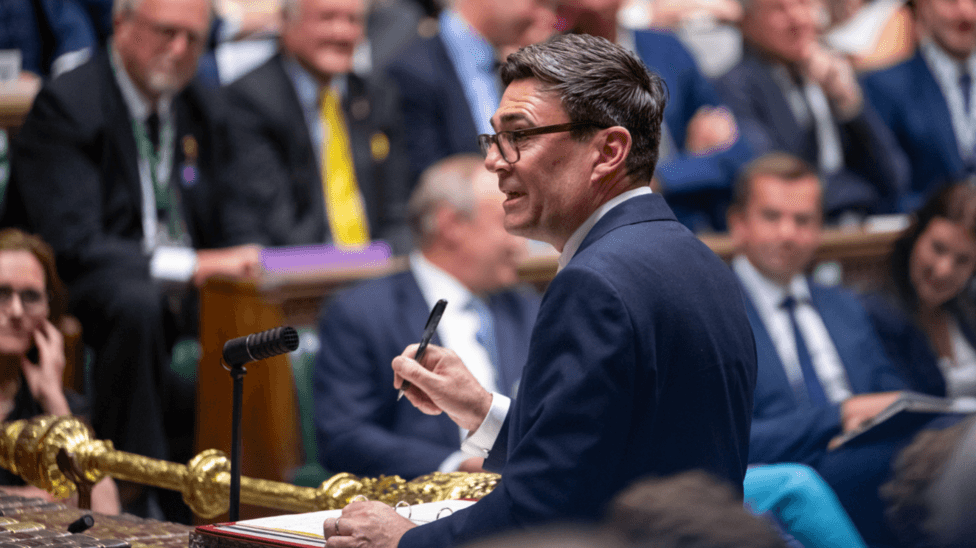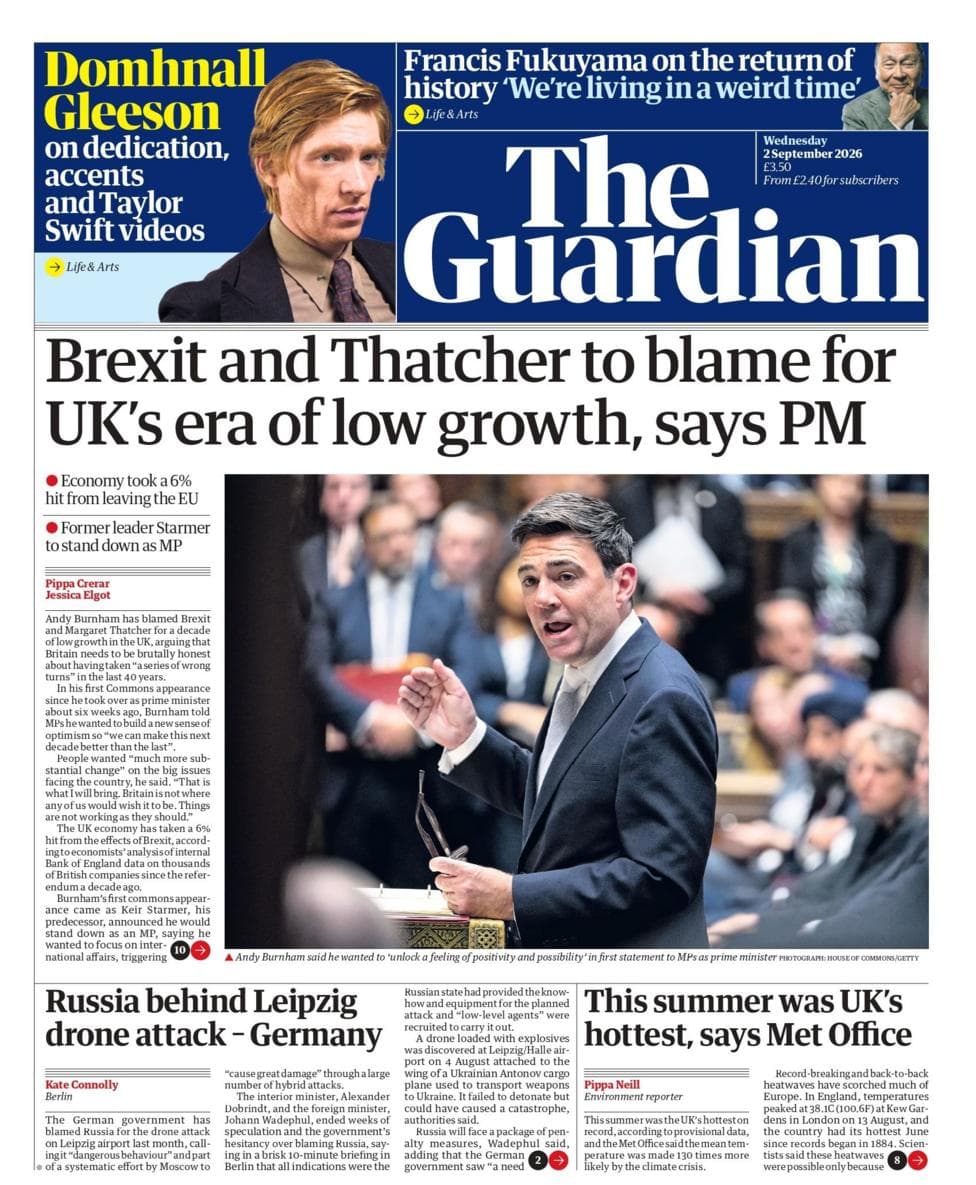
Prime Minister Andy Burnham made his first parliamentary statement on 1 September, delivering a speech that dominated front pages across the UK press. The address centred on his diagnosis of Britain's economic stagnation over the past four decades, attributing decline to a combination of Brexit, the Conservative legacies of Margaret Thatcher's era, and austerity policies. The appearance also coincided with a significant political development: former Prime Minister Sir Keir Starmer announced his resignation as an MP, reversing an earlier commitment to remain in Parliament until the next general election.
What did Burnham say about Britain's economic problems?
Burnham framed his diagnosis in stark terms, arguing that decades of policy choices had weakened the nation's economic foundation. According to coverage of his address, he promised
politics done differentlyand outlined plans for cross-party cooperation. His characterisation of the country's trajectory drew particular focus from commentators. One major newspaper summarised his position as:
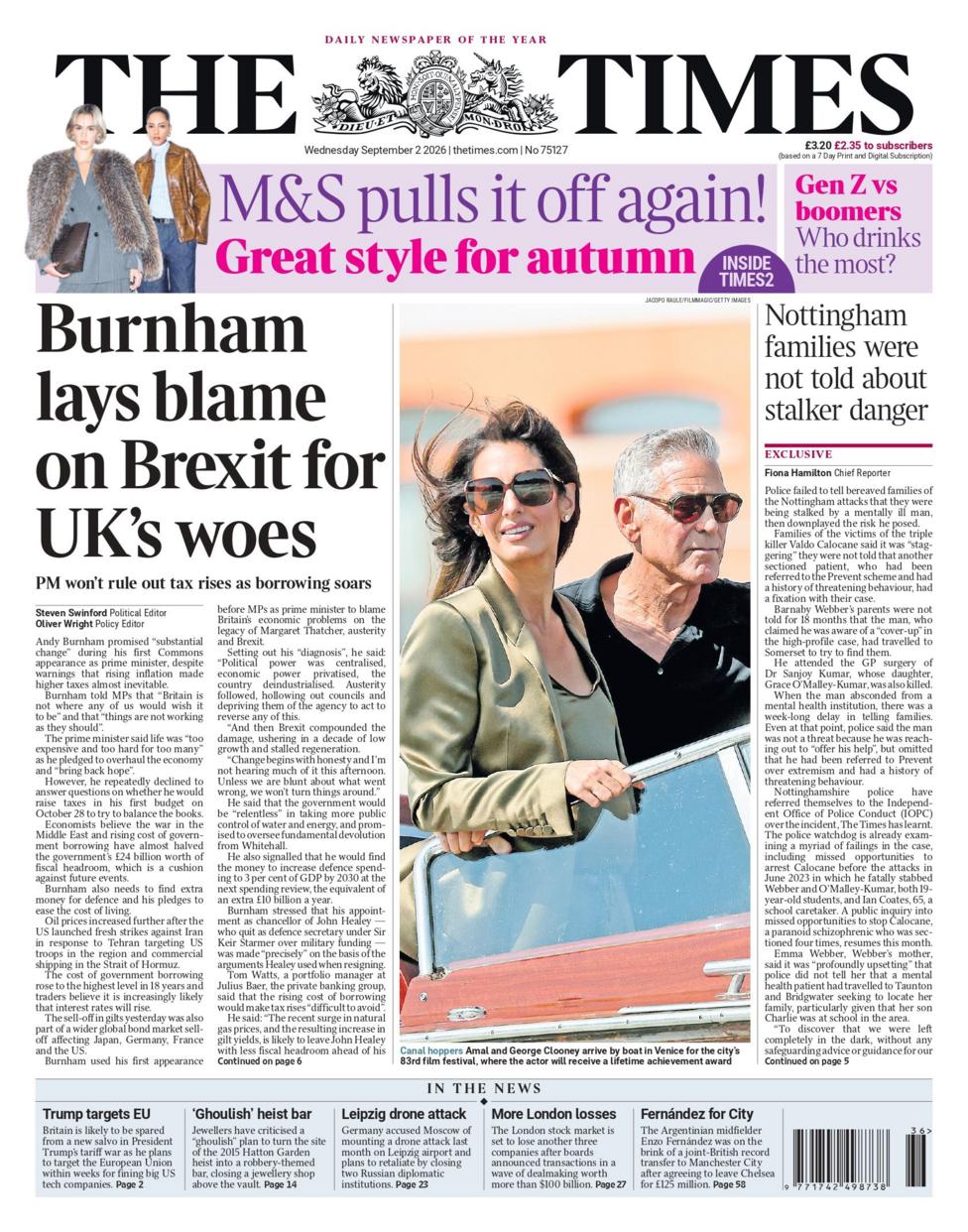
Political power was centralised, economic power privatised, the country deindustrialised.This framing became the lens through which multiple outlets reported his remarks, with some emphasising his focus on Brexit as a turning point and others highlighting his criticism of Thatcher-era policies and subsequent austerity measures.
How did opposition and media outlets respond?
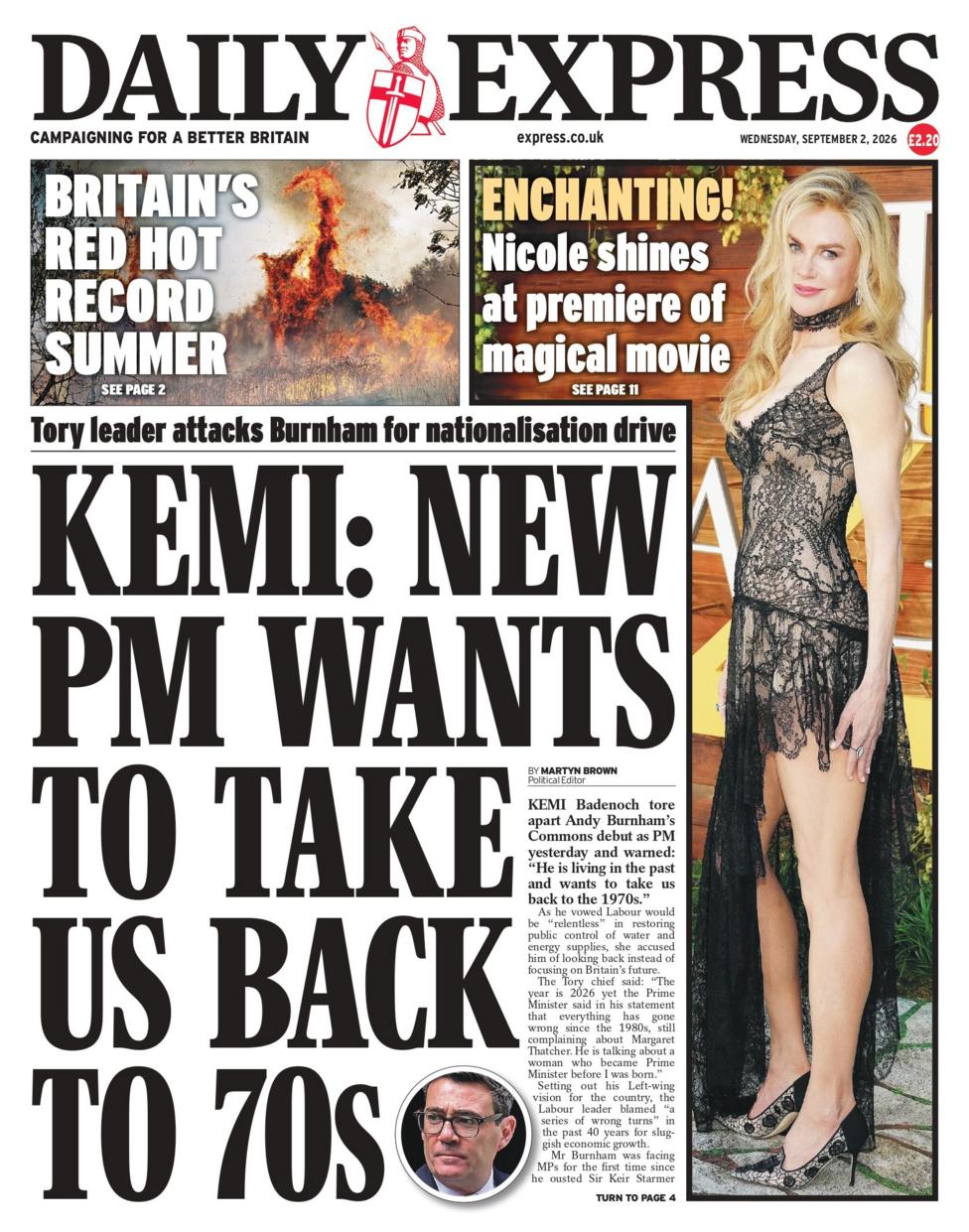
Conservative Party leader Kemi Badenoch mounted a sharp rebuttal, accusing Burnham of dwelling on the past rather than addressing present challenges. She characterised his approach as
dragging Britain back to the 1970sand dismissed him as a
Messiah without a mandate.The first Commons confrontation between the two leaders was framed by one outlet as a
historic battlebetween competing visions for the country's future.
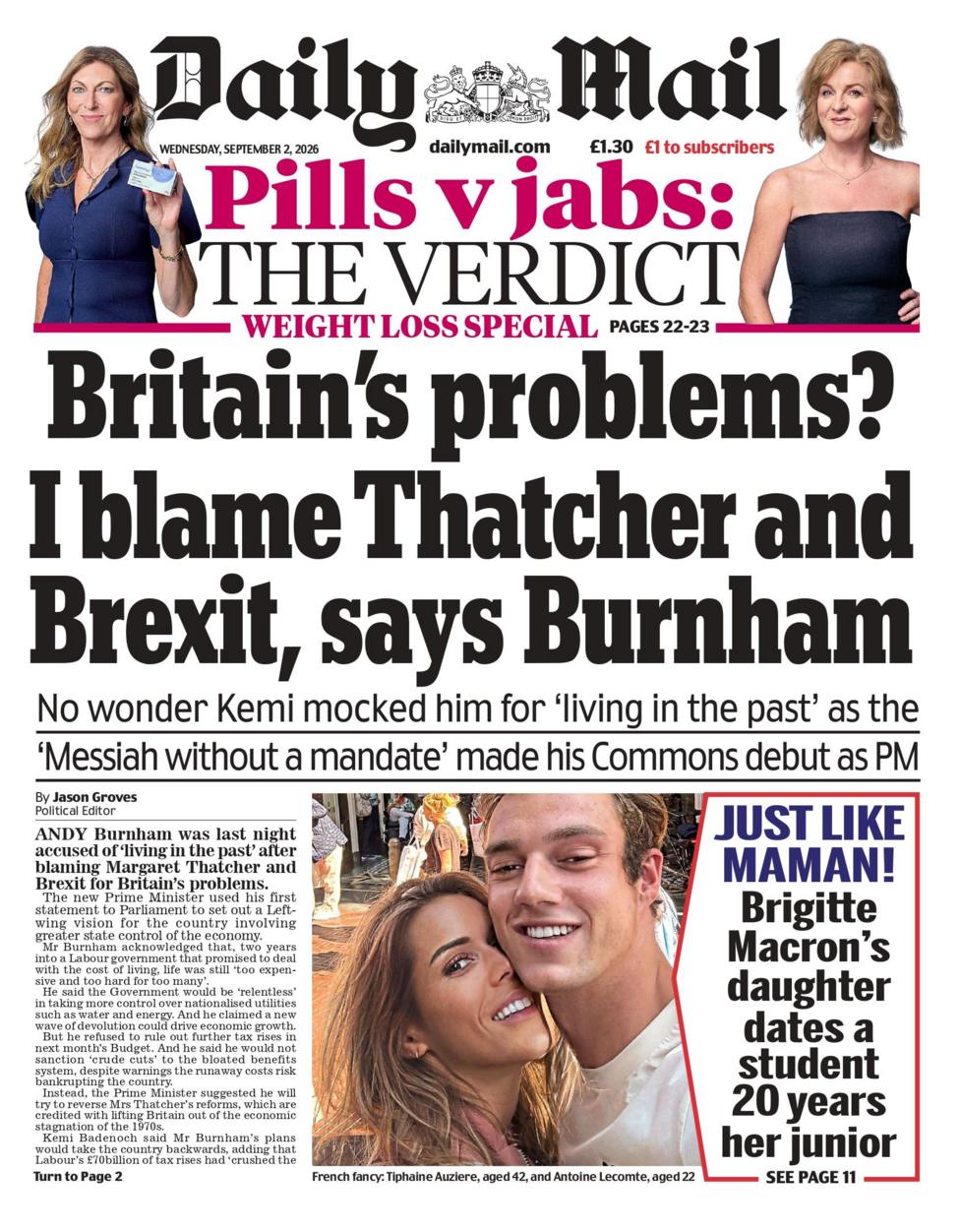
Burnham responded to the political challenge by outlining concrete commitments. He promised
a ten-year plan of national renewaland pledged that
defence spending will rise.He also
insisted he would help people fight cost of living pressures,signalling that immediate household concerns would form part of his government's agenda.
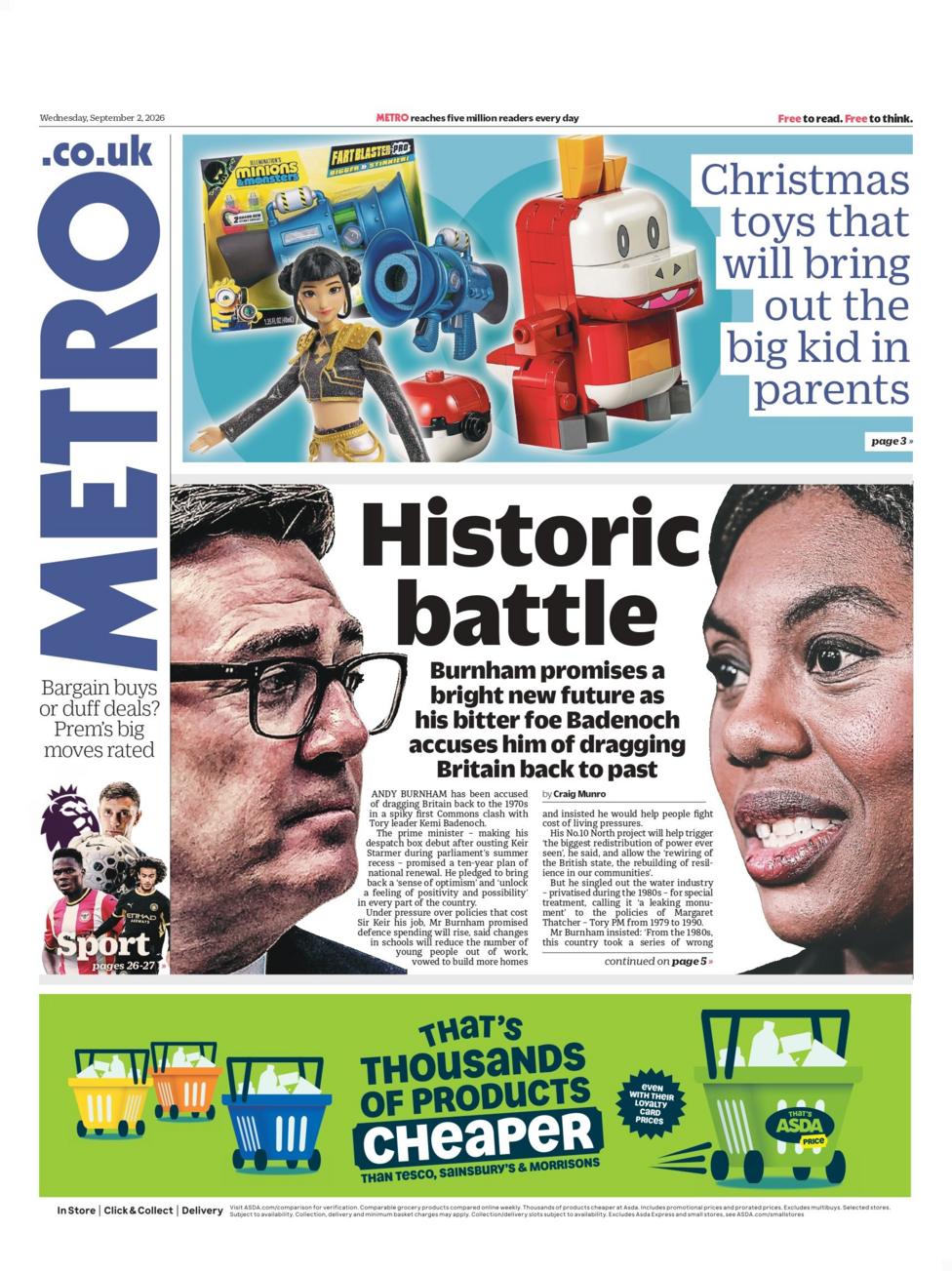
What policy delays and devolution plans did Burnham announce?
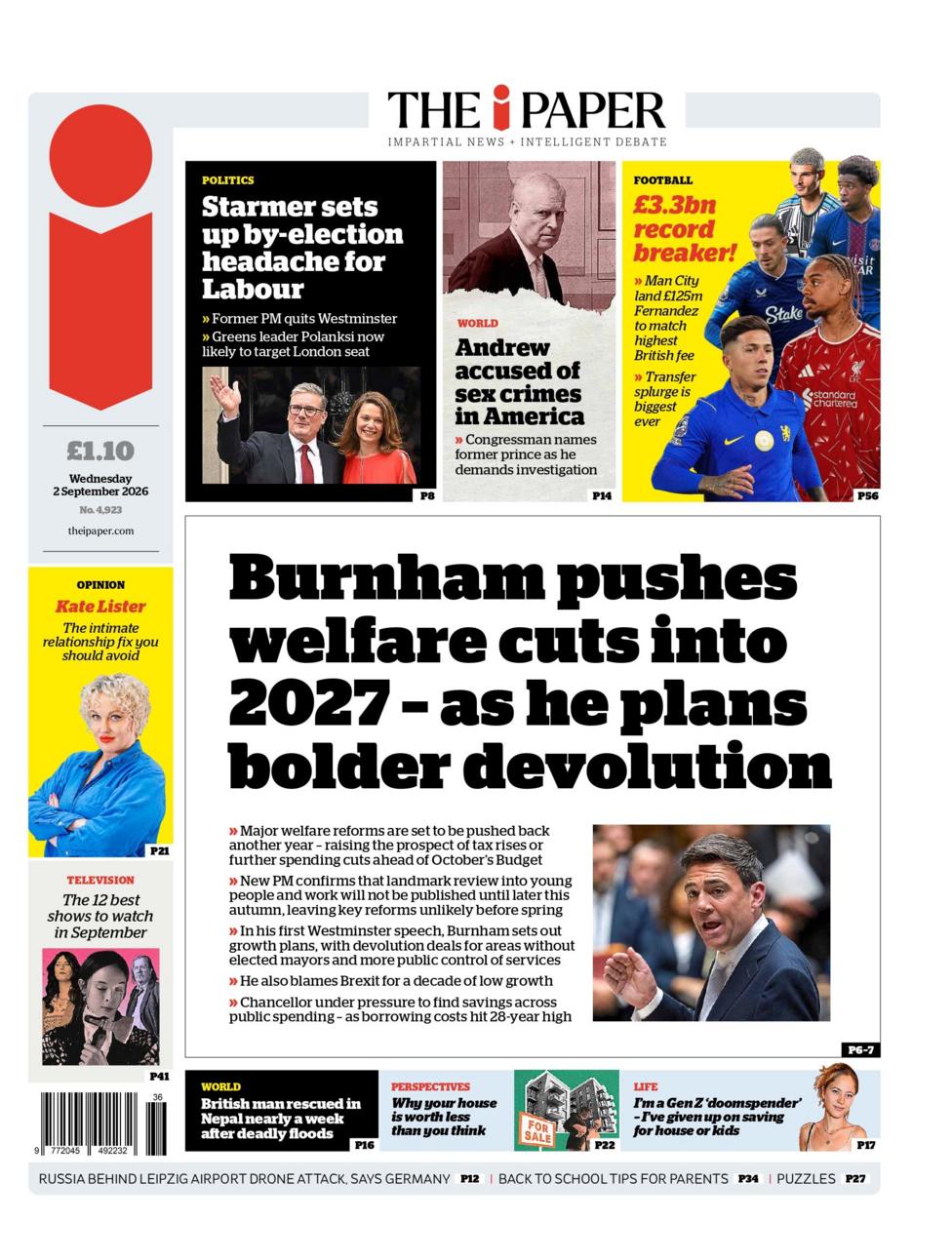
Beyond his economic diagnosis, Burnham signalled significant shifts in the timing and scope of welfare reform. One newspaper reported that he was
pushing welfare cuts into 2027,deferring a contentious budget measure by a further year. This delay raised questions about the government's fiscal strategy, with coverage noting it was
raising the prospect of tax rises or further spending cuts ahead of October's Budget.The postponement of welfare changes reflected broader uncertainty about how the government would manage its finances.
On devolution, Burnham signalled ambition for what one outlet termed
bolder devolution,including arrangements for parts of the country without elected mayors. According to his Commons address, he committed to writing to all MPs about devolution plans, suggesting a systematic approach to redistributing power away from Westminster. A separate policy review into young people and work would not be published until later in the autumn, further extending the timeline for major announcements.
How did financial markets and economists react?
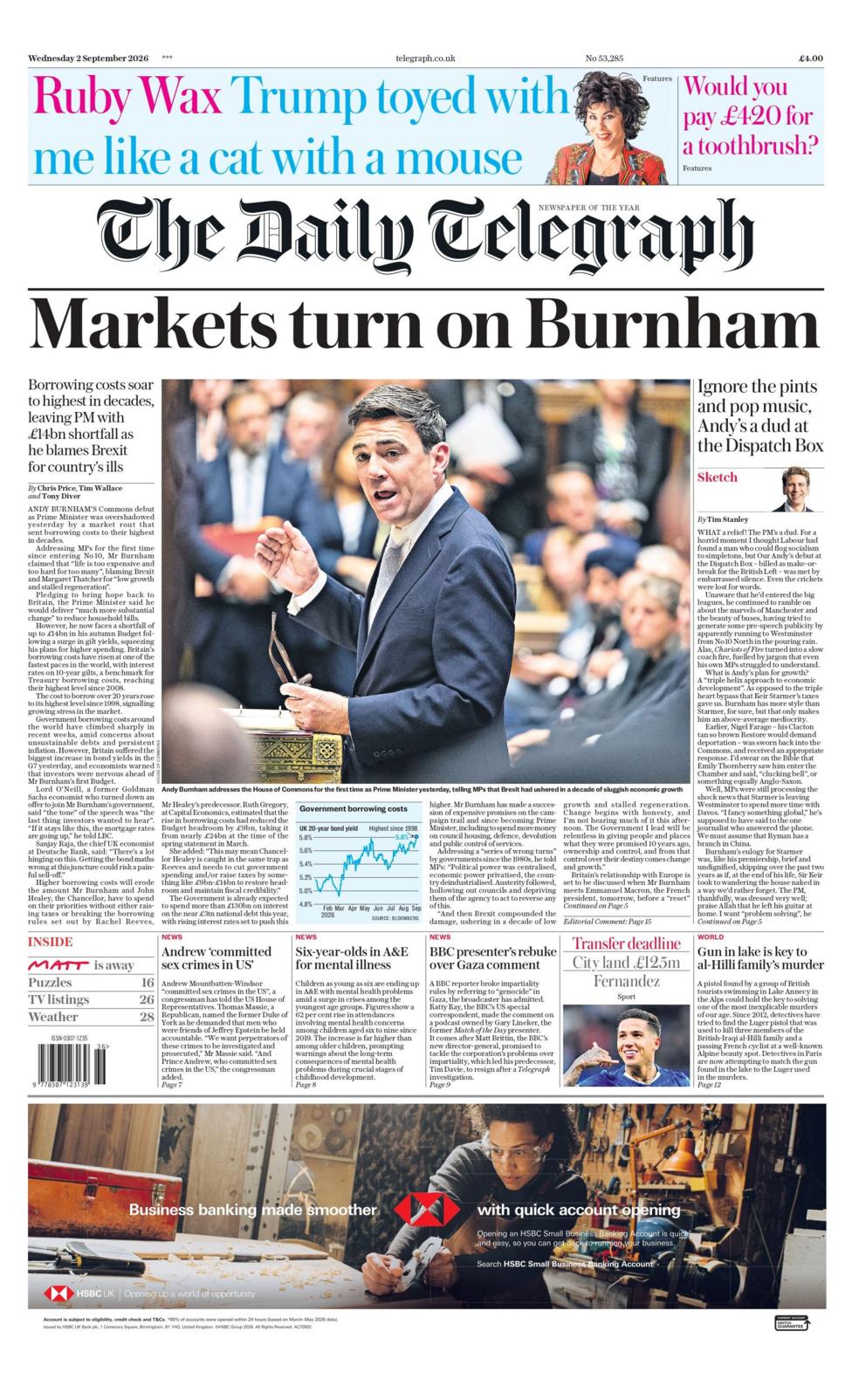
Burnham's speech prompted immediate concern in financial markets. One major newspaper led with the headline
Markets turn on Burnham,reporting that
borrowing costs soar to highest in decades,leaving the government facing a
£14bn shortfall.The market reaction reflected investor anxiety about the government's economic direction and fiscal credibility.

Lord O'Neill, a former Goldman Sachs economist who had declined an offer to join Burnham's government, was particularly critical. He characterised the prime minister's first speech as
the last thing investors wanted to hear,suggesting that Burnham's emphasis on past failures and structural reform had spooked financial markets rather than reassured them about the government's competence.
What happened with Keir Starmer's resignation?
Starmer's decision to step down as an MP marked a significant reversal of his earlier position. According to reporting on his announcement, he stated his intention to
concentrate on international affairs.The move will trigger a by-election in Holborn and St Pancras, though no date for that contest has yet been set. Starmer had initially committed to remaining as an MP despite stepping down as party leader, but changed his position over the summer as he shifted his focus toward international work.
What other stories dominated the front pages?
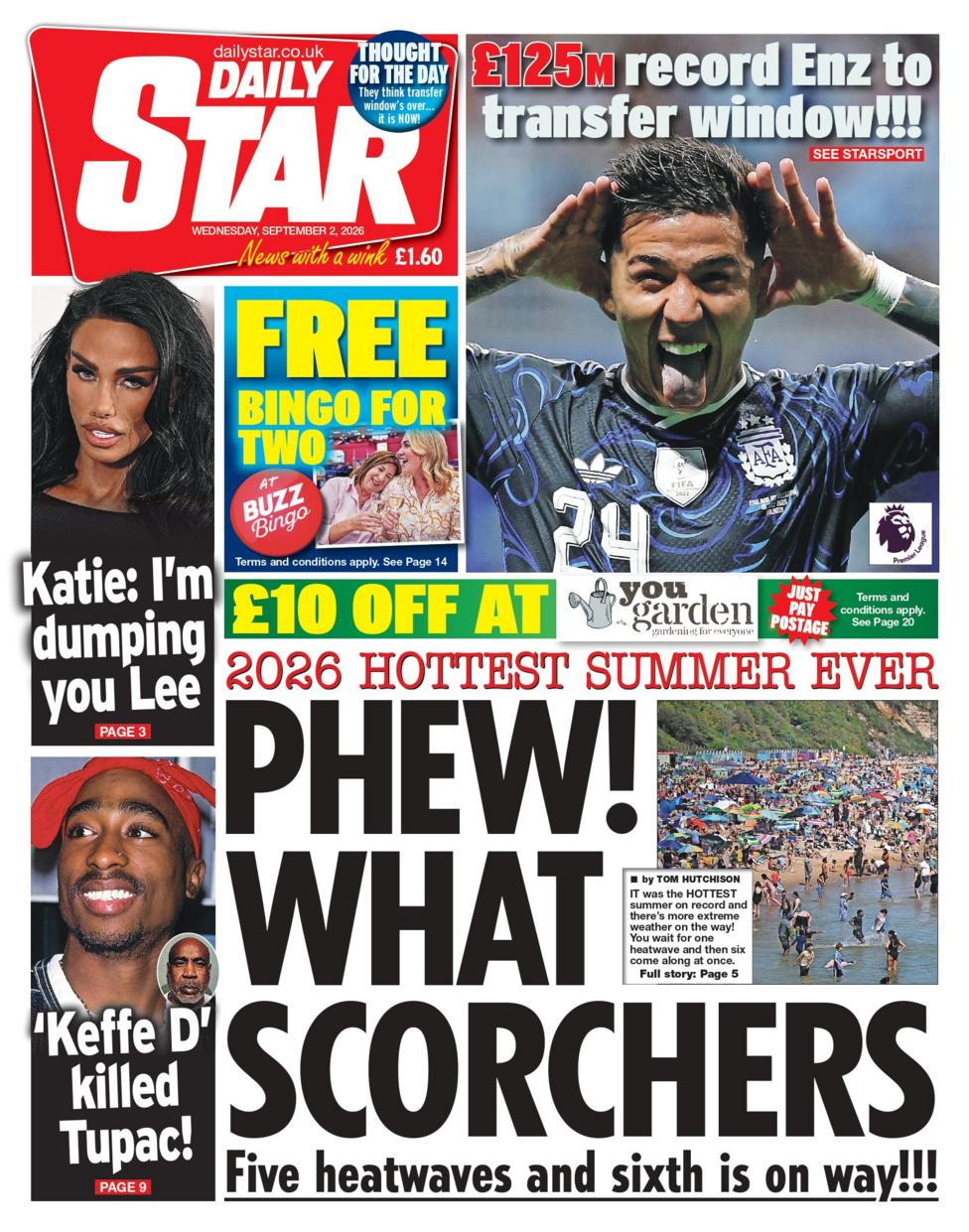
Beyond the political narrative, newspapers led with a range of stories reflecting Britain's current preoccupations. One outlet reported that 2026 had been officially confirmed as Britain's
hottest summer ever,warning of a potential sixth heatwave after five had already struck the country during the season.
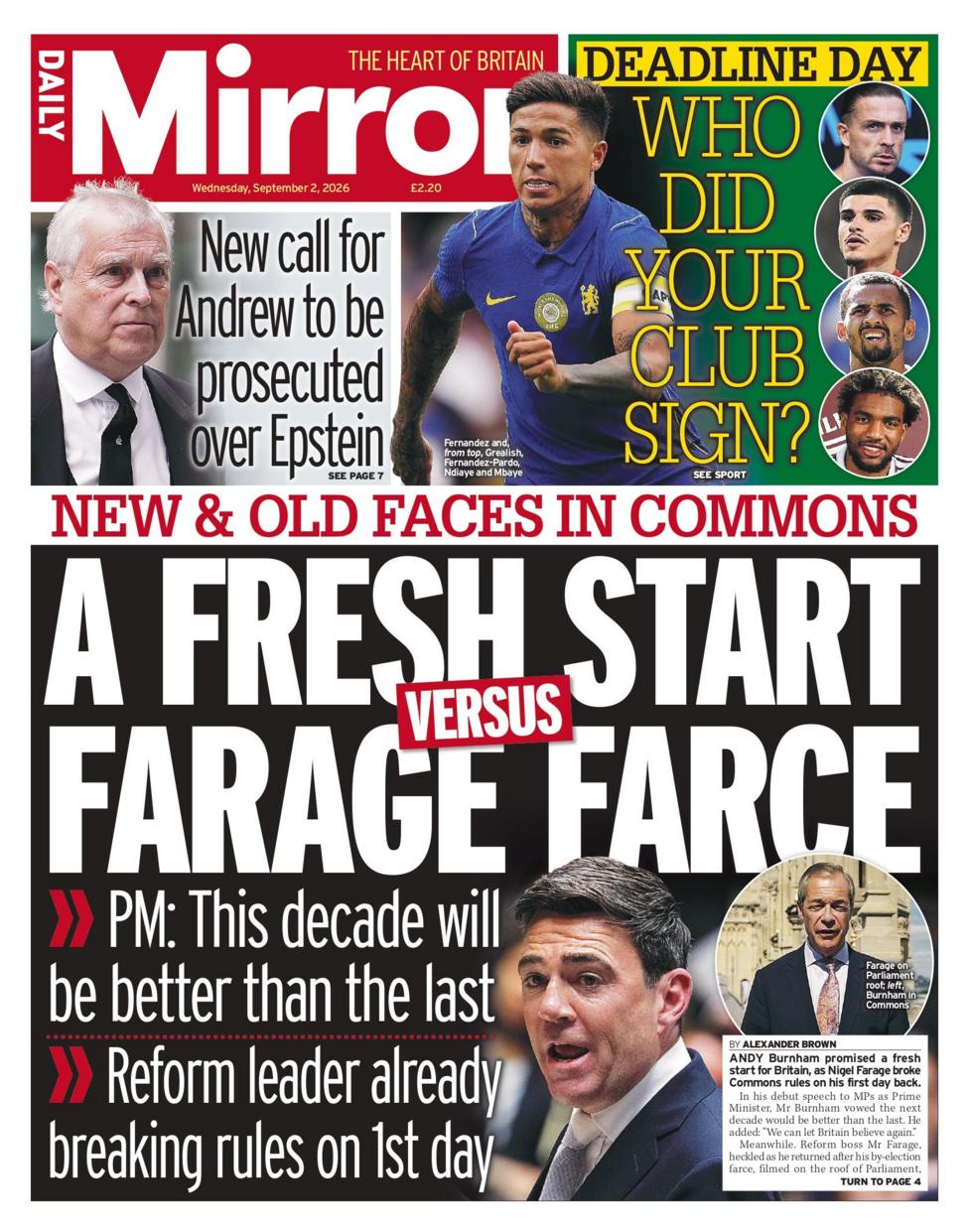
Reform UK leader Nigel Farage featured in coverage of his return to Parliament following his by-election victory in Clacton. One newspaper reported that he
broke Commons rules on his first day backafter
filming on the roof of Parliament.He was
heckled as he returnedto the chamber, according to press accounts of the incident.
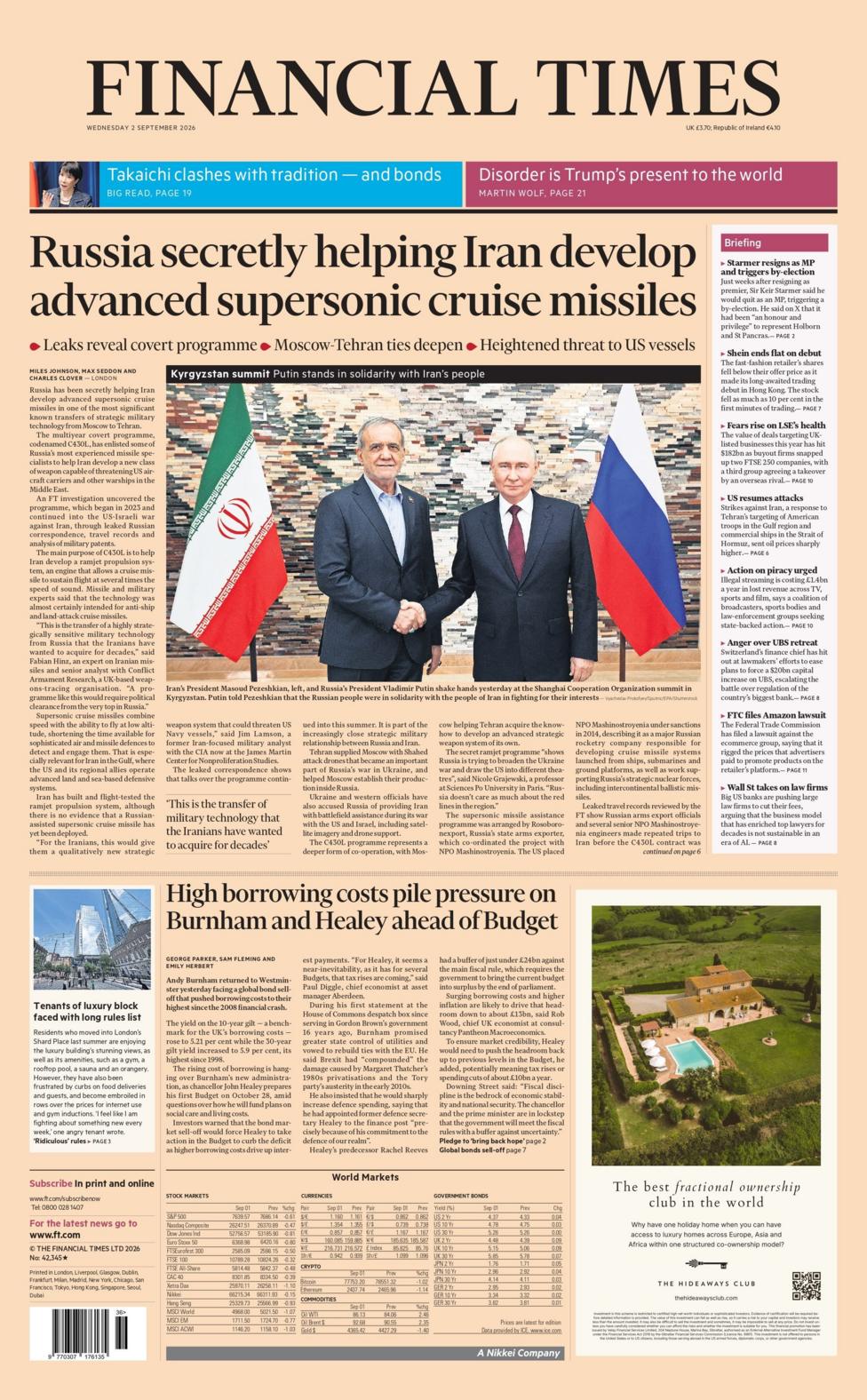
International affairs also commanded significant attention. One major financial newspaper reported on a covert military programme, stating that Russia was
secretly helping Iran develop advanced supersonic cruise missiles.The outlet cited its own investigation, which began in 2023, finding that a
multiyear covert programme... has enlisted some of Russia's most experienced missile specialists to help Iran develop a new class of weapon.Such weapons would be
capable of threatening US aircraft carriers and other warships in the Middle East.Coverage included a photograph of Iranian President Masoud Pezeshkian and Russian President Vladimir Putin shaking hands, with the Russian leader expressing solidarity with his counterpart for
fighting for their interestsamid the Washington-Tehran conflict.
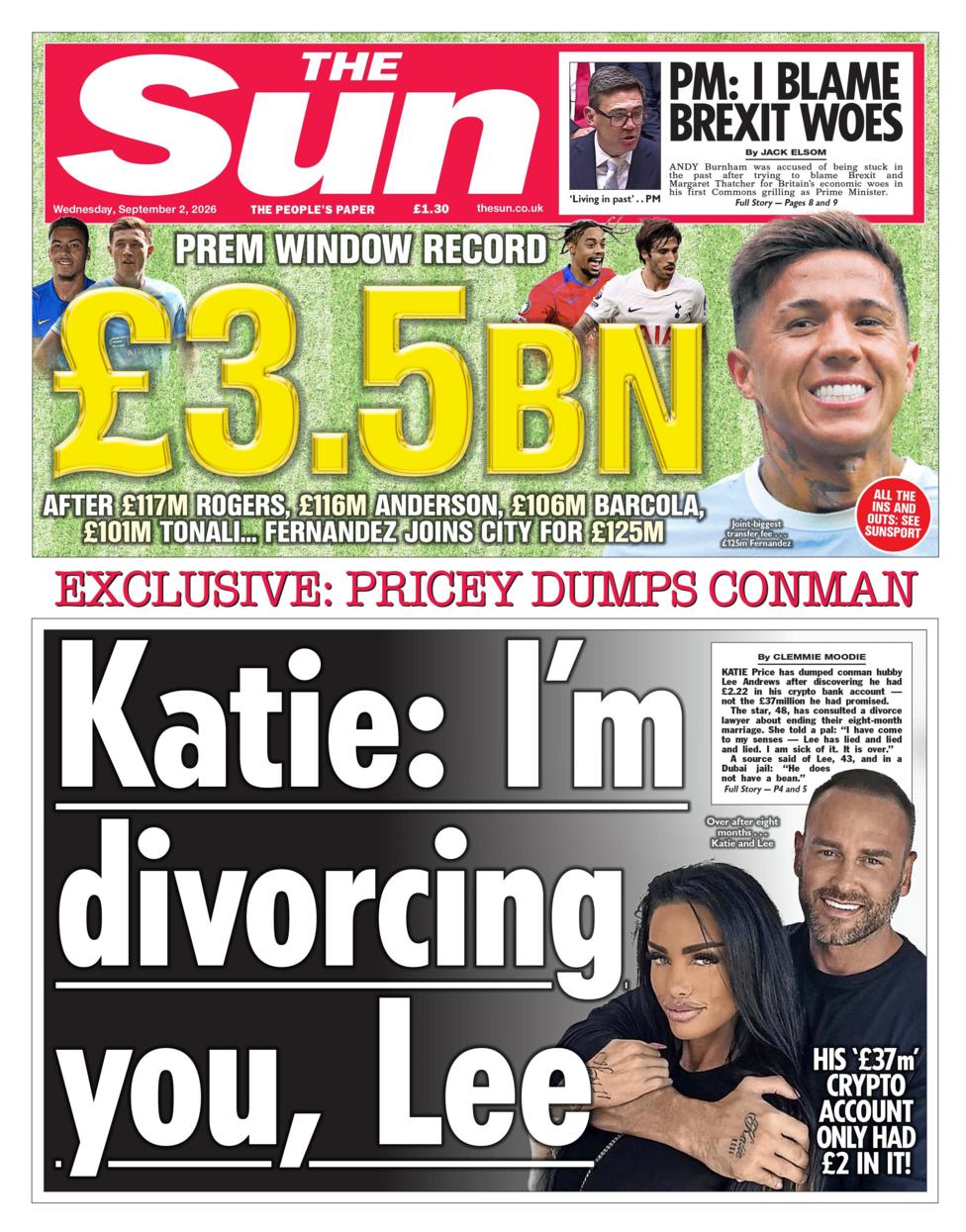
Entertainment and sports news rounded out the front pages. One tabloid led with the marriage breakdown of television personality Katie Price, reporting her statement:
Katie: I'm divorcing you, Lee.The same publication also highlighted a Premier League transfer record, noting that Chelsea midfielder Enzo Fernandez had claimed the
joint-biggest transfer fee of £125mto join Manchester City, as part of a summer window that had reached £3.5bn in total spending.
What comes next for Burnham and the government?
Burnham's position as prime minister will be formally confirmed at the Labour Party conference on Friday, after which he is due to take office on Monday. His first weeks in power will be shaped by the need to address the financial market concerns raised by his Commons speech, manage the welfare reform timeline, and advance his devolution agenda. The by-election triggered by Starmer's resignation in Holborn and St Pancras will add to the political calendar, though no date has yet been announced for that contest.