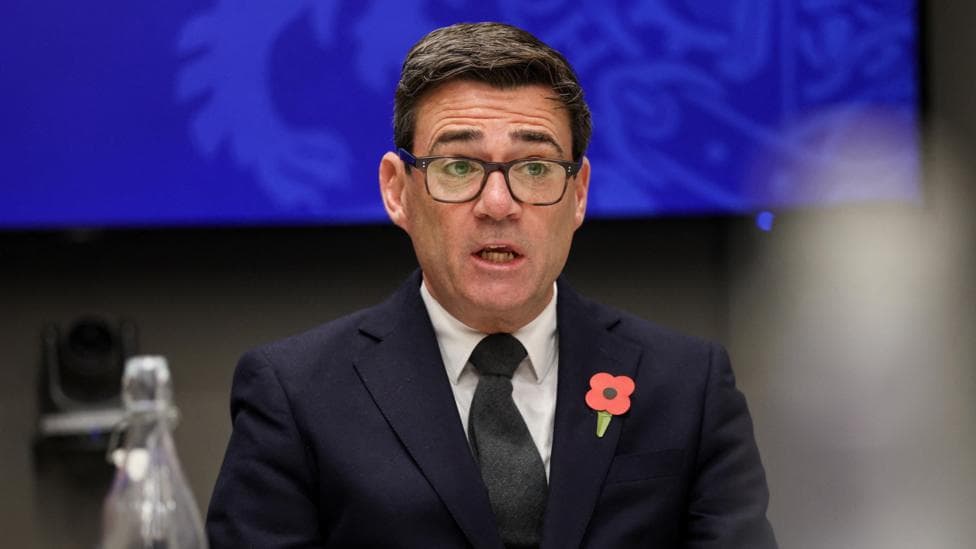
Prime Minister Andy Burnham convened the first ministers of Scotland and Wales alongside representatives from Northern Ireland in Glasgow for the inaugural National Economic Council for the nations, emphasising that all four parts of the UK must advance together on devolving greater authority to regions and cities.
Following the gathering, Burnham stressed his commitment to ensuring equitable progress across the nations. According to BBC News, the prime minister said the UK's constituent parts must "move together" to devolve more power, with Burnham declaring:
It's really important we all move at the same pace together, and I won't allow anything to delay that. Growth can't wait. People need to see improvements in employment and in living standards in all parts of the UK.
The meeting represented a significant step in Burnham's broader agenda since taking office in the summer. The summit had been planned for October to discuss economic growth and investment across the UK's nations, building on Burnham's earlier visit to Scotland during the SNP conference where he proposed devolution partnerships.
SNP leader John Swinney responded positively to the discussions, characterising the meeting as
a welcome starton advancing devolution. Swinney acknowledged disagreement with Burnham over Scottish independence but committed to collaborative engagement on expanding powers.
When the people of Scotland take issues into their own hands, the best outcomes will about. To that end, I will work constructively and collaboratively with the prime minister to devolve more powers from Westminster to Scotland - as long as those proposals drive economic growth that is felt in higher wages, better jobs, more opportunities for business to start and expand, and support with the cost of living.
According to The National, Swinney welcomed Burnham's commitment not to bypass Holyrood, and the Scottish and UK governments will jointly develop proposals for further devolution. A Downing Street spokesperson made clear that while the government would review issues raised by the first minister, this would not include a second independence referendum in Scotland.
Plaid Cymru leader Rhun ap Iowerth also characterised the gathering as constructive.
I was pleased to meet with the prime minister in Glasgow today where I once again pressed the need for Wales and the Welsh government to have the necessary tools to better serve our communities. I also reiterated the point that further devolution within Wales is a matter for the Senedd and only the Senedd.
Ap Iowerth pressed for parity of powers with Scotland through a new Wales Bill, a fairer funding settlement, and a new Growth Partnership, according to the Welsh Government. He also raised devolved justice and policing and the £14bn rail funding commitment. The Welsh leader welcomed Burnham's
step forwardon the Welsh government's fiscal and borrowing powers and gave his
full supportin pushing for a stronger relationship with the EU.
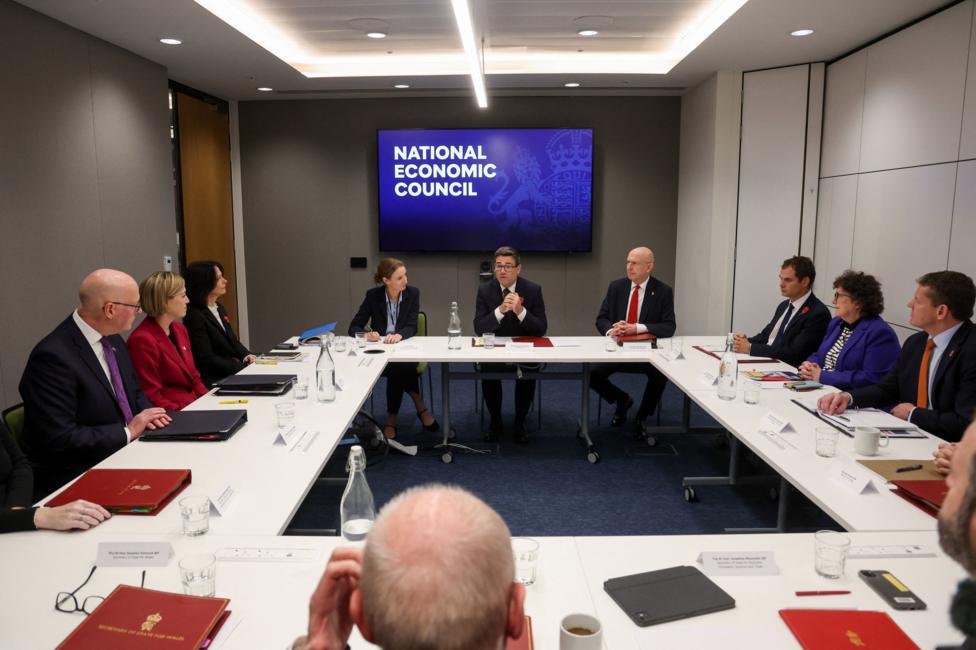
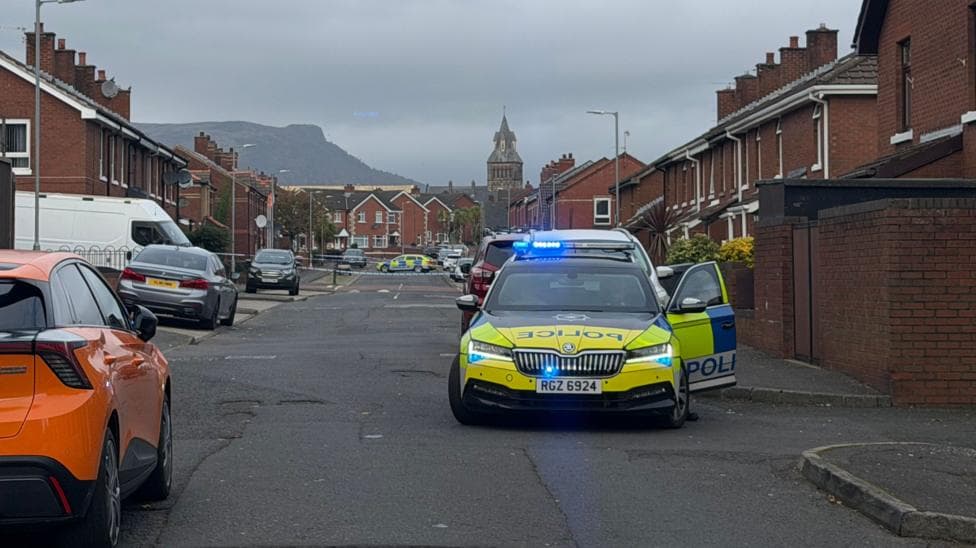
Northern Ireland was represented by officials at the meeting amid the political fallout from the Drumcree parade dispute, reflecting the complex political circumstances affecting the devolved administration.
What powers are being discussed?
Ministers and representatives at the summit focused on transferring greater control to regions over employment support and funding for reindustrialisation. Burnham explained the approach to regional structures:
It's about creating those structures at a regional level and that is matter for Scotland and Wales to decide what that looks like in both countries.
The prime minister urged the Scottish and Welsh governments to
work jointlywith the UK government on
a model of deeper devolution.In the context of reindustrialisation, Burnham indicated this could encompass greater devolution of innovation funding. The UK government's announcement did not specify what regional empowerment models would involve or what funding would accompany them, according to reporting on the Welsh government's position.
What about young people's employment?
Swinney, Ap Iorwerth and Burnham identified youth unemployment as a pressing concern during their discussions. The prime minister said the UK government would examine
arrangements for further devolution of employment support for young people in both Scotland and Wales.
Why does this matter for Burnham's broader agenda?
Devolution has been central to Burnham's policy platform since he entered Downing Street. He contends that
rewiring the stateand transferring more control to regional mayors and authorities across England will generate economic growth. The Glasgow meeting followed the UK government's announcement of £1bn for industrial clusters across the UK over four years, demonstrating the financial commitment underpinning the devolution strategy.
Burnham's approach to devolution at the national level has been less clearly defined than his English regional agenda, though he has indicated willingness to listen to the administrations' demands for expanded powers while advocating that they share additional responsibilities with local authorities.
What happens next?
The Scottish and UK governments are to work jointly on a plan to consider further devolution to Scotland, though no timetable was specified. A Downing Street spokesperson confirmed that
the first minister of Wales agreed to start a process to explore how each government could contribute to regional empowerment, reindustrialisation and achieving good growth in every postcode.