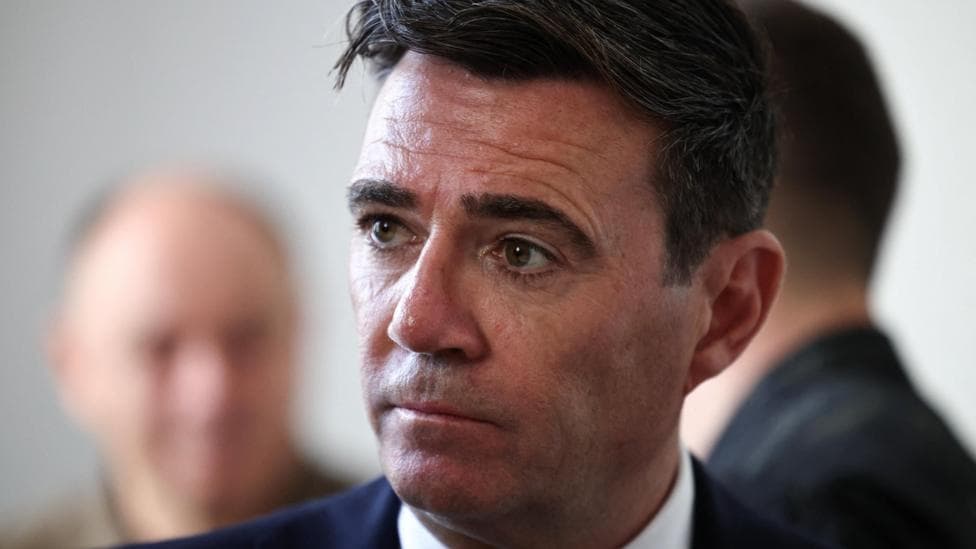
Prime Minister Andy Burnham will convene the first ministers of Wales, Scotland and Northern Ireland for a multilateral summit in October, Downing Street announced on Thursday. The gathering at the National Economic Council will bring together devolved leaders to discuss economic growth and investment across all parts of the United Kingdom.
Burnham made the announcement during his first official visit to south Wales since taking office in July. The visit forms part of a broader listening tour focused on regions affected by industrial decline. According to reports, the prime minister's itinerary includes Port Talbot, where the final blast furnace closed in September 2024, resulting in the loss of 2,800 jobs during the transition to greener steel manufacturing.
The prime minister emphasised his commitment to ensuring prosperity across all communities.
I am in South Wales today because the answers to the UK's challenges will not come from an echo chamber. They will come from the places that know their own strengths, and from a government willing to listen and then act. Good jobs in every community, in every part of the UK. That is what I want every leader in this country signed up to.
Burnham's approach to engaging with devolved administrations reflects earlier recommendations from policy experts. The Institute for Government had previously suggested that the prime minister should hold early one-to-one meetings with first ministers before convening a multilateral summit to review intergovernmental relations.
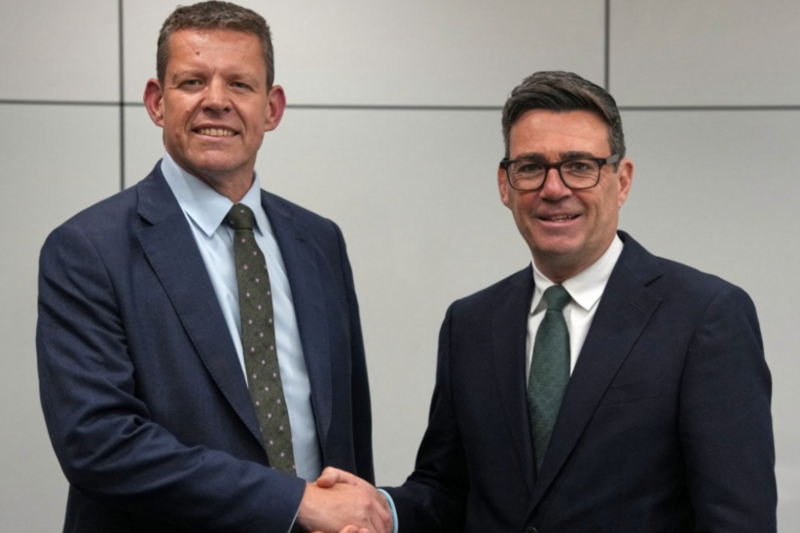
During the south Wales visit, Burnham will meet with Sioned Williams, the Welsh government's deputy first minister. Williams welcomed the engagement, describing the visit as
a positive example of governments working together to improve people's lives.She outlined several priorities for discussion, including securing a fair allocation from the UK government's steel fund, establishing an energy social tariff to assist households facing fuel poverty and high energy bills, and addressing elevated standing charges affecting Welsh consumers.
Williams highlighted Wales's energy resources and their potential economic impact.
Wales is an energy-rich nation. People should see that reflected in good jobs, stronger communities and lower bills.
The summit represents a continuation of engagement that began earlier in the summer. Burnham held his first in-person meeting with Welsh First Minister Rhun ap Iorwerth during the Commonwealth Games in Glasgow in July. At that time, ap Iorwerth indicated it was too early to determine whether the new prime minister would support calls for expanded Welsh powers. Downing Street responded by signalling its desire for an open and ongoing dialogue with the Welsh leadership.

The UK government has already initiated contact with all devolved administrations. On 21 July, the prime minister held telephone calls with the first ministers of Scotland and Wales and the first and deputy first ministers of Northern Ireland, establishing preliminary communication before the formal October summit.
What are the government's priorities for the summit?
Downing Street stated that the prime minister intends to discuss
how we will drive good growth in every postcode across the UKwith the assembled first ministers. The Welsh government expressed its readiness to address shared challenges, stating:
We look forward to discussing shared challenges, including ensuring growth and investment in all the countries represented, and support for families facing the continuing cost-of-living crisis. This is alongside further discussions with the UK government to progress broader priorities in Wales, including fair funding and extending devolution.
The summit agenda reflects broader concerns about regional economic disparity and the cost-of-living crisis affecting households across the union. Burnham's messaging emphasises the need for decentralised decision-making and investment in communities experiencing industrial transition.
What is the National Economic Council?
The National Economic Council was established by the Gordon Brown administration in 2008 as a mechanism for coordinating economic policy across government. Burnham has revived the institution as part of his governance approach. Previous meetings convened government ministers alongside English local authority mayors, establishing a model for multilateral engagement across different tiers of administration.
What are the devolved governments seeking?
Plaid Cymru has consistently pressed the UK government for discussions regarding expanded powers and funding for the Senedd, Wales's parliament, and the Welsh government in Cardiff. The October summit provides an opportunity for these demands to be formally raised at the highest level. Welsh leadership has emphasised the importance of ensuring Westminster does not circumvent devolved institutions in its engagement strategy.
Burnham's commitment to deeper devolution across the UK reflects his earlier pledges. The prime minister has publicly stated his intention to offer the same devolution opportunities to all parts of the UK and promised to engage soon with the leaders of Scotland, Wales and Northern Ireland. However, the Scottish government has expressed uncertainty about the specifics of his devolution agenda, particularly regarding proposals for a 'Number 10 North' office in Manchester.
What happens next?
The National Economic Council summit is scheduled for October, bringing together the first ministers of Wales and Scotland and the first and deputy first ministers of Northern Ireland with the prime minister. Burnham's south Wales visit on Thursday will precede this formal gathering, allowing for bilateral discussions and the establishment of priorities ahead of the multilateral forum.