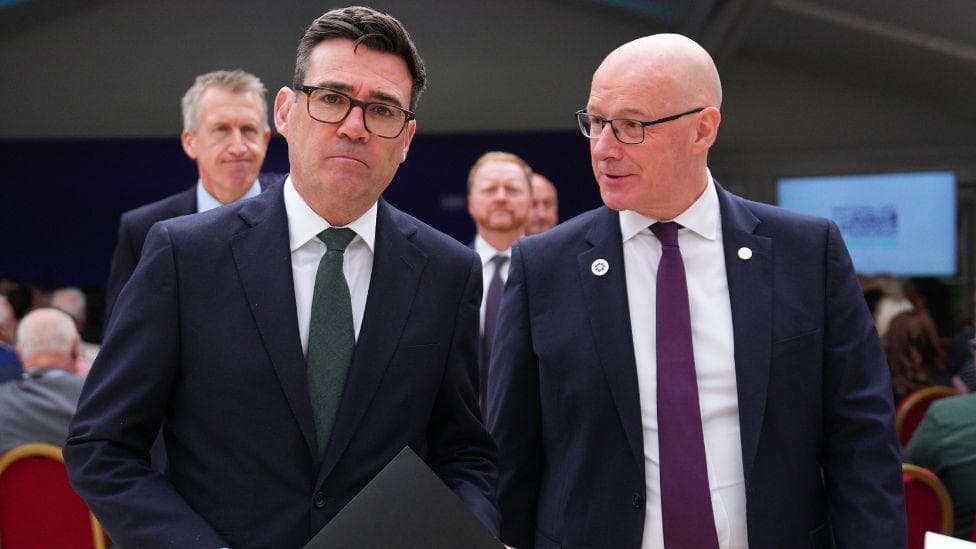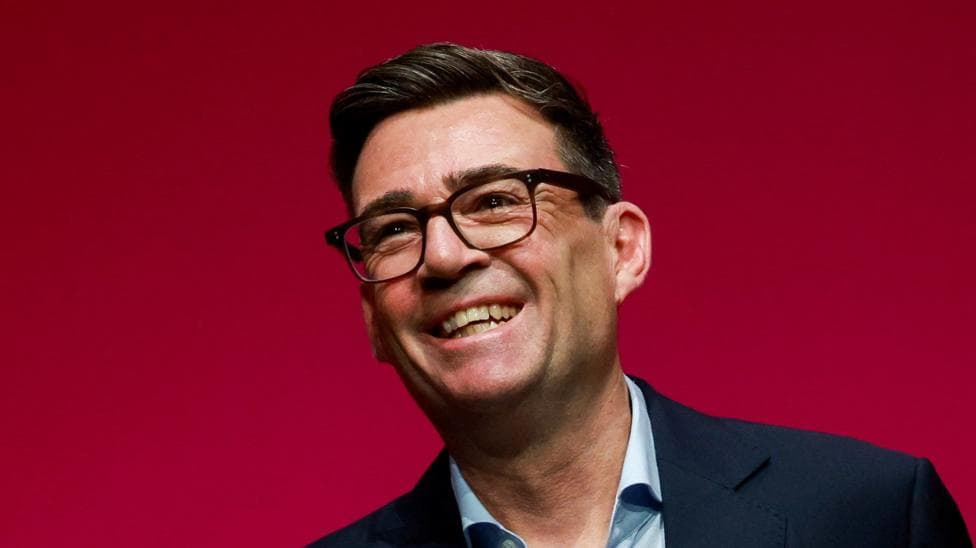
Prime Minister Andy Burnham has committed Labour to fighting the next general election with a manifesto pledge to overhaul the UK's voting system. During his first party conference speech in that role, he unveiled plans for a national commission to investigate alternatives to the current electoral framework.
Burnham called on rival parties to participate in the commission's work, stating that the goal is to ensure
everyone's vote counts, and everyone's voice is heard. According to , Labour will contest the next election with this electoral system change as a core manifesto commitment.
The commission is designed to extend beyond political parties alone. As Politics.co.uk reports, the body will involve community groups, trade unions, businesses, faith groups and voters in its deliberations, broadening the scope of consultation beyond Westminster.
Why electoral reform is gaining momentum
Burnham has long advocated for proportional representation, previously declaring at last year's conference that
PR's time has come. The first-past-the-post system, whereby candidates securing the largest vote share in each constituency are elected, has faced mounting criticism as Britain's political landscape has become increasingly fragmented.
The debate intensified following Labour's 2024 election victory, when the party secured a substantial parliamentary majority despite winning only 34% of the popular vote. This outcome highlighted the system's capacity to produce disproportionate results, with vast numbers of votes effectively wasted under the current framework.
Around 100 Labour MPs recently backed a parliamentary amendment calling for a commission to examine alternative voting models. Burnham himself supported such a move during his tenure as mayor of Greater Manchester. Labour members had previously backed a shift towards proportional representation at the party's 2022 conference, which Burnham described as historic.

In his conference address, Burnham warned delegates:
We will all have failed in our public duties if we carry on as we are and open the door of No 10 to a divisive government on less 30% of the vote or less.He further argued that
We can't succeed in the eyes of the world if we continue with the levels of political turbulence we have seen in recent times.
What systems are being considered?
Burnham did not disclose details about who would chair the proposed commission or when its work would commence. Deputy leader Lucy Powell acknowledged after his speech that
parts of the Labour Partyremain opposed to electoral reform. Speaking to a national broadcaster, she stated she personally supports reform but declined to specify a preferred model, noting there were
lots of modelsavailable for consideration.
The Liberal Democrats have previously backed the single transferable vote (STV) system, which is already used for Scottish council elections. Another option under discussion is the additional member system, a hybrid approach combining first-past-the-post with regional party lists, currently employed for Scottish Parliament elections. Earlier this year, the Welsh Senedd was elected for the first time using a closed-list proportional representation system, providing a recent domestic example of an alternative framework in operation.
Political support and opposition
The Liberal Democrats would likely support any move away from first-past-the-post, having previously urged Burnham to introduce proportional representation before the next election. However, the Conservatives are expected to resist such changes. Reform UK backed PR at the last election, though speculation has emerged that its enthusiasm for the proposal may have diminished since then.
Support for electoral reform remains contested within Labour itself, with Powell's acknowledgment that sections of the party oppose the change reflecting deeper divisions on the issue.
What happens next
According to , the next general election is scheduled for 2029. The commission's findings and recommendations will likely shape Labour's electoral platform in the lead-up to that contest, making the coming months critical for determining which voting system model the party will ultimately champion.