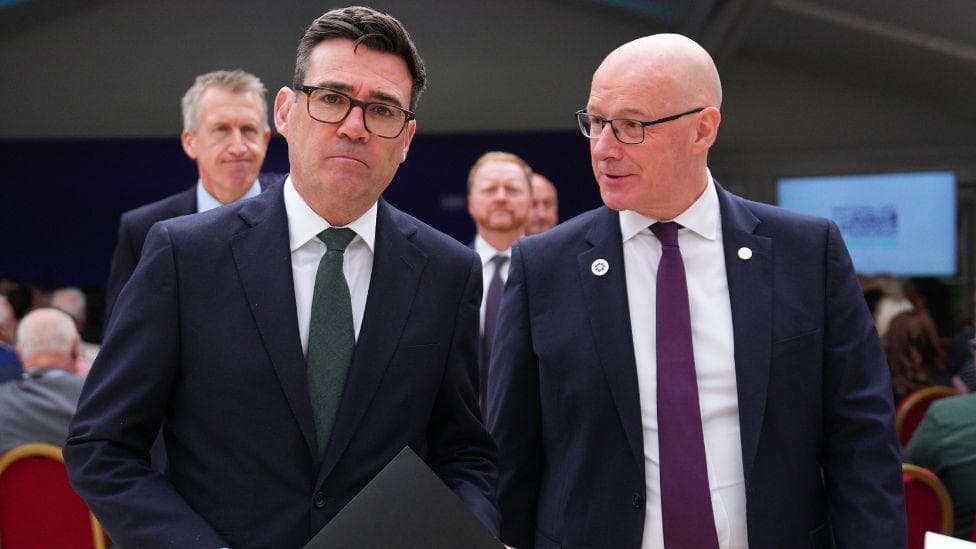
First Minister John Swinney has announced an independent review into the controversial dual role held by Scotland's top law officers, who serve simultaneously as chief prosecutors and government legal advisers.
The lord advocate and solicitor general occupy positions that combine prosecutorial authority with ministerial responsibilities, a structure that has drawn criticism over potential conflicts of interest. The arrangement came under particular scrutiny earlier in 2026 when former Lord Advocate Dorothy Bain briefed Swinney about the criminal prosecution of Peter Murrell, the estranged husband of former First Minister Nicola Sturgeon.
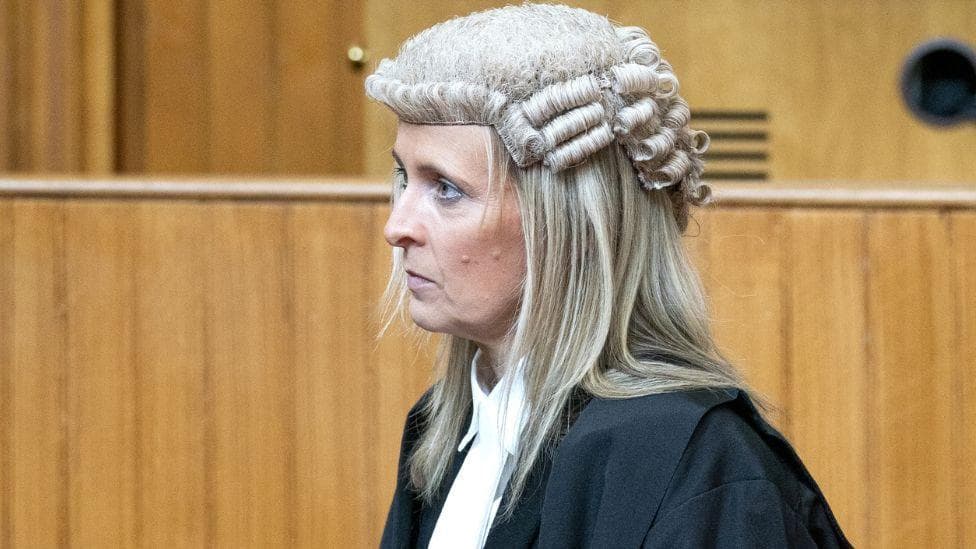
Ruth Charteris KC currently serves as lord advocate, Scotland's chief law officer and head of the prosecution service, while also holding the ministerial post of chief legal adviser to the Scottish government. Brian (BJ) Gill, the solicitor general, supports Charteris in both roles and can deputise during her absence.
Who will lead the review?
Former Lord Advocate Lord Boyd will lead the independent examination. Boyd prosecuted the Lockerbie bombing trial in 2000 and served as a judge for 12 years before his retirement from the bench.
According to reporting on the review's scope, Lord Boyd's remit includes assessing the advantages and disadvantages of the current arrangements, comparing alternative models, and examining the legal, constitutional and practical implications of any changes. He will appoint a reference group and consult with the judiciary, professional bodies and members of the Scottish Parliament.
What concerns have been raised about the dual role?
The combination of prosecutorial and ministerial functions has raised concerns about potential conflicts of interest. The issue became prominent when Bain's briefing to Swinney about Murrell's case drew criticism from opposition politicians, who called for the dual role to be abolished.
The arrangement also faced scrutiny during a Holyrood inquiry into the Scottish government's handling of harassment complaints against former First Minister Alex Salmond. Law officers have consistently maintained their independence from all political considerations, but the structural overlap has prompted calls for reform.
Notably, as recently as March 2026—just two months before the Holyrood election—the Scottish government stated that the dual role remained appropriate and that any changes should be considered by the next administration.
What will the review examine?
Swinney told Parliament that the review would examine whether current arrangements continue to serve modern Scotland effectively.
The current system has ensured that government policy is informed by expert legal advice and guided by the rule of law, while the lord advocate remains directly accountable to parliament for the exercise of her prosecutorial functions. However, no system, however long standing, should be beyond examination.

Lord Boyd stated that the issues under consideration were
of fundamental importance to the administration of justice in Scotland. He added that
any recommendations must safeguard the independence and integrity of the prosecution system, sustain public confidence, strengthen accountability, and ensure that ministers continue to receive high-quality, professional legal advice.
According to the Herald Scotland's coverage, the review will work independently, with the Scottish Government providing only administrative support, and its conclusions will be its own.
What are the legal obstacles to change?
The responsibilities of Scotland's law officers are established in Westminster legislation, meaning any structural change would require approval from the UK Parliament. Swinney indicated he would engage with Labour ministers about the review's findings.
According to reporting on the legislative requirements, separating the law officers' functions would necessitate legislation by the UK Parliament, adding a further layer of complexity to any potential reform.
What is the political response?
Scottish Conservative leader Russell Findlay called for the government to immediately scrap the dual role, telling MSPs:
We really don't need another SNP review.However, Swinney rejected this approach, arguing that policy changes of this magnitude should follow a proper consultative process rather than immediate action.
Swinney said that a public consultation may be required before any changes were implemented, and that both he and Lord Boyd would approach the issues with an open mind regarding whether the role should be modified.
What is the timeline?
The review is scheduled to begin work in the new year and deliver its findings in late 2027. Following publication, ministers will consider the recommendations, and any proposed changes could trigger a public consultation and parliamentary scrutiny.
This review follows an earlier examination of the issue. In March 2026, the Scottish Government published a report by former Scottish Law Commission chief executive Malcolm McMillan that made no recommendation on the optimal model, with ministers stating at that time that existing arrangements should continue pending consideration by a new administration.
Background to the controversy
The dual role controversy intensified when Murrell, who was estranged from Sturgeon, was jailed in June 2026 after admitting to embezzling more than £400,000 from the SNP. The revelation that Bain had briefed Swinney about the prosecution prompted opposition figures to question whether the arrangement created an inappropriate overlap between prosecutorial independence and government influence.
Ruth Charteris, who took office as Lord Advocate in June 2026, has since prioritised protecting women and girls in the justice system. In September 2026, she expressed alarm at a 14% rise in domestic abuse charges, with 34,586 cases reported in 2025–26, and vowed to make tackling abuse a clear priority.