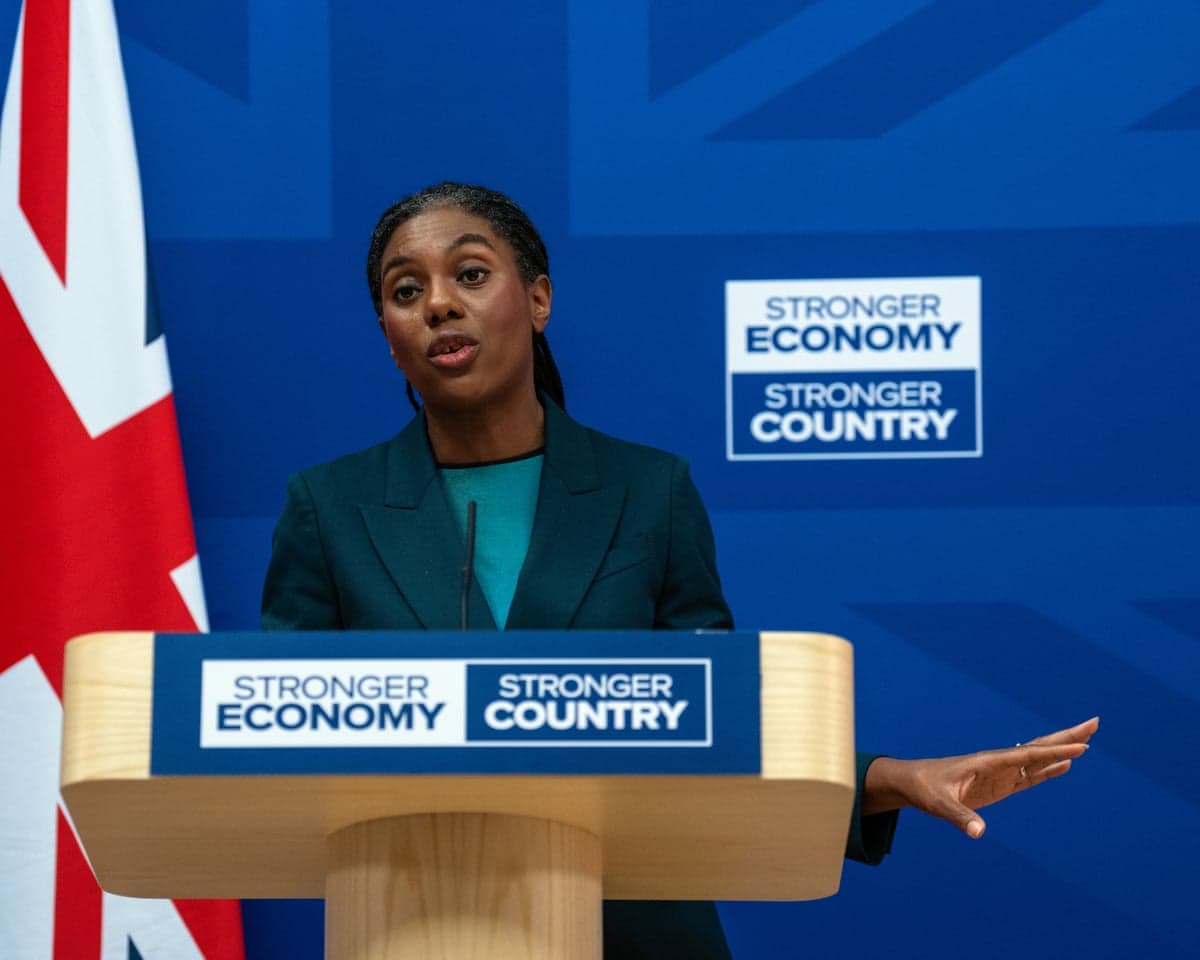
The Conservative leader has accused Reform UK of displaying authoritarian tendencies after the party barred journalists from its conference, arguing that Nigel Farage would use government power to silence critics if elected.
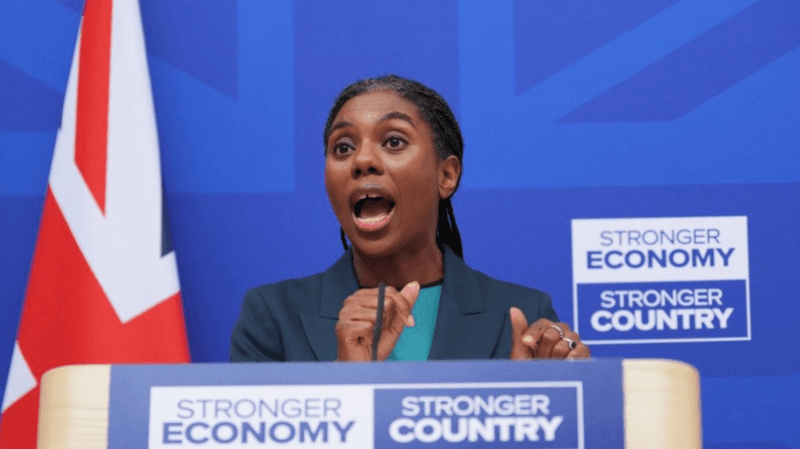
Speaking after delivering a defence policy address in central London on 3 September 2026, Kemi Badenoch responded to questions about Reform's decision to refuse accreditation to multiple journalists attending its national conference in Birmingham. According to reports of the exclusions, the party initially said it had accepted roughly 950 of approximately 1,000 media applications, though at least three journalists were barred, including Anna Isaac, the City editor at a national newspaper.
Isaac had previously reported that Farage had accepted an undeclared £5m gift from crypto billionaire Christopher Harborne. Reform subsequently sent follow-up emails characterising the exclusions as an administrative error before reaffirming the bans, though one account indicated Isaac was offered the option to watch proceedings via livestream.
Badenoch characterised the journalist bans as evidence of how a Reform government would operate.
I think you could … [see] what kind of government they would be – authoritarian and using state power actually to pursue opponents is what they've effectively been threatening.
She highlighted Farage's pattern of personal attacks on media figures and pointed to similar conduct by Zia Yusuf, Reform's home affairs spokesperson, as further indication of the party's approach to press freedom.
We believe in free speech. We believe in a free press. And yes, of course, that might be painful for us as politicians, but public scrutiny is part of the gig. If [Farage] can't handle difficult questions about his dodgy £5m then he shouldn't be a politician.
The National Union of Journalists responded to reports of the conference exclusions, raising concerns about press freedom. Reform declined to provide a specific explanation for why Isaac had been denied accreditation.
This exchange occurred against a backdrop of ongoing scrutiny of Farage's finances. Earlier in July 2026, Farage claimed an 'establishment hit job' after accepting funds from convicted felon George Cottrell amid investigations into undisclosed gifts. In June, Farage had pledged to ban foreign nationals from social housing, requiring relocation within three months or facing deportation, a policy that drew criticism from charities and political opponents.

How would the Conservatives fund increased defence spending?
Badenoch used her speech to outline her party's plan to raise defence spending to 3% of gross domestic product by 2029-30, financed through £10bn in savings drawn primarily from social security budgets. A substantial portion of these savings would come from reducing local housing allowances, which determine the maximum housing benefit available to private tenants in each region. The allowance has been frozen since 2024 and already fails to cover the majority of rents in most areas.
When pressed on whether the projected savings accounted for likely secondary costs—such as increased homelessness leading to emergency accommodation demands on local councils—Badenoch deflected somewhat from a direct answer.
It all needs to be coordinated. What we are doing on defence is very closely linked to welfare. My shadow welfare secretary, Helen Whately, is looking at all of the impacts across the board, because we know that every change does create a new situation.
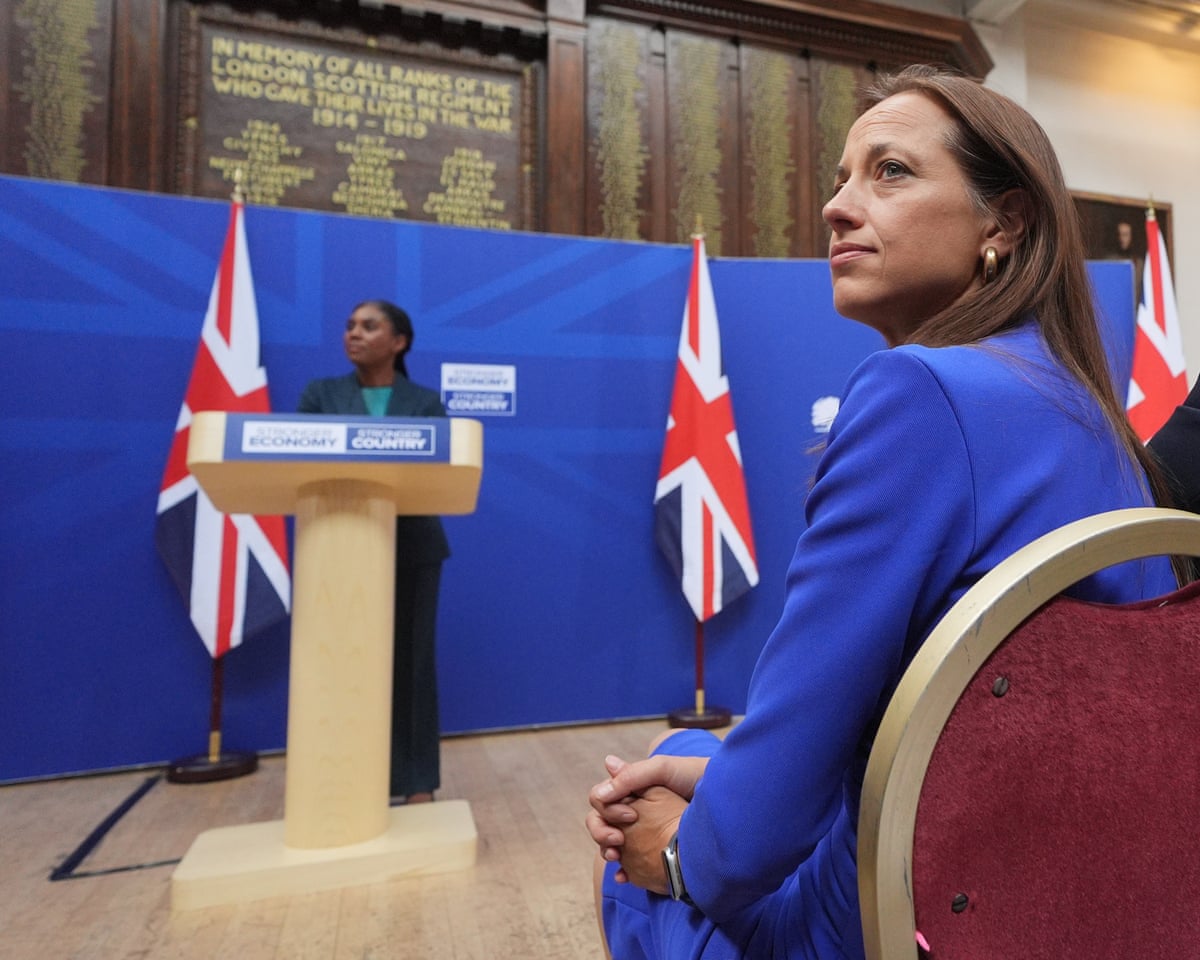
Badenoch stressed the urgency of expanding defence investment given the perceived threat from Russia, noting that other European nations including Poland and Germany were accelerating their military spending.
Like Keir Starmer, Andy Burnham is kicking defence spending into the long grass. I cannot tell you how urgent this is.
The current Labour government, led by Prime Minister Keir Starmer with Andy Burnham as chancellor, has committed to meeting a NATO obligation of 3.5% of GDP on defence by 2035 but has not specified a timeline for reaching 3% of GDP. When Starmer served as defence secretary, John Healey had insisted the 3% threshold should be achieved by 2030, though he abandoned that target after moving to the Treasury under Burnham.
Could the social housing policy repeat the Windrush scandal?
Badenoch rejected comparisons between her party's proposal to bar non-UK nationals from social housing and the Windrush scandal, in which immigration status checks denied services to people who had lived their entire lives in Britain.
I don't think that this is anything like what happened with Windrush, where there were people who had citizenship but couldn't prove it. And there are lessons that have been learned around the administration of those schemes.
The Windrush controversy exposed serious flaws in how the government verified eligibility for public services, resulting in wrongful denials of healthcare, benefits and housing to British citizens and long-term residents. Badenoch's assertion that lessons had been learned suggested the Conservatives believed their proposed checks could be administered without similar errors, though she provided no detail on the safeguards that would prevent such outcomes.
What happens next
Reform UK's national conference was scheduled to begin on 3 September 2026 in Birmingham, the same day Badenoch delivered her defence speech in London. Further detail on the Conservative spending plan is expected when the party holds its own conference later in the autumn. The journalist exclusions and Badenoch's response are likely to intensify debate over press freedom and the conduct of political parties during the campaign period leading toward the next general election.