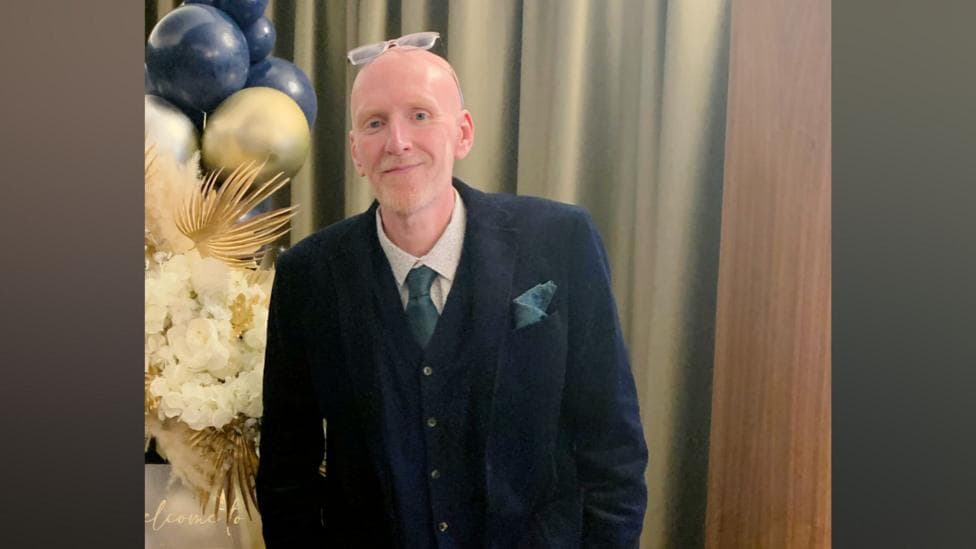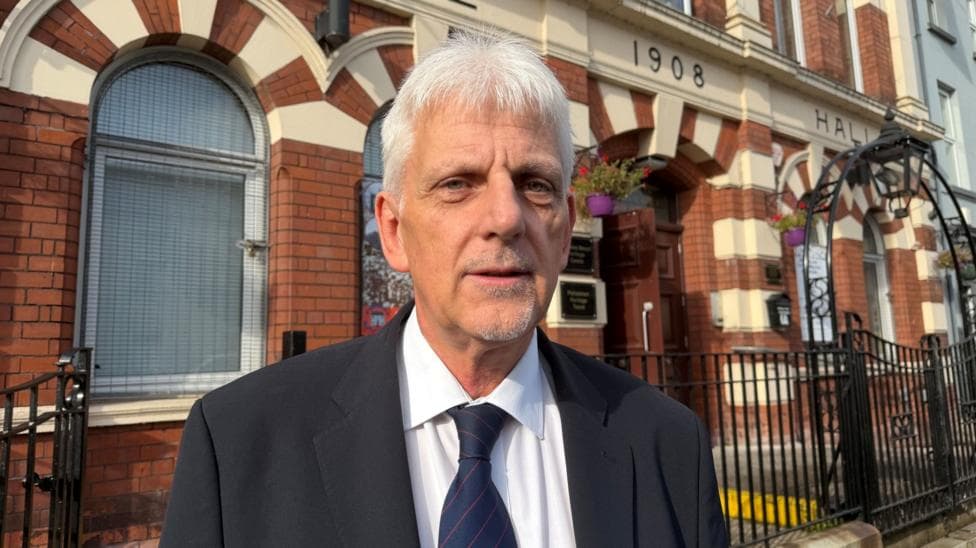
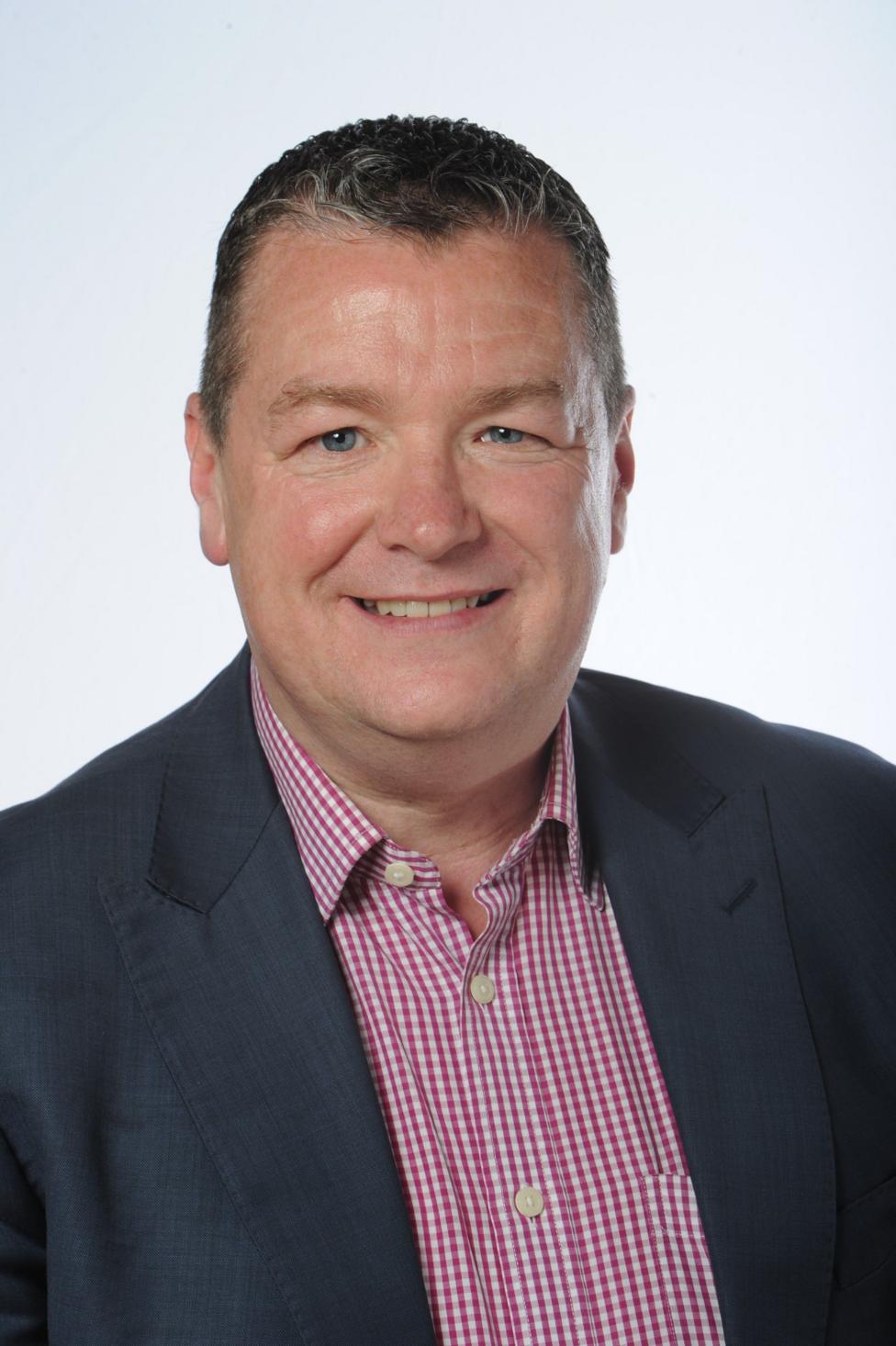
Almost 43% of homelessness applications submitted to Glasgow City Council between April and September 2025 came from people with refugee status or leave to remain, placing acute financial strain on the local authority. The figure has prompted Ricky Bell, the frontrunner to become the council's next leader, to demand that either the Scottish or UK government change legislation or provide substantially more funding to address what he describes as an unfair burden falling on Glasgow's taxpayers.
Bell, currently deputy leader and city treasurer, told a national broadcaster that the council faces an impossible choice:
"The government either needs to change the legislation or fund the outcomes of that legislation, and at the moment we're in the middle of that and they're doing neither."His intervention comes as an independent audit body identified a £110m budget shortfall across the next two financial years, with rising homelessness costs identified as a major contributor to the council's financial crisis.
The scale of the financial exposure is substantial. Glasgow City Council calculated that addressing homelessness applications from refugees cost £38m in 2025-26. Officials have projected this figure will climb to £56m in 2026-27 and £74m in 2027-28 if current trends continue. According to the Glasgow Health and Social Care Partnership's latest evidence, these unfunded pressures represent one of the most significant challenges facing the council.
The underlying issue stems from how asylum policy operates in the UK. Asylum seekers receive support from the Home Office while their claims are being processed. Once they are granted leave to remain and recognised as refugees, they can present themselves as homeless and become the responsibility of the local authority. A recent September 2026 analysis described Glasgow's refugee-linked homelessness pressure as a "breaking point" issue, with the council's finances coming under "severe financial pressure."
Why is Glasgow bearing such a large share?
Bell explained that Glasgow attracts a disproportionate number of asylum seekers and refugees because of its diverse population and established migrant communities. He acknowledged the human logic behind this pattern:
"I understand why a high proportion of applicants choose to live in the city, citing its diverse population and the fact people are drawn to places where there are other members of their community."However, he argued that the financial consequences cannot fall solely on Glasgow residents.
The scale of the concentration is striking. According to reporting from September 2024, Glasgow was hosting 4,075 asylum seekers, including 3,683 receiving housing support and 152 receiving financial support without accommodation. The council had warned in 2025 that Glasgow was operating at "400% above the dispersal plan," meaning far more asylum seekers were being housed there than under the UK's intended national distribution system.
Bell called for policy changes to address this concentration.
"Glasgow is carrying the burden for the whole of Scotland and that can't be right. It can't fall on the taxpayers of Glasgow to support all of these people across the whole country, so the government needs to look at changing some of its policies."He suggested two potential reforms: allowing housing on a regional basis rather than concentrating people in Glasgow, or changing Scottish policy to prevent asylum seekers from choosing their preferred location after presenting themselves as homeless.
What is the government's response?
Cabinet Secretary for Social Justice and Housing Shirley-Anne Somerville acknowledged the pressures facing Glasgow but emphasised that asylum accommodation is the responsibility of the UK Home Office. She stated:
"Provision of asylum dispersal accommodation is entirely the responsibility of the UK Home Office and people seeking asylum have no right to local authority social housing in Scotland until they have been granted leave to remain and are recognised as refugees. We are aware of the acute pressures facing Glasgow City Council, as a result of the UK Government's mismanagement of asylum policy and we continue to support the council with these pressures."

In May, the current council leader Susan Aitken wrote to Jenny Gilruth, then newly appointed as deputy first minister, seeking urgent support. Aitken described the situation as
"not only the most pressing and urgent issue facing the city of Glasgow, but also one of the most challenging public finance issues for Scotland as a whole: that is homelessness, and specifically refugee homelessness. This is an issue that is not of Glasgow's making and which is significantly beyond our control, but which poses an immediate and untenable threat to financial sustainability, public services and community cohesion in our city."
Bell reported that the Scottish government has now committed to making a "meaningful contribution" to help address the crisis, but the council is still negotiating what that pledge means in financial terms.
"We are now in very close discussions with the government about what 'meaningful' means, so we can actually tie that down to pounds and pence contribution to it."
How did Glasgow reach this point?
The crisis has roots in decisions made by the UK Home Office. In 2023, Glasgow City Council warned of an "unprecedented" rise in homelessness applications linked to the Home Office clearing a backlog of people awaiting asylum decisions. The council's own modelling suggested that successful asylum claims could require about 1,400 people to need housing help and roughly 1,100 additional properties. A council paper noted that the UK Government's streamlined asylum process contributed to rising homelessness demand in both domestic and refugee populations.
Bell emphasised that the UK government bears responsibility for the situation.
"They are responsible for asylum seekers and they are the ones who have quite openly said they are trying to reduce their costs - the government pays for their support for these people until they get a decision to stay."By accelerating asylum decisions, the Home Office has transferred costs and responsibility to local authorities at the moment claims are approved.
What other challenges does the council face?
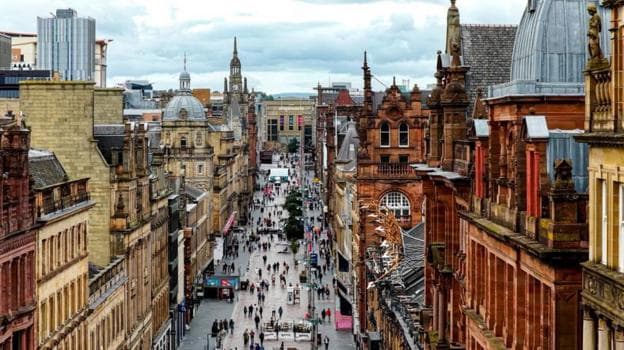
Bell acknowledged broader concerns about Glasgow's city centre, citing issues around visible drug dealing, antisocial behaviour, and public perceptions of safety. He said he had witnessed these problems firsthand while walking through the city centre to City Chambers. If elected leader, he pledged to seek a meeting with the chief constable of Police Scotland to discuss what additional enforcement action the force can take against drug dealing.
Bell also proposed a structural solution to Glasgow's financial pressures: expanding the council's boundaries to incorporate surrounding areas. He suggested that residents of areas like East Renfrewshire, who travel into the city for work and socialising, should contribute to the cost of city infrastructure.
"The smaller surrounding authorities are in a much better position, I think we should put them all back in and have a sort of bigger Glasgow that would allow us to spread some of those costs."
What happens next?
Bell was elected head of the SNP group in May after Susan Aitken announced her intention to step down. The Govan councillor is expected to take over the leadership when a formal vote is held following Aitken's departure. As leader, he will inherit responsibility for negotiating with the Scottish government over the promised "meaningful contribution" and for implementing the council's response to the housing emergency.
Glasgow's housing regulator engagement plan for 2026-27 requires the council to provide updated homelessness-related information and a temporary accommodation strategy by May 2026, with progress updates on the action plan to follow during the year. The council must demonstrate progress on addressing both refugee-related and domestic homelessness pressures while managing its overall budget crisis.
Key Facts
- 43% of Glasgow's homelessness applications between April and September 2025 were from people with refugee status or leave to remain
- Refugee-related homelessness is projected to cost Glasgow £56m in 2026-27 and £74m in 2027-28, up from £38m in 2025-26
- The council faces a £110m budget gap across the next two financial years, with rising homelessness costs identified as a major factor
- Glasgow is hosting approximately 4,075 asylum seekers, operating at 400% above the UK's intended dispersal plan
- Ricky Bell, the incoming council leader, is calling for either legislative change or substantially increased government funding to address the crisis