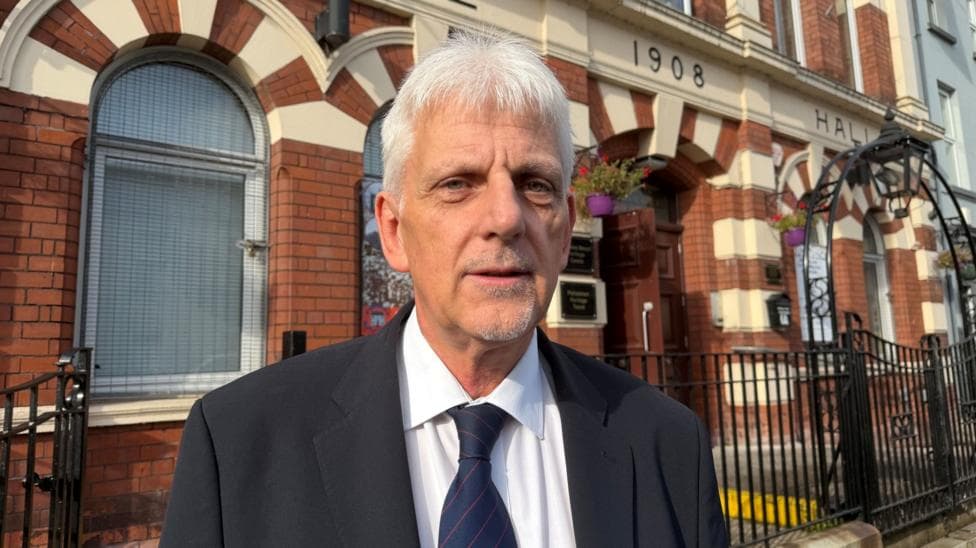
The Orange Order has submitted a new application for a parade at Drumcree following a High Court ruling that quashed the Parades Commission's previous restriction on the route. The organisation announced scaled-back plans at a press conference on Thursday, proposing that only 60 members would march in silence along the predominantly nationalist Garvaghy Road in Portadown on Sunday 27 September.
The fresh submission marks a significant development in one of Northern Ireland's most persistent parading disputes. A Belfast High Court quashed the Parades Commission's 2026 restriction on the Drumcree parade, leaving the commission to reconsider future notifications under the legal framework. However, the High Court did not authorise a march down Garvaghy Road, meaning any parade would still require formal approval from the Parades Commission.
Why has this dispute lasted so long?
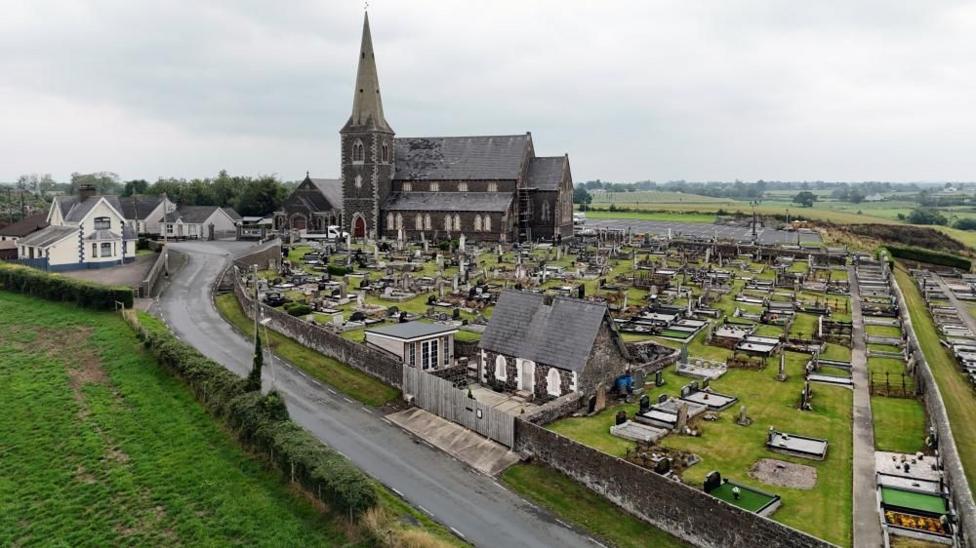
The Garvaghy Road dispute has remained a flashpoint for nearly three decades. Since the late 1990s, the annual Drumcree parade has been barred from the Garvaghy Road by the Parades Commission. The road runs through a predominantly nationalist residential area, and the parade's route has long been contested between the Orange Order and local residents.
In 1998, the Parades Commission made its initial determination that the Orange Order should not march down the road on the final leg of its annual procession from Drumcree Church. This decision ultimately triggered decades of confrontation, with stand-offs continuing in subsequent years as members of the Order walked to police barricades in protest at the restrictions. Residents living along the Garvaghy Road also held counter-protests. The disputes sparked some of the most serious public disorder in Northern Ireland's history.
The Parades Commission itself was established in 1998 in direct response to the Drumcree conflict, tasked with mediating contentious parade notifications across Northern Ireland.
What prompted the court challenge?
The High Court ruling that overturned the Parades Commission's decision identified a procedural flaw in how the determination was issued. The court found that not all six commissioners had signed off on the final determination before it was released, undermining the legitimacy of the ban.
This judgment triggered significant institutional upheaval. One of the six Parades Commission members, Billy Gamble, resigned following the High Court decision. The ruling has also prompted broader questions about the commission's credibility and decision-making processes.

At the press conference held at Carleton Street Orange Hall in Portadown, district master Nigel Dawson challenged the Parades Commission's authority to make the final determination on the new submission.
You have no credibility, he stated, reflecting the Orange Order's view that the commission's institutional standing has been damaged by the court judgment.
What are the proposed parade arrangements?
The Orange Order's new application represents a significantly reduced proposal compared to previous years. The organisation is seeking permission for 60 members to march along Garvaghy Road in silence on 27 September. This scaled-back approach contrasts sharply with the scale of earlier Drumcree parades and reflects an attempt to address community concerns.
Jim Allister, leader of the Traditional Unionist Voice, characterised the proposed arrangements as
very modest, very generous, very neighbourly. Democratic Unionist MP Carla Lockhart, her party colleague Jonathan Buckley, and loyalist activist Jamie Bryson, who serves as one of the Orange Order's legal advisers, attended the announcement.
What is the political response?
Opposition leaders have expressed concern about the renewed attempt to revive the dispute. Matthew O'Toole, leader of the opposition, told Good Morning Ulster that the application represented an attempt to
revive a long dormant dispute over a parade. He characterised the move as
deeply irresponsible and concerning not just for the community in Portadown but for most people in Northern Ireland who want to have a shared peaceful and respectful future, this is an example of division from the past.
O'Toole further argued that
I don't think this is an example of someone trying to find a mediated or shared approach I think its about trying to create divisions and spectacle.
The government has also signalled its concern about the institutional crisis at the Parades Commission. Northern Ireland Secretary of State Sir Chris Bryant has ordered an independent review of the Parades Commission rather than accepting calls from the Orange Order and unionist politicians to remove its leadership following the court ruling.
What happens next?
The Orange Order's fresh application will now be considered by the Parades Commission. An immediate decision is not expected. Any new Drumcree march can only proceed if the Parades Commission issues a new determination approving the route. The commission has stated that the High Court ruling does not affect its future parade or protest decisions, though it must now reconsider the Drumcree notification under the legal framework established by the court judgment.
The Northern Ireland secretary is considering correspondence from the Parades Commission over the Drumcree issue as part of the broader review process.
Key Facts
- The Orange Order proposes a 60-member silent march along Garvaghy Road on 27 September following a High Court quashing of the previous ban
- A procedural flaw in the Parades Commission's decision-making process led to the court ruling, prompting one commissioner's resignation
- The Parades Commission has banned the Drumcree parade from Garvaghy Road in every determination since 1998
- The dispute has been a source of significant public disorder and community tension for nearly three decades
- An independent review of the Parades Commission has been ordered by the Northern Ireland Secretary of State