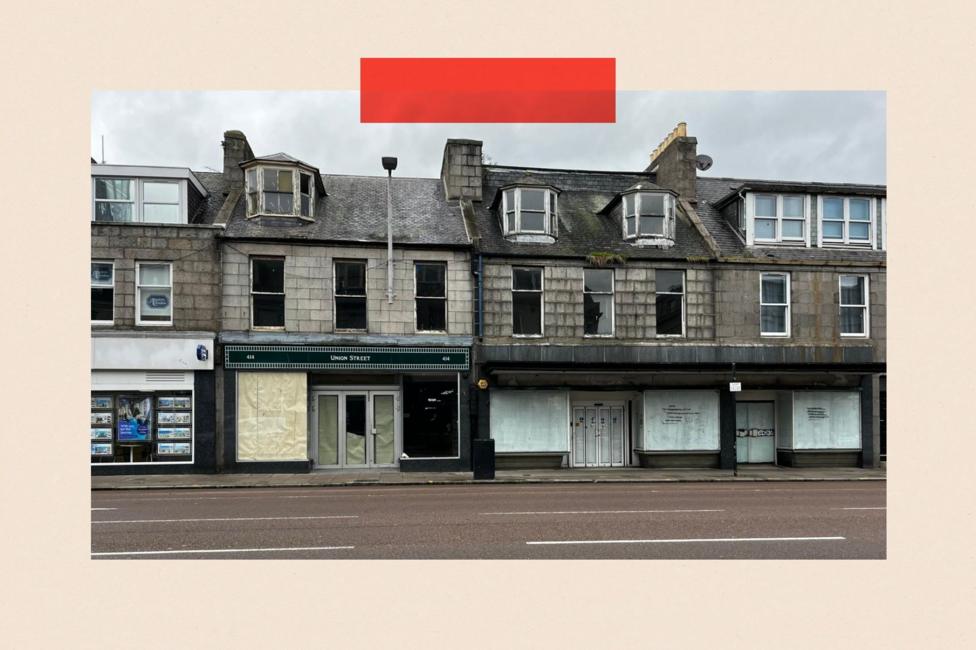
The vacant building that once housed the flagship Marks & Spencer store dominates the view as visitors step off the train into Aberdeen's city centre. The signage has been removed, though the outline of the lettering remains visible on the facade; windows are painted black and doors are sealed shut.
This port city in north-east Scotland is my hometown. During my teenage years, I frequented Union Street, the main shopping thoroughfare known locally as the Granite Mile because of the distinctive silver-grey stone used in its Victorian architecture. The street was then a destination for fashion-conscious shoppers seeking the latest styles from retailers like Clockhouse and Chelsea Girl.
Shoppers once travelled from across the region to visit Union Street. Today, the street bears the scars of decades of retail decline, with empty storefronts creating a dispiriting landscape.
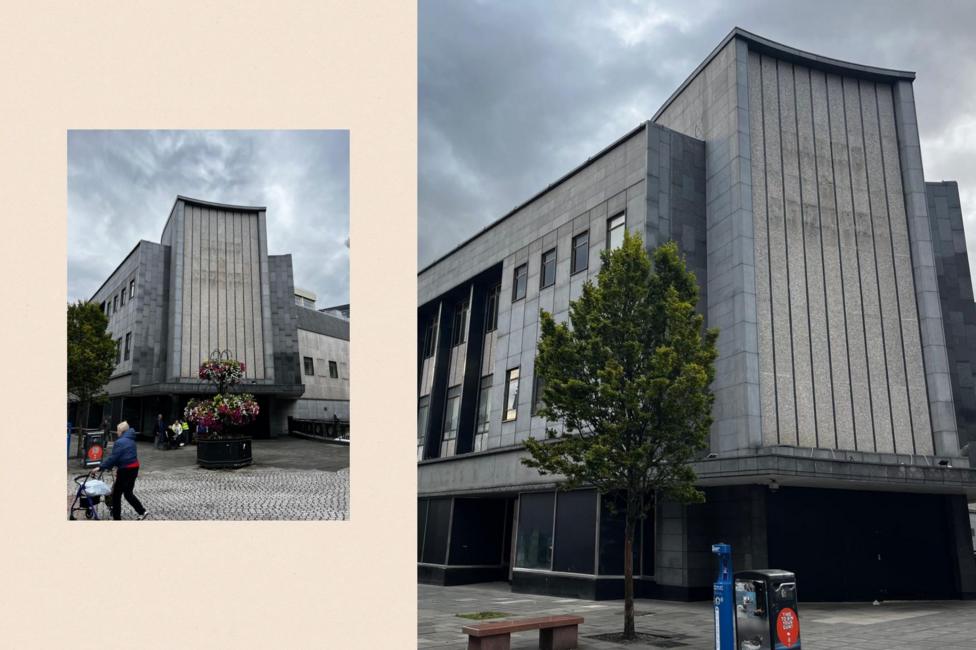
I come to Union Street to take a bus somewhere else... there's nothing to shop for now… it's horrendous, says Marie Sim, who has lived in Aberdeen her entire life.
This pattern repeats across the United Kingdom. High Streets that once thrived with independent and chain retailers have been hollowed out first by the expansion of out-of-town shopping centres and subsequently by the rise of e-commerce. Yet Aberdeen is undertaking an unusually comprehensive and hands-on regeneration effort. The city has essentially mobilised against its empty shop crisis, adopting direct intervention to occupy vacant units and activate long-disused upper storeys of historic buildings.
Simultaneously, the local authority is investing tens of millions to reposition the city centre as a destination. Like many other communities, Aberdeen is embracing the "experience economy", developing a new indoor food and drink market and undertaking substantial seafront redevelopment.
Town and city centres hold profound significance for how residents perceive their communities. Boarded-up shops and visible decay create a self-reinforcing negative cycle: fewer shoppers visit, investors become reluctant to commit capital, and anti-social behaviour increases. Politicians across the spectrum have pursued various strategies to revitalise town centres for years, with Andy Burnham, the Mayor of Greater Manchester, recently positioning "place" as central to his political agenda. He contends that town centres should become "symbols of Britain's renaissance".
The question remains: can this transformation be achieved? And if town centres are to endure, do they require a fundamental reimagining of their purpose?
How severe is the vacancy crisis?
According to Green Street, a property and retail analytics firm, one in eight commercial properties on British High Streets currently stand empty—a figure that has remained stubbornly elevated for years.
If there was a silver bullet, it would have been fired years ago, observes Jackie Sadek, a former government adviser on urban regeneration who has devoted nearly four decades to town centre renewal projects.
Fragmented ownership represents one of the most significant obstacles to revival. Retail units and buildings are frequently owned by numerous different landlords, sometimes through opaque offshore structures or intricate corporate arrangements, each pursuing distinct commercial interests. This fragmentation slows decision-making and complicates large-scale coordinated regeneration efforts.
Even when vacant units become available, attracting tenants willing to occupy them remains challenging. Many properties are outdated and require substantial modernisation investment. Operating costs for High Street businesses have increased substantially, driven by higher employment expenses and the burden of business rates levied on commercial properties.
Retailers require customers, yet foot traffic on many High Streets has experienced prolonged decline as shopping and services have migrated online. This fundamental structural shift in consumer behaviour continues to unfold. According to a survey by Revo, the retail industry body, and Lambert Smith Hampton, a real estate consultancy, two-thirds of town centre specialists believe British High Streets contain between 20 and 40 percent excess retail space.
How is Aberdeen tackling the problem?
During Aberdeen's prosperous North Sea oil era, spanning from the late 1970s through the early 2010s, the city required minimal effort to fill hotels, restaurants and generate commercial activity, sustained by the wealth flowing from the energy sector. I recall teenage weekends with friends, spending whatever money we possessed in fashion chains and shoe retailers. Later came evenings in pubs and bars, and visits to the art deco Capitol Theatre—now converted to office space—where I attended concerts including Duran Duran.
By the conclusion of 2022, Union Street had reached its nadir. Aberdonians had long abandoned the High Street in favour of a shopping centre that opened in 2009 adjacent to the railway station.
They'd fallen out of love with their city, explains Bob Keiller, who leads the Our Union Street coalition, a community-driven organisation established following an emergency summit convened to reverse the decline.
The coalition's initial step involved consulting residents about their aspirations, gathering thousands of submissions. Restoring civic pride and filling vacant units emerged as the central priorities.
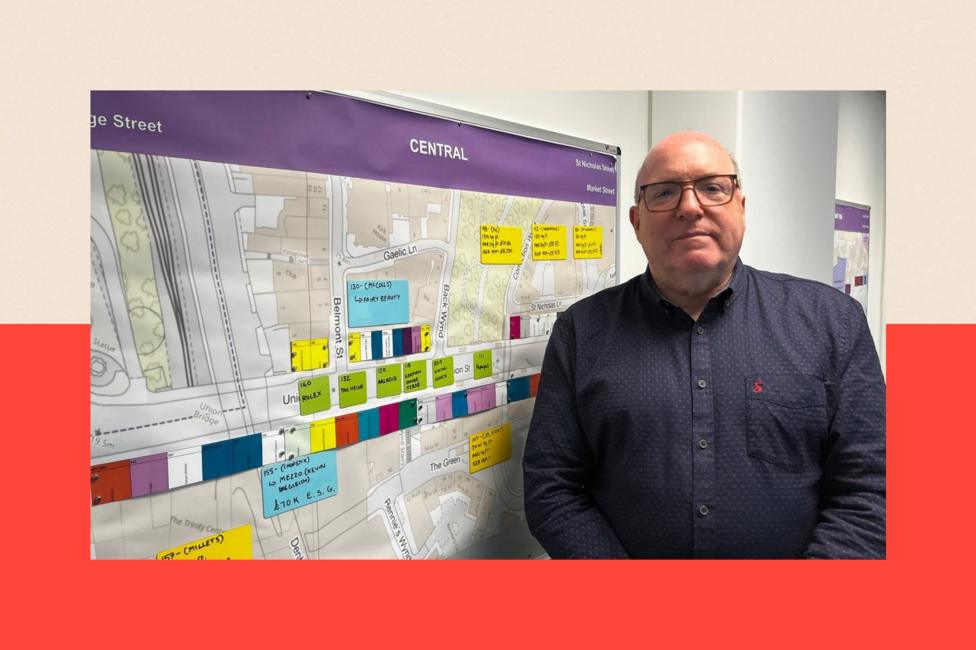
The effort has been coordinated across multiple stakeholders—letting agents, the council, property owners, businesses and a substantial volunteer workforce led by Keiller, a former chief executive of an FTSE 100 company who volunteers without compensation. Keiller maintains a detailed wall map in his office tracking the status of every property, with colour-coded Post-it notes indicating the condition of each unit.
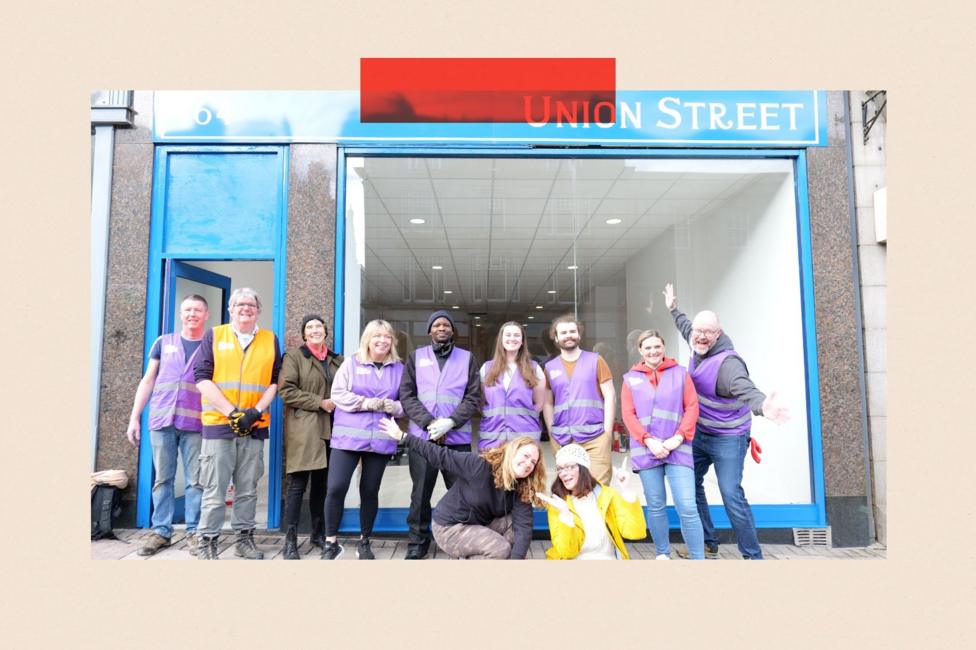
The team conducted a comprehensive audit of the street, identifying absent landlords and documenting which properties were empty and why. Volunteers offered to clean and paint vacant properties to enhance their appeal to prospective tenants. They also improved the streetscape itself, removing litter, weeding and repainting street furniture. A dedicated team continues this maintenance work fortnightly.
A dedicated website aggregates all available properties; crucially, it also displays all available financial incentives. These include council fit-out grants—funding provided to new businesses for premises decoration—and two-year reductions in business rates.
In 2023, 57 of the 198 units on Union Street were vacant. As of the present date, 33 have been occupied, with a further 14 in active lease negotiations. However, the process resembles an endless cycle because since the initiative commenced, an additional 20 units have become vacant.
The key thing is, we're filling quicker than emptying, Keiller maintains.
David McKeith, Keiller's operations director, characterises the approach as providing support to those who can be assisted while being persistently persuasive with those who resist. At one section of the office, a small young team generates social media content, directing visitors and residents to a new Our Aberdeen app showcasing the city's offerings.
For Keiller, seemingly minor victories—such as eliminating graffiti—are essential for shifting public perception.
We've realised the psychology is not to do it once but be prepared to do it two or three times before people that do these things eventually say, 'there's no point in putting it there because somebody's going to paint over it.'
According to the Scottish Government, the Our Union Street project has received an additional £600,000 in funding, bringing the government's total contribution to £1 million, demonstrating sustained public sector commitment to the regeneration effort.

What about the upper floors?
Attention is increasingly directed toward the frequently overlooked upper storeys of buildings along Union Street. In a separate initiative, specialists are examining these vacant high-level spaces to identify obstacles preventing their reactivation.
Aberdeen engaged Iain Nicholson, a High Street specialist who operates the Vacant Shops Academy and has consulted with dozens of towns and cities. From his audit of more than 1,000 empty units nationally, he discovered that on average more than half lacked an active letting agent marketing the property. He notes that some councils lack even basic information about who owns vacant properties.
Empty retail units cannot be filled by market forces alone, Nicholson argues. Towns and cities must actively encourage a diverse range of occupiers, encompassing arts, culture, leisure, health and wellbeing activities.
He identifies Aberdeen's coordinated approach as distinctive, noting that stakeholders
rolled up their sleevesand overcame differences—
that's not something you can yet say about everywhere.
A significant new development is underway on Union Street's upper floors. According to local reporting, a co-working hub called Union Worx is being created through a £250,000 transformation project, converting previously unused upper-storey space into modern office facilities for remote workers and small businesses.
What can other places learn?
Each town and city confronts a distinct combination of challenges. Nicholson also consulted on regeneration in Crewe, Cheshire. As a smaller location than Aberdeen, Crewe is concentrating on arts, culture and community initiatives, including a women's centre that opened recently.
English councils are being encouraged to adopt more interventionist approaches. They now possess the authority to compel owners of commercial units vacant for at least one year to offer them to tenants through a High Street Rental Auction, even if the landlord prefers not to lease the property.
Though still in early stages, the mere prospect of losing control over a property is producing tangible results. Bassetlaw Council in Nottinghamshire, an early adopter of this scheme, reports that more than 30 shops across the district have been let or are currently under offer as a result of the policy.
However, occupying empty units addresses only part of the challenge. The more fundamental question concerns what town and city centres should actually provide.
Shifting consumer patterns mean fewer shops will be needed. Instead, town centres will require greater residential and working populations, combined with services that cannot be delivered online. With an ageing population, for instance, locating NHS health centres within town centres could represent a significant opportunity.
In Aberdeen, the former BHS building—a department store that closed in 2016—is being converted into an entrance plaza for the new food and drink market. According to the Generation Aberdeen masterplan, the new market will be called Flint and will feature multiple food and drink outlets.
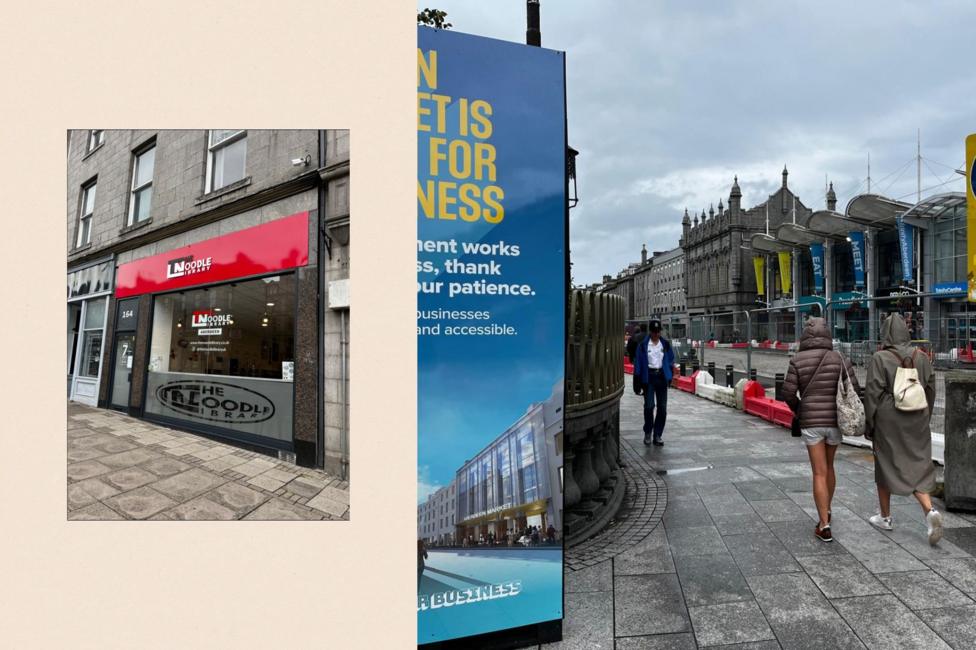
Union Street's physical appearance is undergoing transformation. Like many Victorian shopping streets, it was originally designed with wide roads—likely to accommodate horse-drawn carriages. Currently, sections of the pavements are being widened to create a more inviting environment for pedestrians, though many Aberdonians express frustration about the ongoing disruption and new traffic restrictions.
What are the financial barriers?
Funding represents a substantial obstacle. Aberdeen's new indoor food and drink market carries a £40 million price tag, financed through council resources and the UK Levelling Up Fund. In other locations, regeneration schemes struggle because redevelopment costs exceed anticipated financial returns, necessitating public sector investment. Economic conditions are becoming increasingly challenging.
Higher interest rates, rising costs of construction and other issues are impacting the viability and delivery of new housing and big redevelopment projects, explains Steve Norris, a director at Lambert Smith Hampton. He emphasises that major projects typically require funding from both public and private sources.
Norris advocates for
more creative ways of fundingtown centre regeneration. Part of Burnham's strategy involves granting local leaders increased autonomy to invest in town centres and drive regeneration, building on approaches he has championed in Greater Manchester. However, substantial projects require years to complete.
Making it simpler and more affordable to establish and operate a High Street business represents one of the more immediately achievable solutions, with business rates attracting particular concern. Burnham has pledged further rates reform. Attention is focused on this month's Budget to determine how substantially he will pursue this commitment.
Simon Wolfson, chief executive of Next and a Conservative peer, contends that planning reform, rather than business rates, represents the more significant challenge.
The most important thing that the government can do for high streets is let them develop, he argues.
What signs of progress exist?
Back in Aberdeen, tangible indicators of momentum are emerging. Lauren Reid and her mother Rose relocated their fashion boutique to Union Street in 2024. A council grant supported the refurbishment costs after they decided to take the risk.
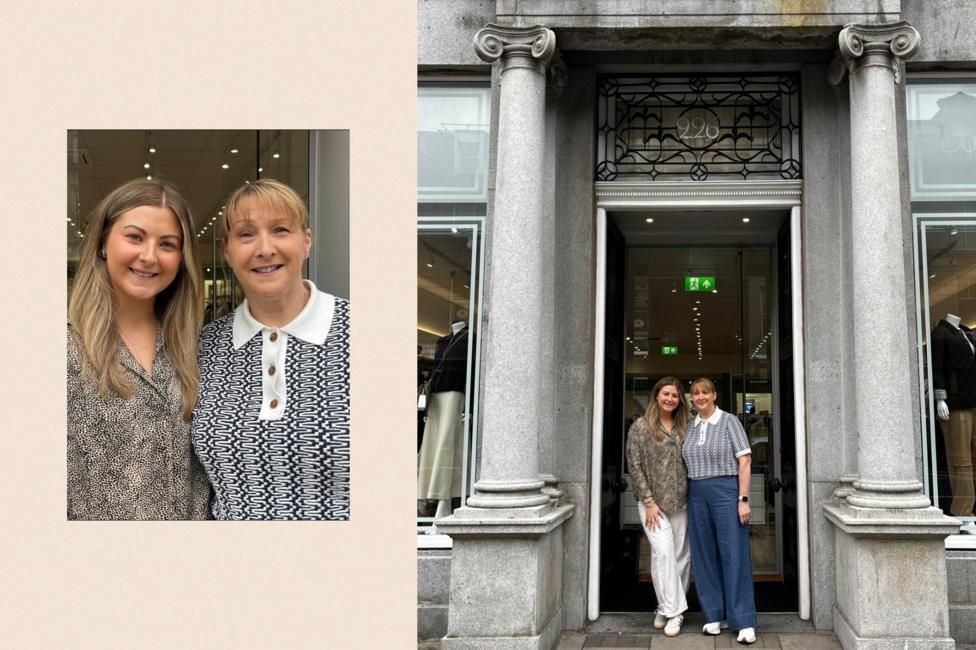
Can they achieve financial viability?
We're getting there, she responds. Regarding her street's prospects, she observes:
I always say Rome wasn't built in a day.
Currently the area resembles an active construction site—but another significant gap will soon be filled. Robert Keane, a local property developer, purchased the Trinity shopping centre in 2023, the space formerly occupied by Debenhams. The location is now scheduled to be occupied by a national leisure brand. A notoriously steep stairway connecting the Trinity to the train station is being replaced by an escalator.
We saw a real good opportunity, because it was dying, he explains. He believes he can make the venture succeed by reducing parking costs and overhead expenses, resetting rental rates and operating with greater agility than previous distant owners. This represents a bold investment given that Lambert Smith Hampton suggests more than one in 10 UK shopping centres faces potential demolition.
Yet he is betting that Aberdeen's dynamics are fundamentally shifting.
I think by 2027 it should look and feel like a different city.
What happens next?
The new market project is progressing toward completion. According to the Aberdeen and Grampian Chamber of Commerce, the market building's base construction is scheduled to finish in spring 2027, with fit-out work expected to conclude in summer 2027 and the market opening planned for early autumn 2027. This timeline represents a significant milestone in Aberdeen's broader city centre transformation.
That is certainly the aspiration. Yet walking along Union Street today, past the boarded-up shopfronts and active construction zones, the city still feels suspended between its industrial past and an uncertain future. The outcome will depend on whether the coordinated effort can sustain momentum, whether new businesses can achieve financial viability, and whether residents genuinely reconnect with their city centre. Aberdeen's experience will offer valuable lessons for other communities attempting similar transformations—demonstrating both what determined community action can accomplish and the substantial challenges that remain.