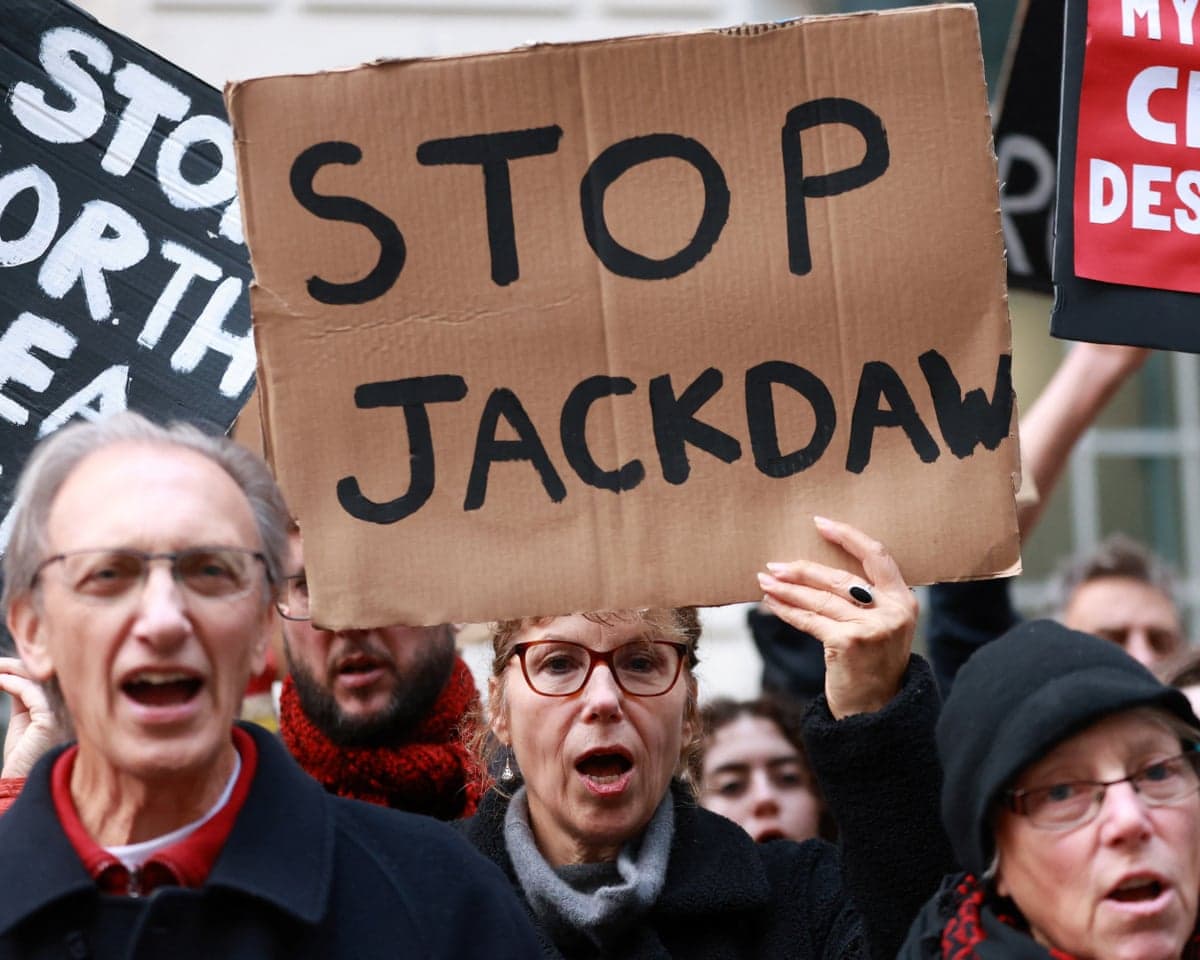
Staff at the University of Aberdeen have voted to support potential strike action in an ongoing dispute over a £10m savings plan that could eliminate more than 100 positions. According to BBC News, members of the University and College Union (UCU) are now authorised to take industrial action after negotiations with the institution broke down last month.
The ballot, announced on 16 February 2026, saw strong support for action: the UCU reported that 83% of those voting backed strikes, with 90% supporting action short of a strike. The turnout was 60%, according to the union.
The dispute stems from the university's decision earlier this year to implement a cost-reduction programme aimed at achieving financial break-even by 2028. The institution reopened a voluntary severance and early retirement scheme and asked departments to identify additional savings measures. However, more than 40 staff had already left through voluntary severance or retirement, while management has not ruled out compulsory redundancies.
What triggered the breakdown in talks?
Negotiations between the UCU and the university collapsed last month after a senior trade union official was dismissed. The union said the staff member's dismissal required a proportionate response and subsequently withdrew from ongoing negotiations. The university had previously expressed disappointment at the breakdown in discussions.
The dispute extends beyond job losses. The UCU has also raised concerns about a freeze on academic promotions and claimed that management had not meaningfully engaged with the union over the restructuring plan.
What forms could industrial action take?
Members have authorised two levels of action. Strike action remains an option, but the union is also empowered to pursue action short of a strike, which could include a marking and assessment boycott, working to contract, declining to cover for absent colleagues, and refusing voluntary activities.
What is the broader context?
The University of Aberdeen is not alone in facing financial pressures. Universities across Scotland are implementing cost-cutting programmes. The University of Edinburgh announced plans to seek £140m in cuts to address financial difficulties in February last year. The Scottish government provided the University of Dundee with £40m of emergency funding to help it through a financial crisis. Strikes over cost-cutting have also occurred at Heriot-Watt University in Edinburgh, while Strathclyde University announced plans to cut 70 jobs in December.
This is not the first time staff at Aberdeen have mobilised over job cuts. Staff already took strike action earlier this year in response to the proposed redundancies. In spring 2024, planned strikes were called off after management backed down on compulsory redundancies in the modern languages department.
What happens next?
The ballot result authorises industrial action, but the UCU has indicated that members will decide the next steps. No specific strike date has been announced at this stage.