Labour approves Jackdaw gasfield after months of deliberation
The government has made a decision on one of the most pressing climate and energy supply challenges facing the nation. It has approved the Jackdaw gasfield, located east of Aberdeen in the North Sea. According to The Guardian, the decision comes after months of delay and follows a fresh public consultation that closed in August 2026.
During the 2024 election campaign, Labour pledged not to approve new oil and gas licences for the North Sea, though it committed to allowing existing projects to proceed. Two projects previously approved by the Conservative government—Jackdaw and the Rosebank oilfield—were blocked by the courts, which ordered a reassessment. Labour subsequently decided to treat them as existing projects rather than new ones, though this classification did not guarantee automatic approval.
Energy Secretary Miatta Fahnbulleh agreed to consent on 14 October, and the North Sea Transition Authority formally granted approval on 21 October. The government says Jackdaw gas could begin supplying British homes and businesses from the end of October 2026. The decision reflects a significant shift in the political and public debate over North Sea extraction, driven largely by elevated global energy prices over the past year.
What does the government say about the decision?
Prime Minister Andy Burnham characterised the approval as an example of the "pragmatic approach" he intends to pursue on energy policy. In a statement, he said:
I welcome the energy secretary's decision, which will protect hundreds of jobs and help keep millions of homes warm this winter. At a time when people are really struggling, it's right that we look in a responsible way at maximising the existing energy reserves we have in Britain that could help. We're committed to moving towards renewable energy and reaching net zero by 2050. But even on our ambitious climate path, we'll still require oil and gas as part of our energy needs for decades to come. That's why we're taking a pragmatic approach to the North Sea. We're also establishing a new Energy Wealth Fund to invest in renewable energy, support the green transition and help reduce energy bills over the long-term.
According to Reuters, the Energy Wealth Fund is to receive an initial £2 billion to invest in the climate transition. The government estimates that Jackdaw could raise domestic gas production by around 6% at peak, supply gas for up to 11 years and add £2.9 billion to the UK economy, with operator Adura saying peak output could reach 40,000 barrels of oil equivalent per day.
How many jobs will the project create?
The government has acknowledged that employment gains from Jackdaw will be modest. According to official documents, the developer estimates that Jackdaw will create 27 new direct jobs and safeguard 273 existing jobs that would otherwise be lost. Over its lifetime, Jackdaw is estimated to produce gas with an energy equivalent to around 40 million barrels of oil.
What are the environmental concerns?
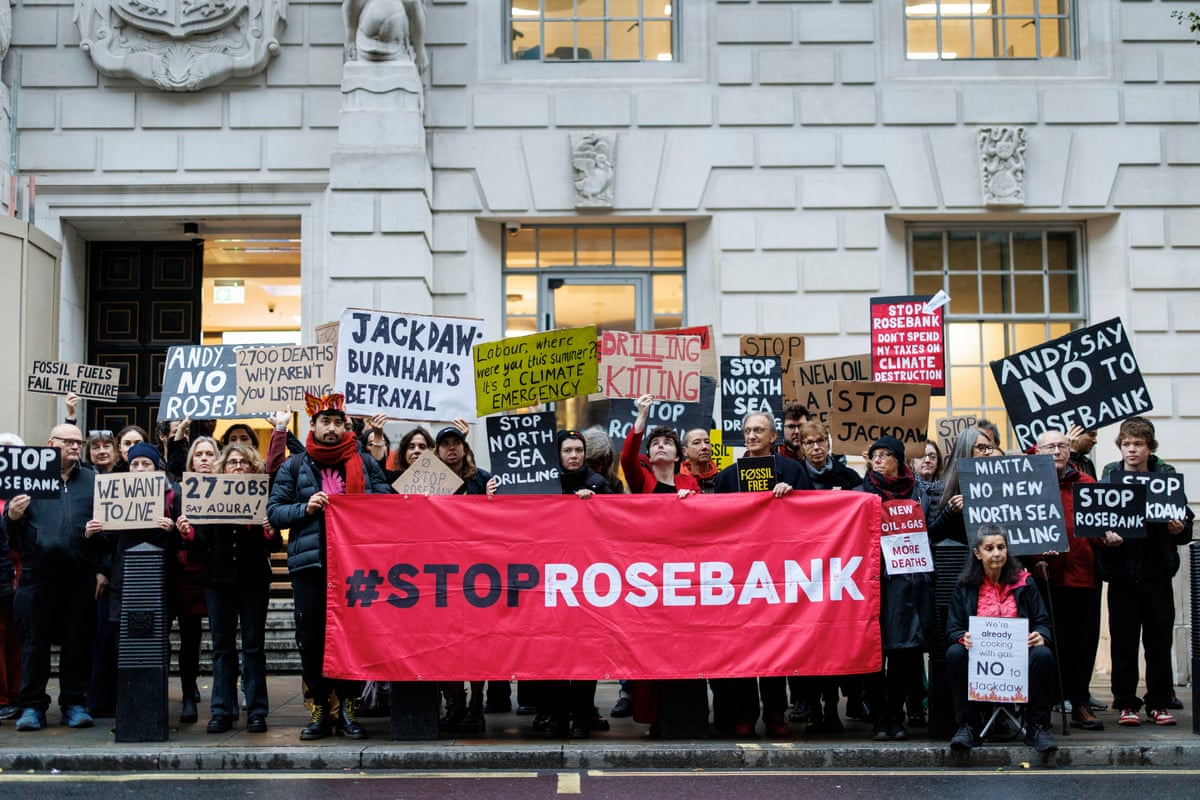
Green Party leader Zack Polanski has strongly condemned the decision, describing it as a betrayal of climate commitments. He said:
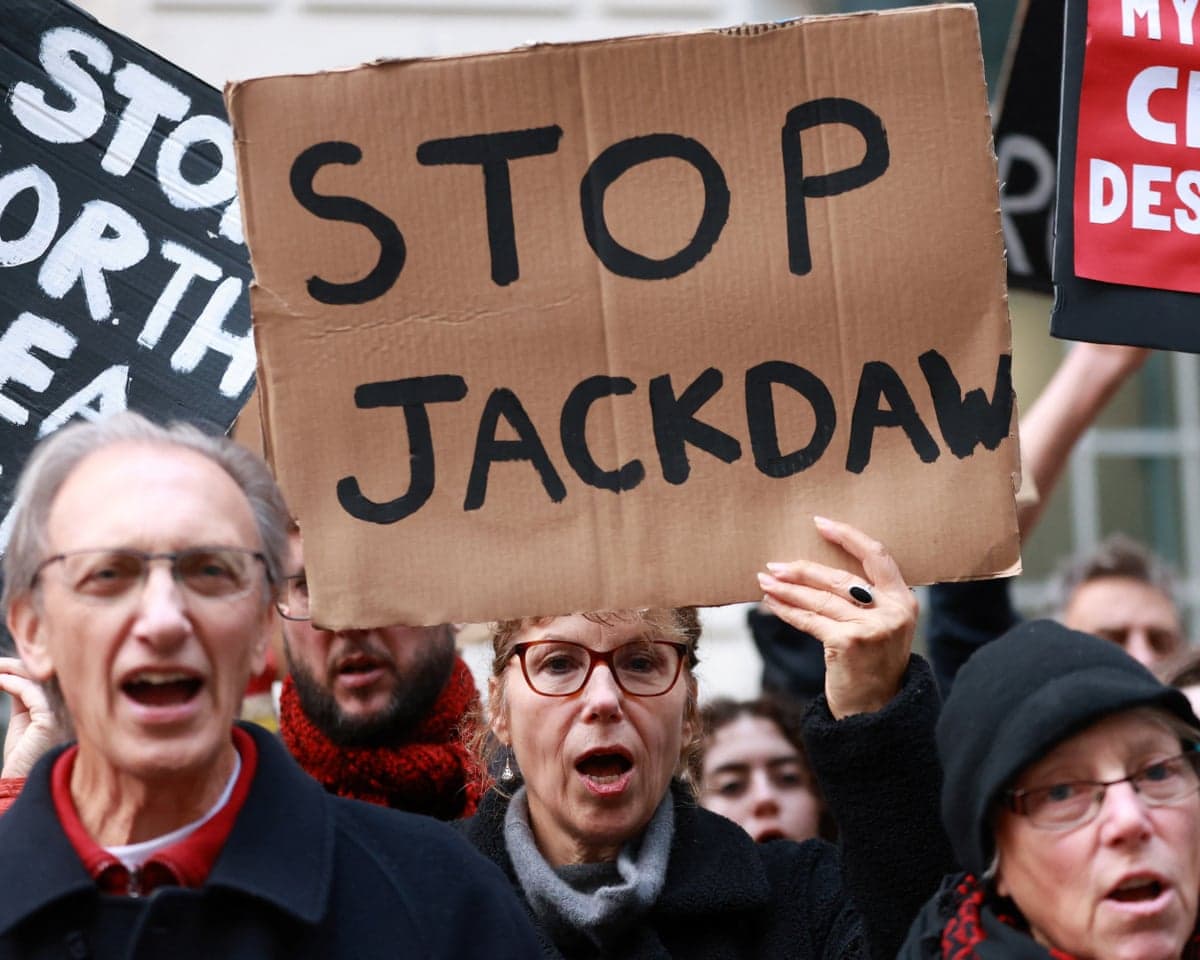
This is climate vandalism. Today's decision by Labour is a betrayal of all of our futures, Labour has abandoned all credibility in the fight against climate change. The energy secretary has herself said it will make no difference to energy bills; the health secretary has admitted the summer heatwave added to pressure on the NHS, and the industry's own assessment is that it will create only 27 jobs. This is a victory for Shell over the people.
Greenpeace UK's Ami McCarthy called the approval evidence of the "toxic grip fossil fuel lobbyists still hold over our energy policy." Scientists consulted by the Science Media Centre offered mixed assessments. Richard Sulley, senior research fellow in sustainability policy at the University of Sheffield's Grantham Centre for Sustainable Futures, argued:
Why approve the Jackdaw gas field? It makes no sense economically, it will create only 27 jobs, and some modest tax receipts for the exchequer. Environmentally if it displaces imported LNG it will reduce emissions marginally, but if it displaces Norwegian gas they will be worse. It will do nothing for the cost of living, the volume extracted will be too small to have a material impact on the global markets. There's no energy security benefit, it in fact keeps UK industries and consumers exposed to the international markets that set prices and the wills of foreign governments who can control the flow of resources.
However, Prof Jon Gluyas, emeritus chair in geoenergy carbon capture and storage at Durham University, offered a more favourable view:
Development of Jackdaw will improve UK energy security and reduce the UK's emissions because it will displace imported LNG, some of which has emissions as high as burning coal.
How has the political response divided?
While some Labour figures have expressed alarm at the decision, there has been minimal public criticism from the party's MPs so far. The Conservative and Liberal Democrat parties have signalled support for Jackdaw's approval. The Green Party, by contrast, has mounted the strongest opposition.
Conservative leader Kemi Badenoch criticised the government's handling of the approval process, saying:
Finally. Labour spent 2 years faffing about to make a decision which Conservatives had already approved 2 years ago. If they'd done this in the summer we'd have had that gas heating British homes this Christmas. An unnecessary waste of time and money by a party that puts its own interest above the country's.
Scotland's Energy Minister Stephen Gethins welcomed the decision, noting that the approval process took longer than expected because of the court challenge but that it would provide greater certainty for the sector.
What about the Rosebank decision?
The government still faces a more contentious decision regarding the Rosebank oilfield. That project presents a significantly tougher political and environmental challenge because its carbon emissions are substantially higher than Jackdaw's, making the environmental case against it considerably stronger. The Rosebank decision is expected to prove far more divisive within government and among the public.
What happens next?
With approval granted, the Jackdaw project can now proceed. Gas supply is expected to commence by the end of October 2026, allowing the field to begin contributing to British energy supplies within weeks. The decision concludes a lengthy approval process that began when the Conservative government initially approved the project, only for courts to order a reassessment following Labour's election victory.
Parliamentary business on the day of approval
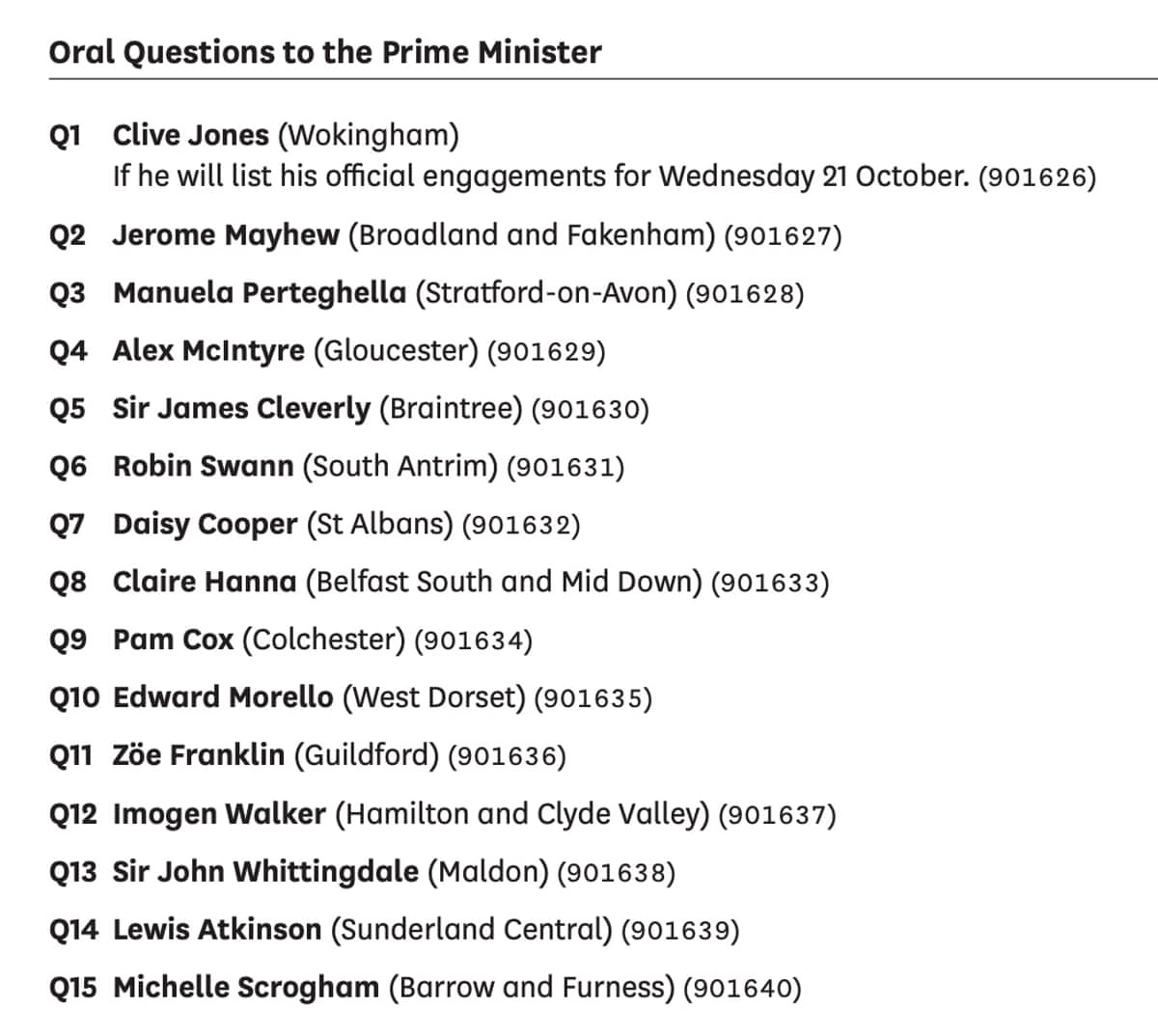
The approval triggered significant parliamentary activity. Douglas Alexander, the Scottish secretary, visited a gas terminal in Peterhead to promote the Jackdaw decision. Energy Minister Michael Shanks delivered a statement to MPs about the approval. Prime Minister Andy Burnham faced questions at Prime Minister's Questions, where the decision featured prominently in exchanges with opposition leaders.
Other government business
Beyond the Jackdaw announcement, the government launched a crackdown on "cosmetic cowboys" performing high-risk cosmetic procedures on the high street. Under new rules, treatments involving injecting fillers anywhere other than the face, such as liquid Brazilian butt lifts, would be legally defined as cosmetic surgical procedures and could only be performed by qualified medical professionals. Those who flout the rules could face unlimited fines or fixed penalties up to £4,000.
Education Secretary Lucy Powell delivered a statement to Parliament about a review into antisemitism in schools, addressing concerns raised by campaigners and community leaders about discrimination within educational settings.
Migration policy tensions within government
Energy Secretary Miatta Fahnbulleh declined to publicly back Home Secretary Shabana Mahmood's proposal to make some migrant workers wait up to 15 years before they can apply for permanent residency in the UK. When asked directly in interviews whether she supported migrants having to wait 15 years for indefinite leave to remain, Fahnbulleh refused to endorse the plan, instead emphasising the need for an immigration system based on "compassion" and "contribution."
Fahnbulleh, who came to the UK as a child refugee from Liberia, said:
We have got to reform our immigration system, and my view is that we need a system that is based on the principle of compassion, contribution. And so there is a package of reforms. The home secretary has been consulting on this. She's looking at the range of responses, and she will come out with the measures that we take forward. No-one can look at our immigration system – and I say this as someone that came to this country as a refugee – and not believe that it's broken and not believe that we need to fundamentally reform it. But our principles has to be a system where we've got control, but ultimately a system that when people do come to this country, they are able to integrate, they are able to contribute, and that we both respect but also value that contribution.
Mahmood's proposals would require most migrant workers to wait 10 years for indefinite leave to remain, up from the current five years. However, foreign care workers would face a 15-year wait under her plans. Prime Minister Burnham is reportedly considering exempting care workers from the extended qualifying period, though the Home Office has warned that such a move could backfire by triggering an exodus of foreign care workers from their jobs once they gained permanent residence and were no longer bound by visa restrictions.
Key Facts
- The Jackdaw gasfield approval was granted on 21 October 2026 following Energy Secretary Miatta Fahnbulleh's consent on 14 October, with gas supply expected to begin by the end of October 2026.
- The project will create 27 new direct jobs and safeguard 273 existing jobs, while adding an estimated £2.9 billion to the UK economy over its lifetime.
- The government's new Energy Wealth Fund will receive an initial £2 billion to invest in renewable energy and support the climate transition.
- Environmental campaigners and the Green Party have strongly opposed the decision, arguing it undermines climate commitments and will not reduce energy bills, while some scientists argue it could modestly reduce emissions by displacing imported liquefied natural gas.
- The decision follows a lengthy approval process that began with Conservative government approval, was halted by court order, and required a fresh public consultation under Labour that closed in August 2026.