
A proposed 101-acre data centre development between Caernarfon and Y Felinheli in Gwynedd has triggered significant community opposition, with nearly 15,000 people signing a petition against the scheme. Developers argue the facility would generate over 900 construction jobs and 200 permanent positions, but local residents warn the industrial complex would devastate the landscape, create noise pollution, and fundamentally alter the character of the region.
The project, submitted by Buckinghamshire-based Gwelyfenai Limited, would occupy the former Ferodo industrial site at Griffiths Crossing. A spokesperson for Canolfan Ddata Menai stated the development would
transform and revitalise the long-derelictlocation and deliver substantial employment opportunities. The planning application, referenced as C25/0740/20/EIA, remains under public consultation until 17 October 2026.
Data centres are facilities housing powerful computing equipment that underpins digital services ranging from online banking to video streaming. The UK government designates them as critical national infrastructure, and recent parliamentary research indicates that
most jobs in the UKnow depend on their operation. The UK currently ranks as the third-largest nation for data centre capacity globally, behind only the United States and Germany, according to some analyses.
The proposed facility would comprise five main buildings for data storage, with the tallest structure reaching 30 metres (98 feet). Planning documents indicate the electricity connection would be rated at 450 megawatts, reflecting the substantial power demands of modern data infrastructure.
What are the environmental concerns?
Water consumption represents one of the most contentious issues. The environmental statement permits a maximum daily water demand of nearly 12 million litres, though typical operation would require approximately 700,000 litres daily. Developers have clarified that no water would be extracted from the Menai Strait and that any discharge would consist of uncontaminated rainwater collected through the land drainage system. For context, the water industry estimates that data centres across the UK consume approximately 6.6 million litres of water each day—equivalent to the usage of 20,000 average households.
Noise represents another significant concern. Planning documents reference a study projecting that noise would affect residents within a 2.5-mile (4-kilometre) radius of the site. Developers have incorporated noise mitigation measures into the design, and eight hectares of the 101-acre site would be dedicated to biodiversity enhancement.
How are local residents responding?
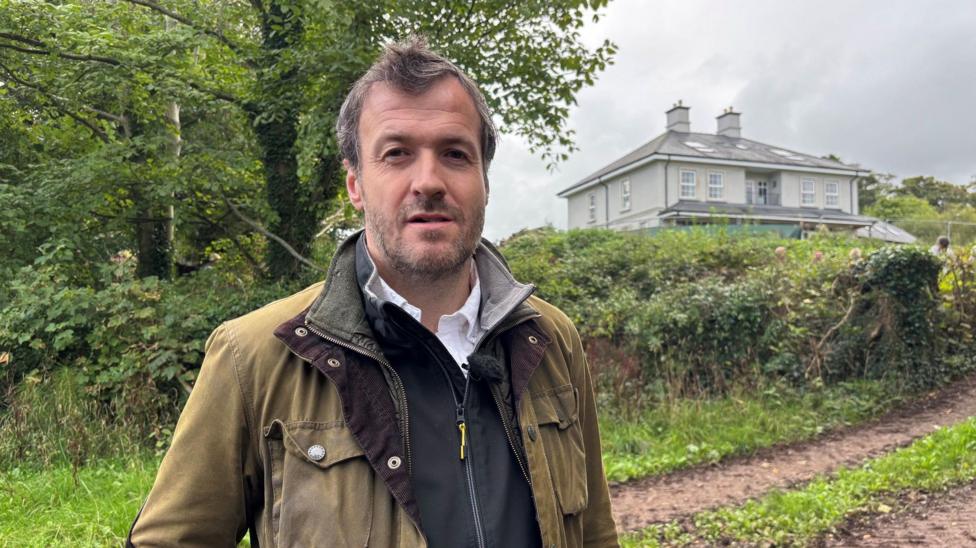
Emyr Davies, whose house lies near the proposed site boundary, expressed deep concerns about visual impact.
Visually it would have a massive effect, not just for us here in Caernarfon but also in Anglesey, and it would change the views of Snowdonia forevermore,he said.
It's going to be horrific for the locals, not just visually but also we're worried about the noise.Davies indicated he would consider selling his property if the plans received approval, stating
I wouldn't want to bring my three children up next to this industrial estate.

Emma Lewandowicz, another local resident, described the development as
heartbreakingand expressed alarm at its scale.
It's really terrifying just to see the sheer size of it and the environmental impact, it's not just necessarily the noise but the effect on the community,she said.
It's easy to ignore it when it's not on your doorstep but these things, they sort of crop up when you're not looking. I've got a little boy and I feel like it would tear our futures apart... I know they're promising jobs and that always sounds promising on the surface but beneath all that it's just really heartbreaking.
More than 100 residents attended a public meeting on Saturday to voice objections. Councillor Gwion Emyr acknowledged the tension between development needs and community welfare, stating
I'm not against every type of development at Ferodo. We need something there and it's been empty for over 20 years. There are advantages and disadvantages, but jobs can't come at the expense of the local community.
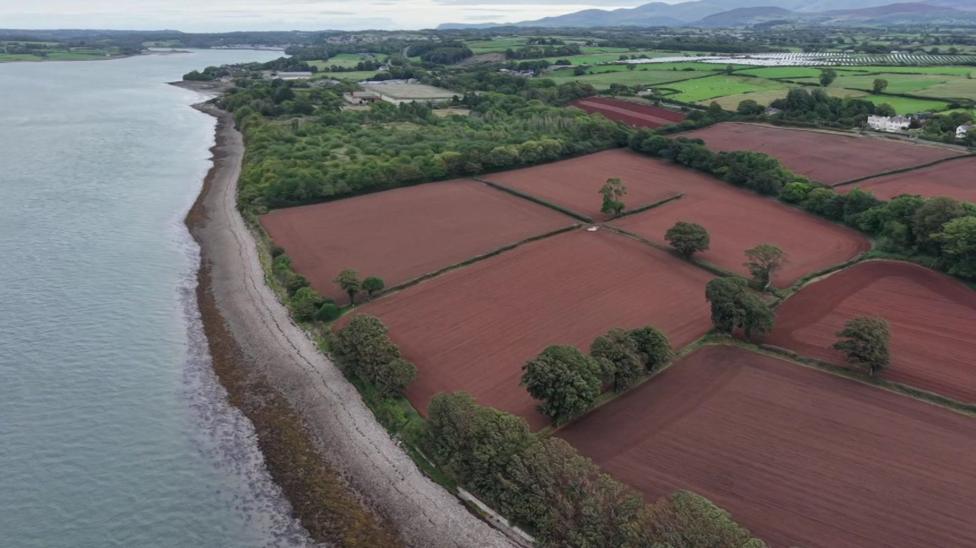
Campaigners have raised questions about how many permanent positions would actually benefit local residents, and whether employment promises would materialise as described. The scale of the facility—extending beyond the existing industrial site boundaries—has prompted concerns that the development represents an unprecedented transformation of the rural landscape.
What is the broader context for data centre expansion?
The Menai proposal reflects a nationwide surge in data centre development driven by artificial intelligence demand. In November 2025, Westminster designated the Menai area as an AI Datacentre Growth Zone, accelerating interest in the location. The UK currently operates 568 data centres, with research suggesting that number will increase by almost one-fifth, including nine proposed facilities in Wales.
This expansion has triggered debate across the country. Similar concerns about environmental impact and community disruption have emerged in other regions, including developments in Newport and Cardiff, and a proposed Google facility at a former Essex speedway site that threatens habitats of endangered plants and rare bumblebees. A parliamentary research document has outlined both opportunities—including jobs, investment, skills development and innovation support—and significant challenges, particularly regarding electricity demand, grid capacity, water use, land requirements, biodiversity protection, and impacts on local communities.
Electricity demand from data centre projects has surged dramatically. Ofgem reported that the amount of electricity requested by data centre projects seeking grid connections rose from 41 gigawatts to 125 gigawatts within a single year, reflecting the intensity of current expansion efforts.
What happens next?
The public consultation period for the Gwynedd proposal remains open until 17 October 2026, allowing residents and interested parties to submit formal comments on the application. Following the consultation phase, Gwynedd Council's planning committee will determine whether to approve, reject, or impose conditions on the development. The decision will ultimately rest with local planning authorities, though the designation of the Menai area as a growth zone may influence the assessment process.