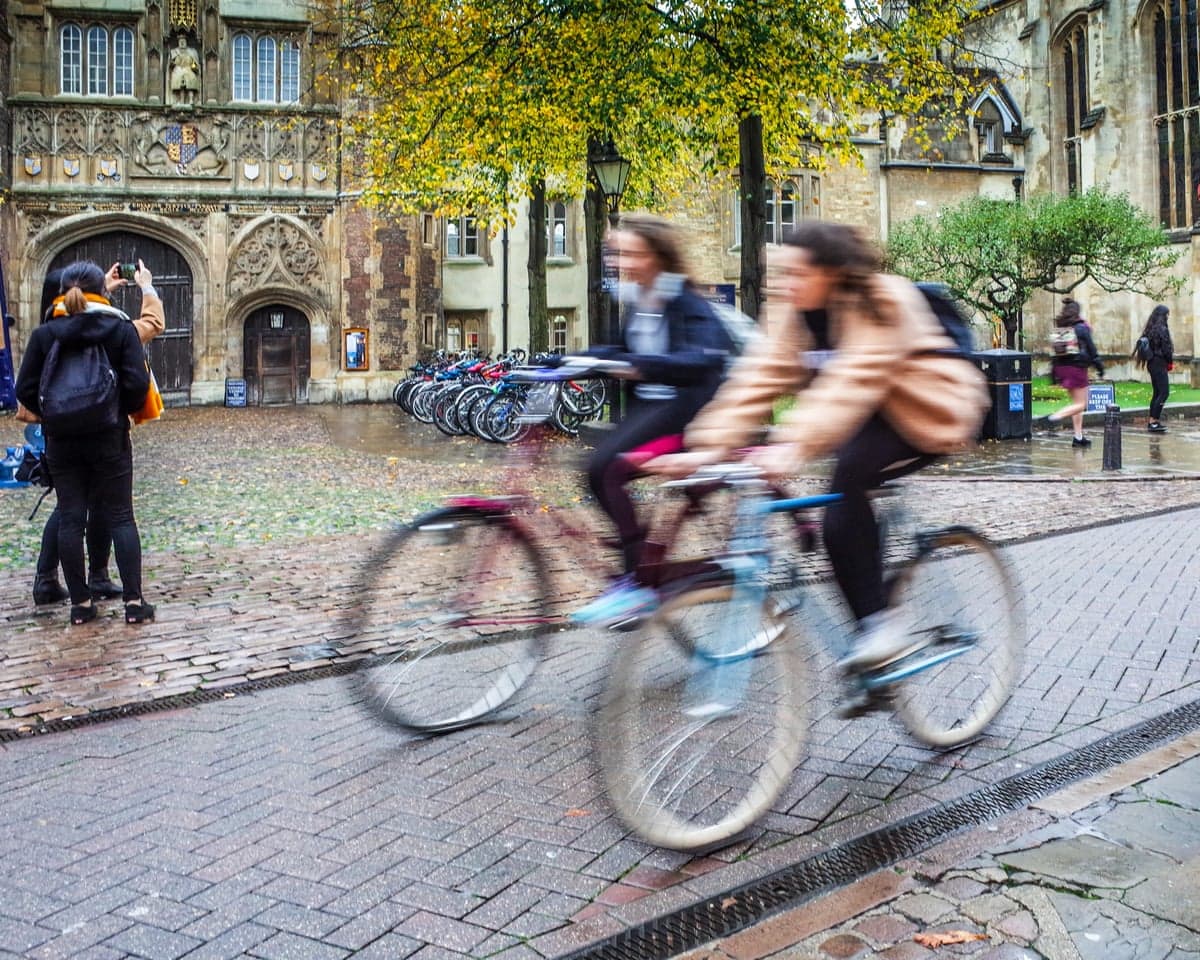
Bicycle theft among students reaches record levels during the start of the academic year, prompting security experts to warn young people against cutting corners on locks and insurance coverage. For budget-conscious undergraduates, a bike offers affordable transport, but the rising tide of thefts means taking precautions has become essential.
According to insurance data from Aviva, one in five (19%) of claims involving student possessions relates to bicycles. The problem intensifies sharply when students arrive on campus: James Brown, managing director of a bike recovery service, explains that university security teams report significant spikes in cycle theft during freshers' week and the weeks that follow.
University towns dominate the theft statistics. Oxford recorded the highest number of thefts in 2025, followed by Cambridge, York and Cardiff. At the University of Edinburgh alone, 19 of 26 reported incidents in the latest reporting period were bike thefts, with 294 incidents recorded since January 2022.
Why are cheap locks a false economy?
Many students attempt to save money by purchasing inexpensive cable locks from online retailers, but Brown warns this approach offers virtually no protection.
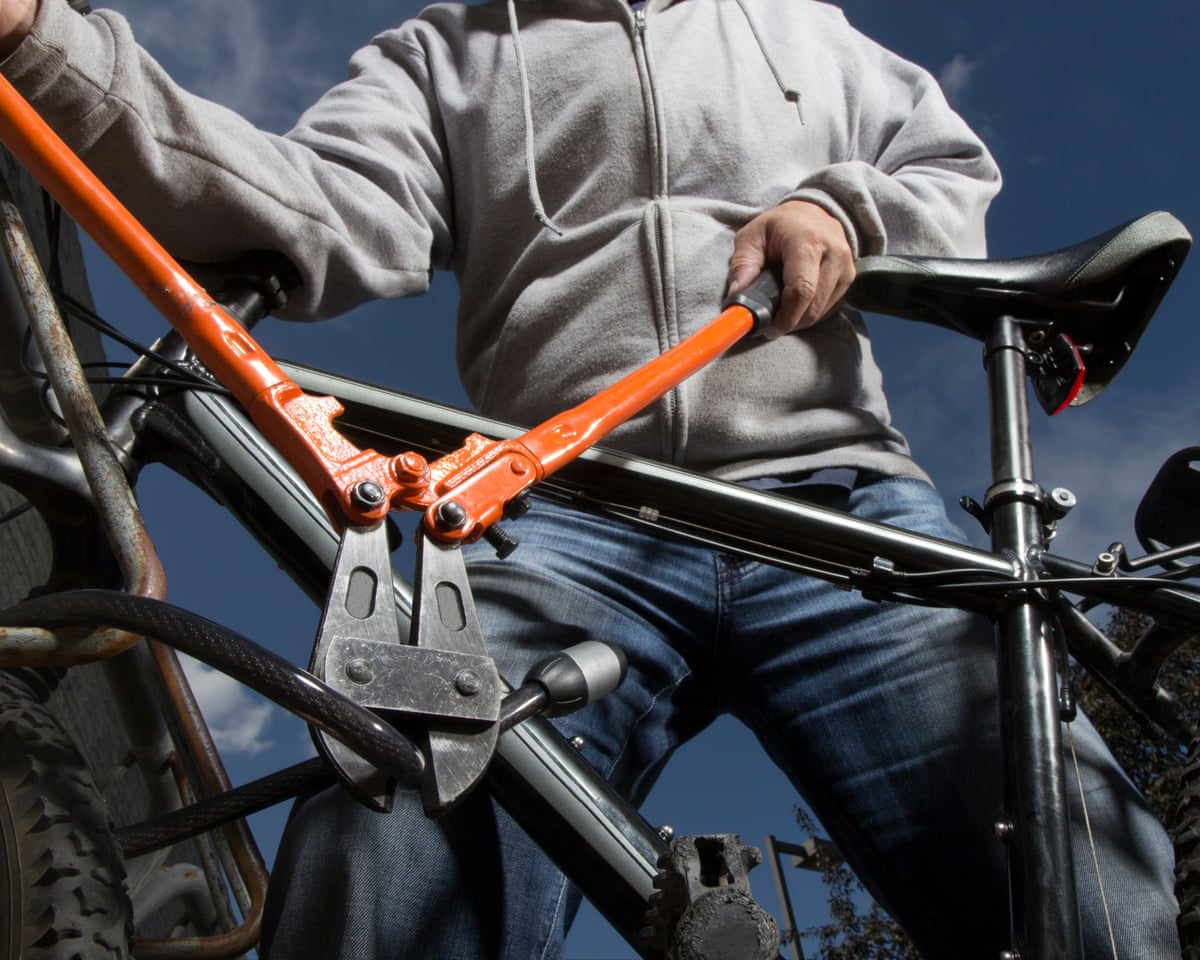
"It could almost be cut with a pair of scissors,"he says of budget options. Instead, he recommends investing in a lock that has been independently tested against specialist thief tools, including angle grinders, by standards owned by the Master Locksmiths Association.
These locks are graded from bronze to diamond. A gold-rated Sold Secure lock provides substantial protection against determined thieves even in high-risk areas, and quality D-locks can be found for under £20. The upfront cost of a proper lock is far less than the expense and disruption of replacing a stolen bike mid-term.
What insurance options exist for student bikes?
The first step is to check whether your bike is already covered under your parents' home contents insurance policy. Many policies automatically protect possessions that are temporarily removed from the home, including items kept in student accommodation or shared flats. Some policies can also be extended to cover your belongings.
Certain insurers offer automatic coverage for bikes worth less than £350 kept both at and away from home as standard. However, relying on a parent's policy carries risks: if a claim is made, it may reduce the main policyholder's no-claims discount and increase future premiums. Additionally, paying a substantial excess on an old bike may make claiming financially unviable. Some insurers also require students to return home every 90 days and will refuse to cover bikes left in unoccupied student accommodation.

Kara Gammell, a personal finance expert at MoneySuperMarket.com, emphasises the importance of protecting your bike:
"If you're relying on a bike to get to class, then losing it could really affect your education."
A better approach may be to purchase standalone cycle insurance with a low excess from providers such as Bikmo, BackPedal, Cover4Cycles or Laka. If you are moving into halls of residence, check whether your accommodation package includes contents insurance, though basic coverage may not protect you if there is no forced entry. For those in shared houses, confirm with the landlord or letting agent what insurance is already in place. If no existing coverage applies, you or your parents may need to arrange a home contents policy that covers your laptop, mobile phone, other belongings and your bike.
What does the insurance small print require?
Insurers often specify the type of lock you must use and may require your bike to be locked to an immovable object, even in communal areas such as a student house hallway.
"It's key to double-check your policy and the small print,"Gammell advises. Failing to meet these conditions could invalidate your claim.
How can you make your bike harder to steal?
Registering your bike's frame number for free on property databases such as BikeRegister and Immobilise is a practical step that serves multiple purposes. Brown recommends uploading time-stamped photographs, any distinguishing marks and relevant receipts to your entry. This documentation makes it easy to prove ownership and value for insurance claims and helps police return recovered bikes to their owners.
Marking your frame with the registered database ID—using a tamper-proof QR code sticker or permanent marking kit—acts as a visible deterrent.
"Experienced thieves know that this will point any future buyer – or police officer – straight to the entry, so they will pick another bike to steal."Brown explains that thieves recognise such bikes will be difficult to sell and that possession of a registered bike can lead to charges of handling stolen goods.
Favour Samuel, the NUS England president, acknowledges the scale of the problem:
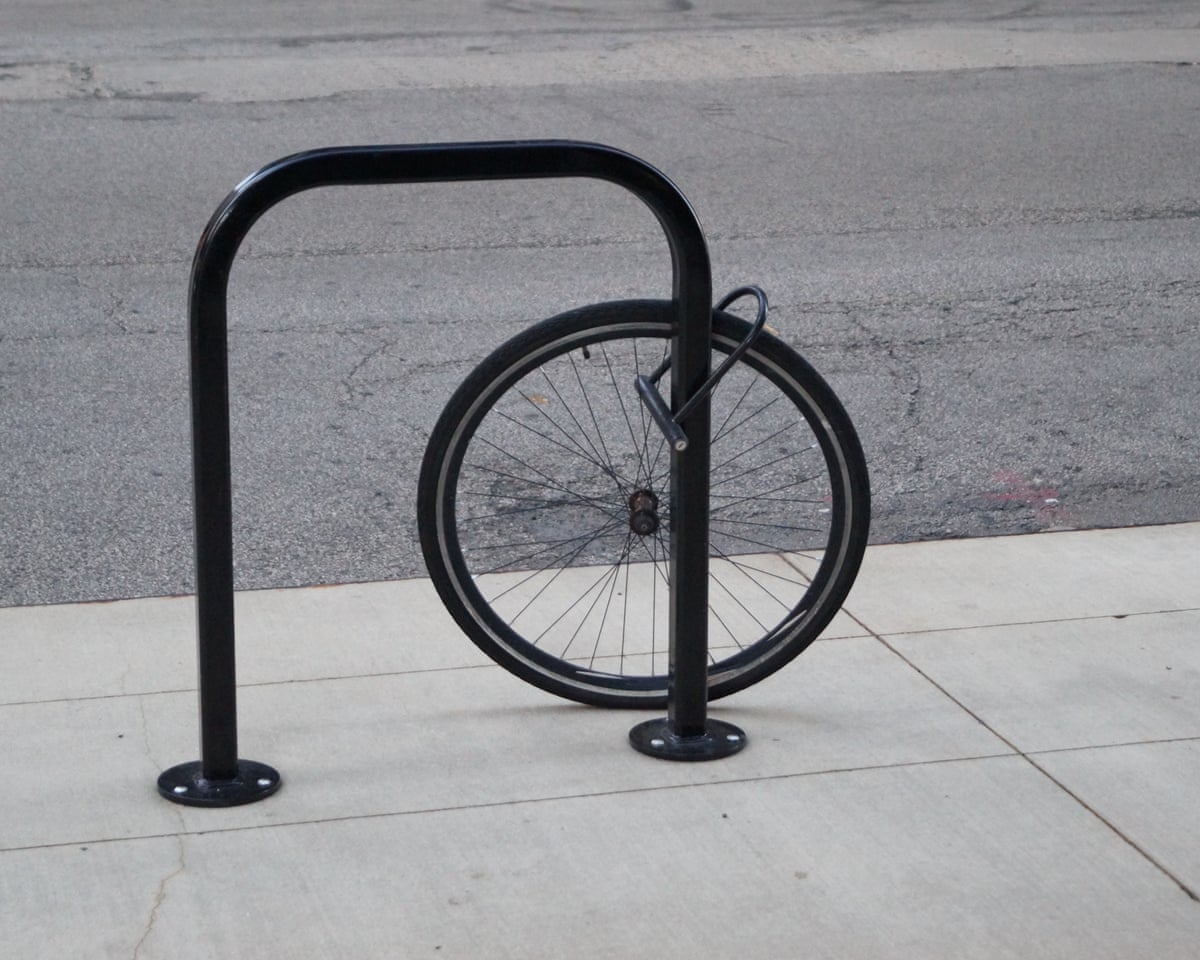
"Bike theft is at an all-time high in our cities, and when thieves are unable to steal whole bikes, they'll steal just the wheels."However, he encourages students not to abandon cycling:
"It is a great and sustainable way to travel."
What should you do if your bike is stolen?
If your bike is stolen while you are at university, report the theft immediately. The University of Edinburgh advises students to contact University Security on 0131 650 2257 or by email, and to report the crime to Police Scotland on 101 or 999 if a crime is in progress. Having registered your bike on a property database and kept documentation of its details will speed up the reporting process and improve the chances of recovery.
Key Facts
- One in five student insurance claims for possessions involve bicycles, according to Aviva data
- Cycle thefts spike during freshers' week and the weeks following the start of term
- Oxford, Cambridge, York and Cardiff are the main hotspots for bike theft among university towns
- A gold-rated Sold Secure lock offers high protection against theft and can cost less than £20
- Registering your bike on a property database and marking it with a QR code acts as a deterrent to thieves