

Opening summary
Welcome to our live coverage of the latest developments in the US-Iran war, and its regional and global ramifications.
The US military completed its 11th night of strikes on Iran, including on aircraft hangars and drone storage sites, as the renewed conflict continues to undermine diplomatic efforts to salvage an interim ceasefire deal. In what could open up a potential new front in the war, Yemen’s Iran-aligned Houthis, who control the coast at the mouth of the Red Sea, announced a naval blockade on . With the strait of Hormuz blocked, Saudi Arabia has been relying on a pipeline to the Red Sea to get millions of barrels of oil out to market.
The latest US barrage came as Donald Trump warned strikes would intensify.
The US leader also declared the US would “soon” target “very heavily” the area near Pickaxe Mountain – a near one of Iran’s primary nuclear enrichment facilities, which Iran’s military leaders said would be considered a major escalation.
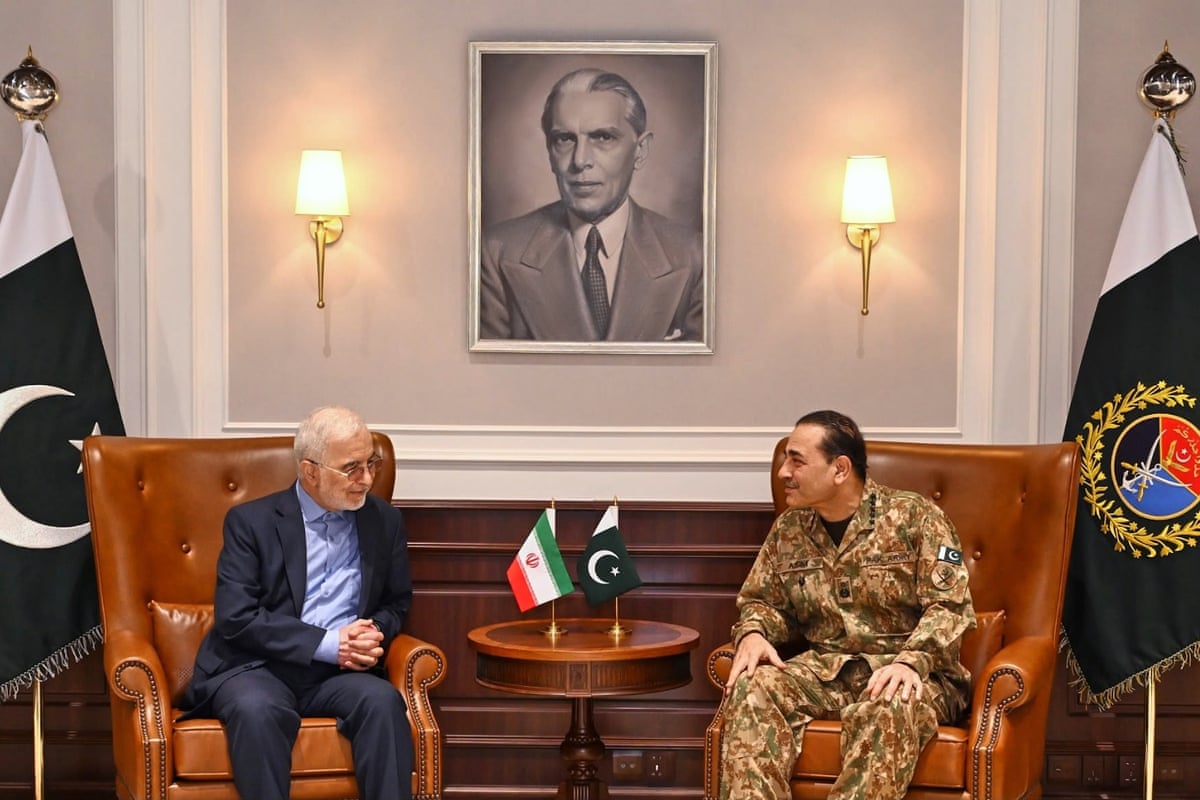
Before the latest strikes, Iranian interior minister Eskandar Momeni visited Pakistan, a key mediator in the conflict. But it was unclear what new arrangement might be reached to end the war, which is now centered on a battle for control over the strait of Hormuz.
The , US defence secretary Pete Hegseth said, an increase of nearly $8bn since the last public estimate.
The number of wounded US personnel in the Iran war has grown to well more than 500 troops, a US official told the Associated Press.
Brent crude was trading up 1.2% at $92.09 a barrel at around 0130 GMT, its highest intraday price since 11 June. West Texas Intermediate (WTI), the main US oil benchmark, climbed 1.1% to $85.23.
The US secretary of state Marco Rubio told South-east Asian foreign ministers on Wednesday that Iranian control of the strait of Hormuz would set a dangerous precedent with repercussions beyond the Middle East.
Trump said he would authorise the resumption of , which have been suspended since the 1985 hijacking by Lebanese Islamist militants of a TWA flight with many Americans aboard.
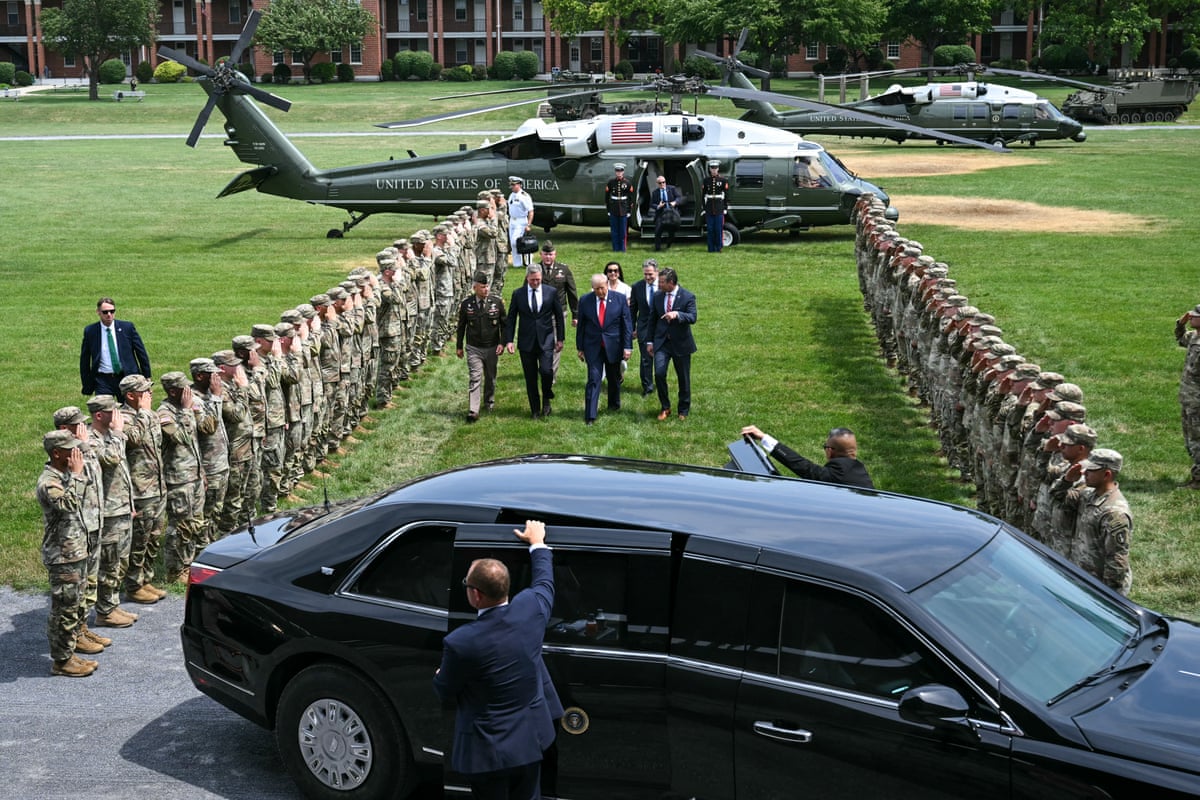
Donald Trump plans to attend the dignified transfer of four US service members recently killed in the Middle East.
The White House says Trump will be at Dover air force base when the remains are returned to their families on Wednesday.
An official says two Army soldiers killed in Iranian missile and drone attacks in Jordan will be returned, as well as a third service member believed to be the soldier missing after the Jordan attacks. The remains of another soldier, killed in Iraq during a detonation of an Iranian drone, will also be returned.
Since the war began on 28 February, 18 US service members have been killed.

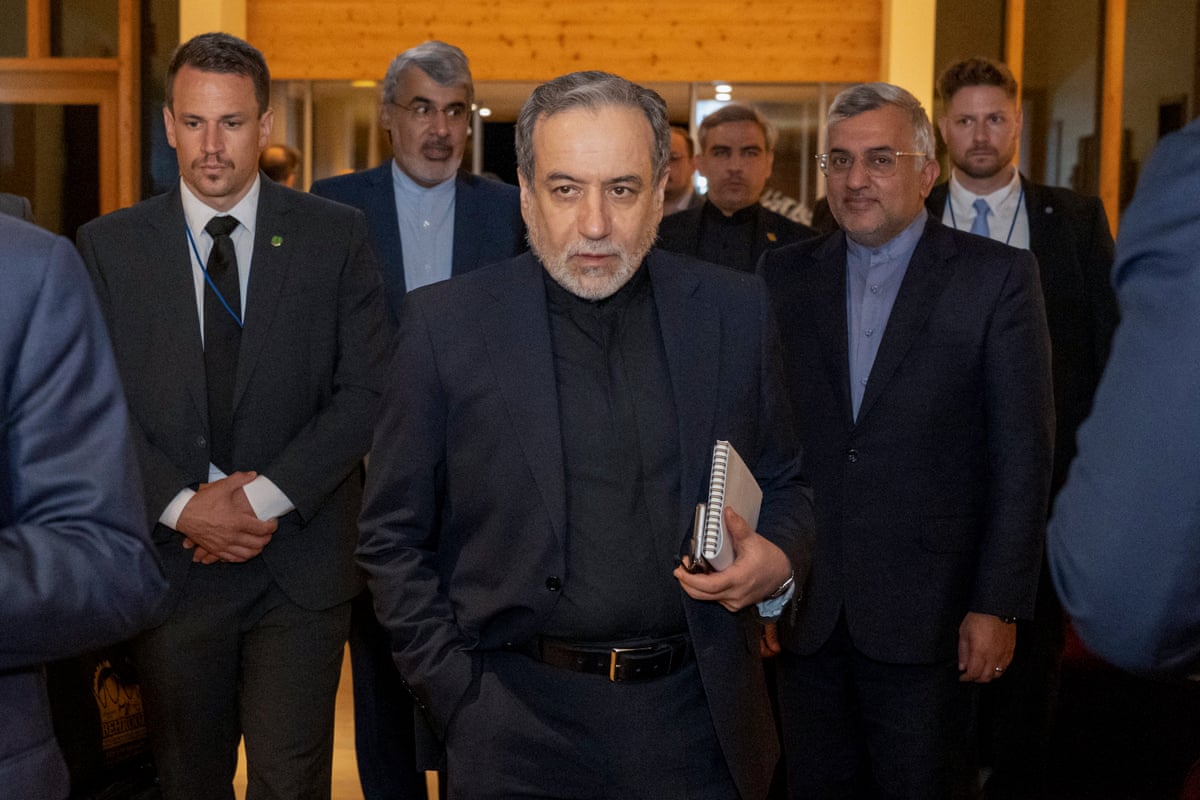
Iran’s foreign minister, Abbas Araghchi, has described how he was pulled from the rubble of a leadership compound after the US-Israeli airstrike that killed the country’s supreme leader, Ali Khamenei, on the first day of the war, and has survived since by constantly moving around Tehran.
Beirut working for 'complete Israeli withdrawal', says Lebanon PM
Lebanese prime minister Nawaf Salam on Wednesday visited Zawtar al-Gharbiya, one of several “pilot zones” intended to demonstrate that the Lebanese army can remove and disarm Hezbollah as part of a Washington-sponsored deal with Israel, AFP reports.
“We will continue mobilising our political and diplomatic efforts to secure a complete Israeli withdrawal from the south,” Salam said.
Houthis threaten to attack shipping tankers if they use Saudi Arabian ports on Red Sea
Yemen’s Iranian-aligned Houthis have warned shipping companies that their tankers risk being attacked if they use Saudi Arabian ports, as the militia moved quickly to enforce a blockade announced the previous day.
The Houthi warning for the Red Sea, coming on top of Iran’s threat to shipping on the other side of the Arabian peninsular in the Gulf, could affect the substantial Saudi oil exports that have so far been unscathed by the months-long conflict and deepen the rapidly escalating crisis in the region.
Underlining how seriously the Houthi threat is being taken, three oil tankers that had loaded Saudi crude this week for China and India made U-turns on Tuesday away from Houthi-controlled coast at the mouth of the Red Sea and headed towards the Suez canal. The claimed six ships had changed course.
US defence secretary Pete Hegseth told the Senate on Tuesday that the war on has so far cost $37.5bn – and the defence department needs $67.1bn more to “pay our service members, rapidly replenish equipment and munitions, and sustain vital operations without disruption”.
“The best way to create peace is to prepare for war, to deter it,” Hegseth said.
’s Joseph Gedeon and Lauren Gambino have more here:
Trump nuclear deal with Saudi Arabia could allow it to enrich uranium: report
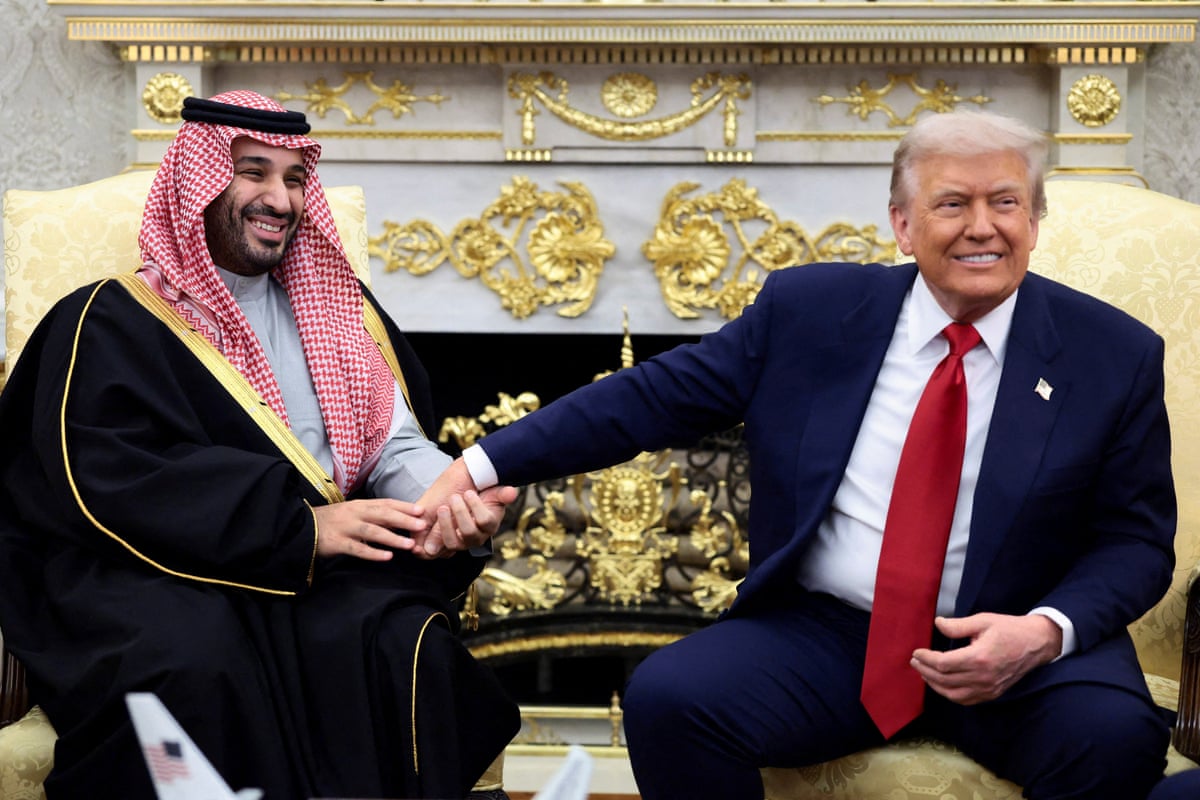
Donald Trump has approved an agreement with Saudi Arabia that could provide the kingdom with uranium enrichment capability for its civilian nuclear programme, according to news reports citing people familiar with the matter.
The deal is expected to last 30 years and is also expected to involve US firms in developing the programme. It could allow for the building of a uranium enrichment facility in Saudi Arabia after a joint US-Saudi study.
The agreement is not expected to include the IAEA’s “additional protocol”, which would allow for more monitoring, inspections and verification, according to one of the people who revealed it.
What is Iran’s Pickaxe Mountain, the site Trump has threatened to attack?
Donald Trump on Tuesday made new threats to attack and destroy Iran’s nuclear site known as Pickaxe Mountain.
Here’s what we know about Pickaxe Mountain, why it has captured Trump’s attention and how the US military could strike at the deeply buried complex.


