
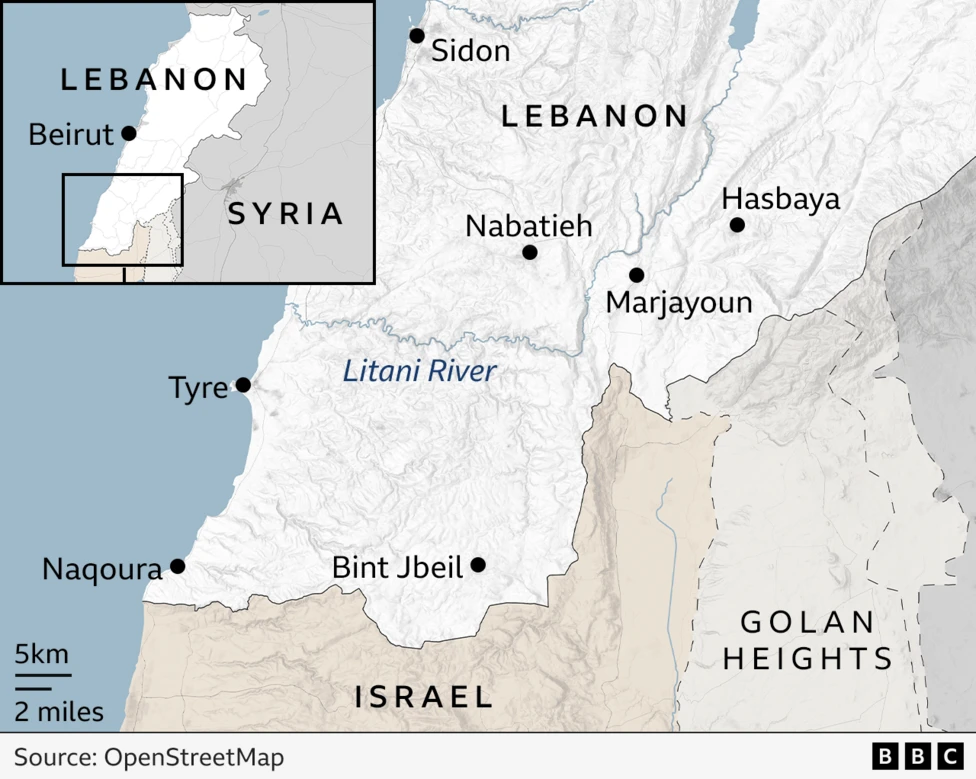
Lebanon's Prime Minister Nawaf Salam said an Israeli air strike killed seven people in southern Lebanon early on 15 August 2026, marking one of the deadliest incidents since a truce aimed at curbing hostilities took hold in June. The dead, according to Lebanon's state-run news agency, included three children and two women who were among displaced families sheltering in a house on the outskirts of Ansar in the Nabatieh district.
The strike hit at roughly 04:30 local time (01:30 GMT). According to the Associated Press, rescue workers were still combing through the rubble of the home hours after the attack, and Lebanon's Health Ministry said two additional people were wounded in the same strike. The Associated Press also reported that two soldiers had been killed nearby and that the strike was described by Israel's military as a response to that action, while a separate account carried by put the number of wounded from the Ansar strike at three.
What did Israel say about the target?
The Israel Defense Forces said it had struck what it called Hezbollah terror infrastructure in retaliation for an earlier action against its soldiers. Per , the military specifically named the Ali Taher and Ansar areas as the site of the targeted infrastructure. The Ali al-Taher Ridge referenced by the IDF is strategic high ground overlooking much of south-eastern Lebanon and has been among the most fiercely contested positions of the broader conflict. Lebanon's National News Agency separately reported a series of strikes clustered around that ridge overnight.
How far did the overnight strikes extend?
Beyond Ansar, Israeli strikes intensified across parts of southern Lebanon through the night. According to Al Jazeera, one strike hit the valley between Ansar and Zarariyeh, which Lebanon's National News Agency described as the deepest such strike into southern Lebanon since the ceasefire took hold two months earlier. Near the border, several homes were reportedly destroyed in Bint Jbeil, and Israeli forces opened heavy machine-gun fire toward houses there, the news agency said.
Later on the morning of 15 August, a second round of strikes hit the town of Deir al Zahrani, killing two people and injuring nine others, Lebanon's Ministry of Health said. Social media footage showed large plumes of grey smoke rising over the village as sirens sounded in the background. A subsequent tally reported by Shafaq News put the day's overall toll at 11 dead and 11 wounded once the Deir al-Zahrani strike was added to the count.
What did Lebanon's leadership say?
Prime Minister Salam rejected the Israeli characterisation of the Ansar victims, insisting the casualties were civilians rather than military targets.
"Israel must halt this escalation. For the security of our people and their right to life on their land are not subject to negotiation or bargaining."
President Joseph Aoun also condemned the strikes, saying they had wiped out an entire family in Ansar and describing the attacks as "repeated violations" of the ceasefire framework. He said the escalation sent a "clear message" to the parties involved in the US-led negotiations.
Why does this matter for the ceasefire framework?
Lebanon was pulled into the wider war between Israel, the United States and Iran on 2 March, when Hezbollah launched rockets into Israel in retaliation for a strike that killed Iran's supreme leader. Israel answered with a sustained bombing campaign across Lebanon and an invasion of a significant part of the country's south; its forces still occupy roughly 5% of Lebanese territory. The June ceasefire framework calls for Hezbollah to disarm, for Israeli forces to withdraw gradually from the south, and for the Lebanese army to deploy across the vacated areas. Hezbollah was not a party to that agreement and has refused direct negotiations with Israel.
The IDF has said it will keep acting against threats to Israeli citizens and soldiers within the roughly 10-kilometre-deep security zone it occupies in southern Lebanon. Despite the reduction in fighting that followed the June accord, Israeli strikes and demolitions in the south have continued in the intervening months. The Associated Press noted that the Ansar strike ranks among the deadliest single incidents since the Israel-Hezbollah truce formally took effect on 20 June 2026.
How does this fit the recent pattern of violence?
Casualties in southern Lebanon have mounted repeatedly in the months since the truce was announced. Our earlier coverage recorded at least 13 people killed in Israeli air strikes in early May, followed weeks later by strikes that killed at least 19 people amid continued clashes with Hezbollah. By mid-June, 18 more deaths were reported in a fresh round of strikes, and just a day after the ceasefire framework was unveiled, roughly two dozen more people were killed despite the new agreement.
The current flare-up traces back to an incident reported on 6 August 2026, when two Israeli soldiers were killed in southern Lebanon, according to a national broadcaster's report. That episode prompted retaliatory strikes and a fresh spike in violence. Separately, reported that the escalation coincided with the timing of the latest round of talks between Israeli and Lebanese negotiators.
What has Hezbollah said?
On 14 August 2026, Hezbollah leader Naim Qassem criticised Lebanese authorities over their handling of the ceasefire framework, accusing them of pressuring the Lebanese army while Israeli attacks persisted.
"How can you accept this ongoing humiliation of the Lebanese army, exposing it to bombardment and Israeli pressures, instead of acting as its protectors?"
What happens next?
Lebanese and Israeli negotiators are due to hold an eighth round of talks in September 2026, though no exact date has yet been confirmed. No further hearing, ruling or official next step beyond those talks has been announced in current reporting.
Key Facts
- Seven people were killed in an Israeli strike on a house in Ansar, Nabatieh district, at about 04:30 local time on 15 August 2026, including three children and two women.
- A separate strike on Deir al Zahrani later that morning killed two more people and injured nine, with a combined daily toll reported at 11 dead and 11 wounded.
- Israel's military said the strikes targeted Hezbollah infrastructure near Ali Taher and Ansar in response to an earlier action against its soldiers.
- The June 2026 ceasefire framework requires Hezbollah's disarmament and a gradual Israeli withdrawal, but Israeli forces still occupy about 5% of Lebanese territory.
- An eighth round of Lebanese-Israeli negotiations is expected in September 2026, though no date has been set.


