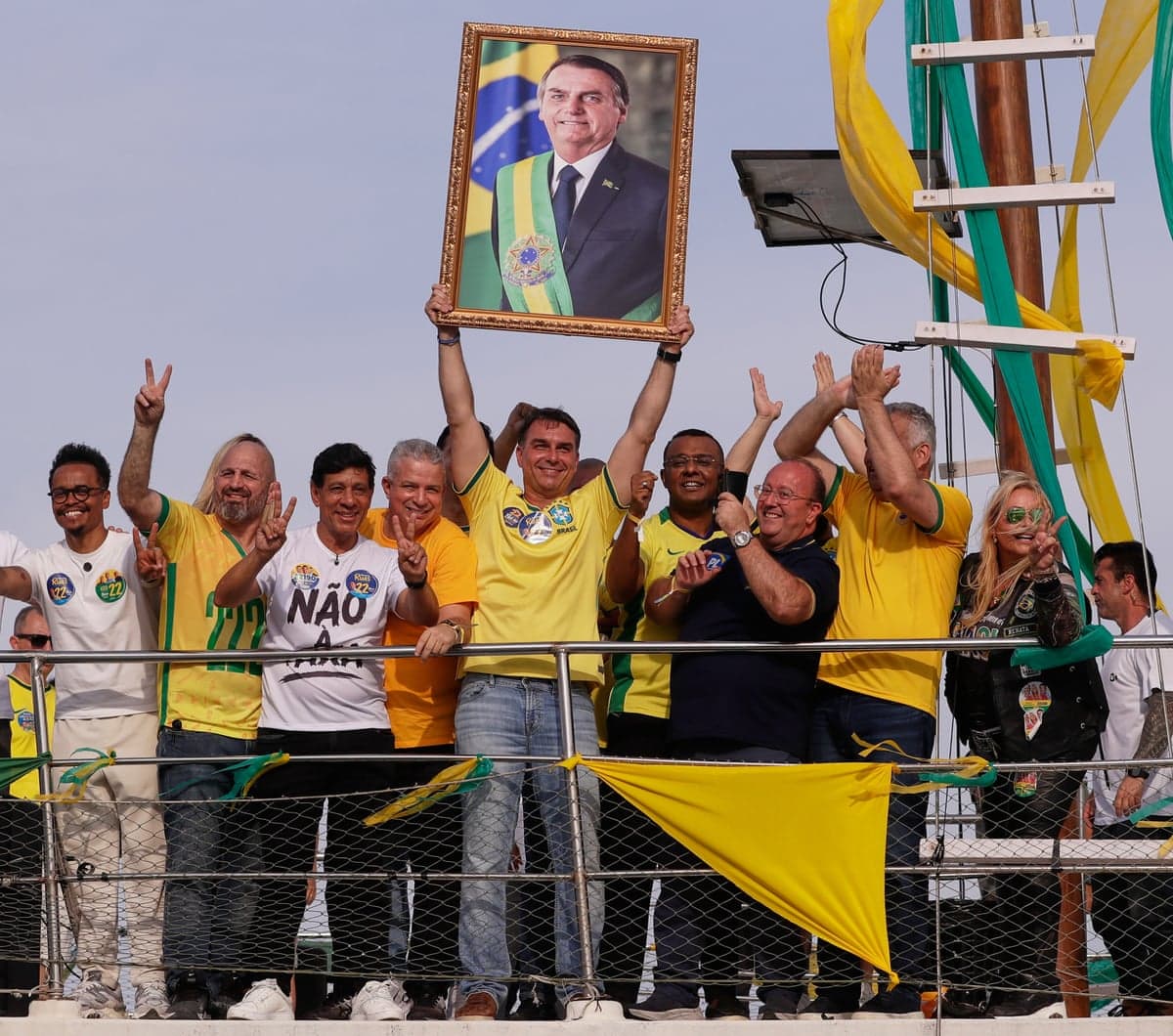
Brazil's weekend elections delivered a striking victory for the Bolsonaro family political project, with Jair Bolsonaro's eldest son Flávio securing the largest share of votes in the presidential contest and advancing to a runoff. The result caps a remarkable electoral performance that has elevated four family members to national office, cementing what analysts describe as an emerging political dynasty built on anti-establishment appeal.
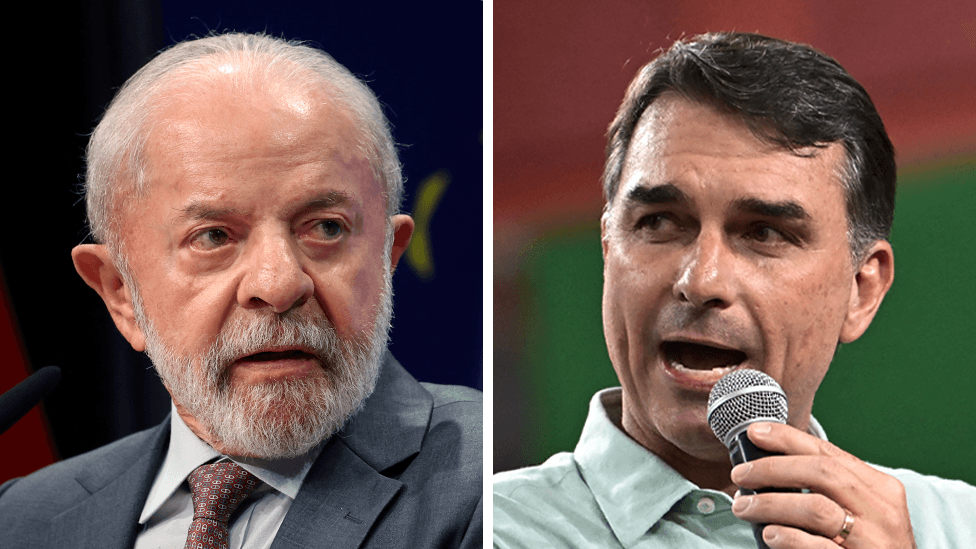
Flávio Bolsonaro captured 47.03% of valid votes—56,103,033 ballots—in the first round, according to official results, positioning him ahead of leftist incumbent Luiz Inácio Lula da Silva, who received 45.16% (53,870,724 votes). The senator now faces Lula in a runoff scheduled for October 25, 2026, with Brazil's next presidential term set to begin on January 5, 2027.
Beyond the presidential race, the Bolsonaro family's reach expanded dramatically. Former first lady Michelle Bolsonaro, 44, won election to the Senate representing the Federal District in her first bid for elected office. Carlos Bolsonaro, 43, the second son and former manager of his father's social media accounts, secured a Senate seat from Santa Catarina. Jair Renan Valle Bolsonaro, 28, the fourth son, advanced from city councillor to federal congressman. Even Jair Bolsonaro's younger brother Renato, 62, who had lost seven consecutive elections for lower offices, was elected to congress after garnering 380,000 votes—a dramatic turnaround from fewer than 10,000 votes in a mayoral race two years prior.
The family's political strength extends beyond individual victories. The Liberal Party, Bolsonaro's political vehicle, won 19 of 54 Senate seats contested, positioning it to hold a projected 28 of the chamber's 81 seats from 2027—making it the Senate's largest party bloc. The party also elected five governors in the first round, underscoring the rightward shift in Brazilian politics.
Of Jair Bolsonaro's five children, only his 15-year-old daughter has never held elected office. The absence of one son, Eduardo Bolsonaro, 42, reflects family complications: he abandoned his congressional seat and entered self-imposed exile in the United States more than a year ago, a move that has drawn criticism from President Lula and others who view his actions as interference in Brazil's electoral process.
Who is Michelle Bolsonaro and why is she considered the family's leading figure?
Michelle Bolsonaro has emerged as the most influential member of the family despite being its newest entrant into electoral politics. In a July poll, she was named the most powerful woman in Brazilian politics, surpassing the current first lady Janja Lula da Silva, a supreme court justice, and numerous members of congress.
"She is a phenomenon," said Camila Rocha, a researcher at the Brazilian Center for Analysis and Planning, who has interviewed voters and studied the Brazilian right for a decade. "Even Bolsonaro voters don't like his sons very much, but many of them like Michelle, who is very charismatic."
The daughter of a housewife and retired bus driver from the metropolitan region around Brasília, Michelle was working as a parliamentary secretary when she met Bolsonaro at age 25; he was then a 52-year-old congressman. She became his third wife. When he assumed the presidency in 2019, Michelle made history as the first and only Brazilian first lady to deliver an inaugural address—delivered in Brazilian Sign Language, which she had mastered while working as an interpreter at evangelical church services. Her deep religiosity is widely credited as a cornerstone of Bolsonaro's strong support among evangelical voters.
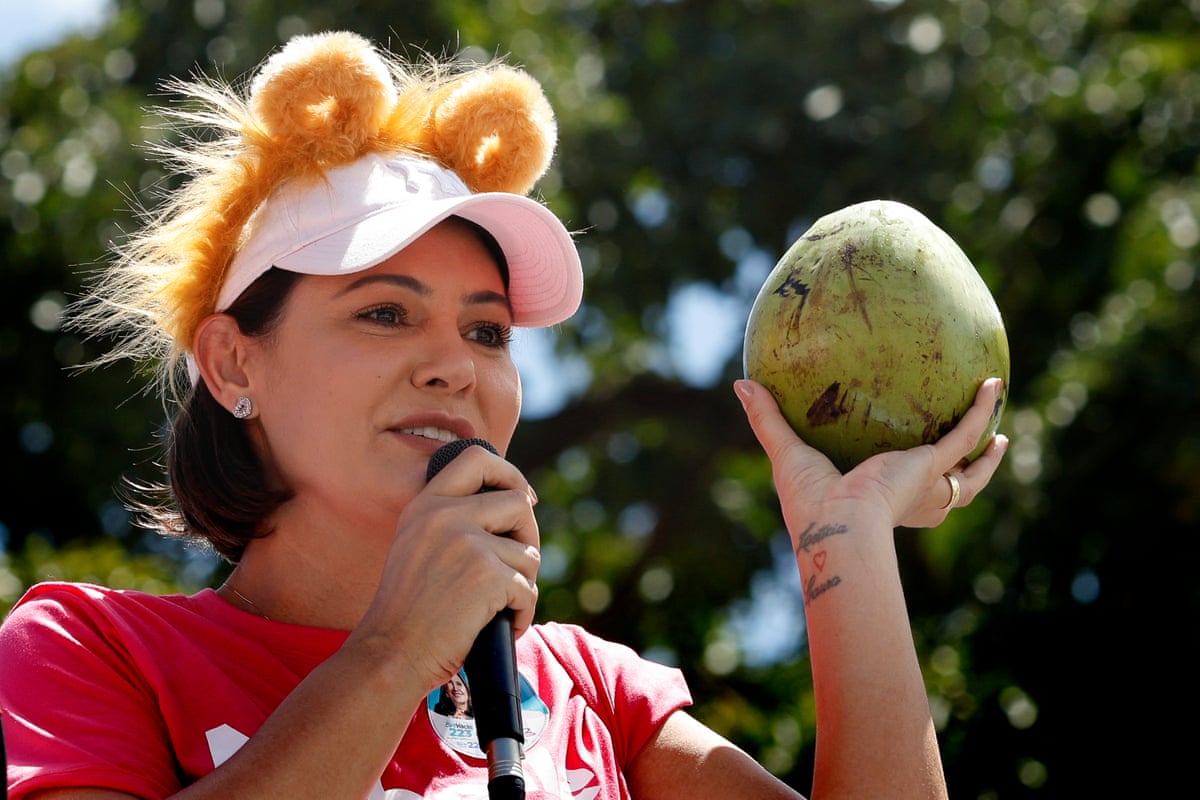
Despite her popularity and suggestions from polling that Bolsonaro supporters would have preferred her as the presidential candidate, Jair Bolsonaro selected his eldest son for the top spot and assigned Michelle the Senate mission instead.
"That was the mission my husband entrusted to me, and I will represent him, God willing,"she said in August. The decision created tension: Michelle publicly stated she had been
"humiliated", "disrespected" and "mistreated"by Flávio during the campaign, and reports of friction between her and her stepsons have been frequent. Flávio issued a public apology, which Michelle accepted, though the two did not campaign together.
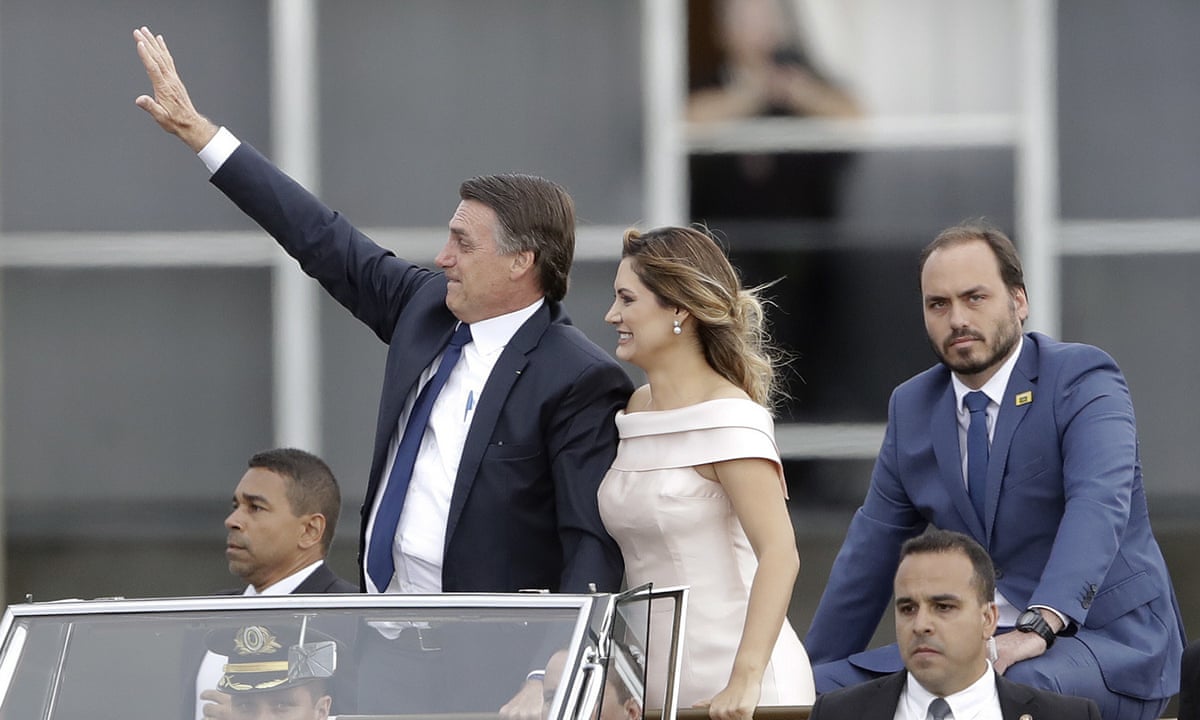
How did the Bolsonaro family build this political dynasty?
Few family members have spent significant time working outside politics. The patriarch began his political career four decades ago, and his children largely followed suit, though the offices they now hold represent a substantial elevation from their earlier positions.
Carlos Bolsonaro's trajectory illustrates this pattern. Before his Senate election, he spent 25 years as a Rio de Janeiro city councillor, a position his father secured for him at age 17 when Jair Bolsonaro arranged for him to run on the ballot of Rogéria Bolsonaro, Jair's ex-wife. Carlos won that race and maintained the seat for two and a half decades. He became known as the most radical of the siblings, managing his father's social media accounts and facing federal police indictment for allegedly leading a digital operation that spread misinformation and attacks on political opponents.
Jair Renan Valle Bolsonaro's rise has been swifter. The 28-year-old dropped his two middle names to appear on the ballot simply as "Jair Renan" and jumped directly from city councillor to federal congressman in this election cycle.
During the campaign, Renato Bolsonaro created some family friction by remarking that
"Flávio is not Jair. He doesn't draw crowds."At the polls, however, Flávio accumulated more votes than his father received in either the 2018 or 2022 presidential elections, though analysts suggest this reflects anti-Lula sentiment as much as enthusiasm for the senator himself.
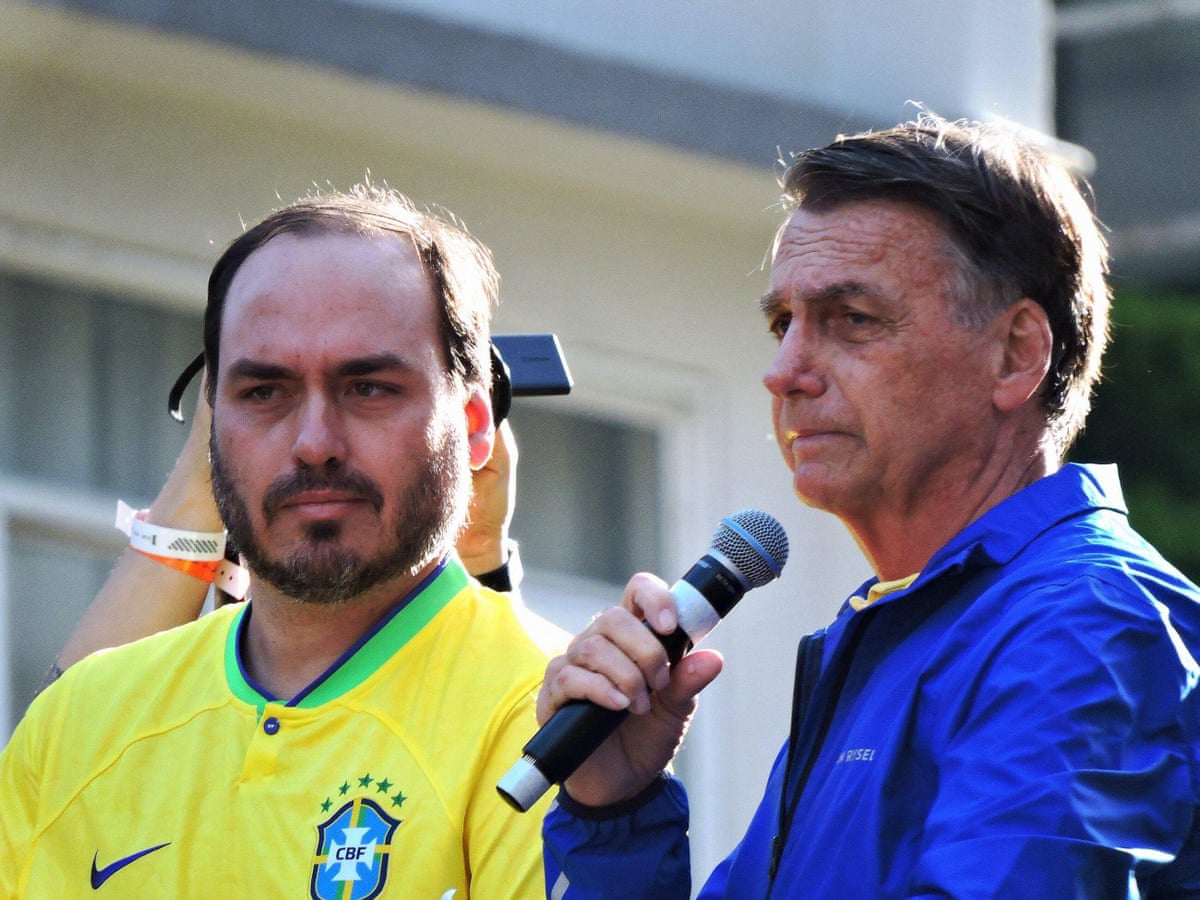
What explains the Bolsonaro family's electoral appeal?
Researchers attribute the family's success to their positioning as agents of political disruption rather than traditional politicians.
"Although the family has been in politics for a long time, many voters still see the Bolsonaros as representing 'renewal' and an anti-system vote,"said Rocha.
"So, to change everything, these voters want to throw a 'bomb' that blows up congress and Lula. And that bomb is the Bolsonaro family."
Michelle and Bolsonaro's sons were widely credited with helping secure victories for other far-right candidates from their party, which will command by far the largest bloc in the next congress. The family's appeal transcends traditional ideological boundaries in some respects: while Bolsonaro supporters express reservations about his sons, Michelle's charisma and evangelical credentials have generated broader appeal.
What happens next in the presidential race?
Flávio Bolsonaro and Lula will compete in the presidential runoff on October 25, 2026. The outcome will determine not only Brazil's next president but also the trajectory of the Bolsonaro family's political project. Jair Bolsonaro, convicted of plotting a coup after losing the 2022 election and serving a 27-year sentence, is barred from running for office until 2030. Flávio was selected by his father to carry forward the family's political agenda in his absence.
The runoff will take place against a backdrop of the Liberal Party's commanding position in congress, where it will hold the largest Senate bloc and substantial representation in the lower house. This institutional strength could prove decisive in shaping Brazil's political direction regardless of the presidential outcome.