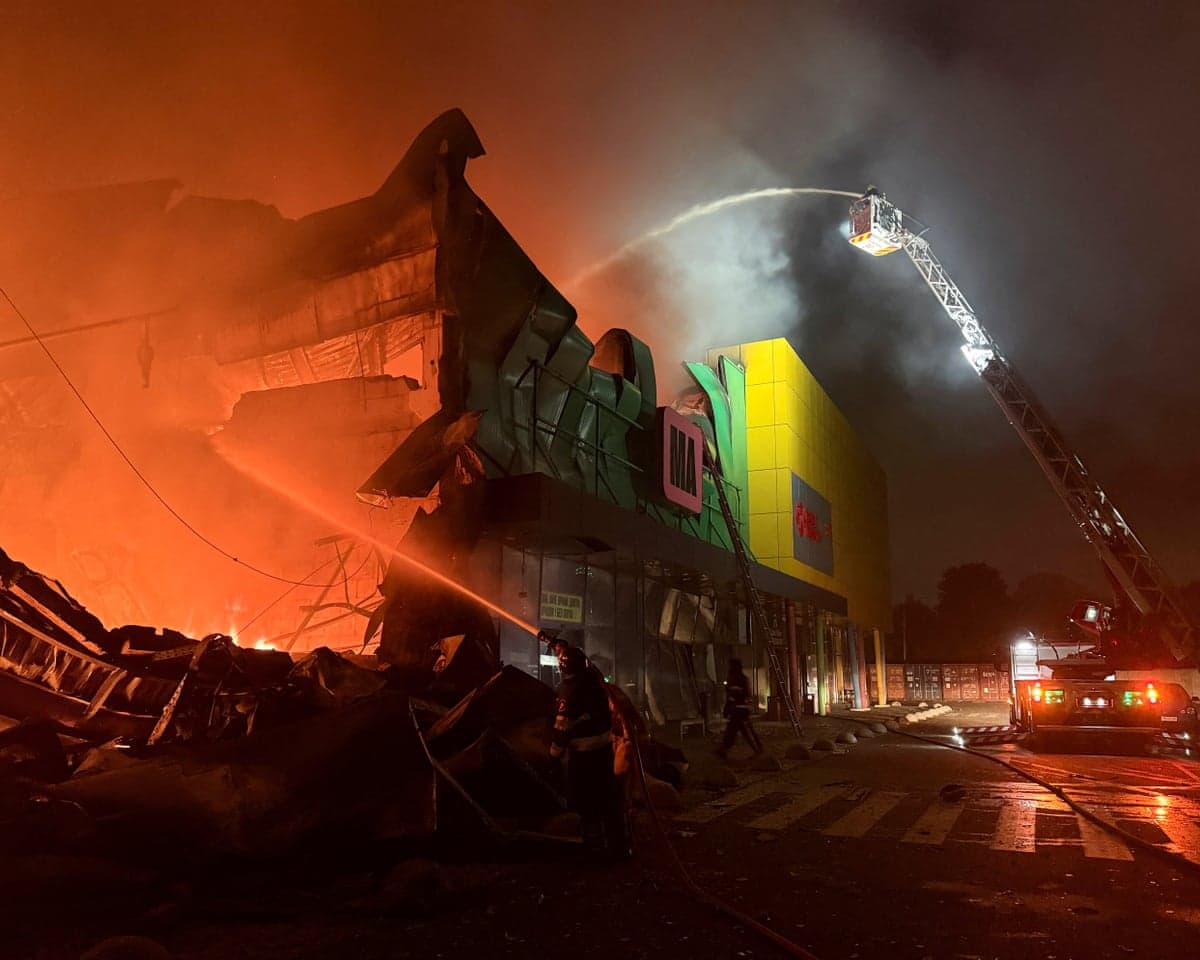
Ukraine's president Volodymyr Zelenskyy responded to a fresh barrage of Russian attacks on Kyiv by taking aim at US peace envoy Steve Witkoff's recent characterisation of Vladimir Putin as "a humanitarian". The overnight assault underscored the gulf between diplomatic overtures and battlefield reality, with Russia launching sustained strikes even as talks about ending the conflict continued. According to The Guardian, the attacks killed at least two people and wounded 34, including five children.
In a statement, Zelenskyy detailed the scale of destruction:
Three waves of ballistic missiles have been launched at Kyiv by Russian 'humanitarians' since yesterday evening. They used 21 missiles. Unfortunately, numerous sites across the city have been hit and damaged: ordinary residential buildings, energy facilities, infrastructure at one of the railway stations and the metro, shopping malls, and businesses. Even a monastery is among the damaged sites. Our emergency services are working at all the affected locations. Twelve of our regions came under Russian attack overnight.
Beyond the 21 ballistic missiles, Ukraine's air force reported that Russia also deployed 210 drones overnight, with 181 of those intercepted or suppressed. The strikes damaged critical infrastructure across the capital, including an emergency medical services station and six ambulances, according to Ukrainian reporting. Kyiv's mayor noted that the assault damaged metro infrastructure at the Pivdenny Bridge, restricting traffic between parts of the city.
What did Zelenskyy say about the timing?
Zelenskyy emphasised that the attacks came immediately after another round of peace negotiations, signalling Russia's unwillingness to shift its approach.
Almost immediately after another round of talks, Russia launched a pointed attack. This means there has been no real change in its attitude toward everything that is happening. It is important to keep trying to find the right solutions to end this war. But when Russia responds to negotiations with ballistic missiles, real pressure on Russia is needed to bring about different steps – steps toward ending the killing.
Ukraine's foreign minister Andrii Sybiha reinforced the criticism, directly challenging the framing of Putin as humanitarian.
Kyiv residents heard what Russian 'humanism' truly sounds like: a brutal attack with dozens of ballistic missiles striking energy infrastructure, medical facilities, shopping centers, and residential areas. Other cities across Ukraine came under attack as well. Appeasement, servility, and flattery will not stop this war. Only strength will.According to independent reporting, Sybiha's remarks appeared directed at Witkoff's recent comments praising the Russian leader.
What is the background to Witkoff's visit?
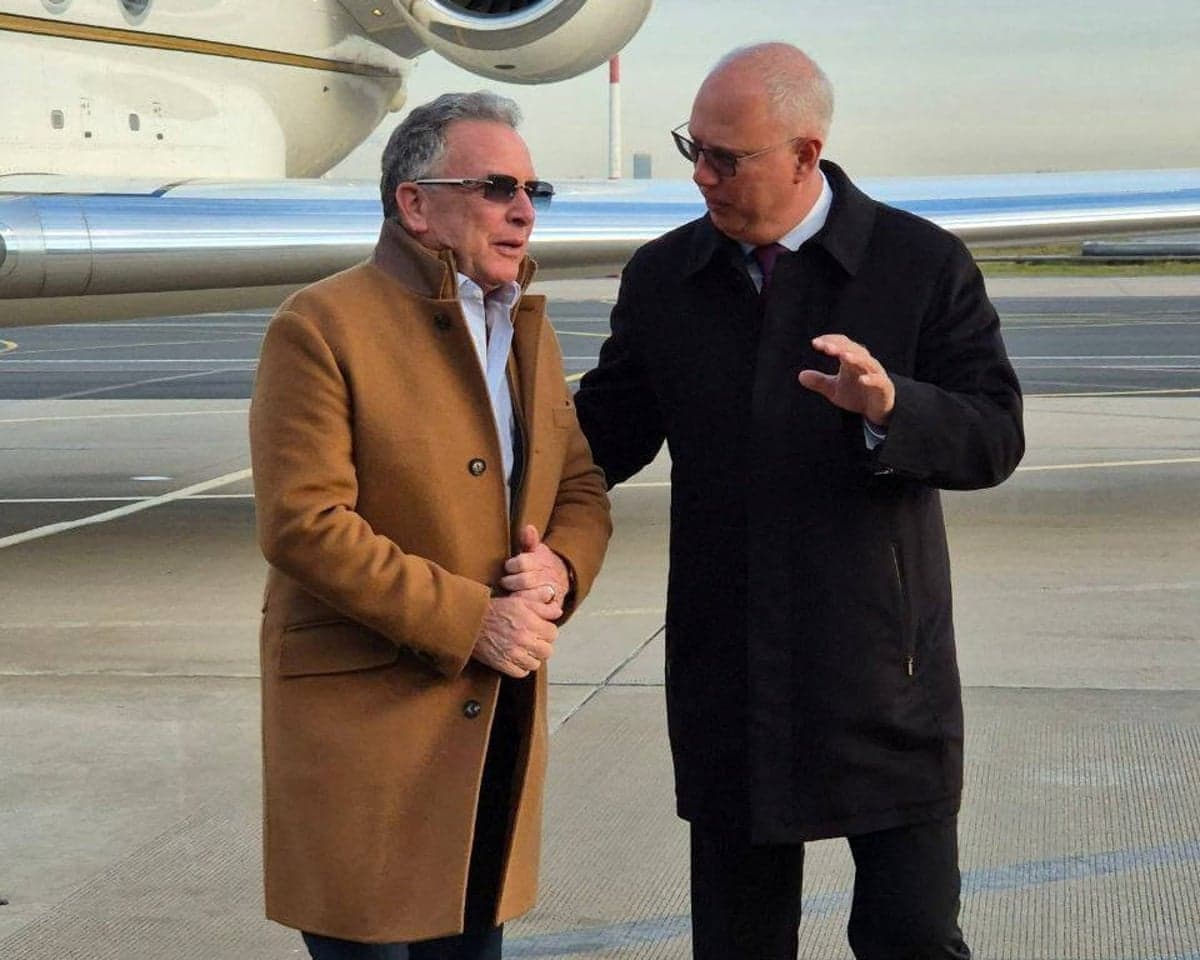
Witkoff had recently met with Zelenskyy and European leaders in Oslo before travelling to meet Putin. During those discussions, Zelenskyy said security guarantees and a proposed ceasefire targeting attacks on energy infrastructure were on the table. The timing of the Russian strikes—occurring so soon after these diplomatic engagements—underscored the challenge of negotiating with Moscow while it continues military operations.
What happened with the body exchange?
In a separate development, Russia and Ukraine exchanged the remains of their war dead on 22 October 2026. According to Belarusian state news agency reporting, Moscow handed over 252 corpses while receiving 25 bodies in return. Such exchanges, though grim, represent one of the few areas of cooperation between the warring sides.
What is happening with the Shamonda virus in France?
French health authorities announced they had detected the Shamonda virus in a human patient for the first time, though the individual later died. The virus, which is typically transmitted by biting midges and primarily affects livestock such as cattle, had until now been considered non-transmissible to humans. The French government said it saw no risk to the general population at this stage.
Shamonda is an insect-borne Orthobunyavirus first identified in Nigeria in the mid-1960s. It has since been detected sporadically in animals across Africa and Japan, and has been spreading among several European countries during 2026. The discovery of human infection marks a significant development in understanding the virus's potential to cross species barriers.
What border changes have Italy and Spain made?
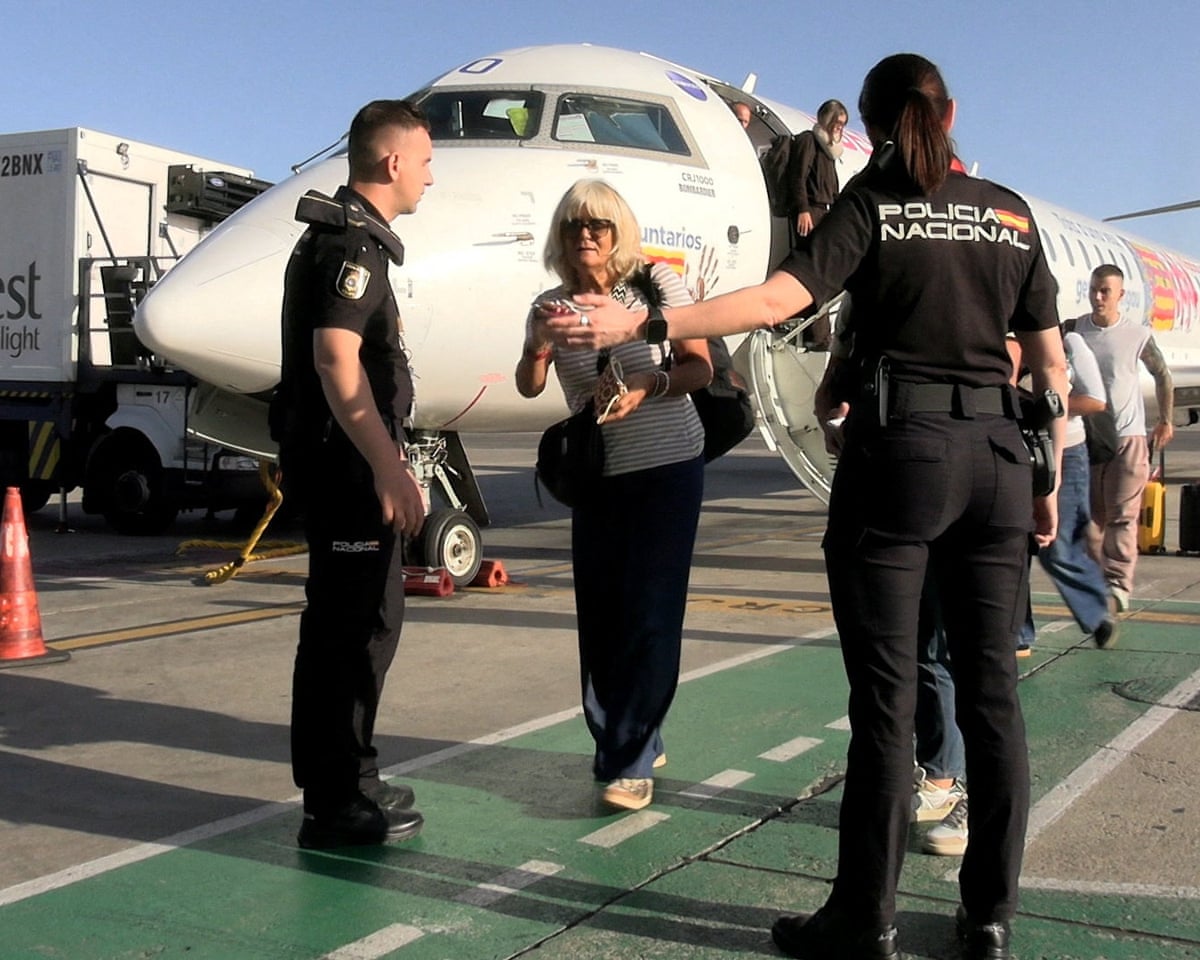
Italy and Spain have ended mutual border controls that were introduced following the Ceuta border crisis. The two countries' interior ministers held a telephone conversation and agreed that the suspensions of Schengen border-free travel rules would not be extended further.
The decision, which came after a careful analysis of the situation, will be accompanied by a strengthening of the exchange of information to ensure the full security of the Schengen common area.
Which countries are warning citizens about European travel?
Thailand has advised its citizens to postpone non-essential travel to parts of Europe affected by ongoing protests, while Malaysia issued similar warnings about visiting France. Thai foreign minister Sihasak Phungketkeow told reporters on 21 October that the situation was changing rapidly and remained a concern.
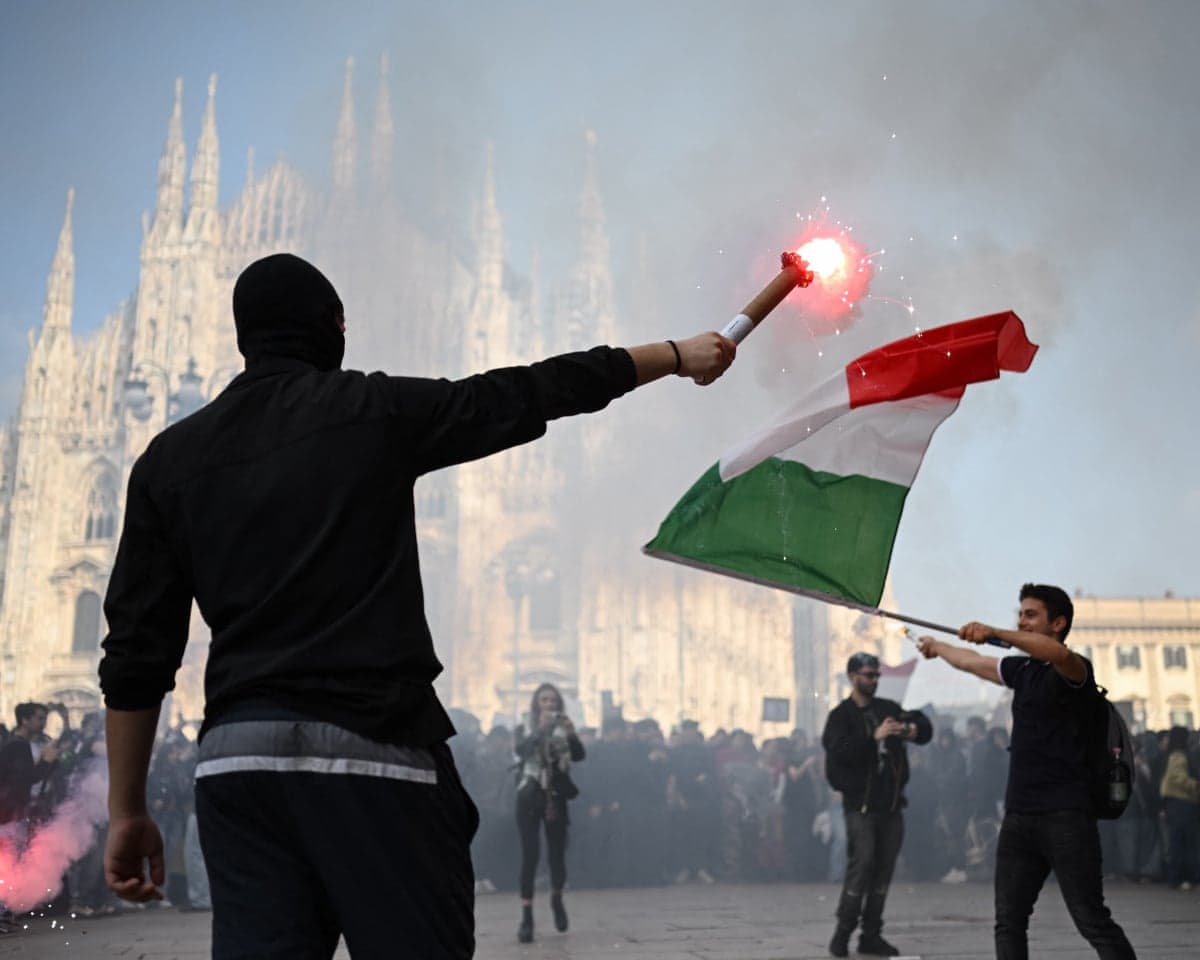
Those travelling from Thailand to Europe must closely monitor the situation as it is changing rapidly and remains a concern as the situation is still ongoing.Phungketkeow noted that his Italian counterpart had to cancel their bilateral meeting due to an urgent government cabinet session on the unrest.
We are also worried about Spain. If it's not necessary, with everything going on in those countries, I think it's better to delay the trip for a while.
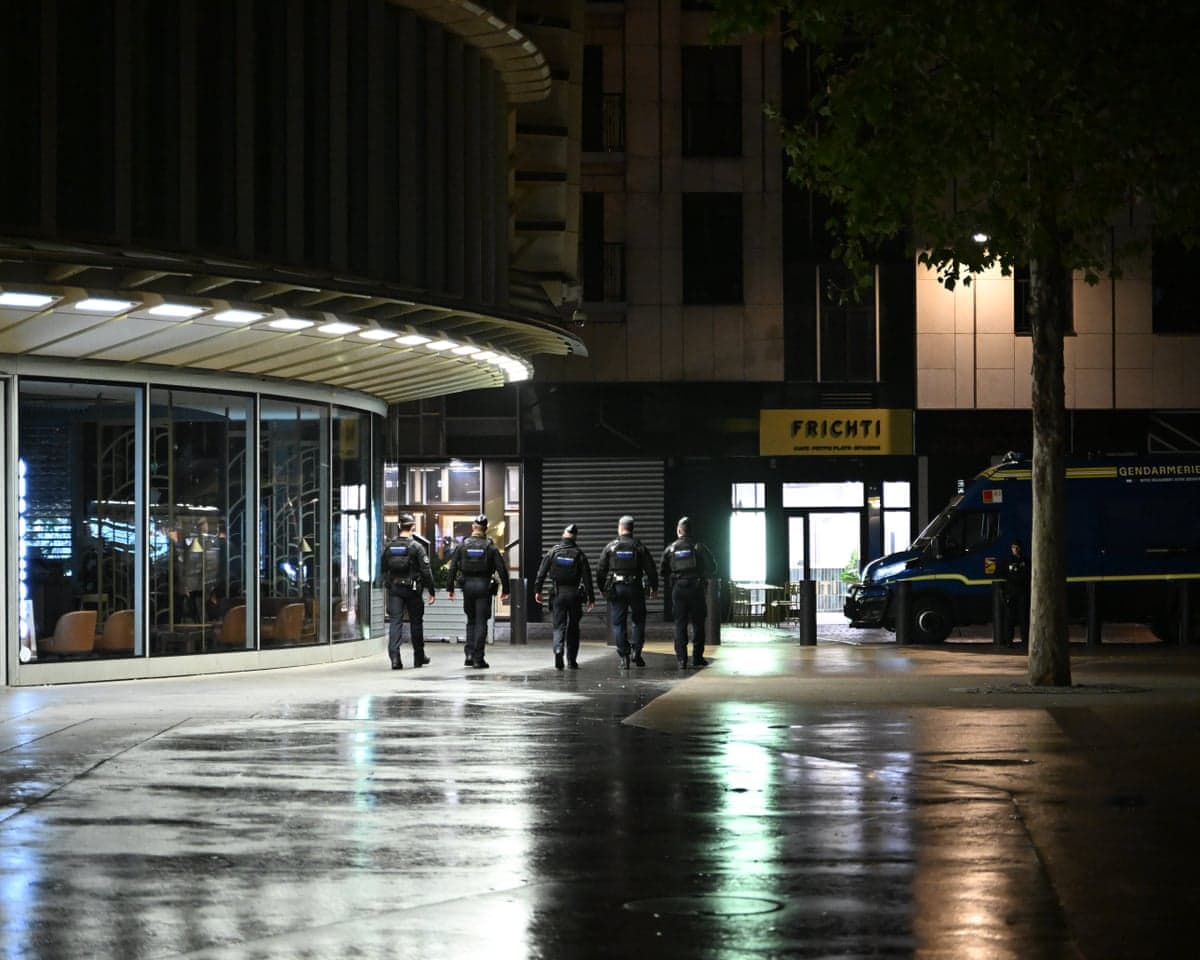
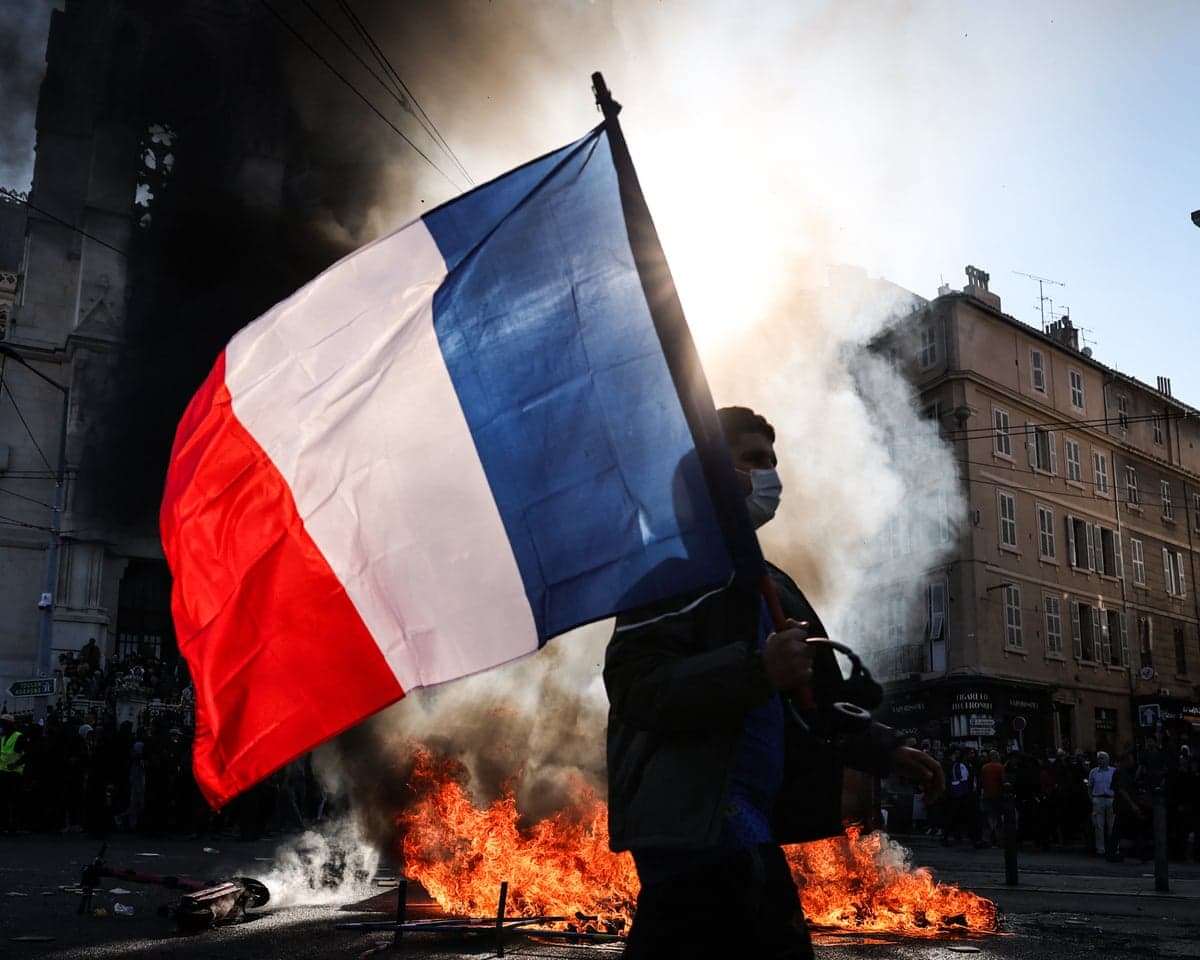
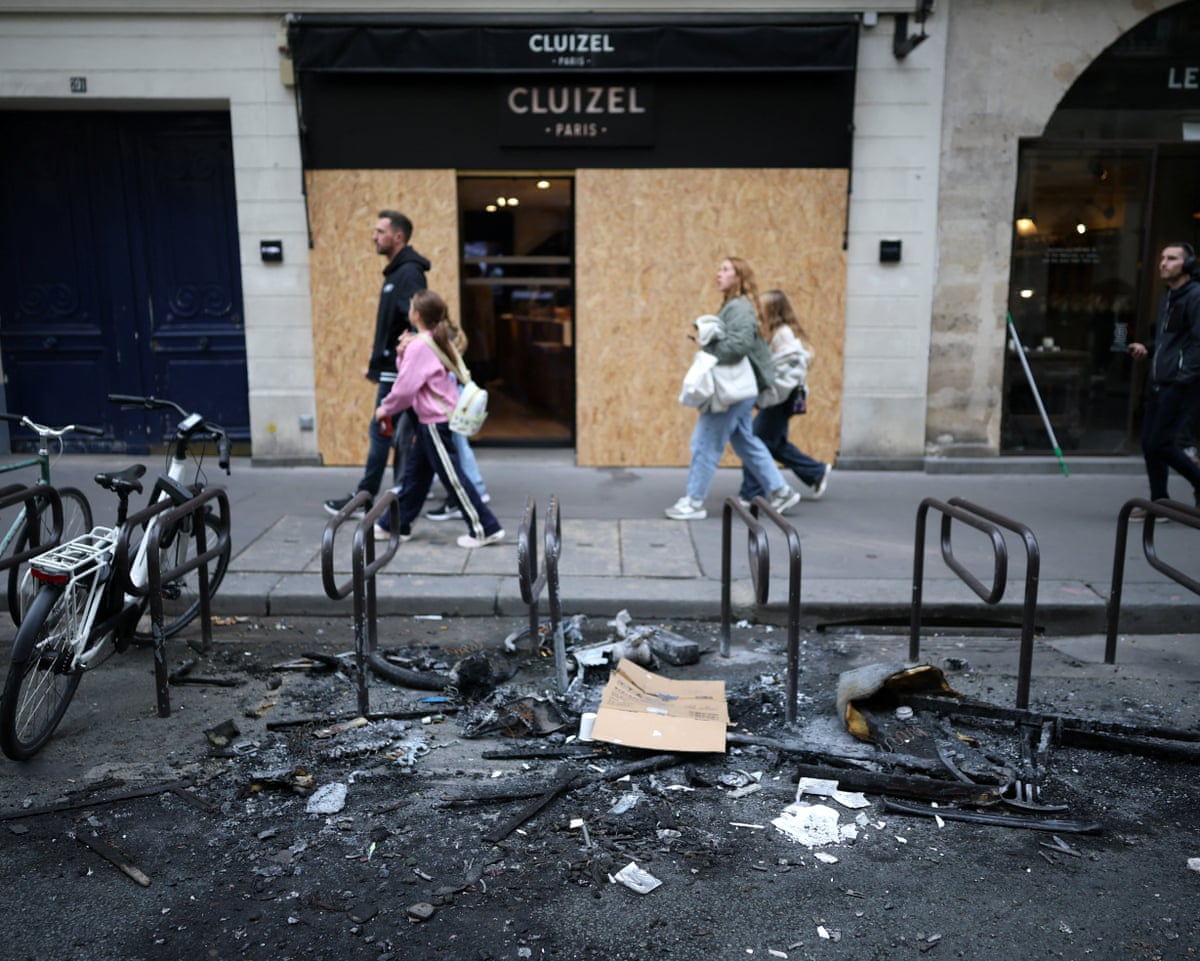
The Malaysian embassy in Paris had advised Malaysians in France to exercise caution and remain vigilant due to the protests. China also warned its citizens travelling to France to take safety precautions, according to state broadcaster CCTV reporting from 21 October, after town halls and shops were looted and set on fire over the weekend.
What is Macron doing about the protests?
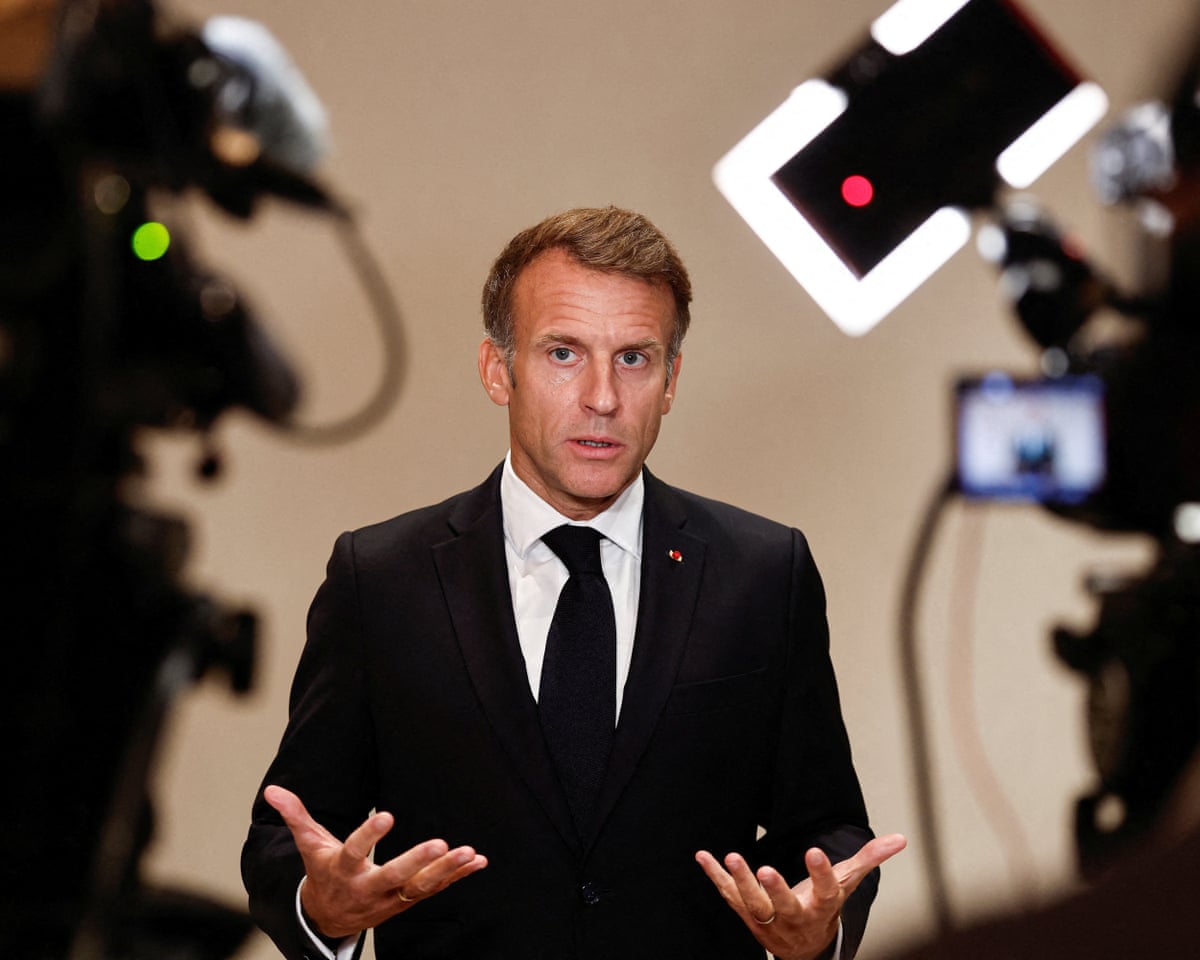
French president Emmanuel Macron returned from his tour of the Gulf and convened a security council meeting with relevant ministers and intelligence services to address the escalating unrest. The gathering aimed to develop strategies to prevent further disorder as additional protests were scheduled for Saturday, 26 October.
The government must hold its nerve,Macron told reporters earlier in the week. He was expected to address the media following the security meeting.
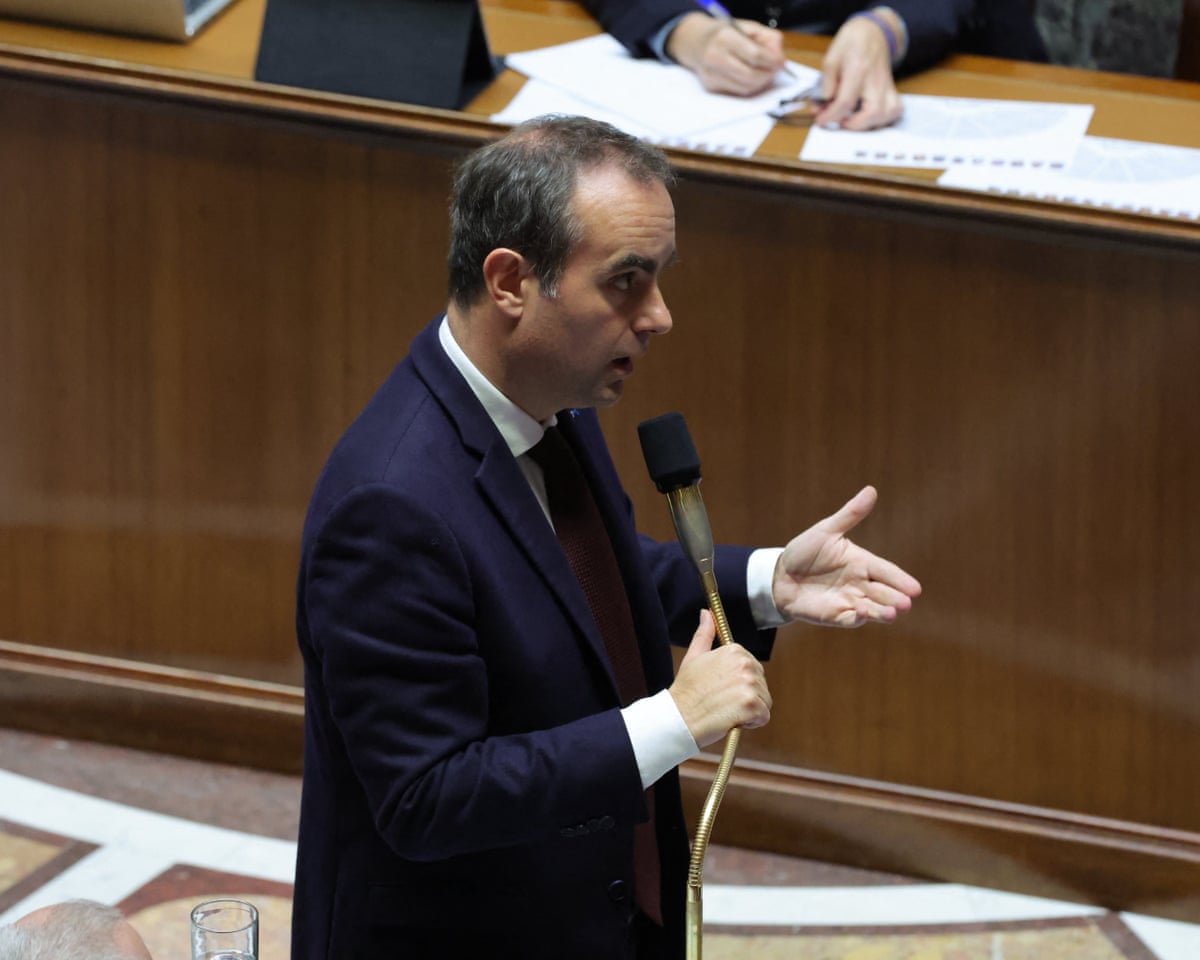
Later on 22 October, French prime minister Sébastien Lecornu held a separate meeting with party leaders to discuss their concerns, including matters related to policing and the presidential campaign scheduled for the following year.
What is the situation in Odesa?
Beyond Kyiv, Russia showed no signs of halting its military operations. The port city of Odesa and surrounding regions experienced what Ukrainian officials described as "massive strikes" targeting port infrastructure facilities. The continued assault demonstrated that Russian military pressure extended across multiple Ukrainian cities and strategic locations.
What happens next in the peace process?
The Kremlin indicated that trilateral talks involving Russia, Ukraine, and the United States could resume after 10 November 2026, following the US midterm elections. This timeline suggests that diplomatic efforts, despite the current military escalation, may continue through established channels in the coming weeks.
What is happening in Serbia?
In Serbia, the final day of campaigning began before the closely contested parliamentary election scheduled for Sunday, 24 October 2026. The vote was expected to be competitive, with multiple parties vying for seats in the national assembly.