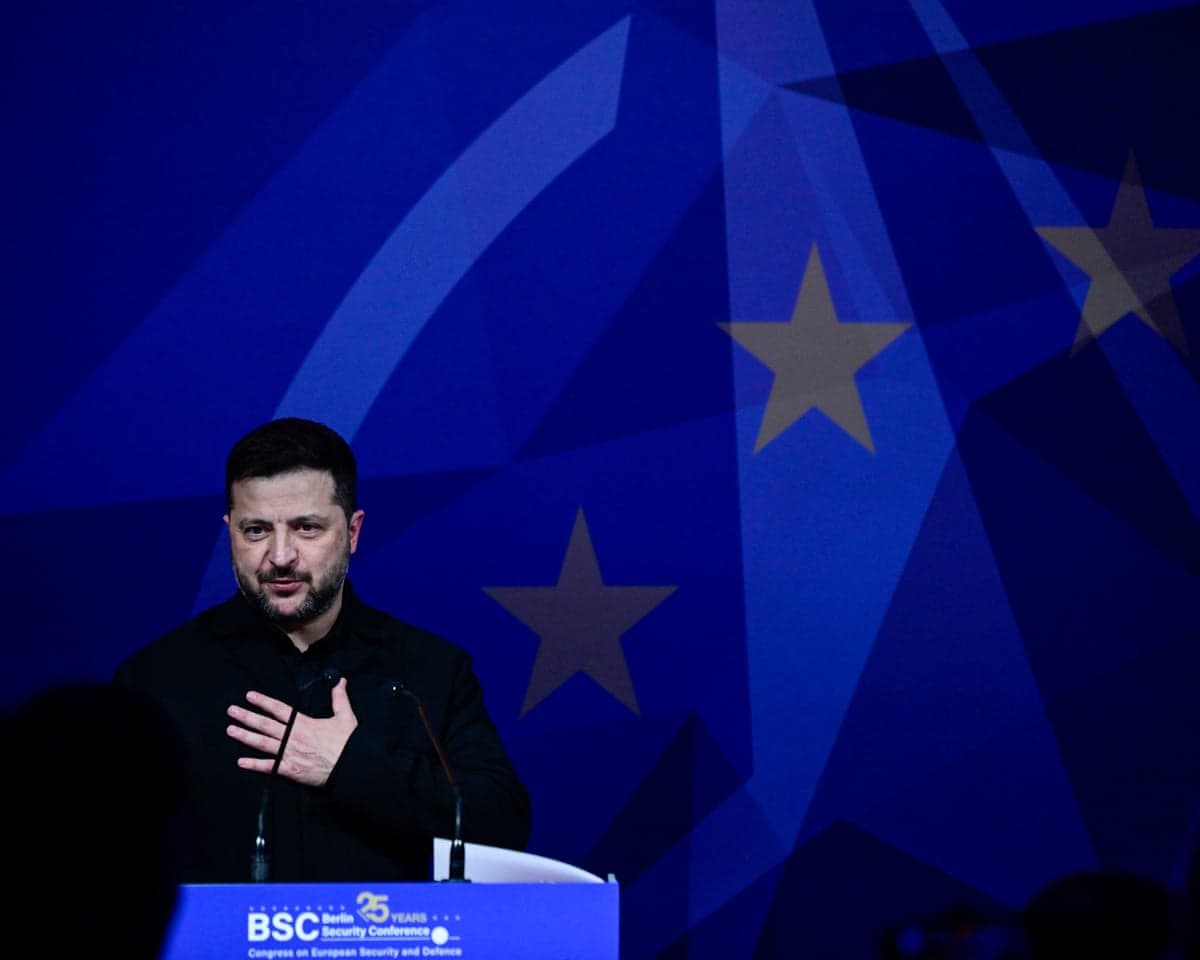
The European Commission is convening talks with the United States, France, Germany, Britain, NATO, and other partners to coordinate the next phase of assistance for Ukraine, focusing on winter support and backing for US-led peace negotiations scheduled for Abu Dhabi. According to The Guardian, the discussions come as Ukraine faces sustained Russian military pressure and European capitals respond to the outcome of US midterm elections.
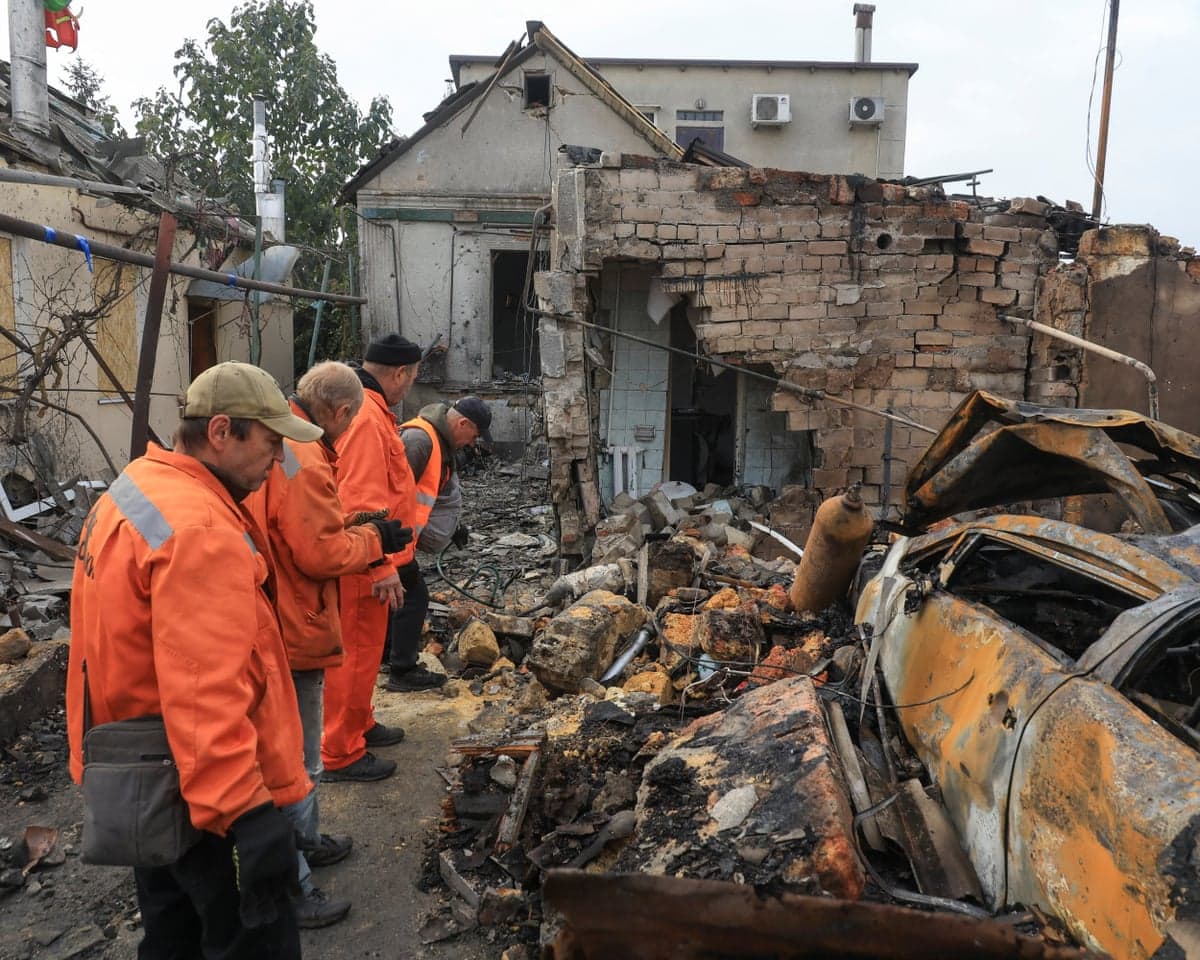
Trump's special envoy Steve Witkoff confirmed that American negotiators will participate in the Brussels meeting. The timing coincides with another wave of Russian strikes on Ukrainian infrastructure, with power stations in Kyiv and Zhytomyr targeted overnight, along with a cargo vessel near Odesa.
The Brussels meeting builds on earlier consultations held in Miami involving Ukraine and the US, and represents an effort to establish a coordinated European position ahead of trilateral negotiations. The Commission's Brussels meeting is expected to focus on Ukraine's post-war reconstruction and economic recovery, with the World Bank among the participants, though representation from Kyiv and Washington remains uncertain.
Ukraine faces a significant financial challenge in the coming year. According to Euronews, Ukraine faces an estimated €70 billion funding shortfall next year, underscoring the scale of reconstruction needs even as military operations continue.

What are the next steps in peace negotiations?
US-brokered trilateral talks involving Ukraine, the United States, and Russia are scheduled for November 10–11 in Abu Dhabi. These negotiations represent a critical moment for diplomatic efforts to address the conflict, with European capitals closely monitoring developments. Ukraine's President Volodymyr Zelenskyy was in Berlin on Tuesday seeking more support for air defences and protection of energy infrastructure, signalling Kyiv's focus on strengthening its defensive capabilities during ongoing negotiations.
When could Montenegro join the EU?
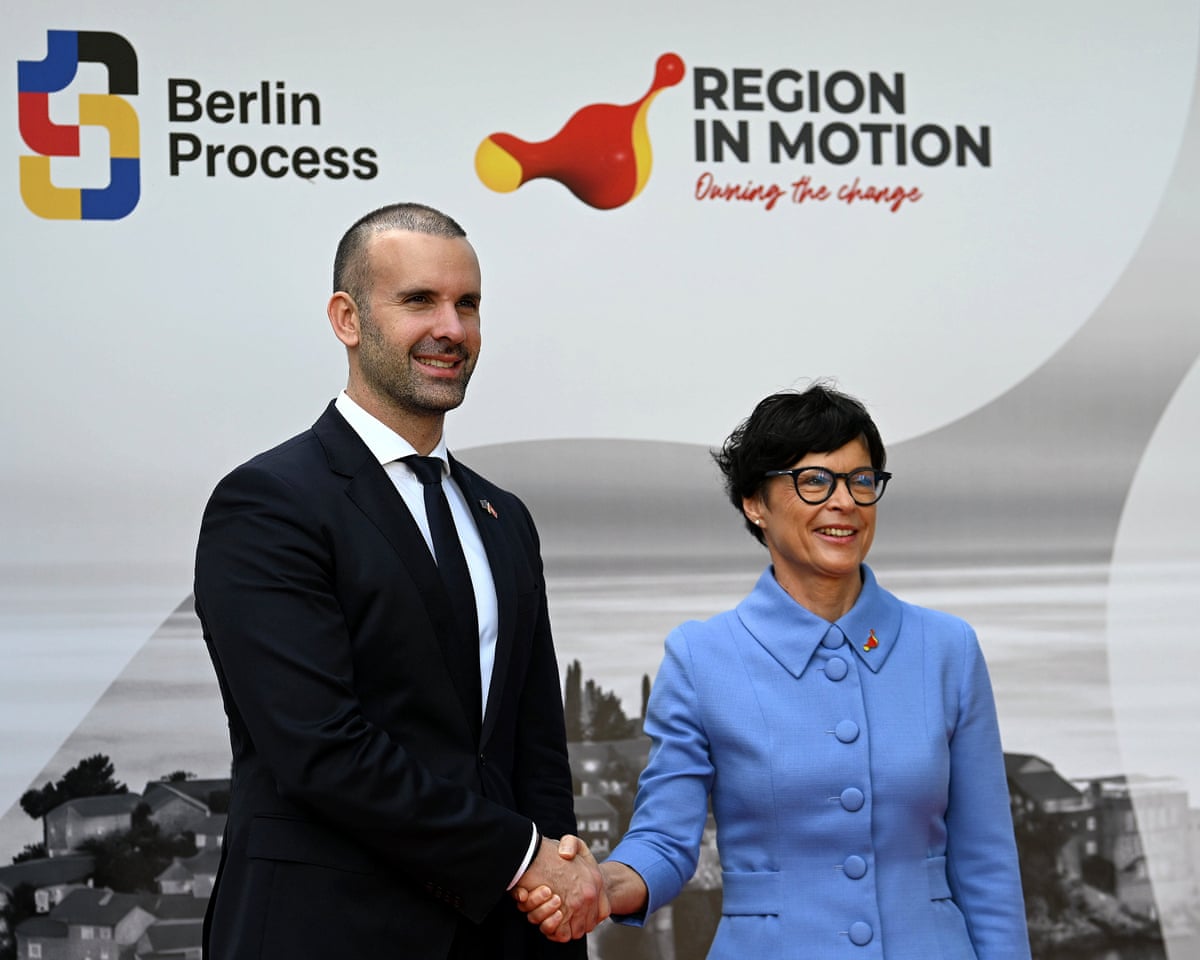
The European Union could conclude accession negotiations with Montenegro by the end of 2026 and sign an accession treaty as soon as June 2027, the European Commission announced. If the treaty is signed in mid-2027, Montenegro could join the bloc as early as 2028, according to German news agency dpa. All current 27 member countries must ratify an accession treaty for membership to take effect.
The Commission noted that this represents a significant milestone.
For the first time since 2011, when the EU closed accession negotiations with Croatia, the EU is in a position to soon close accession negotiations with another candidate country, Montenegro,the EU's executive said in its annual enlargement policy report.
Montenegro has made substantial progress on the accession path. The Commission said Montenegro has provisionally closed 21 accession chapters, with the remaining chapters potentially closable by year-end, subject to member states' agreement. EU Enlargement Commissioner Marta Kos said Montenegro could be ready to sign its accession treaty as soon as June 2027.
How are European leaders responding to the US election results?
European political figures have offered varied reactions to the midterm election outcome, with many expressing cautious optimism about the implications for transatlantic relations and Ukraine policy.
Poland's Prime Minister Donald Tusk declared that
democracy won in Americaduring a meeting with Czech Prime Minister Andrej Babiš in Warsaw.
Democracy is amazing; I love democracy, it's a beautiful thing,Tusk said. He expressed hope that the election result would stabilise the regional situation, though he cautioned against excessive use of executive veto power as a governing method—an apparent reference to domestic political tensions.
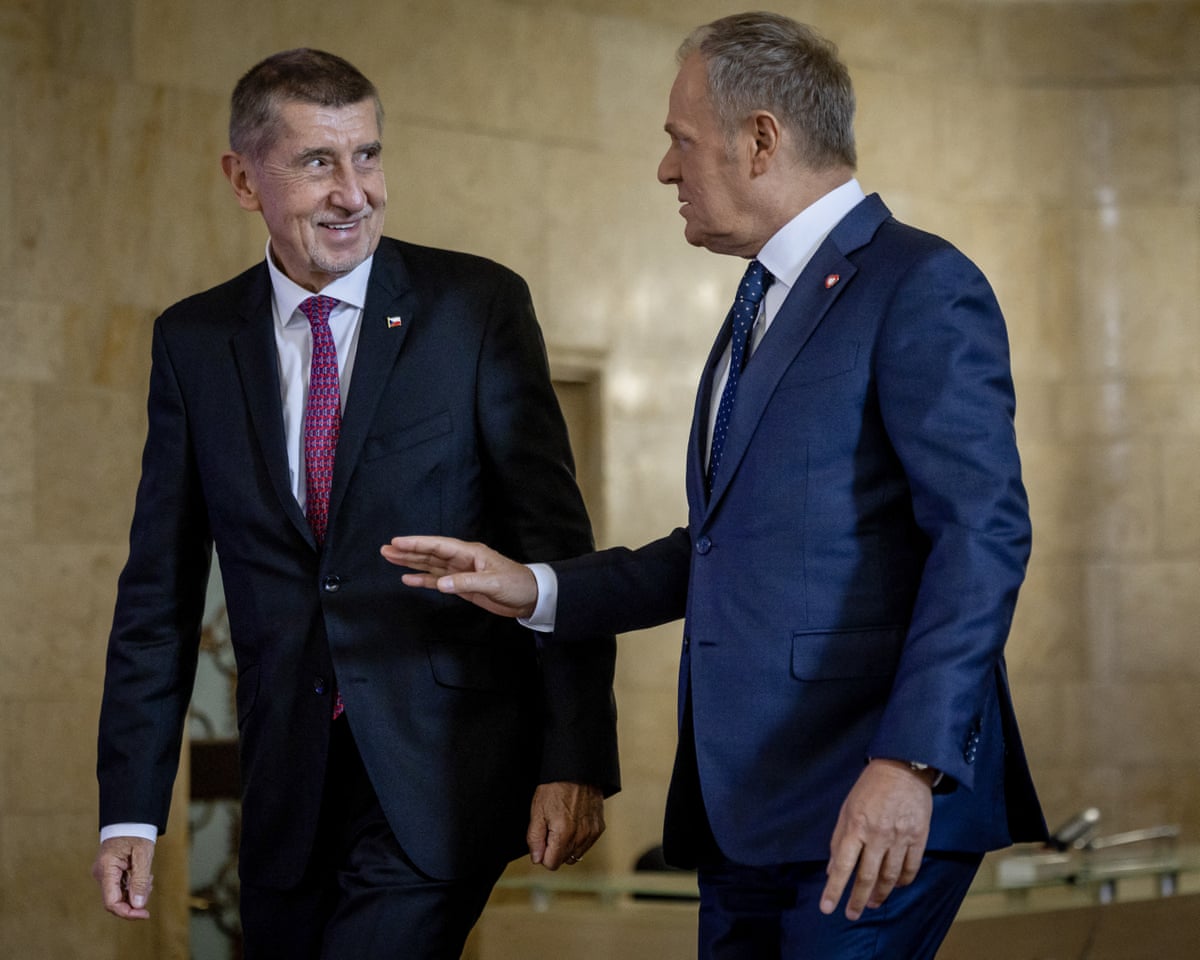
Babiš acknowledged that the results were
as expectedand highlighted the significance of Republican losses in traditionally conservative areas.
I am not expecting some sort of major change … but let's see what he comes up with. What we need … is to end these two wars,he said, referring to the Russian invasion of Ukraine and the crisis in the Hormuz Strait, and stressing their costs for Europe.
Belgian Defence Minister Theo Francken warned of governance challenges ahead.
Governing in the United States will be almost impossible in the coming years given the level of internal division and polarisation. As a European politician I will mainly look of course to trade policies, support to Ukraine and Nato.
German Defence Minister Boris Pistorius congratulated the Democrats
from the bottom of his hearton their victory, describing it as a
historic victoryfor the party. He signalled continuity in transatlantic relations:
So for us this means we will continue our relationship based on trust and cooperation with the administration. … And, like in the past, we will have a close working relationship with the Democrats.He acknowledged uncertainty about future US policy direction, noting that
it depends, to some extent, on what the American president intends to do following these elections.
Norwegian Prime Minister Jonas Gahr Støre characterised the election as
a powerful political signal about a change of course among American voters.He noted that
voices are now emerging in American politics that are closer to us than the president and the administration have stood for, for example on climate and environment, and in foreign policy and development aid policy.
French Finance Minister Roland Lescure outlined two possible paths forward for the Trump administration:
Either he decides to rise above the fray – acknowledging that changes are necessary, particularly regarding gasoline prices, which directly affect people – and, I might add, he tones down his international involvement; or he does not.He added that
frankly, this is something we will need to keep an eye on in the coming days.
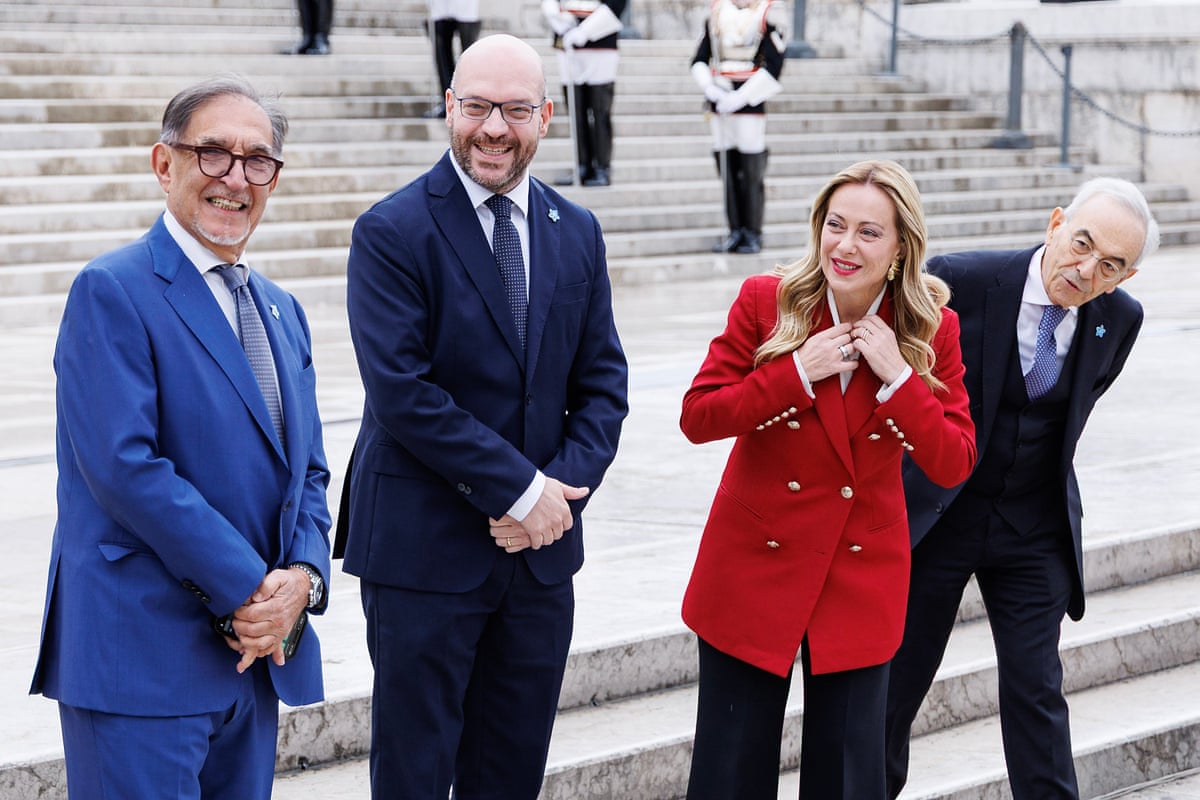
Italy's Prime Minister Giorgia Meloni declined to offer immediate commentary on the US elections, telling reporters:
We'll talk about America some other time. Right now, it's Armed Forces Day, 4 November.However, Italian opposition figures celebrated the result. Former Prime Minister Matteo Renzi called it
wonderfuland a response to Trump's
abuseof his position, adding that
Trump has another two years to go, but the Maga movement has been severely weakened, if not defeated.MEP Sandro Gozi said the electorate's verdict
offers renewed hope that the next two years will mark the beginning of the end of the Trump era.
Spain's Socialist Prime Minister Pedro Sánchez, who has been Trump's most vocal European critic, celebrated the election results as evidence of a progressive fightback.
Yesterday, American society voted against the policies that only impoverish. Against hate. Against sexism. Against climate denialism and against the privileges of the elites.Facing his own electoral challenge in Spain's general election at month's end, Sánchez drew parallels between the US outcome and progressive victories elsewhere:
It happened in Brazil. It just happened in the US. And it will happen soon in Spain.
Poland's Foreign Minister Radosław Sikorski ridiculed Polish right-wing figures who have supported Trump, paraphrasing biblical language:
Truly I tell you, before the rooster crows, they will disown him three times.He also took aim at US billionaire Elon Musk, who donated hundreds of millions of dollars to Republican campaigns, reposting a comment that read:
See, big man, politics is harder than you thought.Musk himself appeared to view his campaign involvement with humour, posting:
Guess my election-interfering space lasers didn't work this time.
What is the Kremlin's position?
The Kremlin expressed hope that the US election results will not affect what it characterised as President Donald Trump's
peacemaking effortson Ukraine. Kremlin spokesperson Dmitry Peskov stated:
We are sincerely counting on [Trump] continuing his peacemaking efforts.This statement reflects Moscow's apparent confidence in Trump's willingness to pursue negotiations on terms favourable to Russian interests.