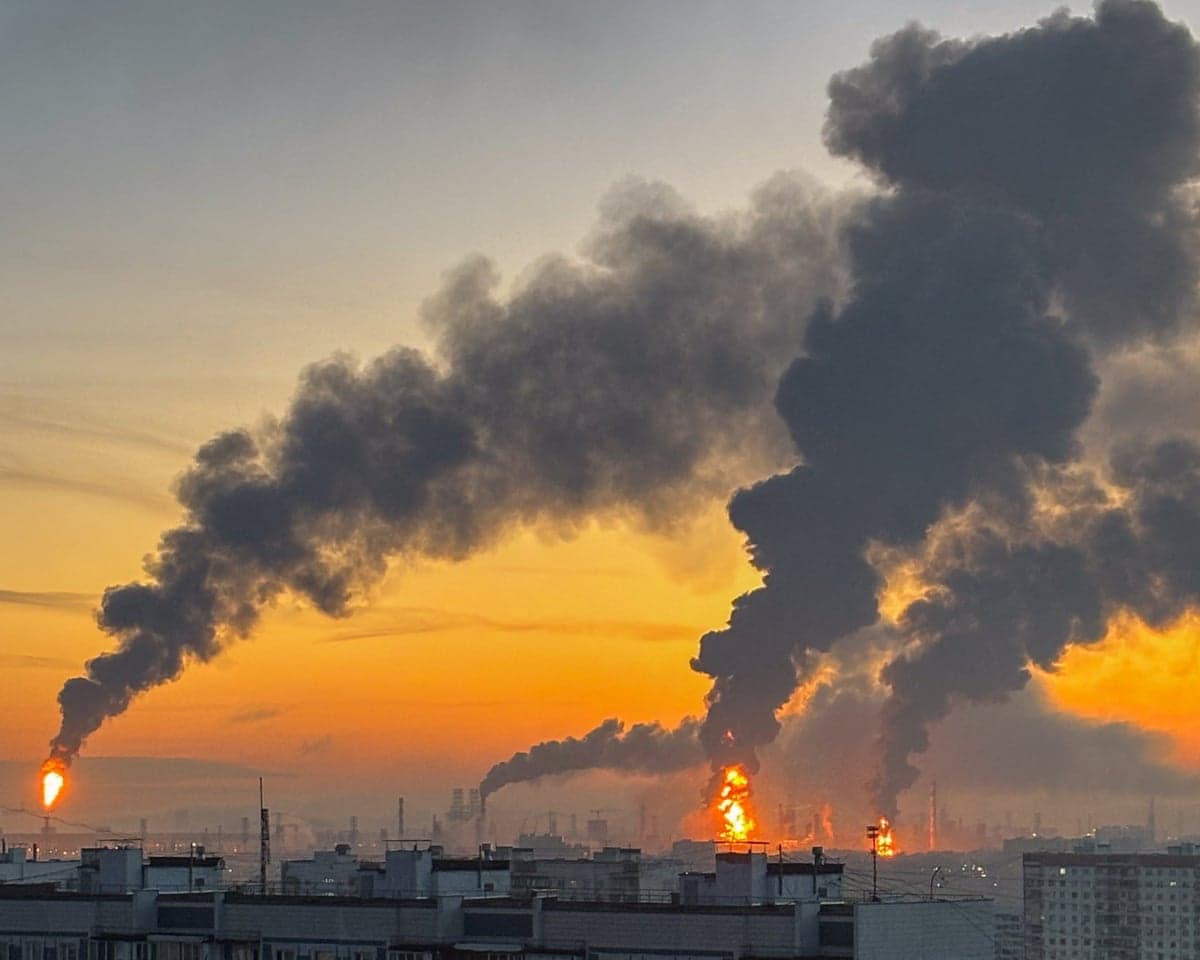
In a significant escalation of its long-range strike capability, Ukraine has conducted a major assault on Moscow and other Russian targets involving hundreds of drones and the first acknowledged deployment of ballistic missiles by Kyiv since the full-scale war began four and a half years ago.
The overnight operation resulted in at least two deaths and inflicted damage on what President Volodymyr Zelenskyy characterized as a critical facility within Russia's oil refining sector, according to statements released on Sunday. According to reports from the region, the death toll in the wider Moscow area extended to two fatalities and 20 injured persons, including three children.
Among the weapons systems deployed in the assault was the Pelican, a domestically manufactured short-range ballistic missile with an estimated operational range of approximately 350 kilometres (217 miles)—insufficient to reach Moscow directly. Zelenskyy indicated that the strike incorporated 10 distinct weapon categories, nearly all developed within Ukraine's own defence sector.
Ballistic missiles travel at velocities several times the speed of sound during their final descent, rendering them substantially more difficult to neutralize compared to slower cruise missiles and unmanned aerial systems. Ukraine had previously lacked indigenous ballistic missile technology until recent developments.
The Pelican is understood to represent the FP-7 model produced by Fire Point, Ukraine's most prolific manufacturer of extended-range drones and missiles. The company is simultaneously developing the FP-9, which possesses a range exceeding 500 miles and would theoretically enable strikes against Moscow; a test flight was anticipated for later in the autumn.
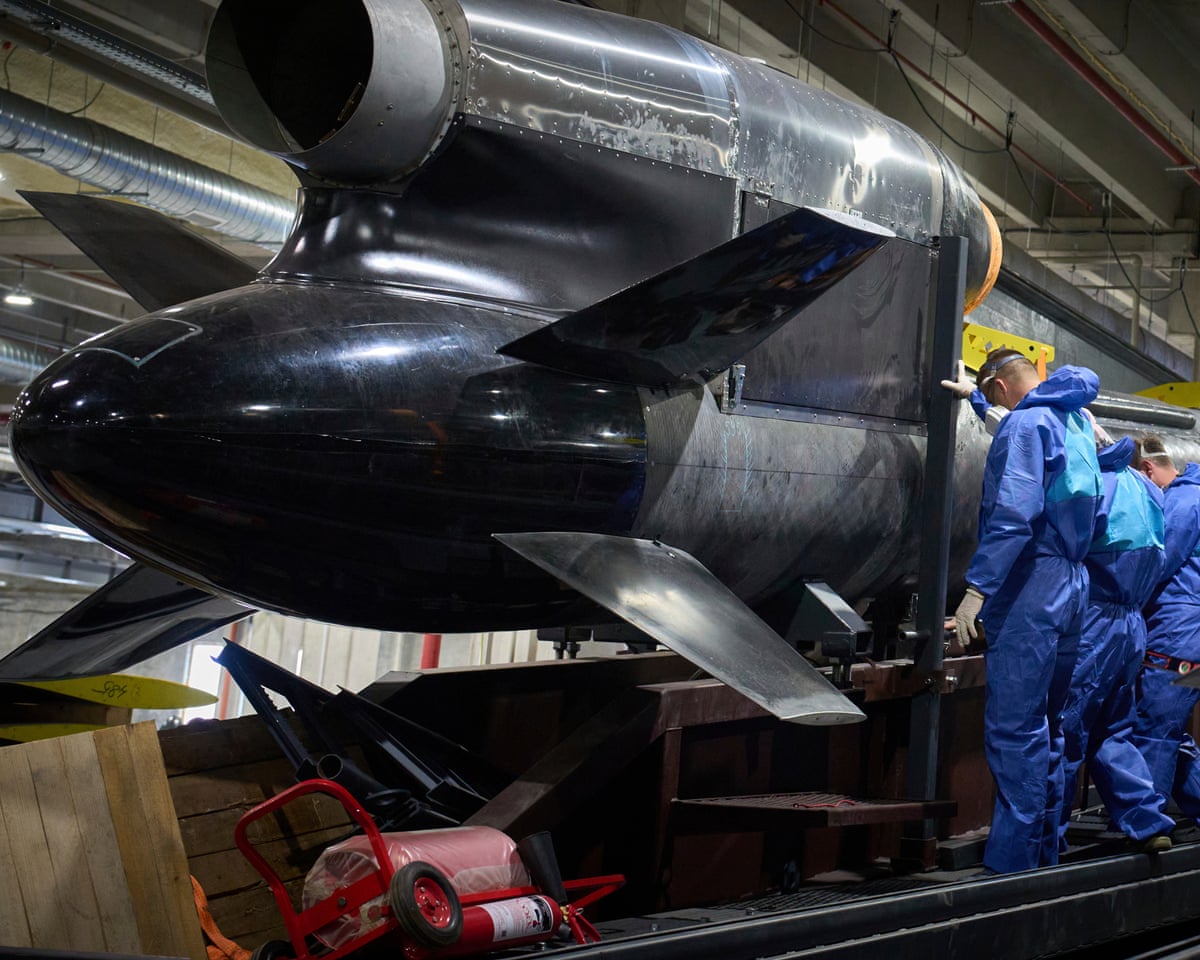
Zelenskyy further disclosed that Ukraine had deployed its domestically manufactured Flamingo cruise missiles to strike Moscow. This extended-range system has previously targeted objectives deep within Russian territory and possesses sufficient range to reach the nation's capital. Ukrainian and Russian social media channels distributed photographs purporting to show debris from a Flamingo missile recovered in the Moscow region, though these assertions could not be independently confirmed. Ruslan Leviev, director of the open-source investigation organization Conflict Intelligence Team, assessed that the debris likely originated from a Flamingo missile.
How many drones were involved in the attack?
Moscow's mayor, Sergey Sobyanin, reported that more than 1,600 unmanned systems had been intercepted and destroyed, with 450 specifically targeting Moscow, though such figures are frequently subject to exaggeration. According to Russia's Defence Ministry, 1,110 Ukrainian drones and other unmanned aerial vehicles were destroyed overnight—a figure distinct from Sobyanin's broader claim. Ukraine's documented daily drone strike rate typically falls within the low hundreds.
What damage occurred on the ground?
A residential structure comprising 21 storeys sustained damage when a drone struck it, necessitating the evacuation of 400 residents, according to Moscow's regional governor, Andrey Vorobyov. A facility within the Moscow oil refinery complex sustained damage in the assault. Sobyanin confirmed that one drone impacted a residential building but asserted that no residents were killed at that location. The refinery had already endured Ukrainian strikes in preceding months.

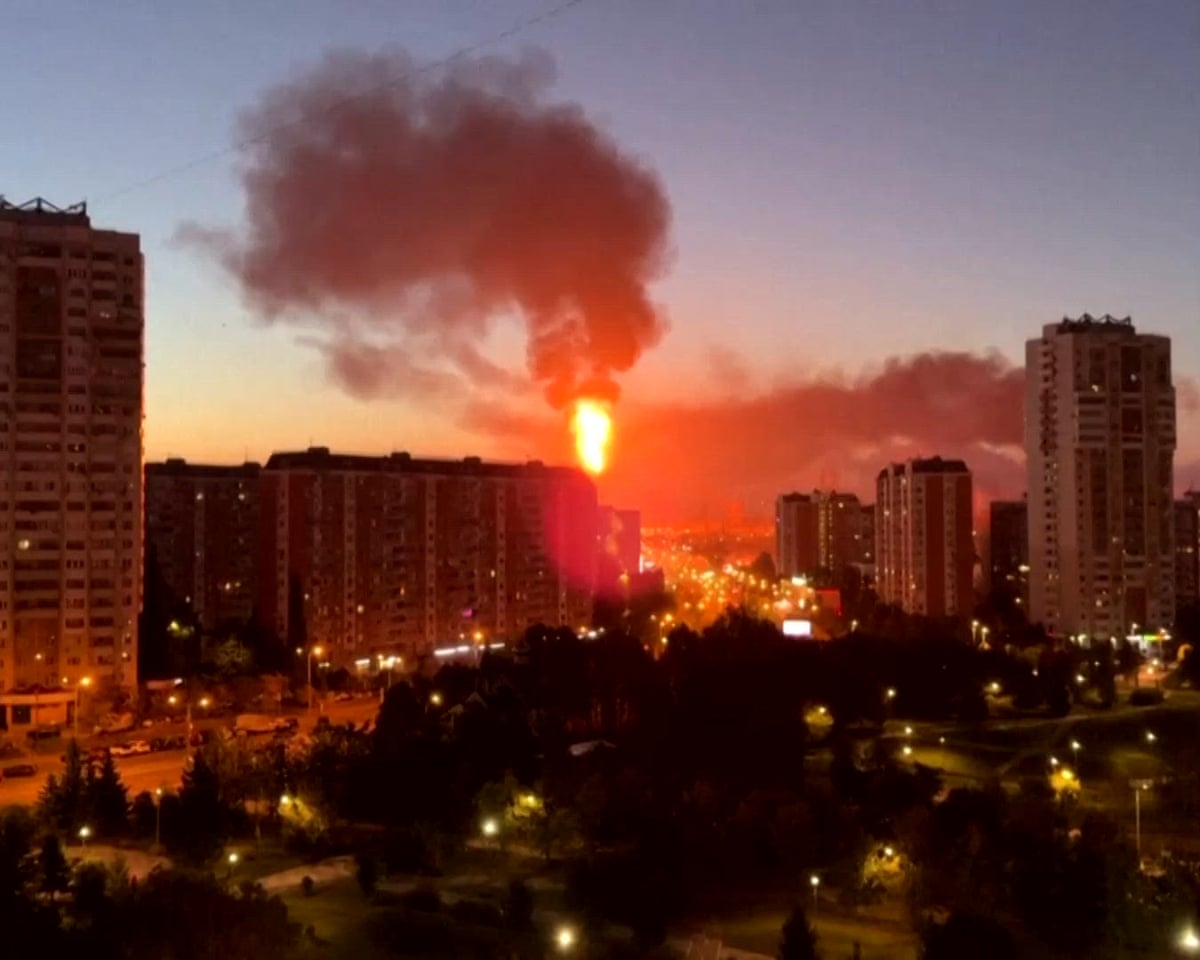
Moscow's regional governor reported that two individuals—a 44-year-old woman and an elderly man—were killed in separate incidents across the region. Emergency personnel were deployed to the affected sites.
Why did Russia blame Ukraine of election interference?
Sobyanin characterized the assault as deliberately orchestrated to disrupt Russia's three-day parliamentary election, which commenced on Friday and was concluding on Sunday. He stated:
The unprecedented attack was clearly planned with the aim of disrupting the elections. The enemy did not succeed.
The parliamentary vote has been widely regarded as a gauge of public backing for Putin's military campaign. Only political parties supporting Putin and the Kremlin's military objectives have been authorized to participate. Moscow has additionally organized voting in territories it occupies within Ukraine. Few observers anticipate anything other than a decisive victory for Putin's United Russia party, yet the election provides insight into the extent of domestic support for the ongoing conflict.
The timing of the assault proved particularly sensitive, arriving as Russia's parliamentary election entered its concluding phase. According to Russian state media reports, Moscow's electronic voting infrastructure came under a "powerful" cyberattack during the parliamentary balloting. Ella Pamfilova, head of the Russian Central Election Commission, characterized the digital assault as "very powerful," "literally non-stop," and "ongoing almost constantly."
What is Ukraine's strategic objective?
Ukraine has intensified its extended-range drone strike operations against Russia in recent months, concentrating particularly on energy infrastructure to disrupt a critical revenue source financing the Kremlin's military operations, now in its fifth year of full-scale conflict. Ukrainian strikes have eliminated a substantial portion of Russia's oil refining infrastructure, precipitating petroleum product scarcities, elevated fuel costs, and extended queues at petrol stations across numerous regions spanning Russia's 11 time zones.
The overnight operation extended beyond Moscow, with Ukrainian officials confirming that the assault also targeted Russian energy and logistics infrastructure in other locations. This represents an expansion of Kyiv's strategy to degrade Russia's capacity to sustain its military campaign through economic pressure.
What was the international context?
The strike sequence followed a statement by United States President Donald Trump on Monday in which he indicated that Ukraine and Russia had reached an understanding to refrain from targeting each other's energy infrastructure. The assault thus represents a significant departure from any such arrangement, should one have existed.
The operation also coincided with the final phase of Russia's first parliamentary election since its invasion of Ukraine in February 2022. The vote had commenced on Friday, with the assault occurring as balloting entered its concluding day on Sunday.
Key Facts
- Ukraine deployed ballistic missiles for the first time in the conflict, including the Pelican (FP-7) model with a 350-kilometre range and Flamingo cruise missiles capable of reaching Moscow
- The overnight assault involved hundreds of drones and resulted in at least two deaths and 20 injured in the Moscow region, with damage to critical oil refinery infrastructure
- Russian officials reported 1,110 drones destroyed overnight, while Moscow's mayor claimed over 1,600 intercepted since Saturday; Ukrainian officials simultaneously targeted energy and logistics infrastructure beyond the capital
- The attack coincided with the final day of Russia's parliamentary election, which Russian authorities framed as an attempt to disrupt voting; Moscow's electronic voting system simultaneously experienced what election officials described as a "very powerful" and "non-stop" cyberattack
- Ukraine's intensified long-range strike campaign aims to degrade Russia's oil refining capacity and disrupt the economic foundation supporting its military operations