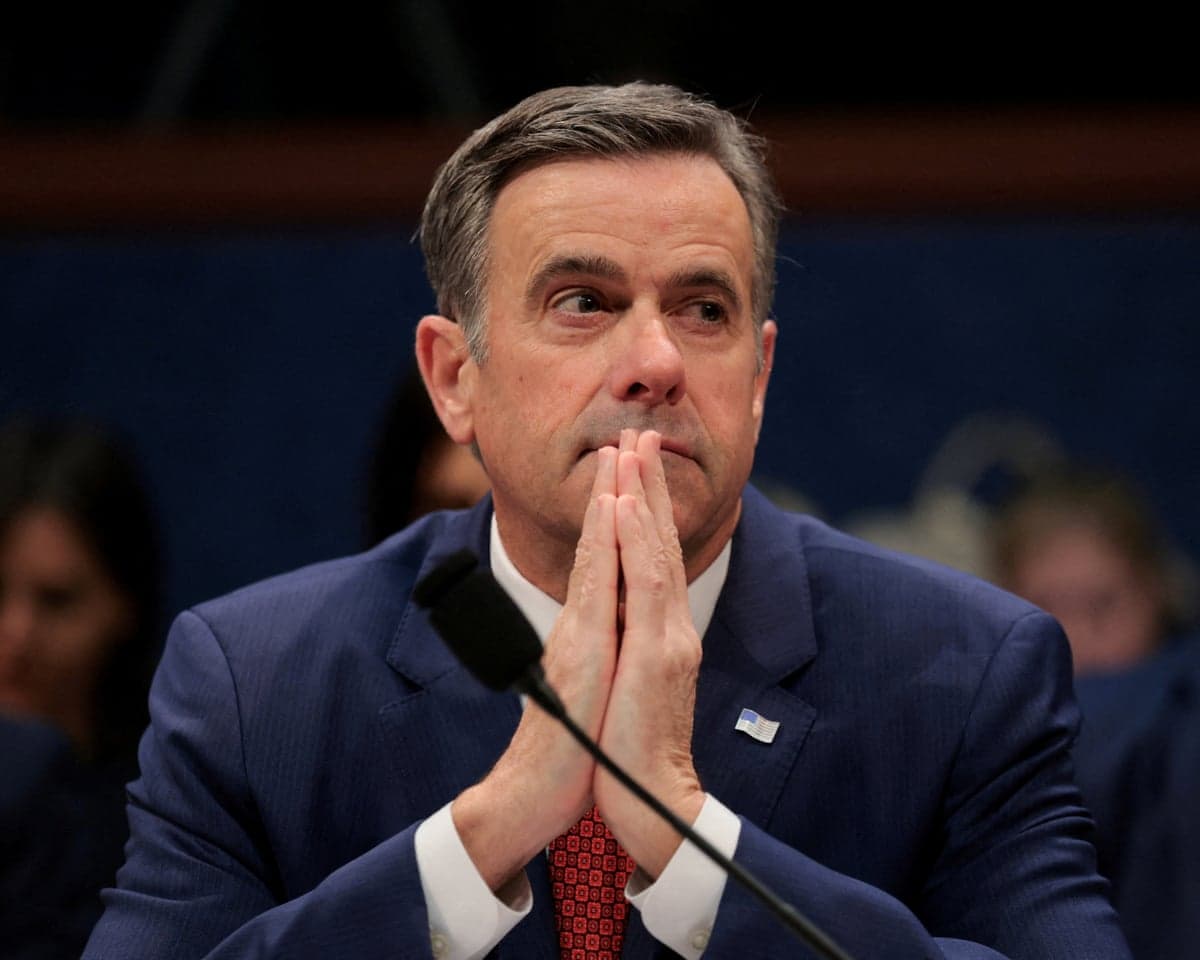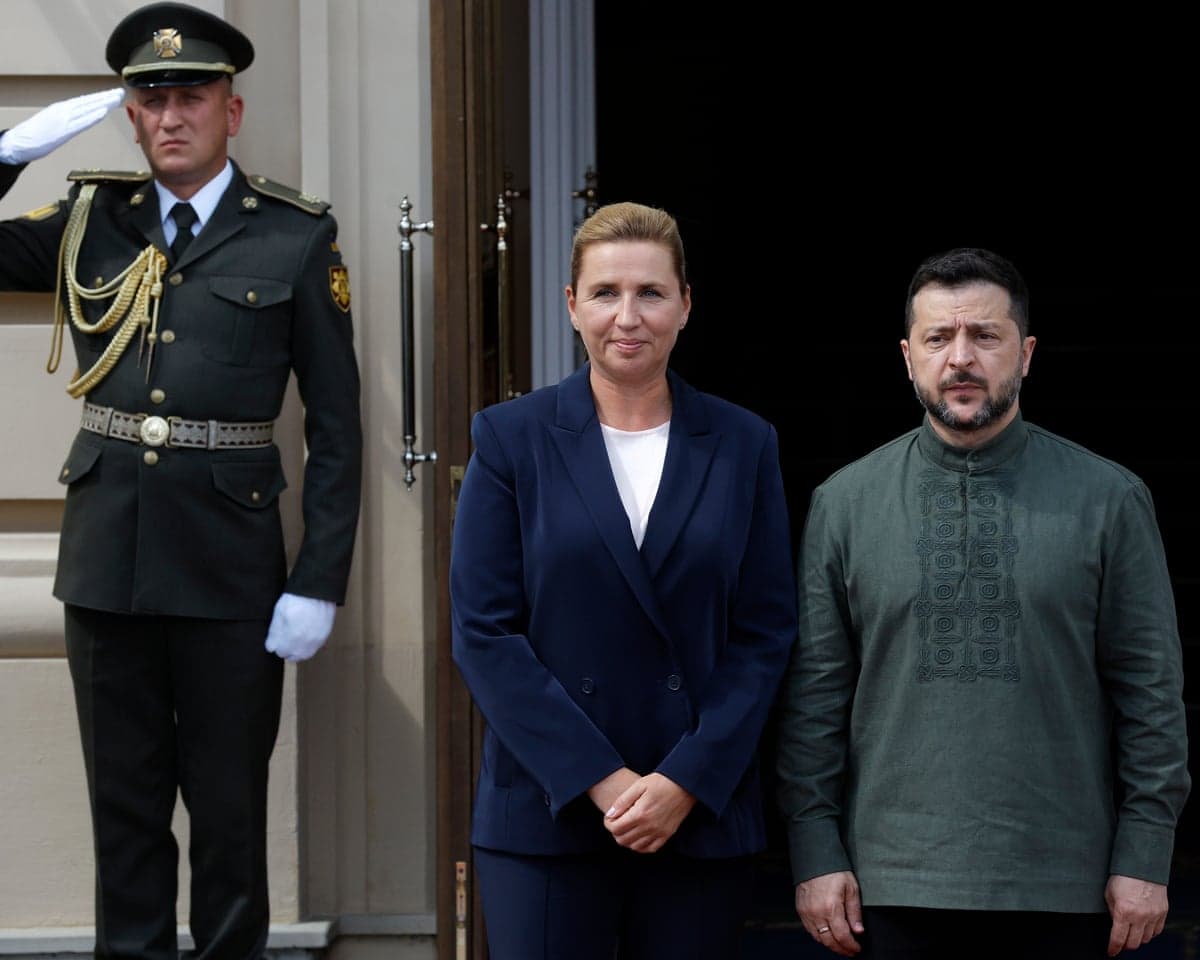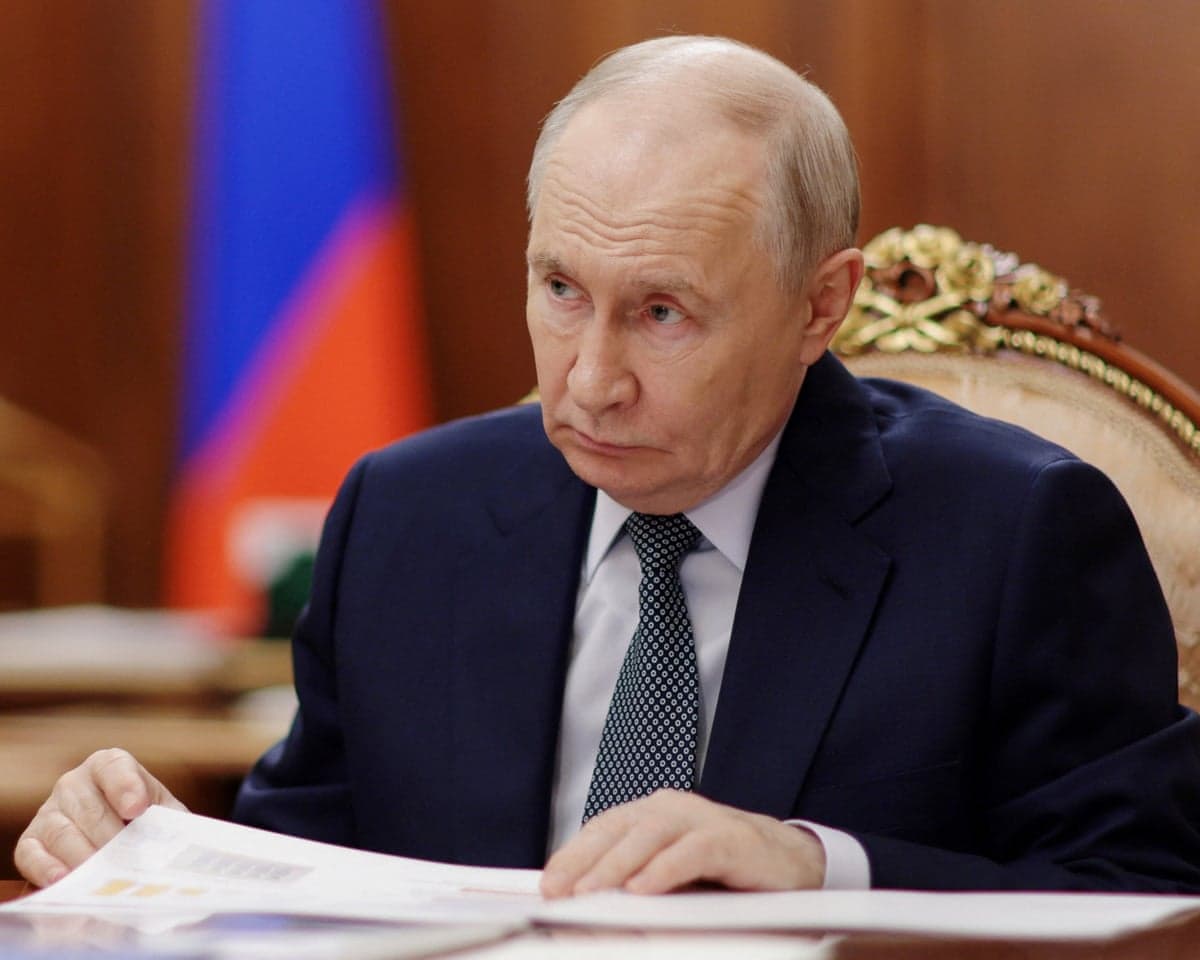
Moscow has warned it could strike British military installations in retaliation for London's support of Kyiv, following reports that CIA Director John Ratcliffe delivered a direct warning to Russian officials during a secretive visit this week against any assault on NATO member states.
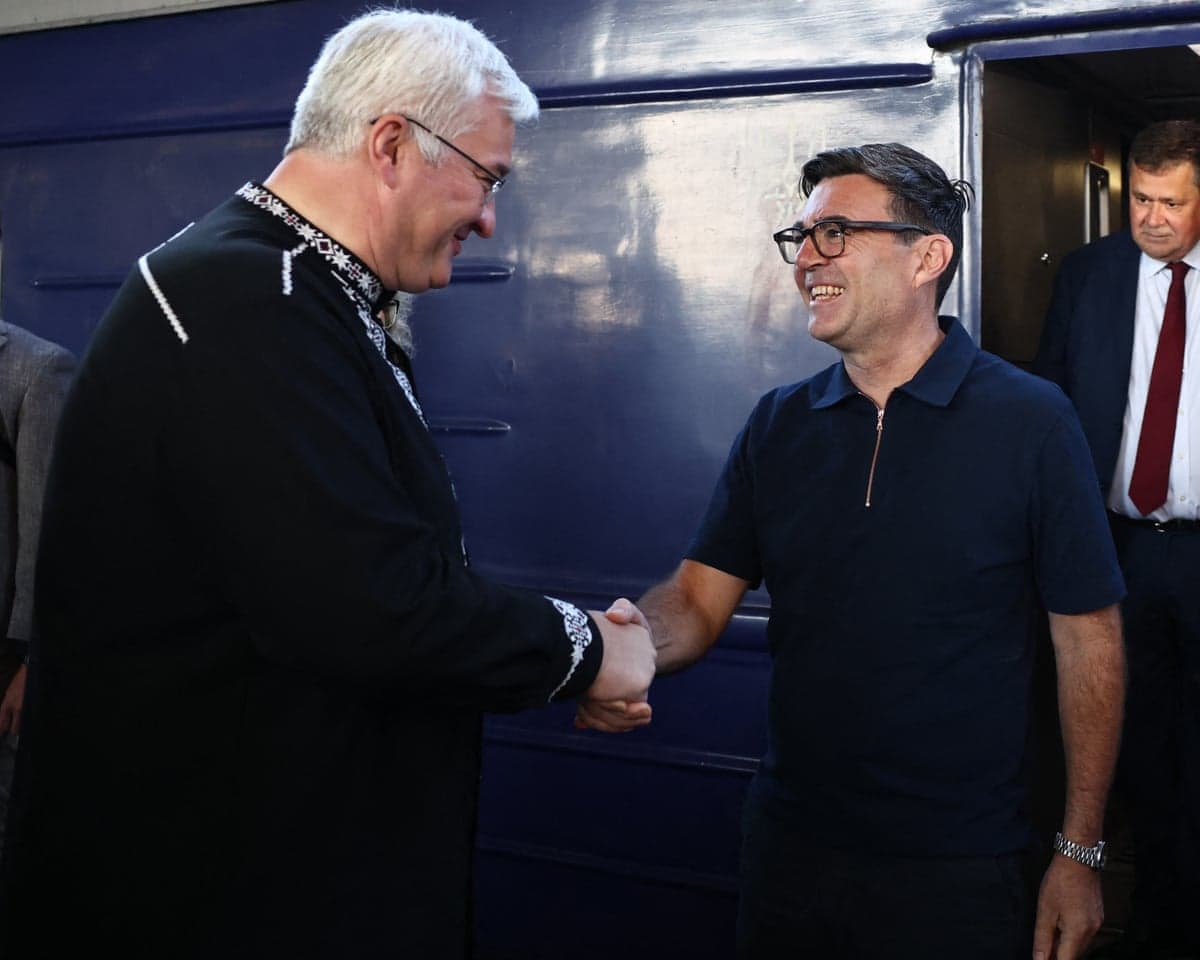
Prime Minister Andy Burnham announced on Monday that the UK would enable Ukraine to begin manufacturing its own Storm Shadow long-range cruise missiles domestically. The announcement came during Burnham's first foreign trip as prime minister, made on Ukraine's Independence Day. In response, Maria Zakharova, Russia's foreign ministry spokesperson, declared on Thursday that Britain and France were "playing with fire" over their support for Kyiv's weapons development.
According to reporting on Ratcliffe's Moscow visit, the CIA director cautioned Russian leadership against escalating military action against NATO, with particular emphasis on the Baltic states of Estonia, Latvia, and Lithuania. The warning followed a US intelligence assessment suggesting Russia might be considering a limited test of NATO's resolve, potentially ranging from cyber-attacks to a small-scale military incursion in a Baltic nation.
The Storm Shadow system, also known as SCALP, is a precision-guided cruise missile with a range exceeding 250 kilometres. UK defence firm MBDA is expected to release classified technical information on British-made Storm Shadow components to facilitate Ukrainian domestic production of the system.
Russia has responded to the missile-production announcement with explicit threats. According to Russian media coverage, the Kremlin is now directly threatening strikes on Ukrainian enterprises involved in producing long-range weapons systems.
When asked to address reports of Ratcliffe's visit and the accompanying Russian threats against UK targets, Dmitry Peskov, the Kremlin's spokesperson, dismissed the reports as unfounded.
A lot of this kind of scare-story material is being published right now. Of course, it has nothing to do with reality and nothing to do with the intentions of the Russian Federation.
Russia has made repeated threats against Ukraine's Western allies throughout the conflict, including veiled nuclear warnings and rhetoric apparently directed at diplomatic missions in Kyiv. The Kremlin has adopted increasingly aggressive language, much of it aimed at domestic audiences, as the war has intensified on Russian territory.

In recent days, Moscow has invoked its nuclear arsenal in disputes with Japan over the contested Kuril Islands and has characterised relations with the United States as a "crisis" at a historic low point. This pattern mirrors warnings the CIA issued before Russia's full-scale invasion of Ukraine in 2022—warnings that Moscow similarly denied at the time.
Why is the CIA chief's visit significant?
Ratcliffe's reported meeting with Russian counterparts represents an unusual diplomatic channel during a period of extreme tension. Both Russia and the United States have attempted to downplay the encounter's importance; Donald Trump described the visit on Wednesday as "semi routine." However, the secretive nature of the meeting has sparked intense speculation in both Western capitals and Moscow about what messages were conveyed and whether direct communication between intelligence services can influence Russian decision-making.
What is driving Russian escalation concerns?
Concerns about Moscow's intentions have intensified amid a documented rise in Russian hybrid warfare operations across Europe, attributed to Russian state actors. These incidents range from cyber-attacks and drone strikes to arson attacks on facilities connected to Ukraine's war effort. Russia is believed to be considering further escalation of its conflict with Ukraine following months of strikes on Ukrainian infrastructure and industrial sites, which have imposed mounting economic damage.
How are NATO allies responding?
Countries bordering Russia have moved swiftly to strengthen their military capabilities. Poland announced this week that it had received its first shipment of South Korean Black Panther main battle tanks, which will be stationed near the border with Russia's Kaliningrad region. Cezary Tomczyk, Poland's deputy defence minister, stated this month that Warsaw was preparing for the possibility of large-scale conflict.
We are preparing for war, hoping it never happens.
The UK's decision to support Ukrainian missile production builds on earlier commitments to Ukraine's defence. In previous months, NATO worked to urgently supply Ukraine with air defences after Kyiv struggled to intercept Russian ballistic missiles. Additionally, Russia previously warned the UK of consequences after British-made drones were confirmed to have struck Russian targets, and an MP called for government transparency over security at a Ukrainian-owned drone factory in the UK following Russian threats of potential retaliation against such facilities.
What happens next?
Ukraine and its French defence partners are expected to establish local assembly lines within Ukraine for Storm Shadow production. The intelligence concerns flagged by Ratcliffe's visit point to possible future Russian military activity targeting NATO in the Baltic region, though no specific timeline for such action has been disclosed in available reporting.
Key Facts:
- Prime Minister Burnham announced UK support for Ukrainian domestic Storm Shadow missile production on Ukraine's Independence Day
- CIA Director Ratcliffe warned Russian officials against escalating military action against NATO, particularly the Baltic states
- The Storm Shadow missile system has a range exceeding 250 kilometres and will be produced with British and French technical support
- Russia has explicitly threatened strikes on Ukrainian weapons-production facilities in response to the announcement
- NATO border states, particularly Poland, are rapidly increasing military readiness and equipment deployments