An MP representing West Suffolk has urged the government to demonstrate openness regarding protective measures for drone manufacturing facilities across the UK, following warnings from a former Russian official about potential retaliation against such sites.
The call comes after Andrei Fedorov, a former Russian deputy foreign minister, indicated to a national broadcaster that Moscow might orchestrate a
"semi-military" responseagainst British drone factories carried out by
"unknown sources"in retaliation for the UK government's decision to transfer cruise missile component designs to Ukraine.
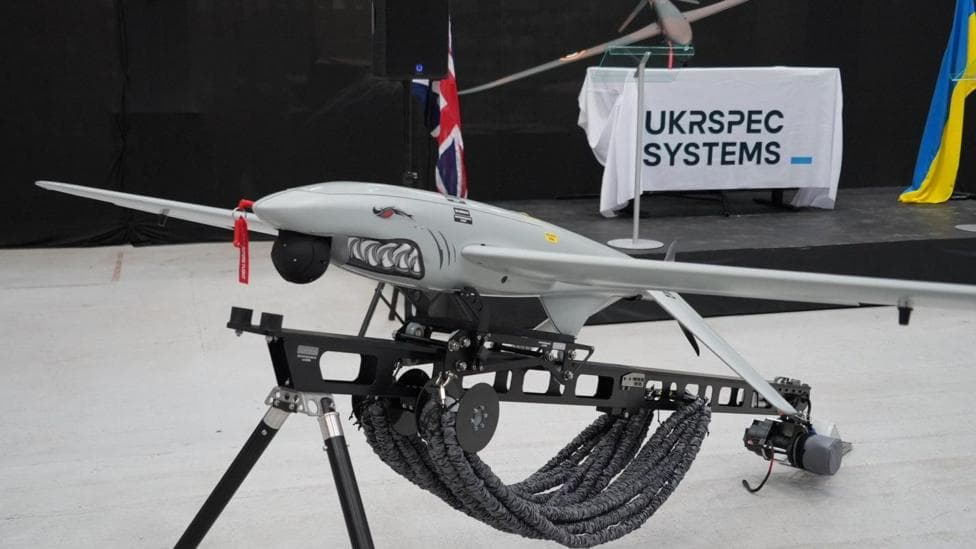
Nick Timothy, the Conservative MP for West Suffolk, represents Mildenhall, which hosts a newly established Ukrainian-owned manufacturing facility operated by Ukrspecsystems. The plant is capable of assembling approximately 1,000 drones monthly for Ukrainian armed forces. According to reporting on Kremlin warnings, the adviser cautioned that such facilities could face strikes from unidentified actors.
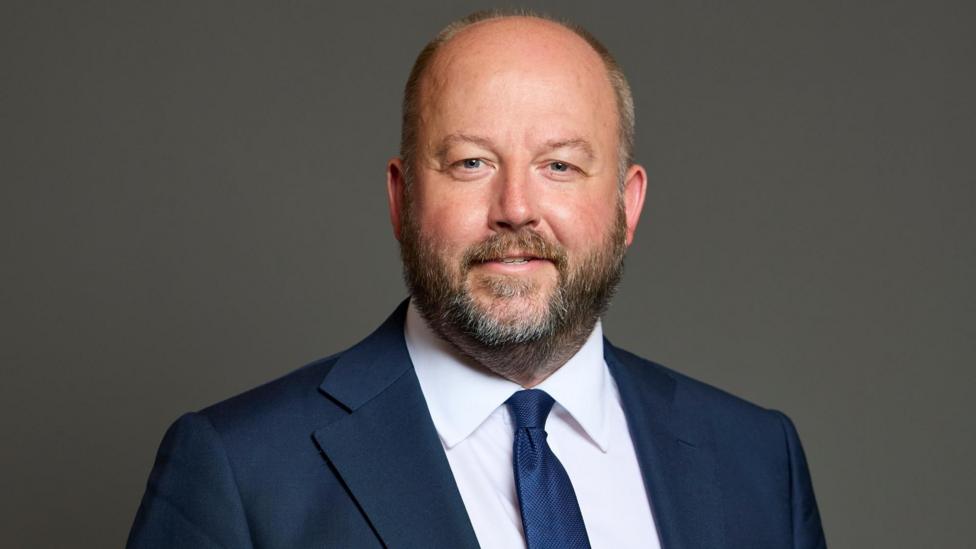
Prime Minister Andy Burnham travelled to Ukraine on 24 August 2026, where he met with President Volodymyr Zelensky in Kyiv to mark the nation's 35th independence anniversary. During this visit, the British government committed to sharing technical specifications for components used in the Scalp missile—the French designation for the UK's Storm Shadow cruise missile—enabling Ukraine to manufacture this long-range weapon independently.
This decision prompted criticism from the Kremlin. Dmitry Peskov, a Kremlin spokesman, condemned the move on 24 August, stating:
"Britain is involved in this war on the side of the Kyiv regime. Britain methodically and regularly adds fuel to the fire."In response, Burnham countered:
"Who started the fire? That's the question, isn't it?"
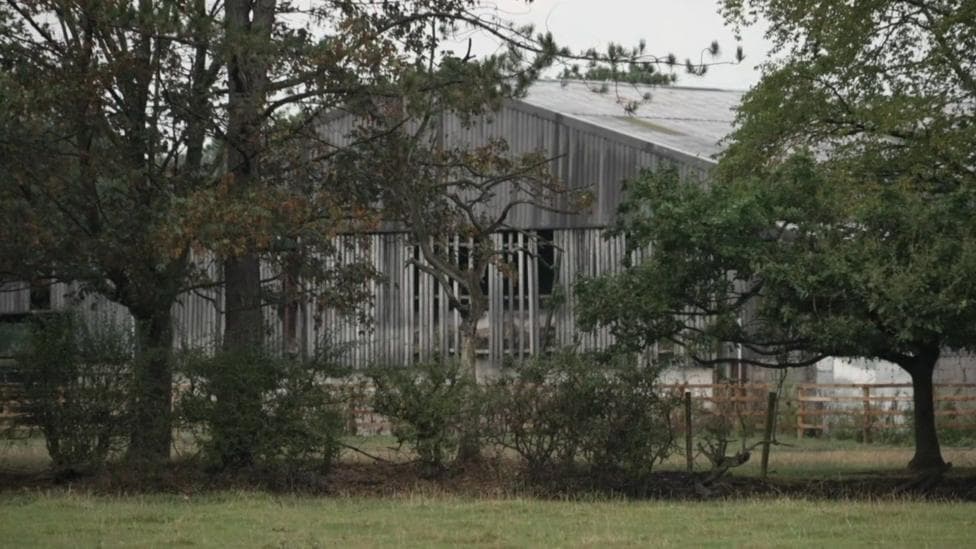
The Mildenhall facility, which began operations in February 2026 following a £200 million investment by Ukrspecsystems, represents a significant expansion of Ukrainian drone production capacity outside its borders. The company repurposed an existing building to establish the manufacturing operation. According to government announcements, the facility was expected to generate up to 500 jobs in the region.
Russia's defence ministry has previously circulated a list identifying sites across the UK and other European nations allegedly involved in drone production for Ukraine, with Mildenhall subsequently appearing in subsequent coverage of such designations. This context adds weight to concerns raised by local and national politicians about the facility's vulnerability.
What security measures are in place?
The Ministry of Defence has declined to disclose specific security protocols, reasoning that such transparency could inadvertently benefit potential adversaries. However, the department emphasised that safeguarding defence infrastructure remains a paramount concern for the current government.
In a statement, the MoD said:
"The first duty of government is national security. We take the security of our people, sites and local communities extremely seriously, and we continually review and strengthen our security arrangements. The public should be reassured that the UK and its allies remain vigilant against potential threats. We will not comment on specific security measures, but Russia should be in no doubt about the resolve of this government to stand against Russian aggression, in Ukraine and against the UK and our allies."
According to reporting from US military sources, US Air Forces in Europe stated they are
"on high alert"and working with local law enforcement to maintain security in the Mildenhall vicinity. A USAF spokesperson added:
"US Air Forces in Europe remain vigilant and ready to defend against any potential threats. We are committed to the safety of our airmen, families, mission partners and surrounding communities. We continue to work closely with our local law enforcement partners to ensure security measures are maintained."

The proximity of the drone factory to RAF Mildenhall, which hosts a US Air Force refuelling wing, has prompted speculation among local officials about the nature of potential threats. Andy Neal, a West Suffolk Independent councillor representing the ward containing the factory, suggested that while aerial bombardment might be deterred by the nearby military installation, sabotage could present a more realistic danger.
What are local concerns?
Residents and local representatives have expressed anxiety about the facility's security status and the absence of formal government communication regarding protective measures. Russell Leaman, Mayor of Mildenhall, stated:
"When a state like Russia says it may take retaliatory action and we have a large drone factory in Mildenhall, it's of concern. Day-to-day, I don't think it will affect too many people, but obviously there are some people that are anxious and worry. It would be nice to have some reassurance."
When asked whether Mildenhall Town Council had received any contact from government authorities offering reassurance or information about security arrangements, Leaman confirmed it had not. This lack of communication has intensified unease among residents employed at the facility and their families.
Councillor Neal also raised questions about the wisdom of publicly announcing the factory's location, suggesting that greater discretion might have been appropriate given the geopolitical context. He characterised the potential threat to workers and their families as
"massive,"underscoring the gravity with which local officials view the situation.
Why is this a concern for UK security?
Timothy emphasised that Russian targeting of British infrastructure, including military and industrial installations, is an established pattern. He noted:
"It is not news that Russia targets British infrastructure, including military and industrial sites. MI5 has warned for years that so-called hybrid warfare methods are a threat to us and we must be prepared for them."
Hybrid warfare encompasses a range of tactics below the threshold of conventional military conflict, including cyber attacks, sabotage, disinformation campaigns, and strikes by non-state actors. The concern articulated by Timothy and other officials reflects broader anxieties about Britain's vulnerability to such unconventional threats, particularly as UK defence manufacturing becomes more directly integrated into Ukrainian military operations.
This development builds on earlier warnings from defence industry leaders. In July 2026, BAE Systems chief Dr Charles Woodburn cautioned that the UK had been
"complacent"about war threats and stressed the necessity for substantially increased defence expenditure to address emerging risks, including autonomous weapons systems.
What is the current operational status?
Despite the facility's opening in February 2026, full production operations have not yet commenced. According to reporting from military sources, export restrictions have delayed the commencement of manufacturing activities at the UK plant as of late July 2026. This regulatory impediment has prevented Ukrspecsystems from reaching its stated monthly production target of 1,000 drones.
The facility represents part of a broader Ukrainian production and testing infrastructure spanning multiple European locations. Ukrspecsystems has established a complementary test and training site at Elmsett, also in Suffolk, as part of its wider European operational footprint.
What happens next?
The most probable near-term development involves further clarification from government or defence sector officials regarding protective measures, though no formal public announcement date has been specified. Timothy's call for transparency suggests that Parliament may press the government for more detailed briefings on security arrangements, potentially during parliamentary questioning or defence committee sessions.
The situation remains fluid, with the intersection of Ukrainian drone production, Russian threats, and local community concerns likely to generate continued political and media attention. Any escalation in Russian rhetoric or incidents at similar facilities elsewhere in Europe could intensify pressure on the government to provide public reassurance or enhanced security measures.