UK Prime Minister Andy Burnham arrived in the Ukrainian capital on Monday, 24 August 2026, to mark the country's 35th independence anniversary alongside European leaders and announce plans to help Ukraine develop its own long-range cruise missiles. The visit represents Burnham's first foreign trip since taking office and signals continued British commitment to supporting Kyiv against Russia's ongoing invasion.
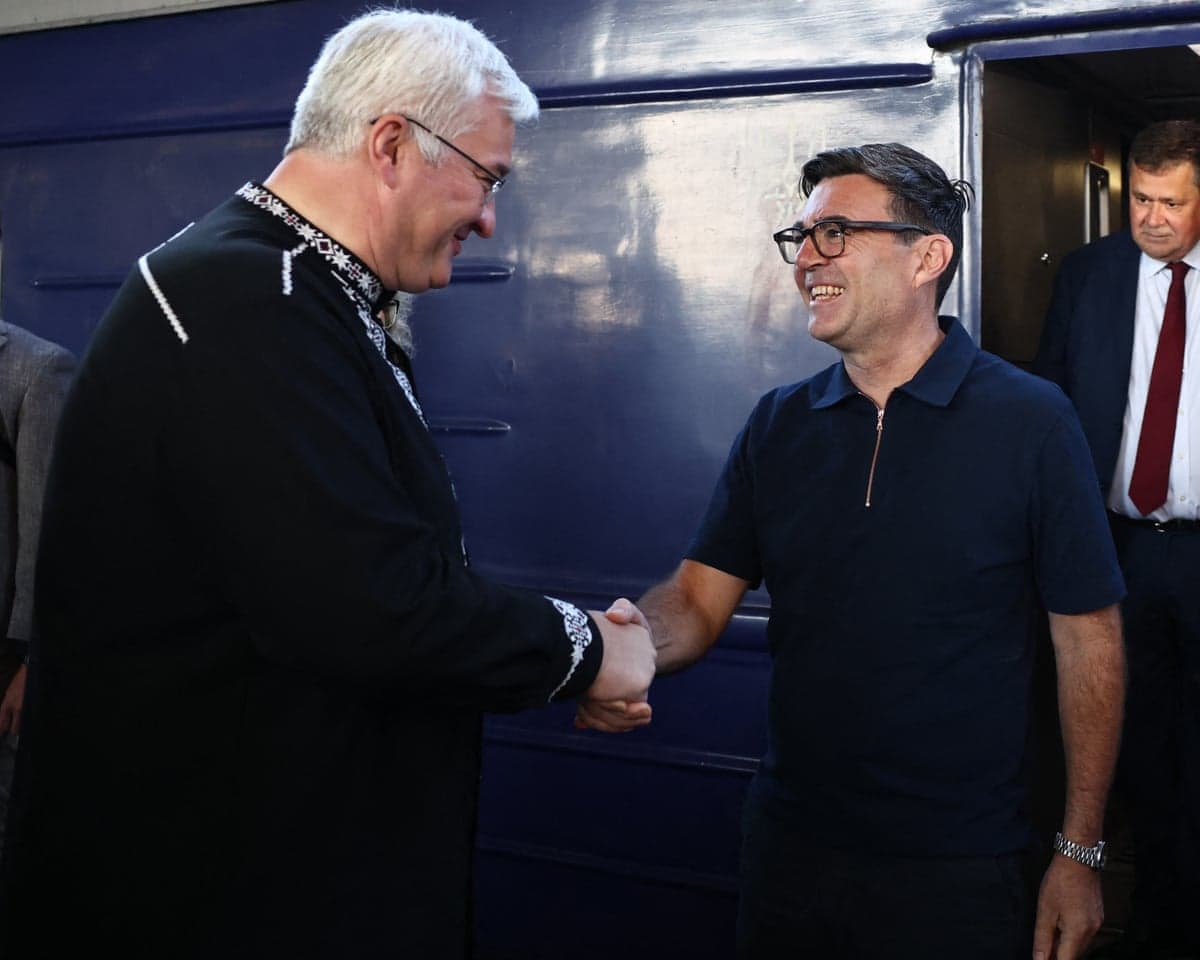
Burnham was photographed at Kyiv railway station greeting Ukrainian Foreign Minister Andrii Sybiha, who confirmed that the prime minister would be joined by António Costa, president of the European Council; Luc Frieden, prime minister of Luxembourg; Maia Sandu, president of Moldova; and Alar Karis, president of Estonia. Sybiha remarked that
for Ukraine, independence is not an abstract idea. We defended it against all odds. In times like these, nations learn how important it is to have allies by your side. And today, we know for sure who our true friends are.
During the visit, Burnham announced that the UK government will permit the European defence company MBDA to declassify information about British-made components of the Anglo-French Storm Shadow/Scalp long-range missiles, enabling Ukraine to construct its own version. This decision represents a significant expansion of weapons development capacity at a critical juncture in the conflict, though experts note the practical impact may take years to materialise.
The announcement is likely to heighten tensions with Moscow at an already volatile moment in UK-Russian relations. The Kremlin responded swiftly to news of the missile support initiative, with spokesperson Dmitry Peskov characterising Britain's actions as adding
fuel to the firein bilateral relations. Peskov further accused London of functioning as a participant in the war on Ukraine's side and of systematically obstructing progress toward peace negotiations.
In a more detailed statement via the Agence France-Presse, Peskov elaborated that
Britain is methodically and regularly throwing oil on the fire and methodically and regularly plotting schemes to prevent even the slightest progress in the peace process.He added that Russia would target and seek to destroy facilities producing the missiles in Ukraine.
What did Burnham say at the independence day ceremony?
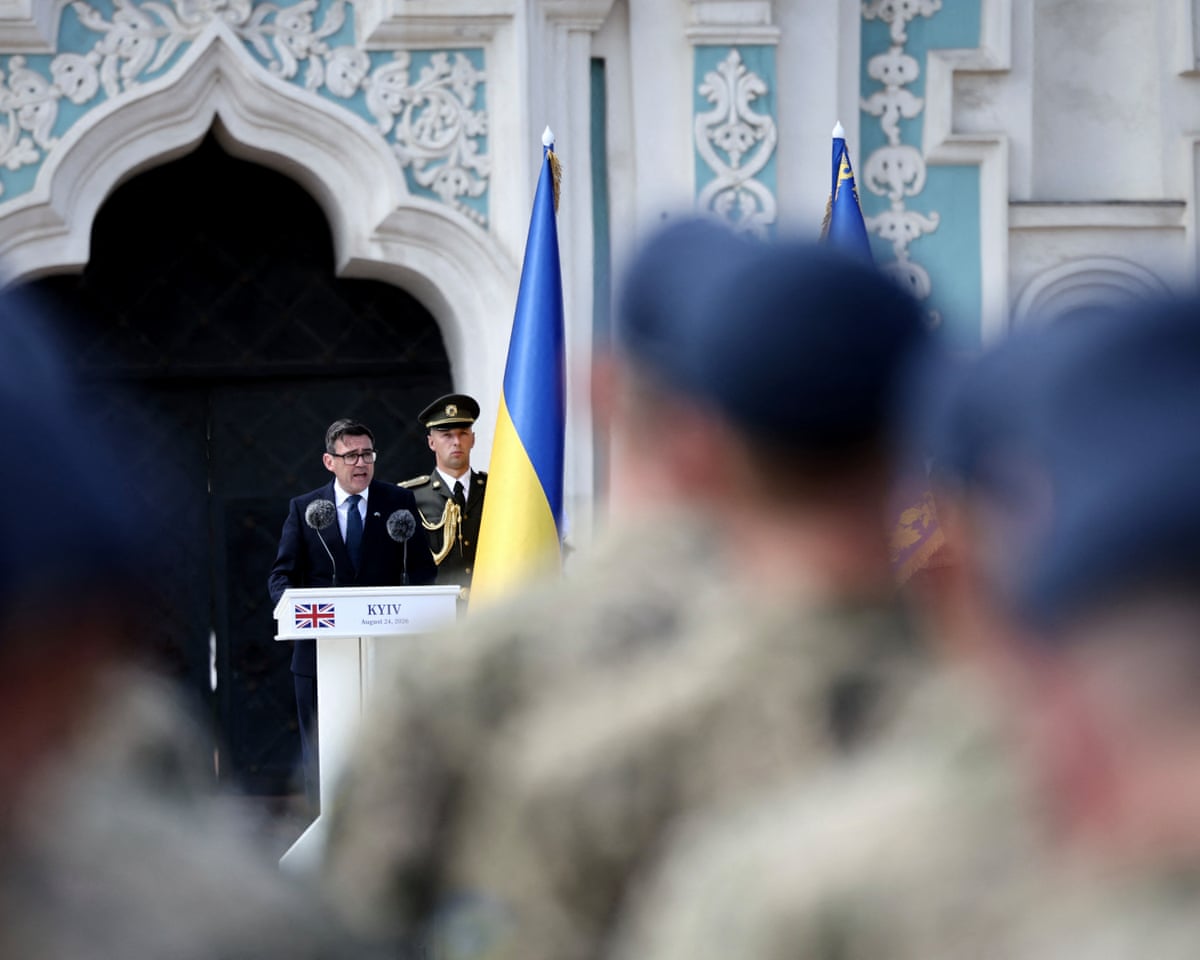
Speaking at a ceremony in central Kyiv near St Sophia cathedral, Burnham drew a historical parallel between Ukraine's current struggle and Britain's resistance during the Second World War. He told the assembled crowd that
My nation kept the flame of European freedom alive in the 20th century, you hold that flame in the 21st.The prime minister pledged continued British support for strengthening Ukraine's air defences ahead of the winter months.
Burnham also praised what he described as
the sheer strengthof the Ukrainian people and stressed that
despite Russia's outrageous threats to my country, we will continue our support for Ukraine.He further emphasised that
this is the moment to keep up the pressure on Russia, the moment to squeeze their ability to fund this illegal war.
In a statement released on Sunday evening before his departure, Burnham had set out the broader rationale for the visit. He wrote:
On Ukraine's 35th anniversary of independence, the Ukrainian people should be in no doubt: the UK is behind you today and for as long as it takes. I am proud of the contribution our country has made to Ukraine and I want the Ukrainian people to hear it directly from me that our support will not waver. After all, Ukraine's security is our security. The friendship between our two countries will long outlast Russia's illegal war. In both the fight and in the rebuilding to come, we will stand with Ukraine and deliver opportunities for people across both our countries. Russia should be in no doubt of our resolve. We will not back down until there is a just and lasting peace.
What is the UK's missile support plan?
Beyond declassifying MBDA component information, Burnham will announce that the UK will collaborate with France to establish assembly lines in Ukraine for long-range missiles. French President Emmanuel Macron had previously committed to this initiative last month. The move aims to bolster Ukraine's indigenous weapons production capacity and reduce dependence on external supply chains during wartime conditions.
This announcement builds on earlier UK technology-sharing commitments. In late July, Burnham had pledged continued support for Ukraine before a meeting with President Zelenskyy, signalling that such measures would form part of his administration's approach to the conflict.
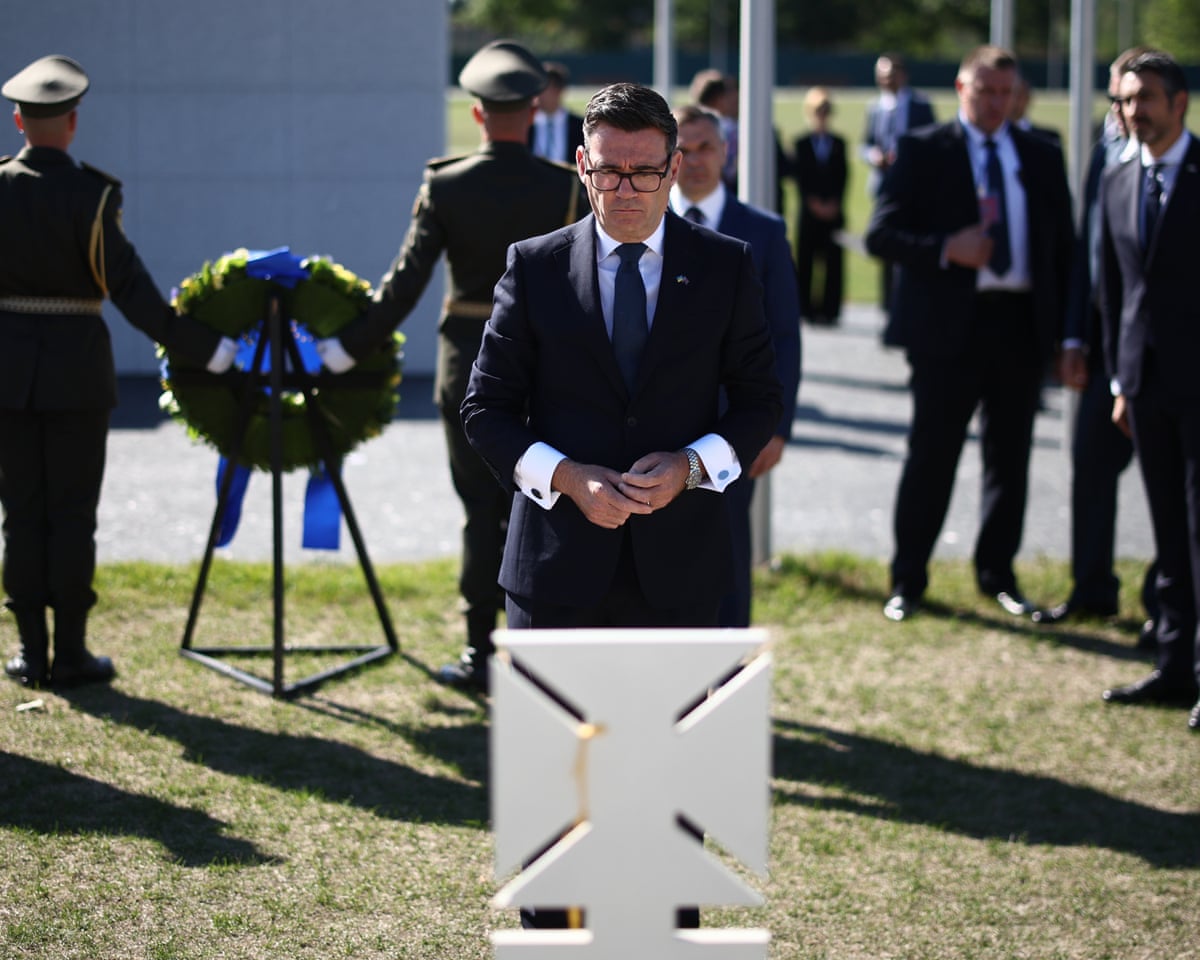
How is Ukraine marking its independence day?
Ukraine's 35th independence anniversary carries profound significance given that the nation has endured 1,643 days of full-scale Russian invasion at the time of this reporting. President Volodymyr Zelenskyy acknowledged the weight of the moment, admitting that
things are really very difficult for all of us,but emphasised that the unity of all Ukrainians
is holding us firmly by the hand.

Zelenskyy continued:
And as long as the enemy does not break this circle of ours, Ukraine will not fall, will achieve its peace, and will succeed.He argued that Russian President Vladimir Putin had fundamentally miscalculated Ukrainian resolve, stating that
Putin got the most important thing wrongwhen he underestimated the people's willingness to defend their country.
In a pointed address to the Russian leadership, Zelenskyy said:
Putin hopes that we are tired. But we know that he is mortal. He never understood us. Now he will not have time to. You wanted to take all our Ukraine, all our land; instead, you lost your oil refineries, your fleet, your profits, your entire generation that you sent into the meat grinder. You wanted us erased from the map; now you are absent from the international agenda of the future civilisation. For 27 years, the head of Russia has talked about greatness, while Russia is standing in lines for gasoline.
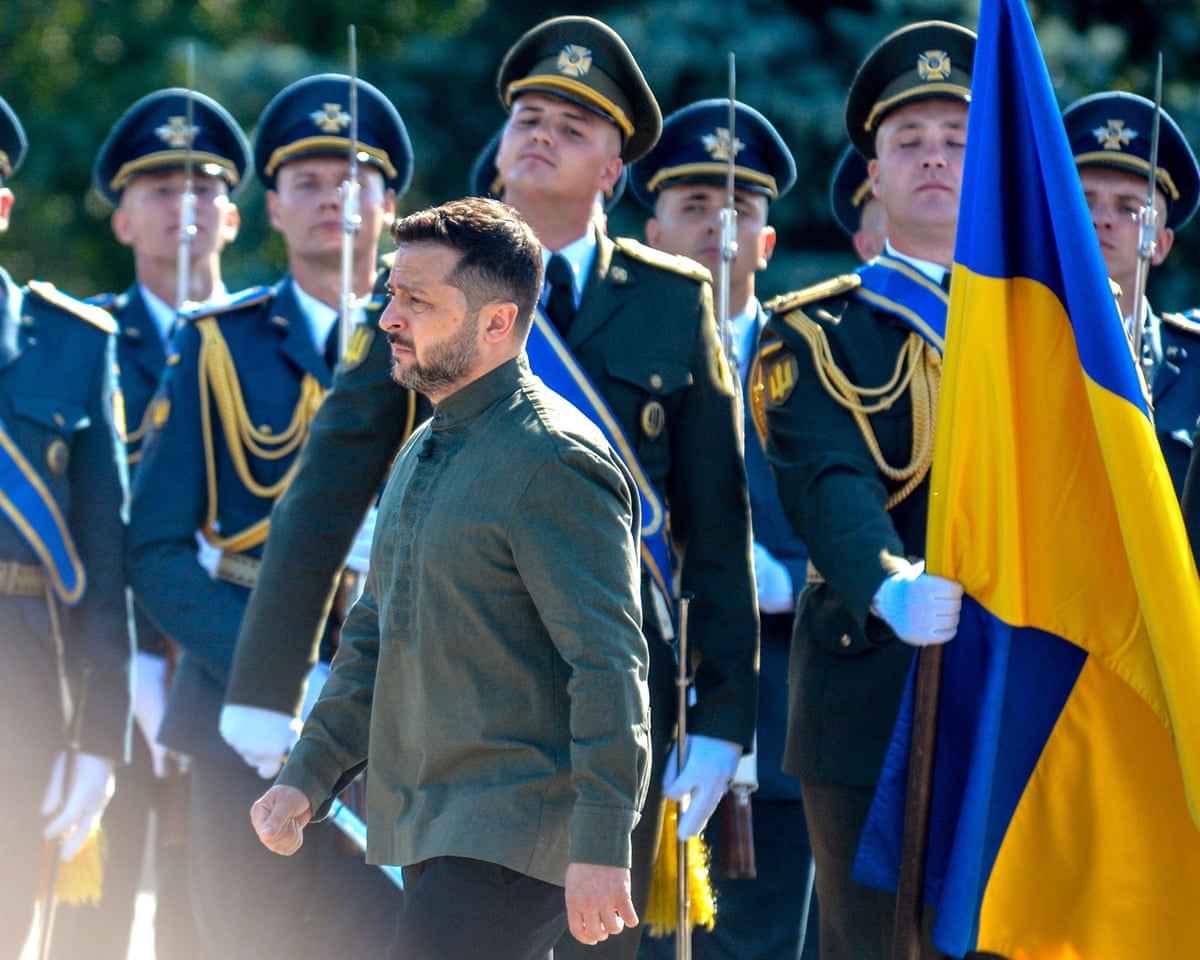
What support are other European leaders offering?
Several European leaders published messages of solidarity on social media channels to mark Ukraine's independence day. German Chancellor Friedrich Merz released a video statement saying:
For years, Ukrainians both at home and abroad have been defending their country's independence with remarkable courage against Russia's brutal war of aggression. In doing so, they are showing the whole world what it means to stand up for freedom and for a just peace. Today, on this important day, this is particularly true. We stand firmly by Ukraine's side.Similar messages came from Estonian President Alar Karis, Romanian President Nicușor Dan, and Swedish Prime Minister Ulf Kristersson.
The European Union announced a major financial commitment on the same day. European Commission President Ursula von der Leyen stated that
On Ukraine's Independence Day, we show our unfaltering support. Today, we approved €6.1 billion for the air and missile defence systems, missiles, ammunition and radars that Ukraine urgently needs. The EU stands with you today, tomorrow, and for as long as it takes.This €6.1 billion ($7.1 billion) in military aid represents a substantial reinforcement of European backing for Kyiv's defence efforts.
Burnham's office emphasised the UK's position, stating that the prime minister would tell the Ukrainian people that Britain
is four-square behind Ukraine's independence, and Russia's threats only strengthen the UK's resolve.
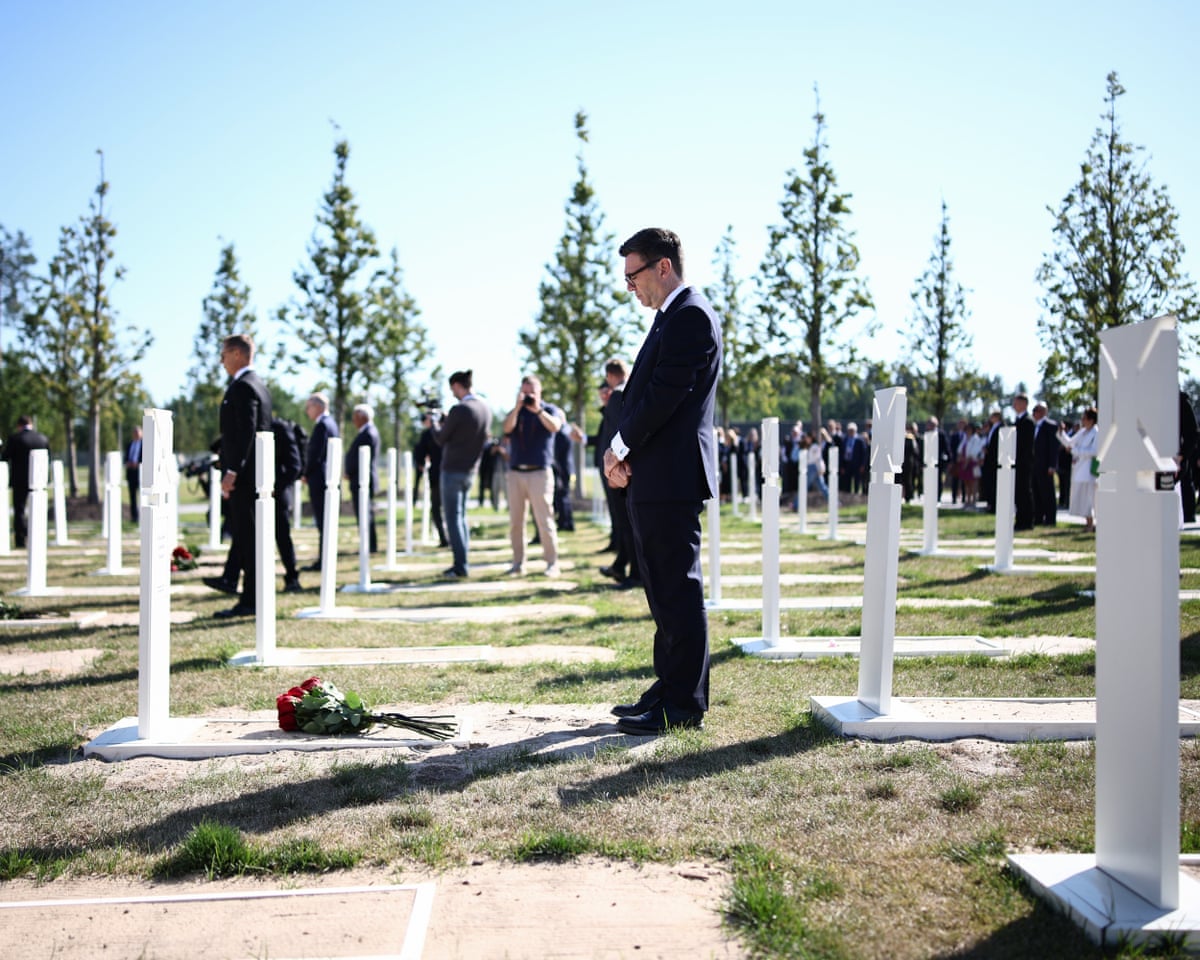
What is the Coalition of the Willing?
The Coalition of the Willing was established by France and the United Kingdom to coordinate support for Ukraine's future security following Russia's full-scale invasion in 2022. According to reporting from a major international news agency, the coalition comprises more than 30 countries and convenes regularly to align policy on Ukrainian defence and reconstruction.
On 24 August 2026, Burnham will co-chair his first meeting of the coalition in Kyiv, alongside French President Emmanuel Macron and German Chancellor Friedrich Merz. The gathering will operate in a hybrid format, with some leaders participating remotely from their capitals. The meeting is intended to reaffirm collective support for Kyiv and comes after Russia escalated attacks on civilians in recent weeks, according to international reporting.
Zelenskyy has renewed his appeal for expanded assistance from coalition members, telling them:
we are not asking you to fight for us, [but] to give Ukraine everything it needs to stop this war.He is expected to repeat this message throughout the day's engagements with Burnham and other visiting leaders.
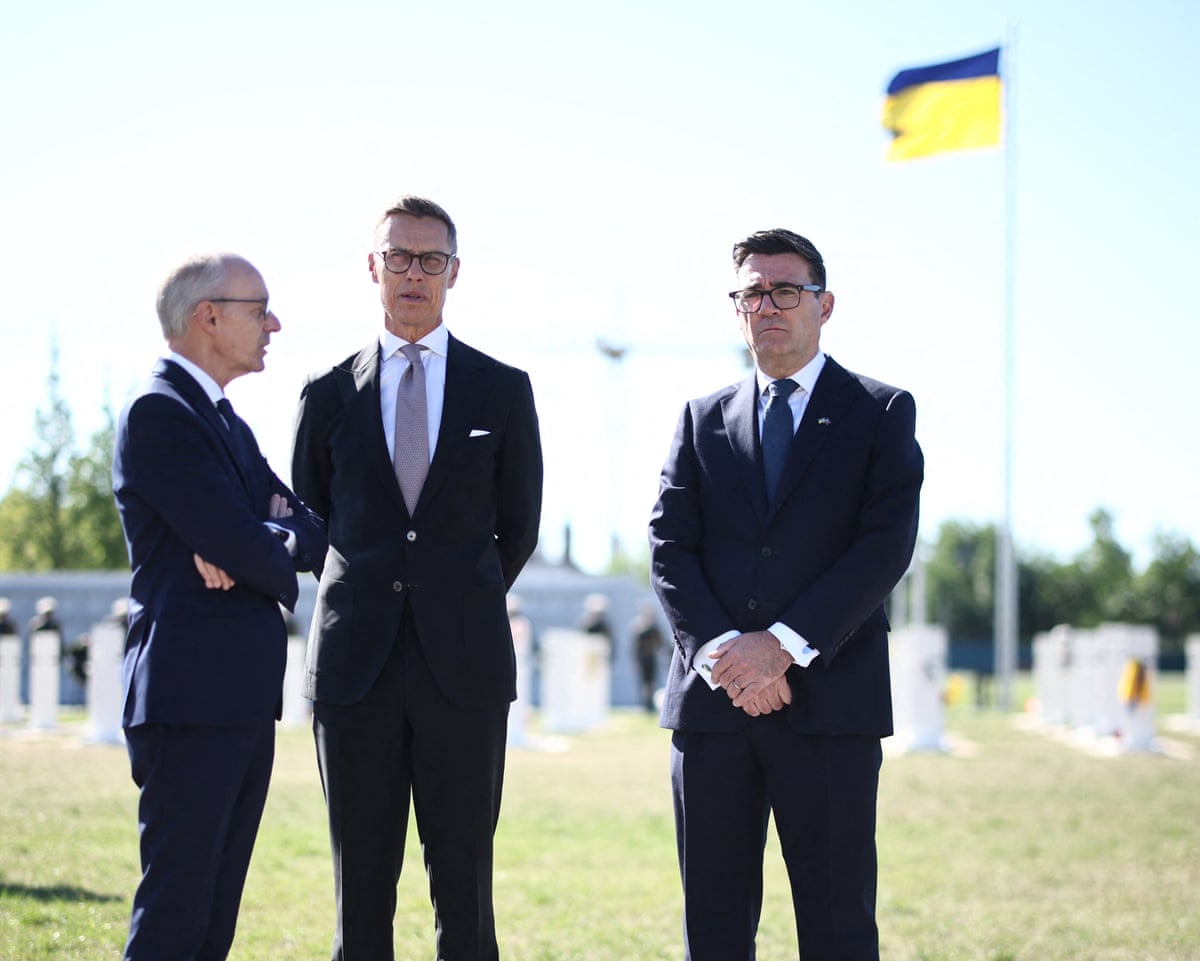
What happens next?
The Coalition of the Willing meeting in Kyiv is scheduled to take place on 24 August 2026. A UN Security Council special session on Ukraine is also scheduled for later on Monday, providing an additional diplomatic forum for international discussion of the conflict.
The practical implementation of the missile technology-sharing agreement will unfold over an extended timeframe. While the declassification of MBDA component information and the establishment of assembly lines represent significant commitments, defence analysts note that translating these measures into operational weapons systems will require months of development and testing. Nevertheless, the announcement signals a qualitative shift in Western support for Ukraine's indigenous defence capabilities.
Burnham's visit also reflects a broader pattern established during his first weeks in office. Earlier in July, Burnham used his first week as prime minister to meet Zelenskyy in Portsmouth, signalling continued UK support for Ukraine while stressing a focus on domestic priorities. The Kyiv trip reinforces this dual commitment to both international solidarity and domestic governance.
Key Facts
- UK Prime Minister Andy Burnham arrived in Kyiv on 24 August 2026 to mark Ukraine's 35th independence anniversary and announce plans to help Ukraine develop long-range cruise missiles by declassifying British-made MBDA component information.
- The Kremlin condemned the announcement, with spokesperson Dmitry Peskov accusing Britain of obstructing peace negotiations and vowing to target missile production facilities in Ukraine.
- The European Union approved €6.1 billion ($7.1 billion) in military aid on the same day, focusing on air and missile defence systems, ammunition, and radar equipment.
- Burnham will co-chair his first Coalition of the Willing meeting in Kyiv alongside French President Emmanuel Macron and German Chancellor Friedrich Merz, with more than 30 countries participating in person or remotely.
- President Zelenskyy emphasised Ukrainian unity and resolve, arguing that Russian President Putin had fundamentally miscalculated the Ukrainian people's willingness to defend their independence.