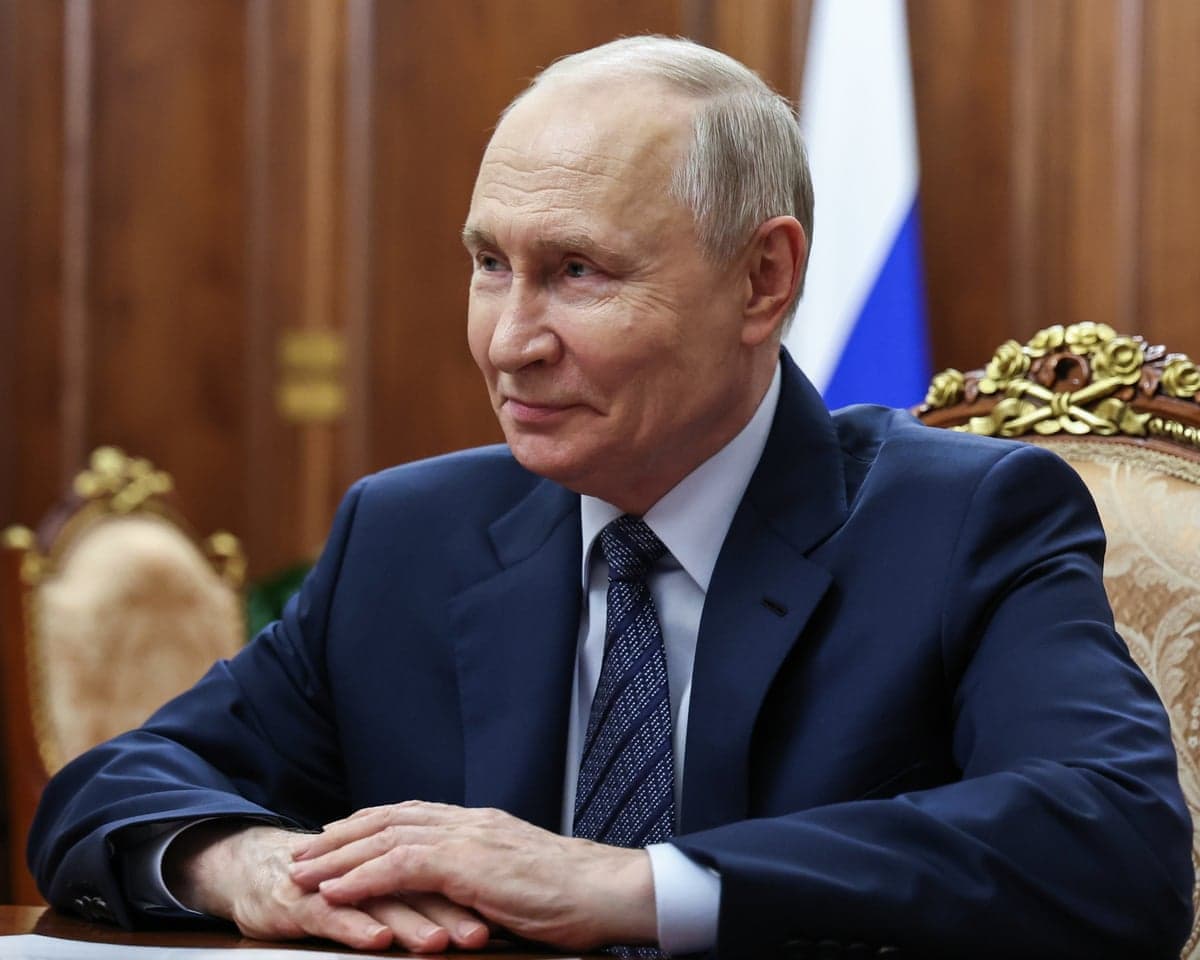
Russia's newly elected parliament will include 49 deputies with combat experience in Ukraine, officials confirmed following a landslide victory by the ruling United Russia party in elections that drew widespread international criticism. The pro-Kremlin party secured a record 355 seats in the 450-seat Duma lower house, extending Vladimir Putin's political dominance and granting United Russia a supermajority that exceeds the previous threshold of 343 seats.
The electoral outcome has been contested by Western governments and independent observers. United Russia's general secretary, Vladimir Yakushev, initially stated that 86 veterans from Russia's "special military operation" would likely enter parliament, but later revised this figure downward to 49. According to reporting from independent sources, United Russia's own press service requested that the initial claim about 86 war participants be withdrawn.
The scale of veteran participation in this election was historically significant. Russia's Central Election Commission registered nearly 1,600 war veterans across federal, regional and local races, with 186 war participants and veterans registered as State Duma candidates—110 on party federal lists and 76 in single-member districts. However, approximately 200 veterans stood for parliament across a range of parties, not only United Russia. The election commission cleared 1,586 of 1,668 nominated war veterans to run, demonstrating the extent to which veteran candidacies were promoted before voting began.
Kremlin spokesperson Dmitry Peskov characterised the results as evidence of public backing for Putin's leadership and the war effort.
These indicators, of course, point to the highest level of consolidation within Russian society around the head of state,Peskov stated. Russia's elections chief, Ella Pamfilova, reported that United Russia had won 57.83% of the vote with 95% of ballots counted, a significant increase from the 49.8% the party secured in the 2021 parliamentary election.
These were the first parliamentary elections held during wartime, with special voting procedures established for soldiers at the front and in occupied Ukrainian territories. Russia created 11 single-member constituencies in occupied Ukrainian territory specifically for the vote, a move that underscored the integration of conquered areas into Russia's political system.
How did international observers respond?
Western governments and international bodies rejected the legitimacy of the election process. The European Union's chief diplomat, Kaja Kallas, condemned the vote as a setback for democratic governance in Russia.
The Kremlin silenced dissent and shut out international election monitors,Kallas wrote, describing the election as one where
the veneer of democracy is all that remains.
The electoral environment was heavily constrained. Russia's Supreme Court banned Yabloko, the country's only anti-war party, from participating in the election in August, eliminating the primary vehicle through which voters opposed to the conflict could express their views. Inside Russia, criticism of the war is prohibited, and anti-war activists face legal consequences. Boris Nadezhdin, a local politician who previously attempted to run for president on a peace platform, was barred from candidacy and branded a "foreign agent."

All parties that won seats in the election support Russia's military campaign in Ukraine. The Communist Party came second with 40 seats, the ultra-nationalist LDPR secured 25 seats, and the New People party won 20. Ramzan Kadyrov, the leader of Chechnya and a Putin ally, was re-elected with a reported 99% of votes in his region.
What is the military context?
The election took place amid an intensified Russian recruitment drive this autumn, aimed at revitalising a military campaign that has stalled in many sectors. Ukrainian President Volodymyr Zelenskyy has suggested the Kremlin intends to conscript an additional 300,000 troops. Russia has escalated its bombardment of Ukrainian cities, deploying jet-powered attack drones against Kyiv and other population centres. Ukraine has responded with deep strikes into Russian territory as part of what Zelenskyy has termed "long-range sanctions."
Russian forces have also intensified their ground offensive in Ukraine's eastern Donbas region, targeting cities including Kramatorsk and Sloviansk. Despite sustained effort, Russian commanders have failed to achieve a breakthrough, while Ukrainian forces have reported their own counteroffensive operations near the city of Lyman.
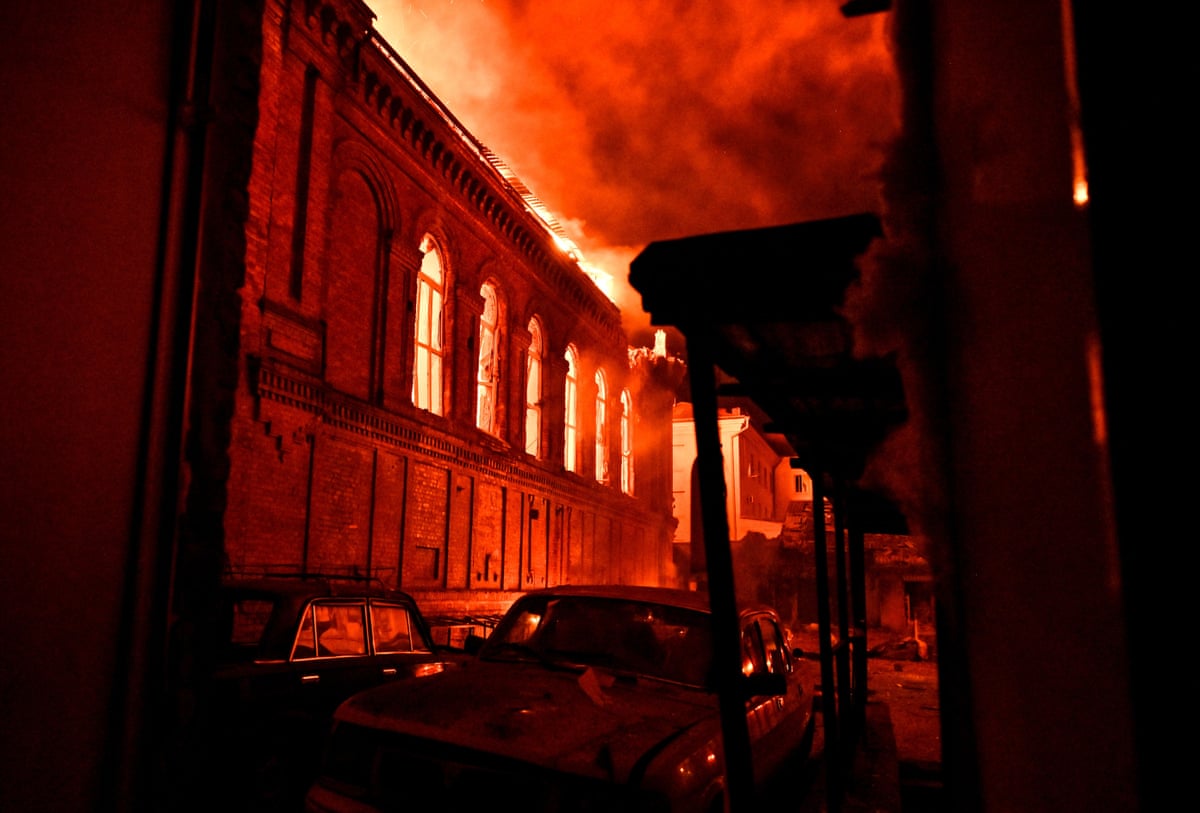
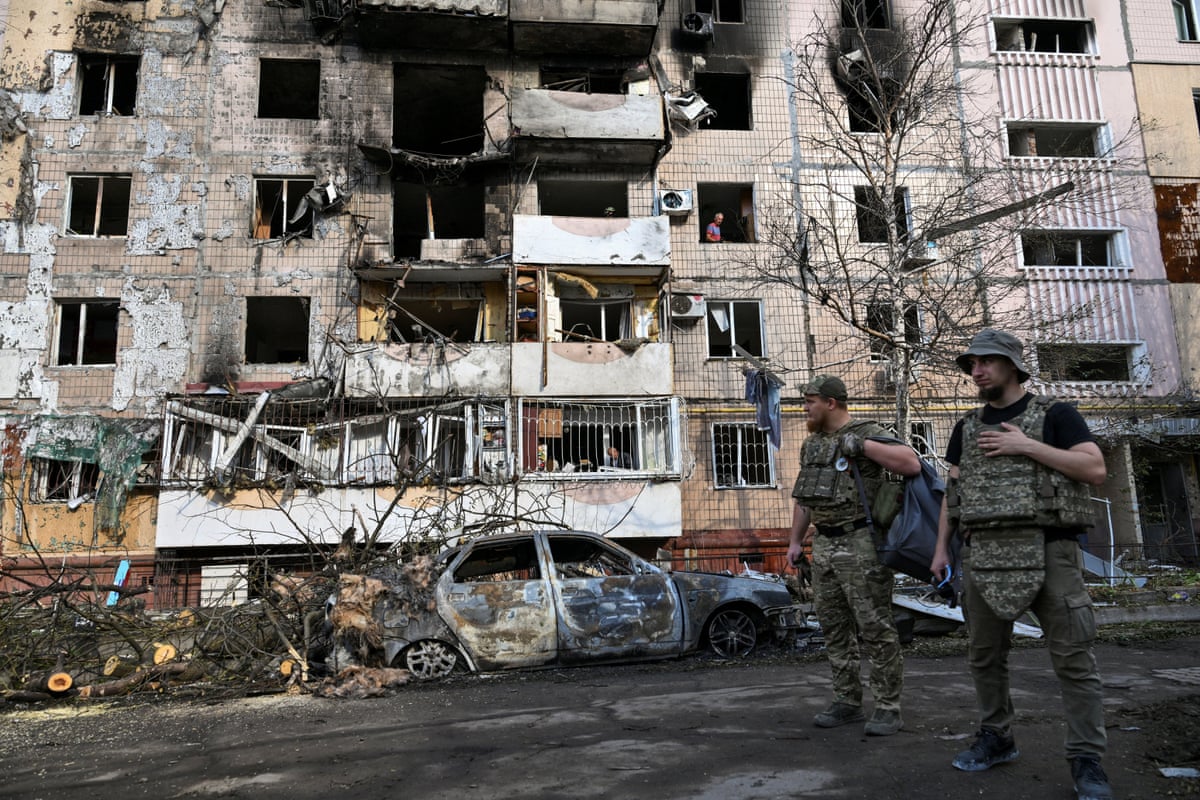
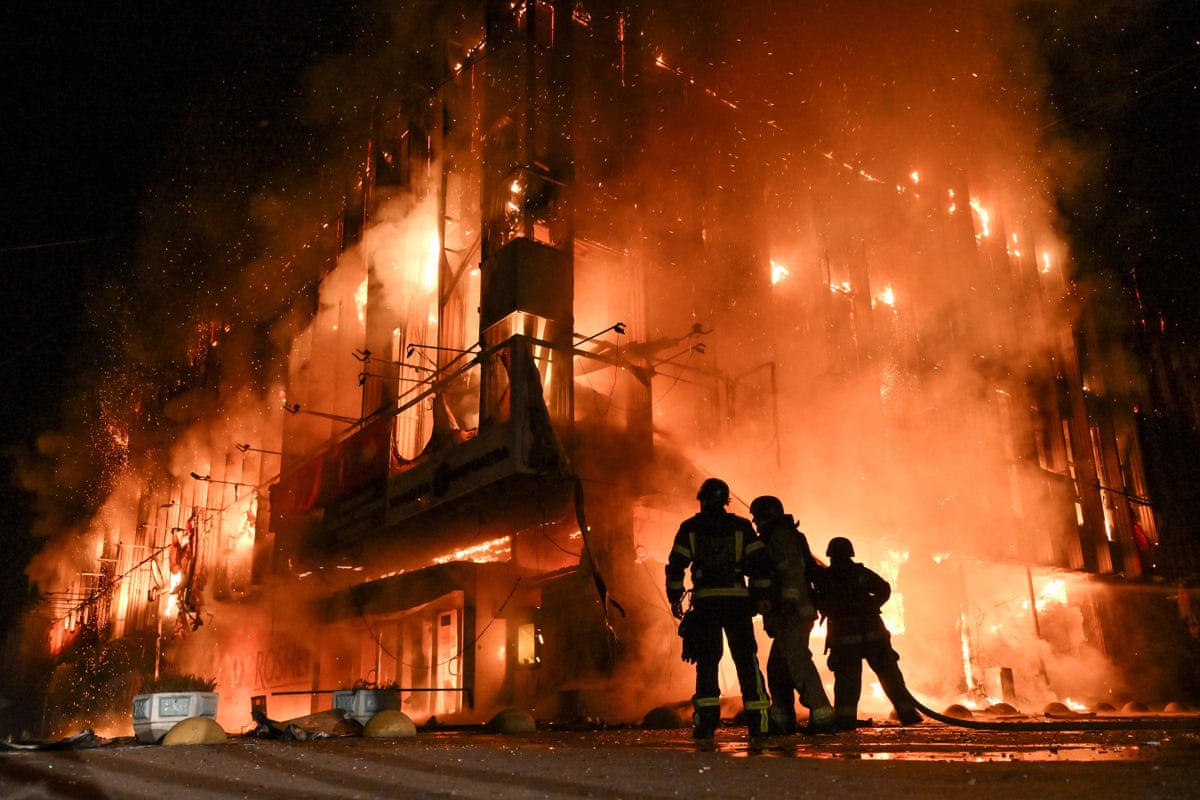
On the final day of voting, Ukraine launched its largest drone attack on the Moscow region, an operation that coincided with the election and became part of the immediate post-election backdrop. Overnight following the polls, Russia conducted what Zelenskyy characterised as a
brutal, targeted attackon the southern city of Zaporizhzhia. The strike damaged a nine-storey residential building, a university building, a shopping centre, and a boiler house, leaving five people injured. A woman in Kharkiv region was killed in a separate drone strike.
Zelenskyy responded to the attacks with a statement emphasising Russia's continued escalation.
Russia is not scaling back its escalatory actions and is signalling a readiness to expand the war. All this is happening against the backdrop of global stability already having been shattered by this war. We must continue to pressure the aggressor to bring this war to an end.
What happens next?
Final official election results were scheduled to be tallied and announced on 25 September. The newly elected parliament will convene to begin its term, with the influx of war veterans expected to shape legislative priorities around military funding, conscription policy, and the continuation of Russia's campaign in Ukraine.
The election outcome reflects the Kremlin's consolidation of political control during wartime, with the removal of anti-war opposition and the elevation of military veterans signalling that Russia's leadership intends to maintain its current strategic course in Ukraine.