Iceland will introduce legislation in February 2027 that could permanently ban commercial whaling in its waters, a development that would isolate Norway and Japan as the only two nations permitting the practice. The move follows mounting domestic and international pressure on the government to end an industry that has faced intense scrutiny over animal welfare concerns.
The proposed revision targets a whaling law that has remained largely unchanged since 1949. According to Humane World for Animals, the government confirmed it will introduce the legislative bill with "particular consideration" of a permanent ban on whaling. reported that the cabinet has a parliamentary majority to advance the measure.
The bill's foundation rests on a 2024 working-group report examining the administration and legal framework of whaling in Iceland. This comprehensive review informed the government's decision to pursue legislative change, marking a significant shift in policy direction after decades of minimal revision to the 1949 statute.
What triggered the push for a ban?
Whaling in Iceland has faced intense scrutiny following a report that documented harpooned whales taking up to two hours to die, raising serious animal welfare questions about the hunting method. The findings prompted a temporary suspension of the hunt that year, and have since fuelled calls for permanent restrictions.
Iceland's minister of industries has previously called for changes to the whaling laws, characterising them as outdated and expressing support for ending the whale hunt altogether. These ministerial comments reflected growing political recognition that the practice no longer aligns with modern conservation and ethical standards.
What is the current scale of whaling in Iceland?
Iceland operates the only remaining commercial whaling company, Hvalur, which is run by Kristján Loftsson. The company operates under a five-year permit covering the period from 2025 to 2029, according to Iceland's official government website.
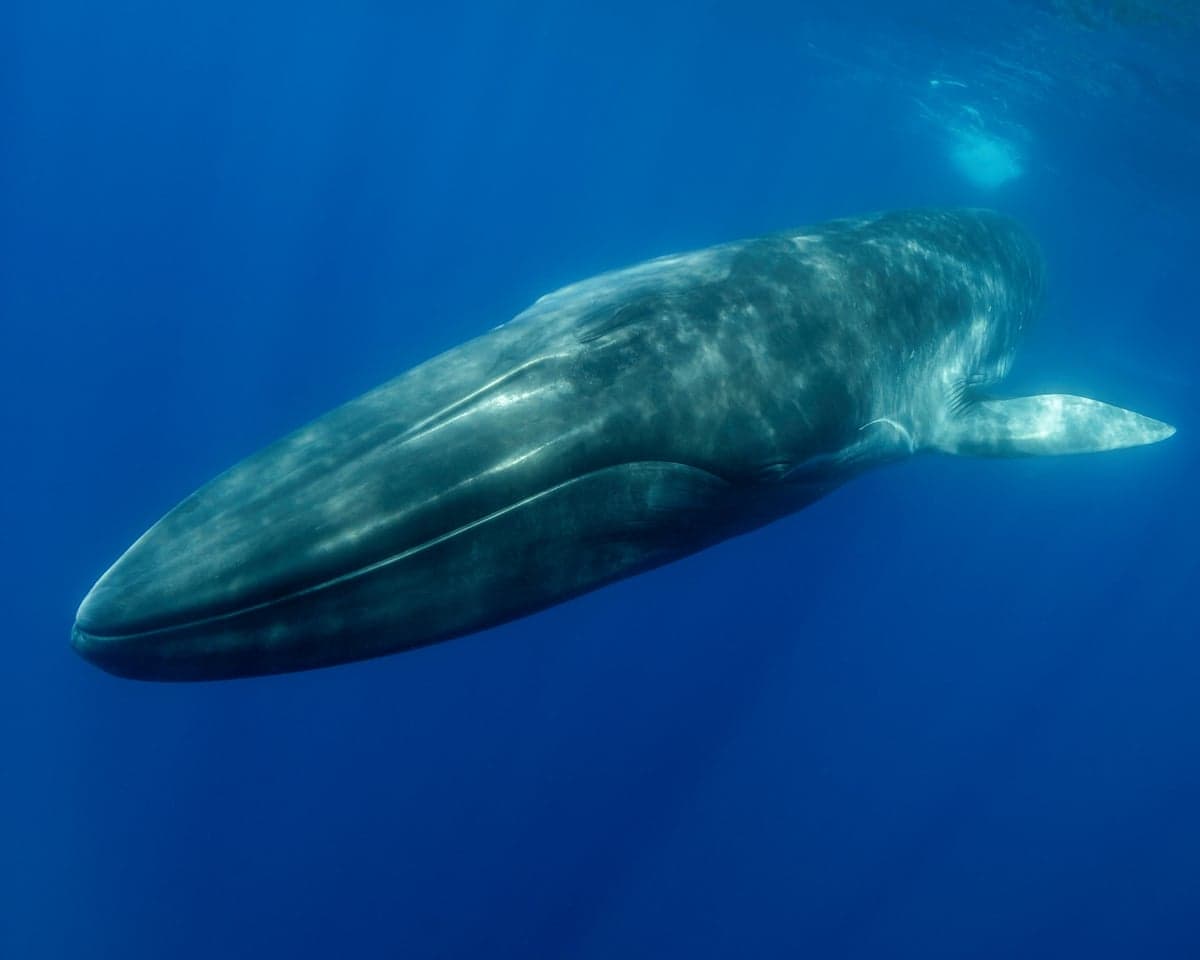
So far in 2026, up to 8 September, 80 fin whales were caught in Icelandic waters, according to Humane World for Animals. The hunting season runs from June through the end of September, and Iceland's annual quota permits up to 150 animals. Fin whales are the second-largest animals on Earth, surpassed only by blue whales, and are classified as endangered by the International Union for Conservation of Nature, despite decades of recovery following the 1986 commercial whaling moratorium.

What do animal welfare advocates say?
Wendy Higgins of Humane World for Animals described the bill as a "significant milestone" in efforts to end the practice.
There is considerable political and public support for this bill to ban commercial whaling, and compelling ethical, veterinary, legal and conservation reasons to hope it succeeds. Every whale killed by exploding harpoon in Icelandic waters, is a tragic loss of life needlessly taken for an industry that has no purpose. A law to stop the killing can't come soon enough.
Higgins acknowledged that even if a ban is introduced, existing whaling permits that expire in 2029 are likely to be allowed to run their course.
Of course, campaigners want an immediate end to the killing of whales, but we also recognise that even if a ban is introduced, it's likely that the current whaling permits, which expire in 2029, will be allowed to run their course.
Sharon Livermore, director of marine conservation at the International Fund for Animal Welfare, characterised the proposal as transformative.
A proposal to update the laws that allow whaling in Icelandic waters would be a groundbreaking step towards modern day marine conservation and animal welfare, especially for a country so reliant on a healthy ocean.
Which countries still permit commercial whaling?
Only three nations have engaged in commercial whaling in recent years: Iceland, Norway, and Japan. Norway resumed commercial whaling in 1993 despite the International Whaling Commission moratorium, and Iceland resumed in 2006 under the same circumstances. Japan withdrew from the IWC in 2019 and subsequently resumed commercial whaling in its own waters, removing itself from international oversight of the practice.
Iceland's potential ban would represent a significant reduction in global commercial whaling activity, leaving only Norway and Japan as practitioners of the industry on a commercial scale.
What happens next?
The bill is scheduled for formal introduction in the Icelandic parliament during February 2027. The parliamentary agenda for the 158th legislative session, covering 2026–2027, includes the whaling-act revision among bills to be debated and voted upon. The timing and parliamentary support suggest the measure will receive serious consideration, though final passage remains uncertain.
The outcome of this legislative process will determine whether Iceland joins the growing international consensus against commercial whaling, or whether it continues alongside Norway and Japan as one of the world's last remaining practitioners of the industry.
Key Facts
- Iceland will introduce a bill in February 2027 that could permanently ban commercial whaling in its waters
- The proposal targets a whaling law that has remained largely unchanged since 1949 and is based on a 2024 government working-group report
- Iceland's only whaling company, Hvalur, operates under a permit valid until 2029, which would likely be allowed to expire even if a ban is enacted
- If passed, the ban would leave Norway and Japan as the only two countries permitting commercial whaling
- Fin whales caught in Icelandic waters numbered 80 through early September 2026, with the annual quota set at up to 150 animals