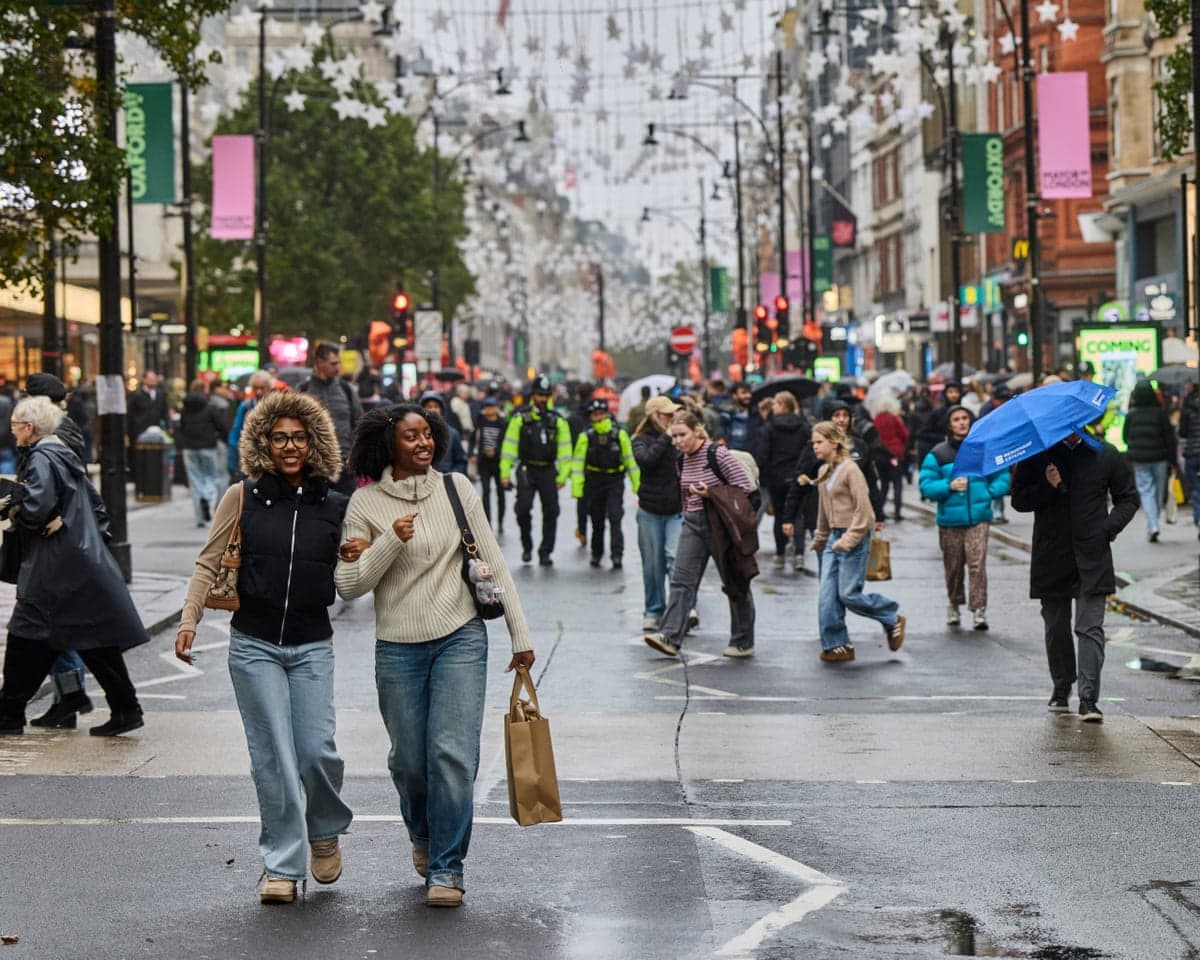
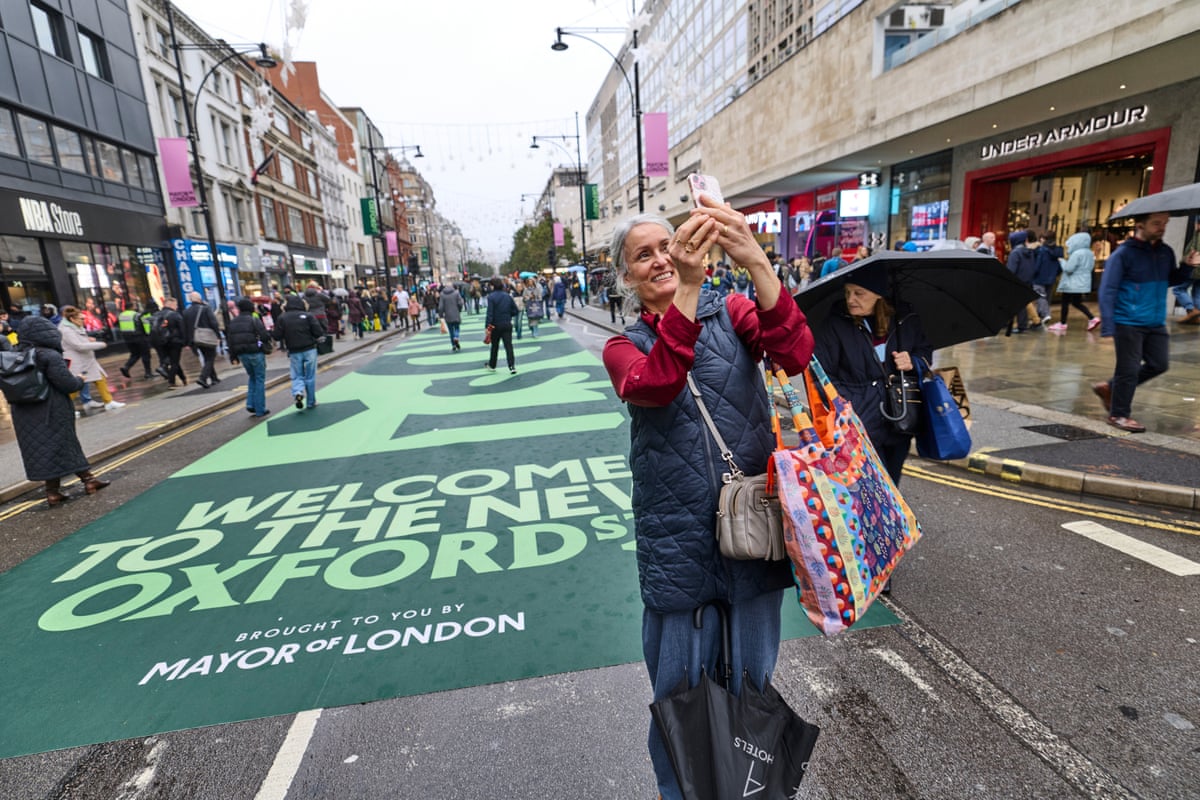
London's most famous shopping street has been transformed into a vehicle-free zone, with the traffic-free section opening on 26 October. The closure, which stretches roughly from Oxford Circus station to Marble Arch—covering about half of the 1.2-mile street—represents a major shift in urban planning after decades of discussion. Mayor Sadiq Khan hailed the change as a "momentous day" for the capital, though the transformation has already revealed both enthusiastic support and significant concerns about accessibility and business impact.
According to The Guardian, many shoppers expressed enthusiasm for the pedestrianisation, welcoming the extra space to walk and browse without the constant jostle of vehicle traffic. However, not all Londoners view the scheme positively, with taxi drivers and cyclists raising concerns about accessibility and longer commute times.
The scheme represents a significant moment in London's approach to urban space. The mayor's office confirmed that the initial transition scheme is designed to gather feedback and real-time data before final designs are refined. Deliveries remain permitted from midnight to 7am, and emergency services retain full access at all times.
What are shoppers saying about the change?
Many visitors to the street on the opening day expressed genuine delight at the transformation. Daniel Te, who relocated to London from the United States in July, was so moved by the scene that he began sketching the moment. He observed that despite the pedestrianisation, most people continued to walk on the pavement rather than spreading across the newly available space.
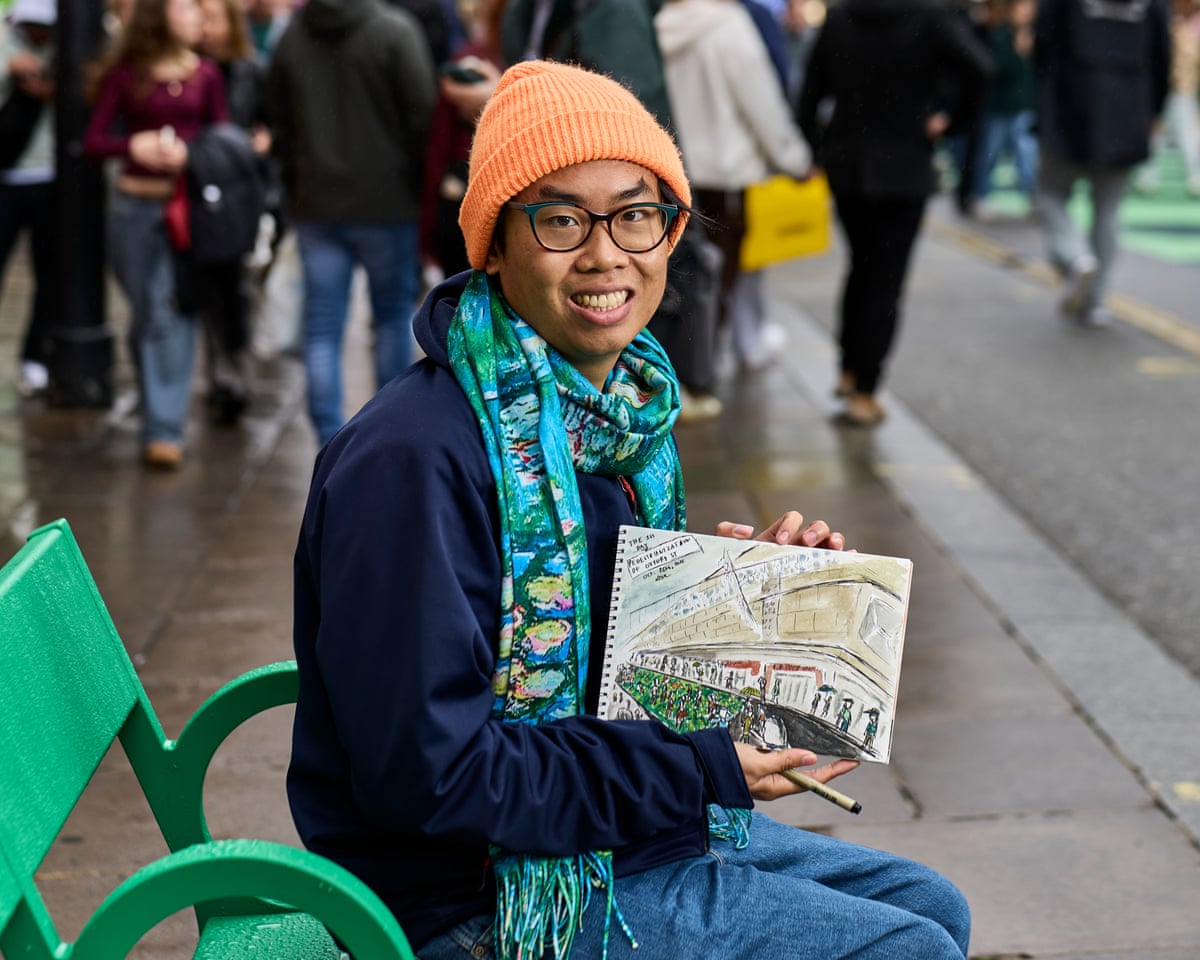
Te described the shift as creating "an entirely new place." He recalled his first impression when arriving at Oxford Circus tube station, noting the famous scramble crossing and the density of pedestrians. "Now to see the whole street become kind of like the scramble crossing is really exciting," he said. He acknowledged that on typical days he would avoid the street because it felt "too busy," but added that the extra walking space made him more inclined to visit. As a former city planner, he considered pedestrianisation "a really big achievement," and expressed hope that neighbouring streets might also become car-free. He noted that although bus rerouting might inconvenience some journeys, "it's a small price to pay."
Raquel Cox, visiting from Ireland, came to the street specifically to experience the pedestrianisation after seeing news coverage of the opening. She acknowledged potential negative impacts on surrounding streets, which would become busier as traffic diverted around the closure. Despite these concerns, she felt that as a shopper, "it's a better experience."
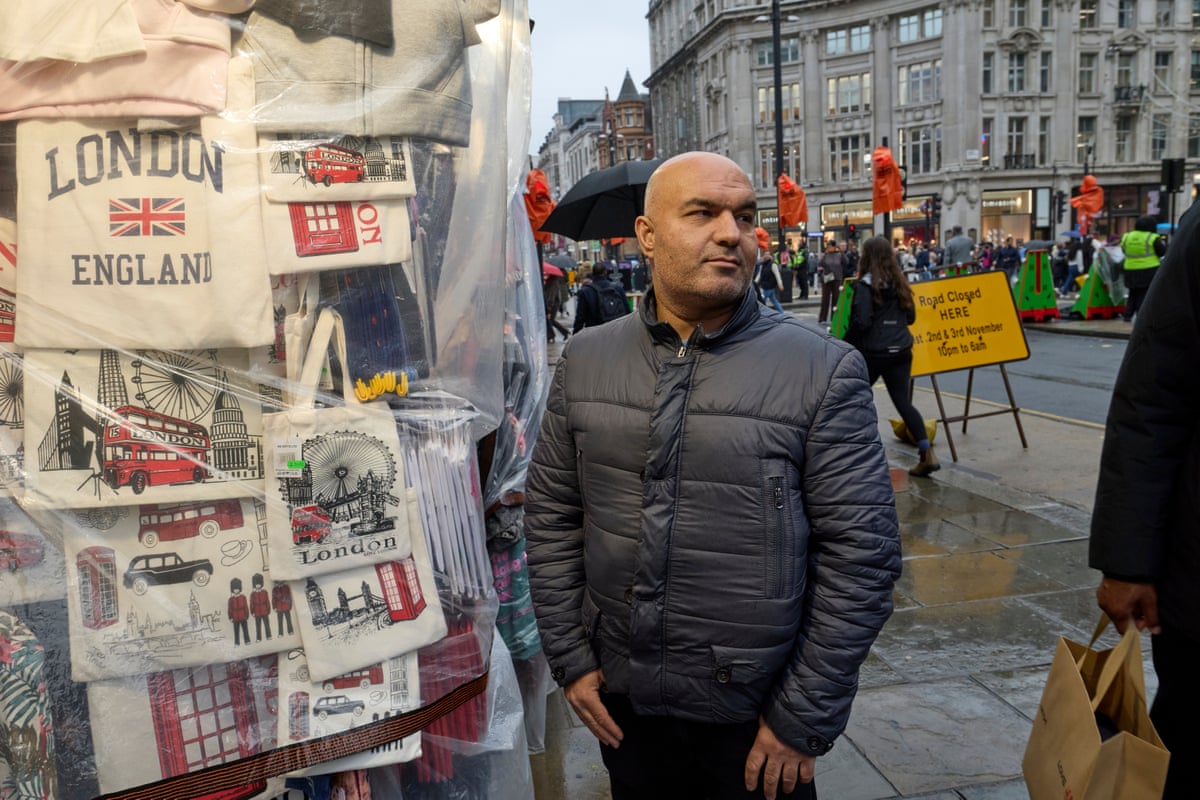
Abbas Shigival, who operates a kiosk selling tourist souvenirs at the entrance to the pedestrianised section, observed that the opening morning appeared slightly busier than usual. He described the environment as "more pleasant," noting that "people are happier because they can walk around." He acknowledged that determining the full impact on his business would require time.
What did the mayor say about the project?
Khan, whose early career included retail positions on Oxford Street, delivered remarks at John Lewis on the opening morning. He highlighted the street's decline over recent decades and argued that pedestrianisation, combined with improved public transport links, additional greenery, and more seating, would create "a better experience all round." He framed the initiative as a "proof of concept" to demonstrate that "investing in people rather than traffic leads to better footfall and spend."
Khan emphasised that London would closely monitor the changes to ensure they work for everyone. The permanent transformation—a £150 million project that will include trees, seating, and level plazas for events—will begin taking shape from spring 2027. By the end of spring 2027, plans call for more than 50 trees, over 100 seats, two public squares and improved signage.
How will bus passengers be affected?
Many of London's double-decker buses have been diverted into neighbouring roads as a result of the closure. Claire Mann, chief operating officer at Transport for London, stated that there would remain "plenty of capacity for passengers" and that the changes should not affect service reliability. She noted that the Elizabeth Line and Bond Street station provide alternative ways to reach the area. Alternative bus stops on Wigmore Street, Henrietta Place and Cavendish Place are located approximately 200 metres from the traffic-free area. Transport for London indicated it would monitor whether the changes affect passenger numbers.
What concerns have been raised about accessibility?
Not all responses to the pedestrianisation have been positive. Ben McMullan, a taxi driver, reported that traffic had become "definitely worse on the surrounding streets," and described accessibility as "a huge problem." He noted that he had become stuck in areas where he previously would not have encountered congestion.
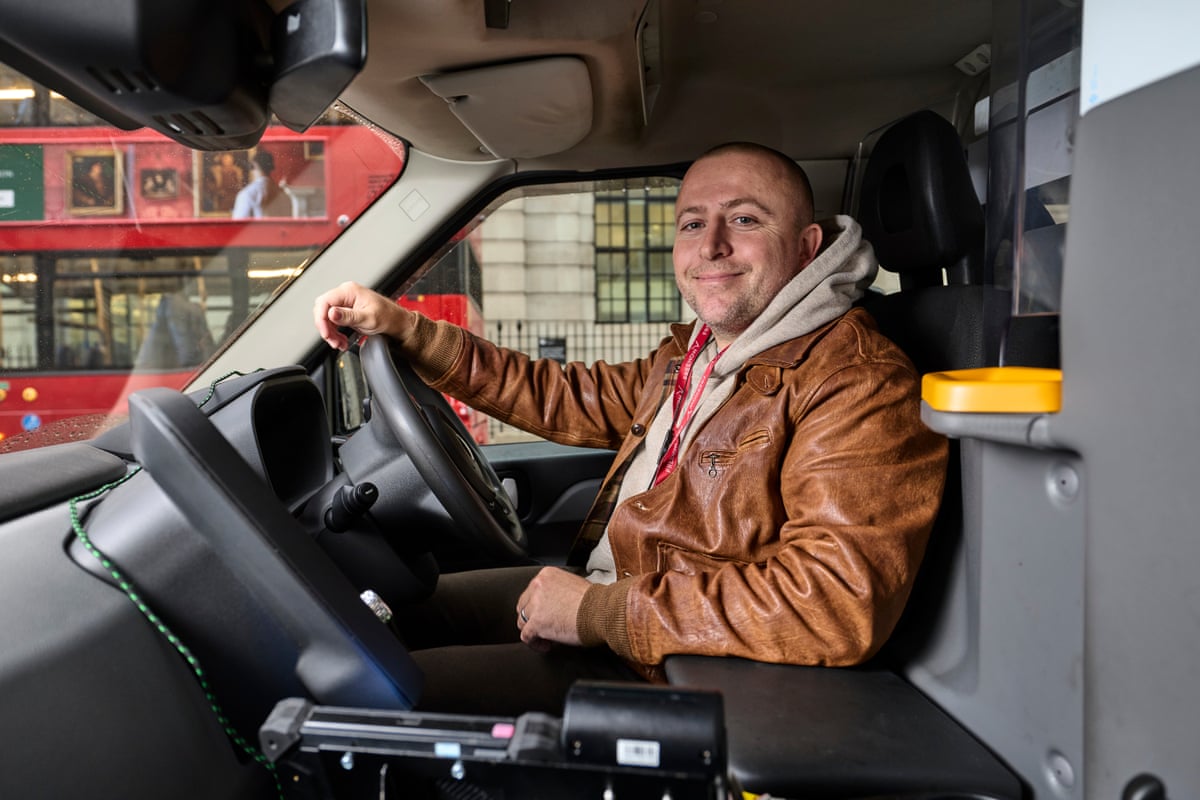
McMullan reported that several customers had struggled with the lack of direct car access to the street on the opening morning. He described dropping off a mother with a pram and a woman with walking difficulties, noting that he could only take the latter passenger partway to her destination. "She was really disappointed," he said. He expressed concern that the change might harm his business, suggesting that once people realise they cannot reach their destination by car, they may avoid taking taxis altogether.
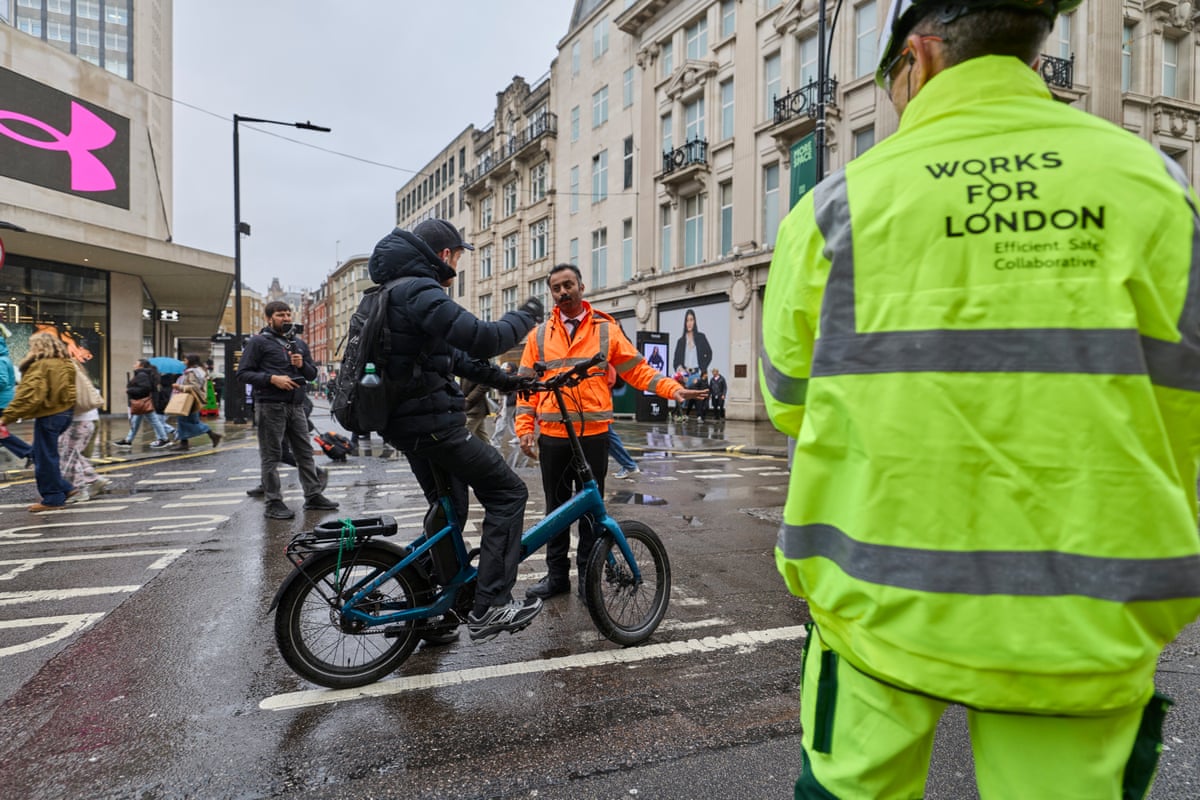
A cyclist identified as Jack was among many stopped by security guards as he attempted to ride down the street on his way home from a construction job. He stated bluntly that he would not comply with the restrictions, saying "I'm not going to listen to no one. I'm going to ride down this road, whether they like it or not." He argued that an alternative route would significantly lengthen his commute. Jack disagreed with pedestrianisation on principle, contending that such schemes, combined with low-traffic neighbourhoods, make it harder for people to use vehicles.
What happens next for Oxford Street?
The permanent plans for Oxford Street will depend on feedback gathered during this initial phase and ongoing testing. The mayor has indicated that London will closely monitor the changes to ensure they benefit everyone. Whether pedestrianisation will extend to the wider Oxford Street—particularly the section east of Great Portland Street towards Tottenham Court Road, which is not included in the current closure—remains undecided. The first phase will be assessed before any further extension is considered.
The timing of the closure, implemented just before the busy Christmas shopping period, was deliberate. Khan's vision centres on transforming Oxford Street into a destination that prioritises pedestrian experience and public space over vehicle movement, though the scheme's long-term success will depend on how well it balances the interests of shoppers, residents, workers, and businesses across the surrounding area.