Call for a European Coalition to Defend the Continent
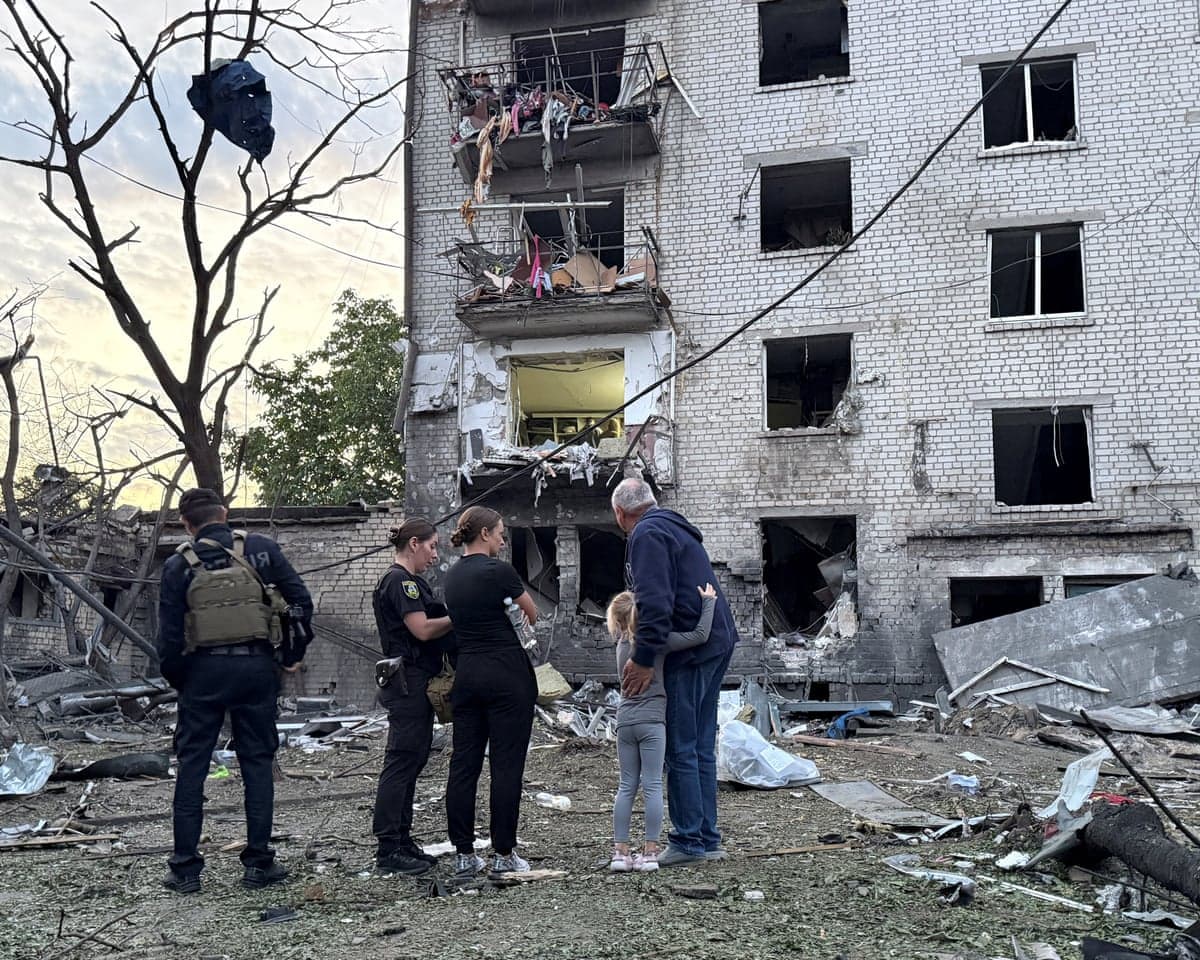
The United States’ approach to the defense of Europe has undergone a permanent transformation, prompting calls for a European coalition of willing nations, including Ukraine, to be established to safeguard the continent. Anders Fogh Rasmussen, former NATO secretary general, emphasized this need amid evolving geopolitical dynamics.
A coalition of 45 states is theoretically prepared to act as a reassurance and training force within Ukraine should a peace agreement with Russia be reached. Rasmussen, who has served as a close adviser to Ukrainian President Volodymyr Zelenskyy, proposes expanding this coalition concept to provide broader security guarantees across continental Europe, not solely Ukraine.
This coalition would serve as an insurance mechanism in the event of a sudden withdrawal of U.S. troops, ensuring European defense partners are ready to fill any resulting security gaps.
Proposal for a Coalition Led by European Nuclear Powers
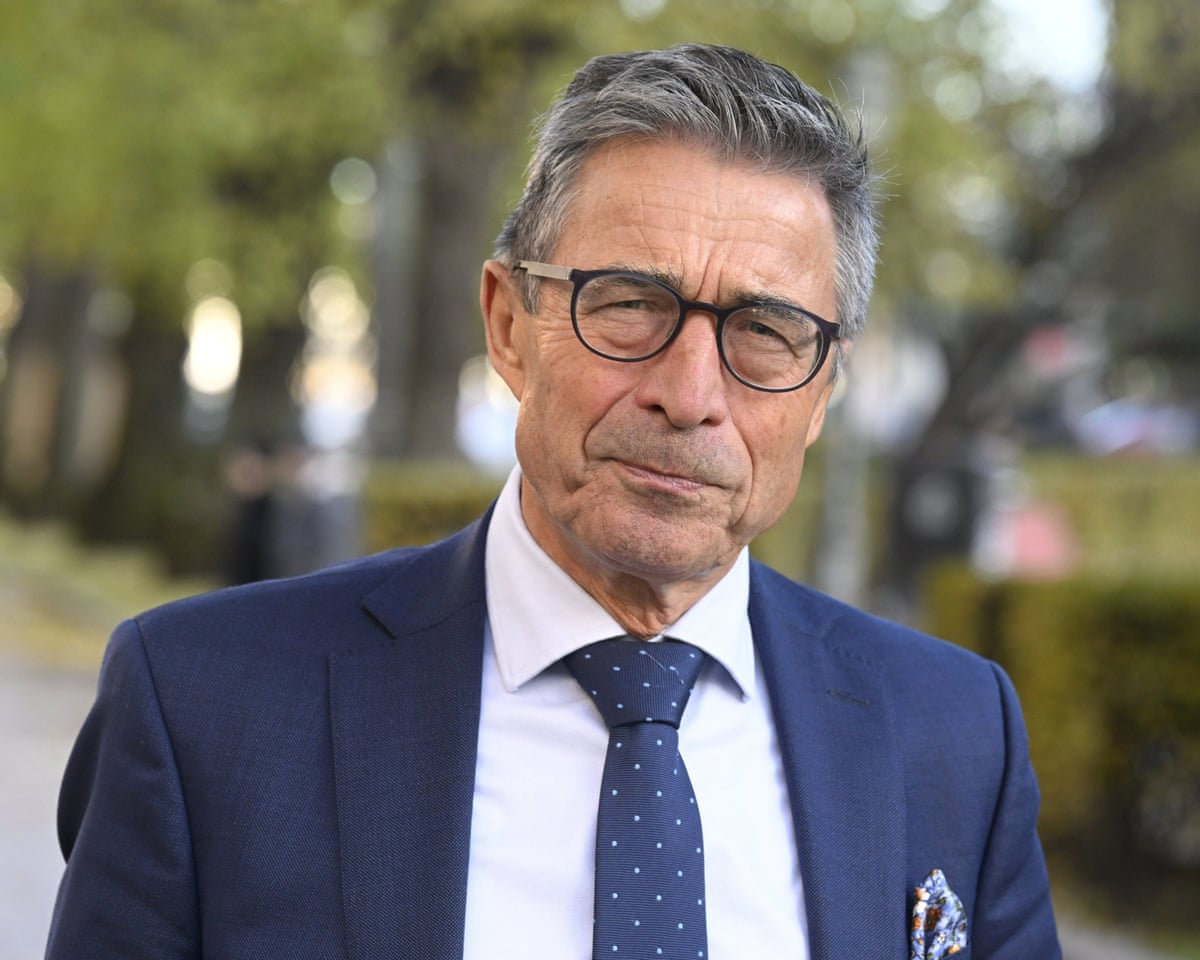
Speaking at a seminar on European defense on Monday, Rasmussen outlined his vision:
“I would propose a coalition of the willing in which a number of European countries come together that are capable and willing to do what is needed to defend the continent, including Ukraine. The force would be led by the two nuclear powers in Europe, France and the UK.”
His proposal precedes a meeting scheduled for Wednesday in Berlin, where five leading European defense powers will convene to develop a shared defense strategy ahead of the NATO summit in Ankara on 7 July. The summit aims to demonstrate to U.S. President Donald Trump that European nations are complying with his directive to increase their defense spending.
Defense Spending and Support for Ukraine
The upcoming NATO summit is expected to agree on a new target of €70 billion (£60 billion) in additional spending for Ukraine over two years. This funding will contribute to individual countries’ commitments to allocate at least 5% of their GDP to defense by 2035.
European defense officials partially support this target as it highlights the disproportionate concentration of support for Ukraine among a handful of states, primarily Germany, the UK, Sweden, Denmark, and the Netherlands.
U.S. Troop Presence and European Security
U.S. Defense Secretary Lloyd Austin has announced a review of American troop levels in Europe. Despite this, military officials remain confident that any drawdown under the Trump administration will not be abrupt enough to jeopardize European security.

Ukraine’s Integral Role in European Security
Rasmussen stressed the importance of integrating Ukraine into a new European security framework. He stated:
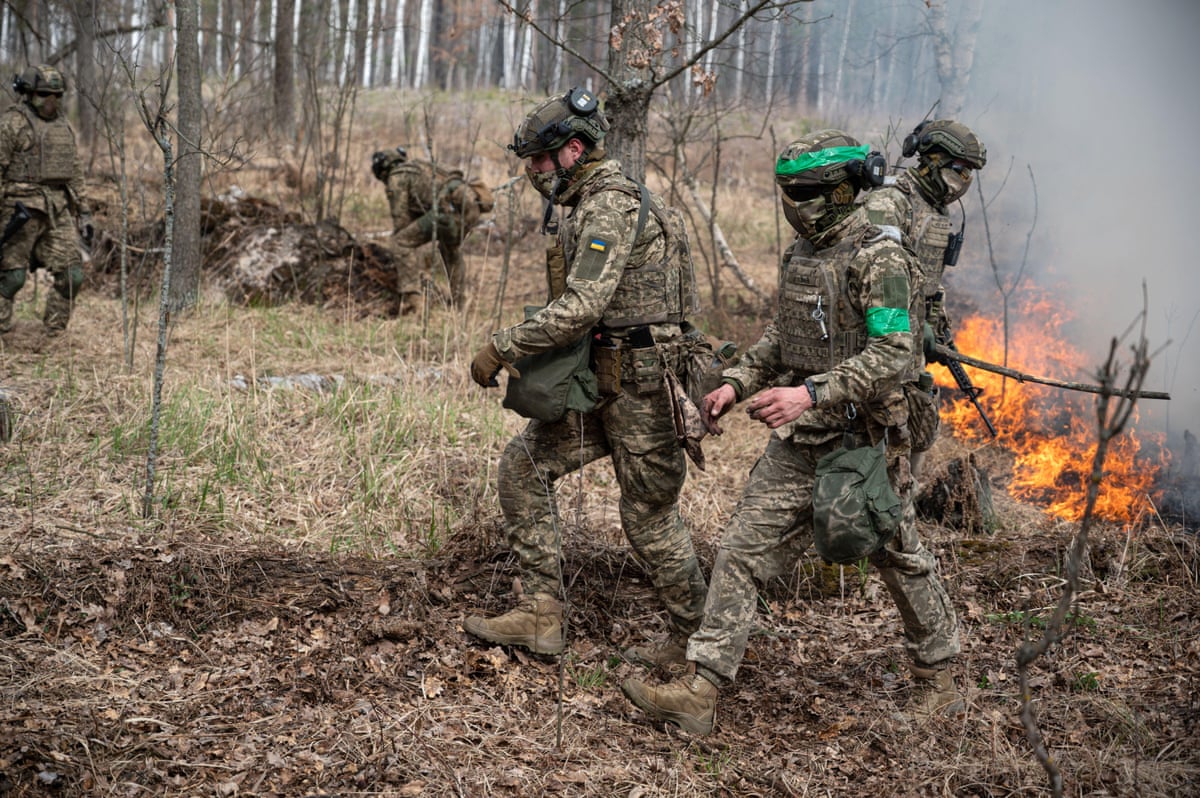
“However this conflict ends, we still have an aggressive Russia and we need Ukraine as a bulwark against that aggressive Russia. And Ukraine today is militarily the strongest nation in Europe. It’s battle tested, battle hardened.”
He further noted the evolving perception of Ukraine:
“Usually we look at Ukraine as a country that needs our help. That is still right, but more and more we should look at Ukraine as an asset, a country that can actually contribute to European security. And that’s why I think we should strengthen the European pillar within NATO based on a coalition of the willing, including Ukraine.”
Changing U.S. Attitudes and European Autonomy
Rasmussen acknowledged a perceptible shift in President Trump’s stance on the Ukraine conflict observed at the recent G7 summit in Evian. Nonetheless, he urged European leaders to act independently of U.S. reactions:
“I think we should stop just reacting to what we think Trump might say or do. Time has come now to make our own decisions without taking into account how Trump would react … It’s wishful thinking to believe that after Trump, the situation might return to business as usual. It won’t. The world has changed. The American attitude has changed.”
He also suggested that the Iran-U.S. conflict, where Russia demonstrated clear support for Iran, may have influenced new thinking about Russia within the White House.
Objectives for the NATO Summit
Rasmussen described the NATO summit’s task in Ankara as harnessing the potential for a new approach to reinforce the message that neither NATO nor the U.S. will abandon support for Ukraine. This stance aims to pressure Russian President Vladimir Putin, who faces an economy burdened by deficits, into negotiating.
Advancements in Ukrainian Defense Capabilities
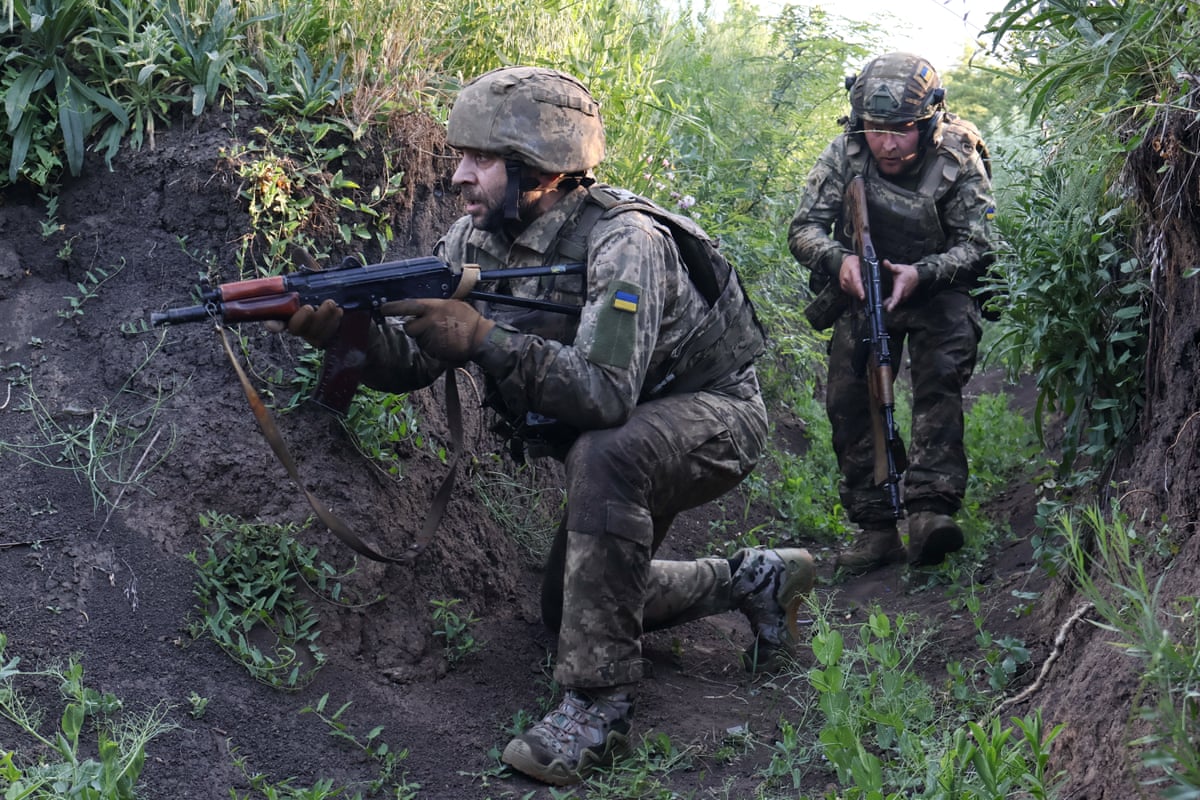
He expressed optimism regarding plans to grant Ukraine licenses to manufacture U.S.-designed weapons domestically, including interceptor and long-range missiles. Ukrainian defense leaders are advocating for the removal of European bureaucratic barriers that hinder the rapid and cost-effective integration of Ukraine’s defense industry with Europe’s. Transforming the defense ecosystem is viewed as more critical than supporting individual defense companies.
EU Negotiations with Russia and Battlefield Progress
Rasmussen cautioned against the European Union prematurely appointing its own negotiator with Russia, a subject that caused division at the last EU heads of state meeting. He stated:
“Before even thinking about appointing someone to negotiate on behalf of Europe, we should ensure that he or she will negotiate from position of strength.”
When asked about Ukraine’s battlefield progress, Rasmussen attributed it to both increased international support and Ukrainian innovation:
“We spent too many months discussing the delivery of battle tanks, fighter jets, everything. But gradually we have stepped up. But first and foremost, the Ukrainians themselves have been very innovative in developing hi-tech military capabilities, mainly drones and other kinds of hi-tech military stuff.”