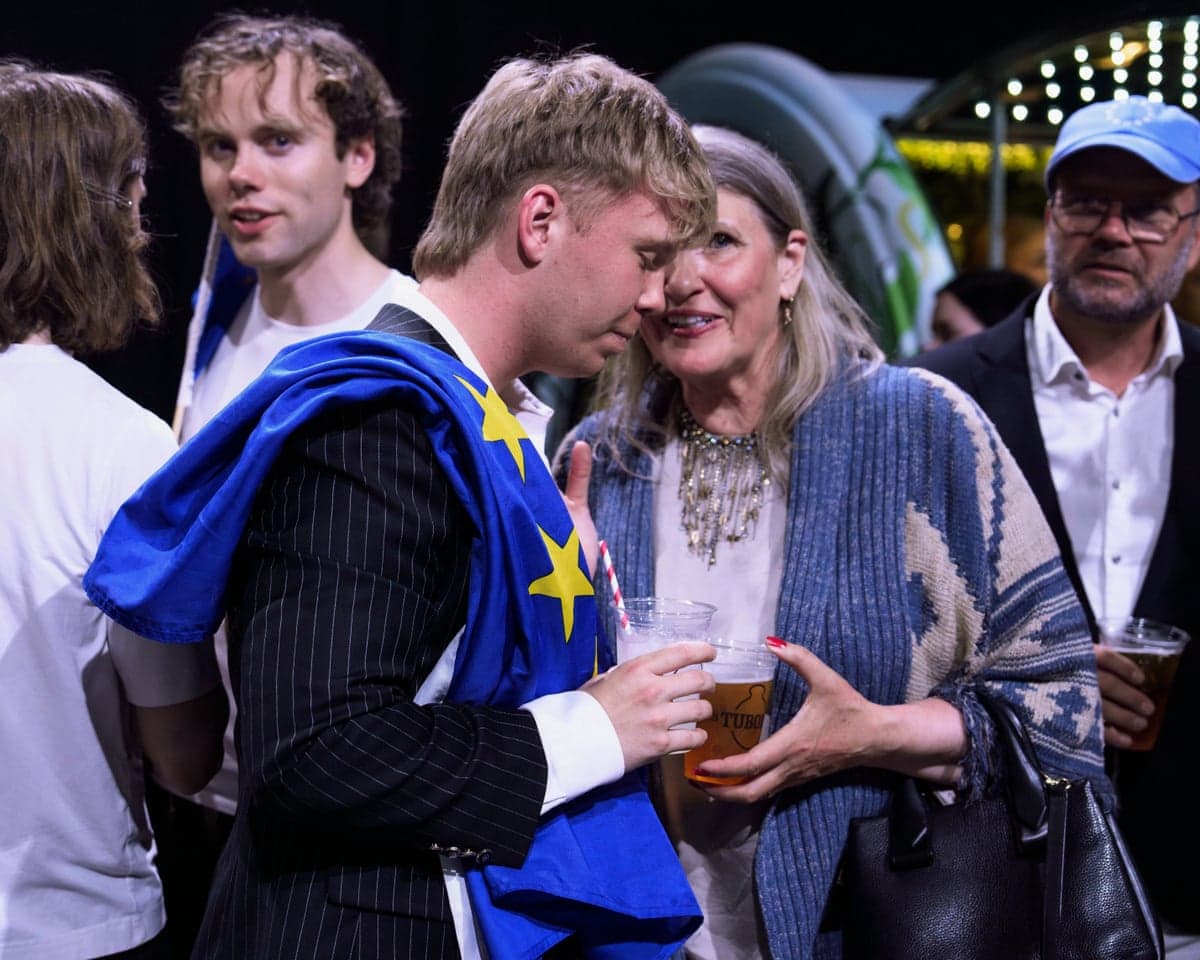
Icelanders have rejected a government proposal to begin accession negotiations with the European Union in a closely contested referendum held on 29 August. The outcome marks a significant setback for Brussels, which had sought to welcome the Nordic nation as a member state and signalled willingness to accommodate Icelandic concerns on sensitive matters to facilitate entry.
With results tallied on Sunday morning, the no camp secured 52.8% of the vote while the yes camp received 47.2%, with voter participation reaching 82.5%. However, early counting presented a different picture: according to , the yes side initially held a narrow lead based on approximately 87,000 counted votes before the final tally reversed the outcome. The referendum was advisory in nature, meaning parliament would not be legally bound by the result.
The Icelandic government convened a press conference on Sunday afternoon to address the referendum outcome. Prime Minister Kristrún Frostadóttir, who had campaigned actively for membership in the weeks preceding the vote, expressed hope that the result would not deepen divisions within the nation.
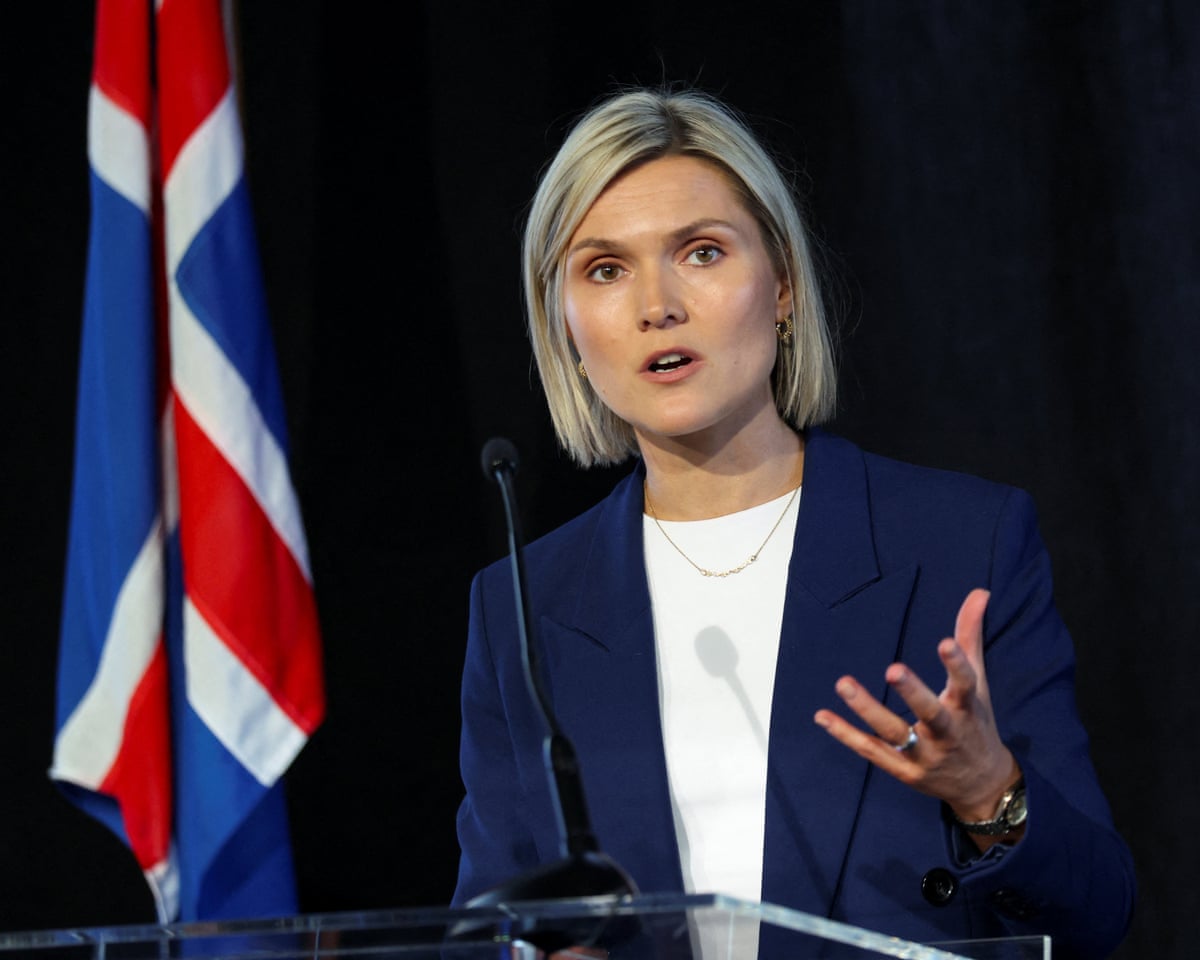
I don't experience this as hurt. I know some people have been in a state of shock, but now I've sat with a large group of people across the country and people are completely open to different outcomes.She acknowledged widespread concerns, particularly among rural communities, regarding potential consequences for Iceland's agricultural sector, fishing industry and natural resource management should the country join the bloc.
I promise that we will handle these issues well and keep these concerns in mind,she added.
What arguments shaped the campaign?
Supporters of EU membership argued that accession would help reduce Iceland's elevated interest rates and provide greater security amid geopolitical instability, including the ongoing conflict in Ukraine and statements by US President Donald Trump regarding the potential annexation of Greenland. These external pressures had injected urgency into a debate that Icelanders had conducted intermittently for decades.
Opponents of membership contended that joining the EU would compromise national sovereignty and threaten Iceland's fishing waters and marine resources. Their victory drew immediate praise from anti-EU figures across Europe. French far-right leader Marine Le Pen wrote on social media:
At a time when some are pushing for greater federalism and the transfer of sovereignty to the European Commission, this vote reminds us that another Europe is possible, a Europe of free, sovereign nations cooperating voluntarily on matters of common interest.Reform UK leader Nigel Farage similarly posted:
Congratulations to Iceland on voting to keep their independence.

Why did the no campaign prevail?
Hulda Þórisdóttir, a politics professor at the University of Iceland, attributed the outcome to multiple converging factors.
No won due to a combination of factors: a strong feeling that the EEA [European Economic Area] is all we need, a sense of Icelandic exceptionalism, economic self-interest and a lot of misinformation among the least engaged, for example 'I don't want my son to have to join the EU army',she explained. She emphasised a critical structural advantage:
But very importantly, it seems clear to me that the no campaign was much, much better funded.
Pre-referendum polling had suggested an extremely tight contest. The final Maskína survey showed 50.4% backing yes and 49.6% backing no, while an earlier Gallup poll found both camps tied at 46% with 8% undecided, underscoring the unpredictability of the outcome.
How did Iceland reach this referendum?
Iceland first submitted an application to join the EU in 2009 following a severe financial crisis that exposed vulnerabilities in the country's small, isolated economy. A eurosceptic government that took office in 2013 terminated membership negotiations, effectively freezing the application process. The current administration pledged to hold a referendum when it assumed power, though the vote occurred considerably sooner than initially anticipated. Iceland's parliament voted on 28 May 2026 to schedule the referendum for 29 August, with 34 votes in favour, 8 opposed, 14 abstentions and 7 absent.
The government had framed its membership initiative as a decisive moment, with Prime Minister Frostadóttir telling voters in August that a no result would settle EU speculation definitively. Geopolitical upheaval—particularly tensions surrounding Greenland, conflict in the Middle East and threatened US import tariffs—had transformed what might have remained an abstract policy question into an urgent strategic consideration.
What happens next?
The referendum result does not permanently foreclose future EU engagement. According to , if the outcome had favoured membership, the next phase would have involved reopening accession negotiations with Brussels, a process expected to span two or more years and culminate in a second referendum on actual EU membership, potentially as early as 2028. The government retains the option to revisit the question in future years, as the advisory referendum does not constitute a permanent bar to renewed discussions with the European Union.
Key Facts:
- The no camp won 52.8% to 47.2% in the 29 August referendum, with 82.5% voter turnout.
- The referendum was advisory; parliament is not legally bound to implement the result.
- Iceland first applied for EU membership in 2009 after a financial crisis; talks were frozen in 2013 under a eurosceptic government.
- Pre-vote polling showed an extremely tight race, with the final Maskína survey indicating 50.4% yes and 49.6% no.
- The no campaign benefited from substantially greater financial resources and messaging that emphasised sovereignty concerns and protection of fishing waters.