Thousands of Germans took to the streets across the country to protest the far-right Alternative für Deutschland (AfD) following its breakthrough victory in a state election, expressing deep concern that the party could gain ground in two additional regional contests scheduled for later this month.
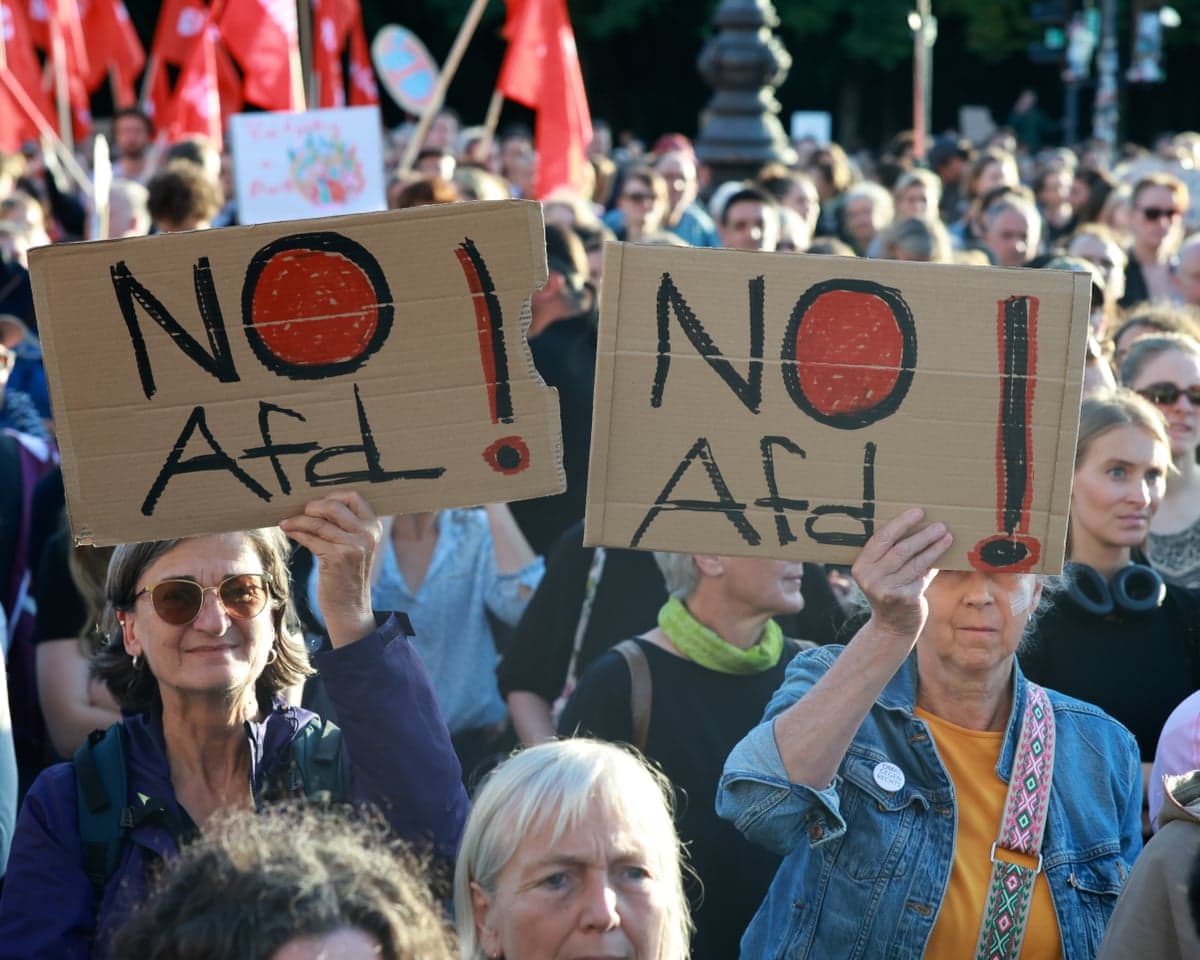
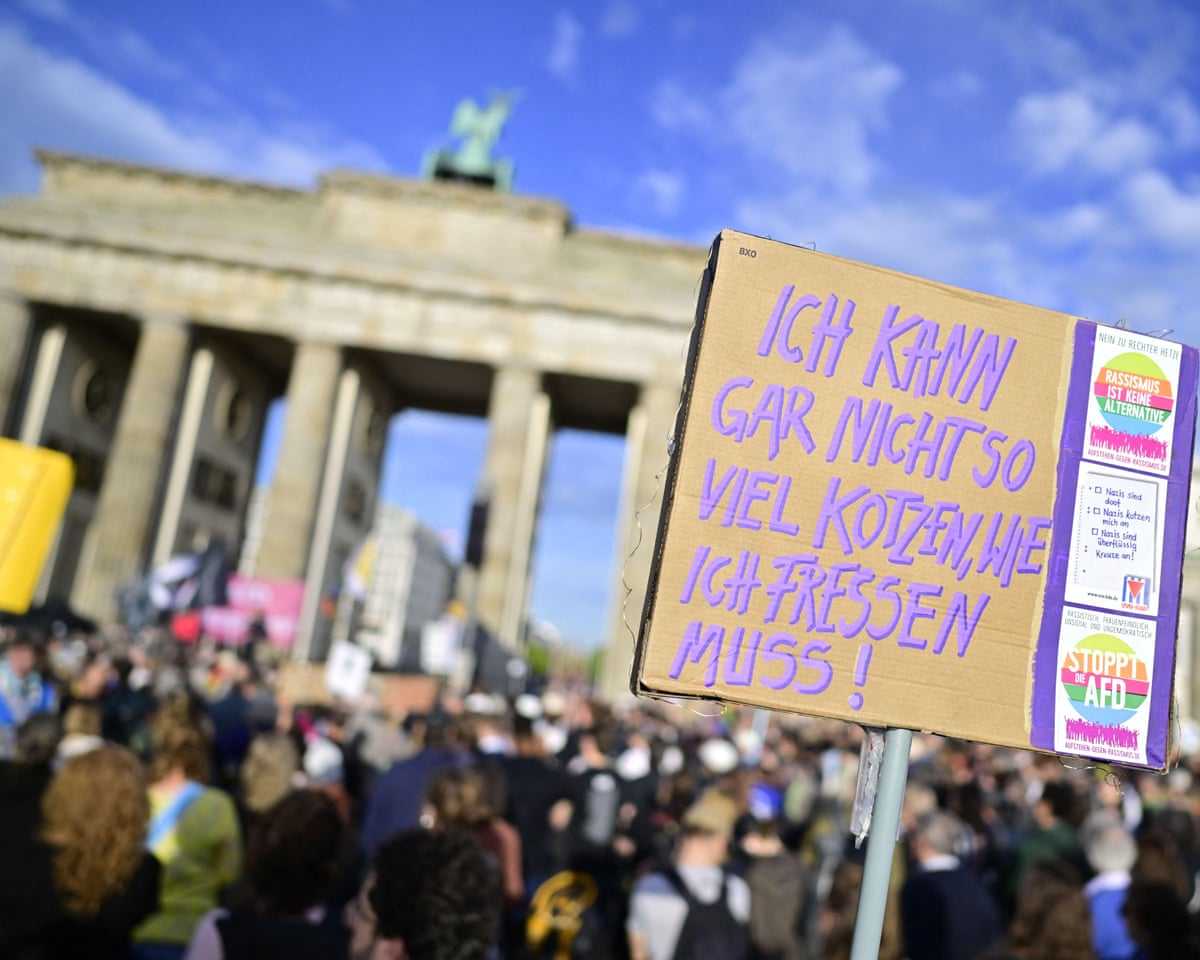
At Berlin's Brandenburg Gate on Monday, demonstrators gathered for a peaceful pro-democracy demonstration opposing the AfD's anti-immigrant platform and pro-Russian stance. The party has advocated for mass deportations of asylum seekers, elimination of state funding for renewable energy initiatives, and defunding of public broadcasting services.
The AfD secured 43.8% of the vote in the former communist eastern state of Saxony-Anhalt on Sunday, capturing 39 of 83 seats but falling short of an outright majority. The party now enters regional elections in Berlin and Mecklenburg-Western Pomerania, on the Baltic coast, on 20 September with significant momentum.
Police estimated the Berlin rally drew 5,000 participants, though organisers claimed attendance exceeded 14,000 people mobilised to encourage voters to oppose the AfD. Placards displayed throughout the crowd conveyed messages including "Fascism is no alternative", "Stop the Nazi AfD: end racism and cuts to social services" and "History has its eyes on us".
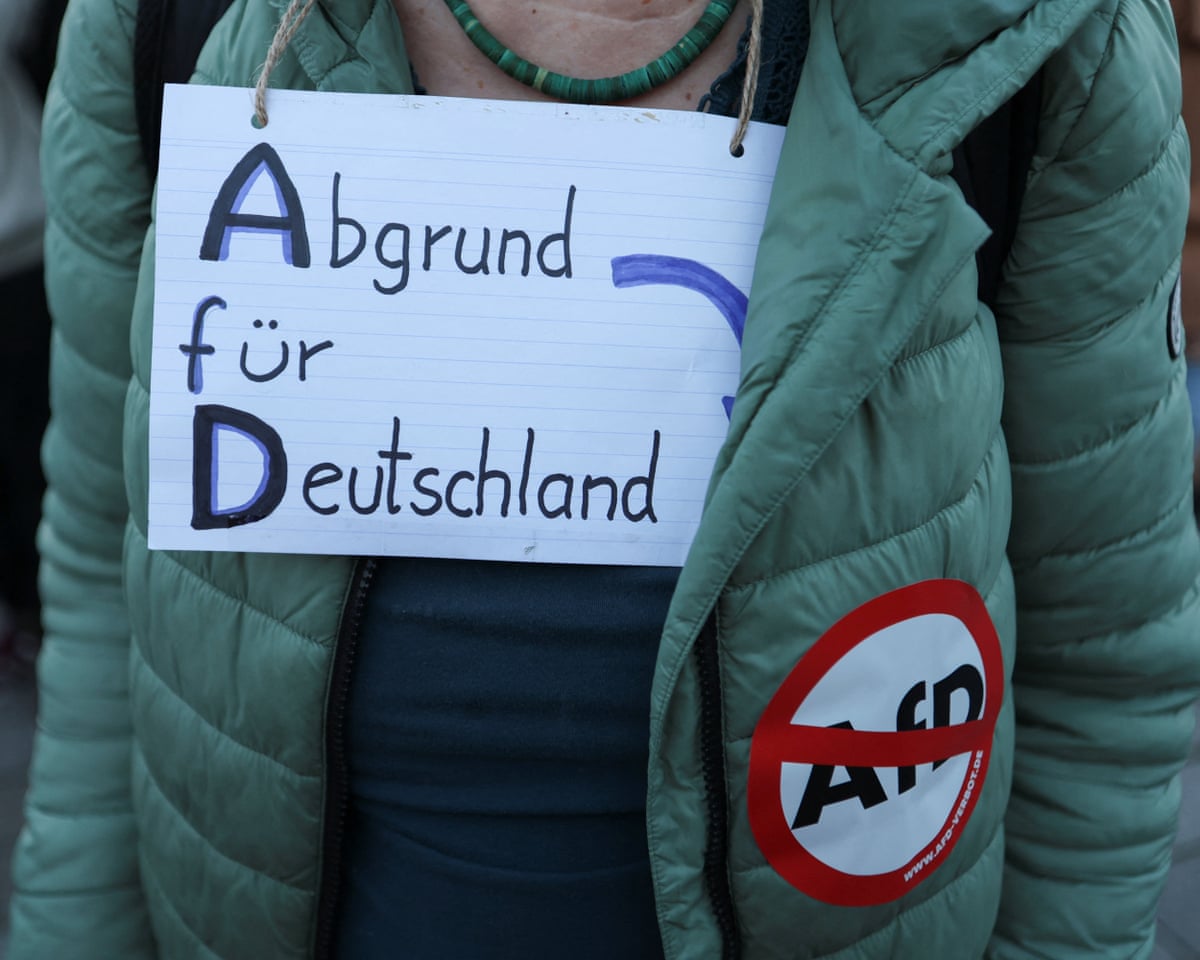
The rally was organised at short notice by Campact and the Fridays for Future climate movement, bringing together youth-climate activism with broader anti-AfD mobilisation efforts. According to , approximately 26 protests were registered across Saxony-Anhalt over the election weekend, demonstrating that the backlash extended well beyond the capital.
With fewer than two weeks remaining before the Berlin and Mecklenburg-Western Pomerania votes, participants at the Brandenburg Gate rally urged against despair and apathy following Sunday's result. Jens-Christian Wagner, director of the memorial at the former Nazi concentration camp Buchenwald, addressed the crowd, describing the AfD's performance as
a "disgrace that makes you furious and stunned". Wagner warned that the AfD, despite narrowly missing an absolute majority, stood poised to assume power in Saxony-Anhalt—a historic first for the far right since the Second World War—and stressed that this development
"should not be accepted in silence".
Max Schneller, 17, a member of the far-left Linke party from Saxony-Anhalt, pledged that activists in the state would resist any AfD government efforts to target minorities.
"We will not start categorising our neighbours according to their origin, religion or skin colour – we are too humane to hate,"he told the assembled crowd to sustained applause.

The AfD currently holds three votes short of the support required to form a government under its candidate, the media-savvy firebrand Ulrich Siegmund, who is attempting to secure backing from dissenters within the remaining parties that could serve as coalition partners. Germany's domestic intelligence agency has classified the state chapter of the party as right-wing extremist since 2023, citing threats to democratic norms.
Hundreds of additional anti-AfD protesters assembled in Potsdam, near Berlin, with further demonstrations organised in Münster, Göttingen, Dresden, Aachen, Bamberg, Darmstadt, and Halberstadt in Saxony-Anhalt. In Halle, the region's second-largest city, leftist groups and civil society organisations have maintained a protest camp since election day. According to , roughly 2,500 people participated in an Antifa rally in Halle and approximately 15,000 attended a pro-democracy festival in Magdeburg on Saturday.
How do the two upcoming elections look?
In Mecklenburg-Western Pomerania, the AfD leads voter intention surveys at approximately 35%. However, the centre-left Social Democratic Party (SPD) of state premier Manuela Schwesig has mounted a striking recovery over the summer months and now polls above 30%.
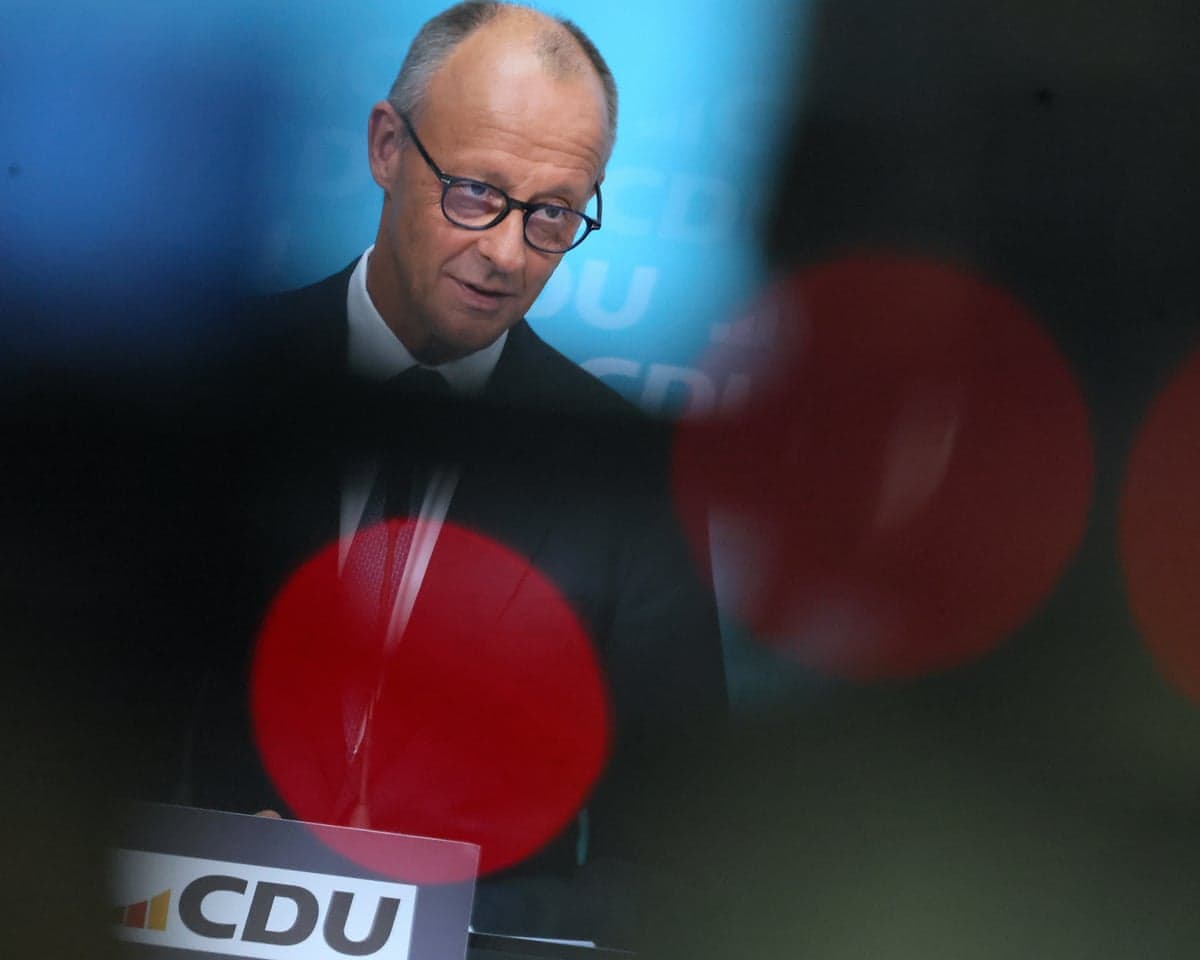
The political landscape in Berlin presents a more complicated picture. The capital is governed by a coalition of conservative Christian Democrats (CDU) and the SPD. The CDU, the party of Chancellor Friedrich Merz, maintains a narrow lead with approximately 20% support. Close behind are the Linke, which has centred its campaign on soaring housing costs, and the AfD, trailed by the SPD and the ecologist Greens, both polling in the mid-teens.
What challenges face the federal government?
Chancellor Merz and the CDU are pursuing a package of contentious reforms, contending that revitalising Europe's largest economy and restoring the creaking social welfare system represent the only viable path to counter the AfD's rise. However, the SPD, serving as the junior coalition partner in the federal government, has signalled openness to reversing some of the most unpopular measures to shore up support for the struggling administration.
Political analysts warn that this disagreement could further destabilise the already fragile coalition. The AfD's breakthrough in Saxony-Anhalt has intensified pressure on Merz, who vowed to remain as chancellor despite the CDU's collapse to 17.2%—its worst performance in decades.
What comes next?
Berlin police have registered additional anti-AfD demonstrations scheduled for 12 September 2026 at Köllnischer Park and 19 September 2026 at Platz der Republik 1, indicating that protest activity will intensify in the lead-up to the Berlin regional election on 20 September. The scheduled rallies underscore the determination of civil society groups to maintain momentum against the far-right party during the final days of campaigning.
Key Facts
- The AfD secured 43.8% in Saxony-Anhalt on 1 September 2026, winning 39 of 83 seats but falling three votes short of an outright majority
- Regional elections in Berlin and Mecklenburg-Western Pomerania are scheduled for 20 September 2026
- Germany's domestic intelligence agency has classified the AfD's state chapter as right-wing extremist since 2023
- Approximately 26 protests were registered across Saxony-Anhalt over the election weekend, with roughly 15,000 attending a pro-democracy festival in Magdeburg
- The federal coalition between the CDU and SPD faces mounting pressure as disagreements over economic reforms threaten to destabilise the government