

Reporting from Athens in the days after Scottish aid worker Elisabeth "Lisa" Ross was found dead inside a suitcase in an abandoned building, it quickly became clear why the case had drawn such intense international attention. A 26-year-old man has been charged in connection with her death, and the investigation has since expanded to include new forensic and financial evidence.
The scale of public interest was not surprising once I saw the reaction on the ground. The circumstances of Ross's death are disturbing both to residents of the Athens neighbourhood where she was found and to observers following the case from abroad.
Where was the body discovered?
Ross's body was located in a derelict former car showroom on Evelpidon Street in the Kypseli district, an area residents described to me as ordinarily one of the safer parts of the city. The building is enclosed by heavy metal security fencing, covered in graffiti, and has vegetation growing through its roof, yet it sits close to apartment blocks, a park and a sports club in a neighbourhood otherwise full of tourists staying in short-term rentals. Cafes, shops and residential buildings nearby were busy with everyday activity despite the intense summer heat.
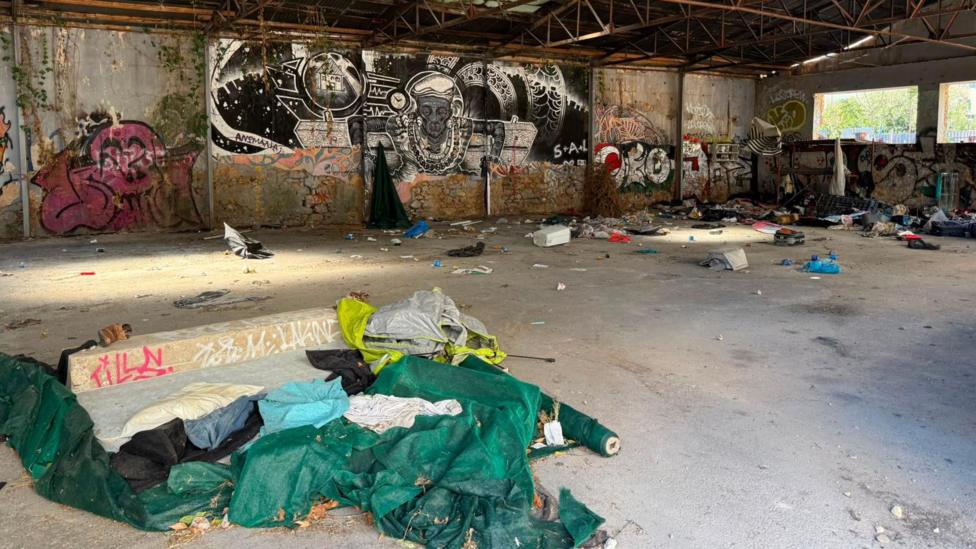
According to our earlier reporting, Greek police began investigating possible foul play after Ross's body was found in a suitcase on 18 July 2026. Investigators later said they were searching for "American friends" Ross had mentioned to acquaintances, as detailed in a previous update on the case.
Where had Ross been staying before her death?
Ross, 38, had spent about a month in Athens volunteering with a refugee support charity and was living less than a mile from where her body was found, in a traditional Greek apartment building with a marble-lined entrance foyer. Inside, one resident told me he was terrified to learn what had allegedly taken place so close to where he lived without his knowledge.
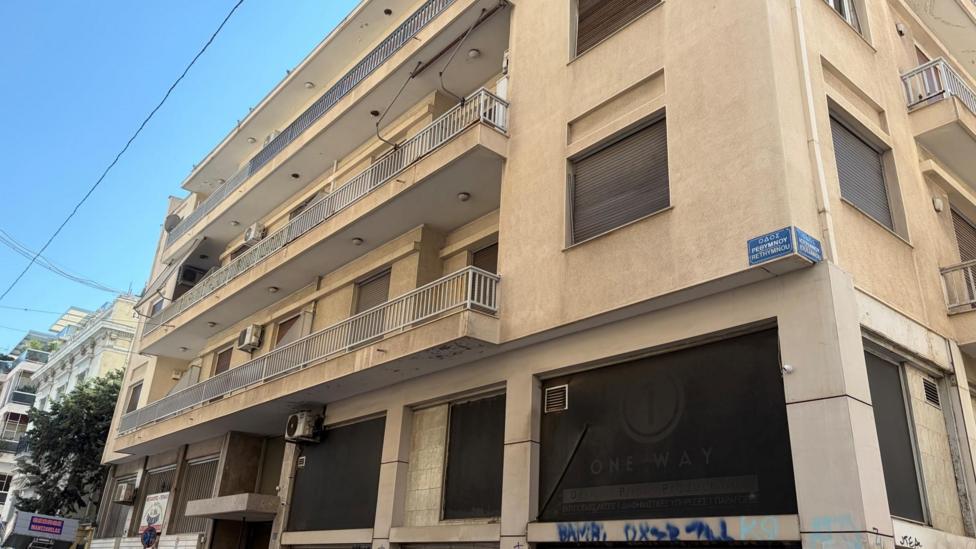
The building contains around 12 flats spread across several floors plus a basement, and residents said Ross had been staying in a ground-floor unit. On one door, dark smudges were visible — dust left behind after police dusted for fingerprints as part of their forensic examination.
According to reporting from the Independent, Hellenic Police confirmed that Ross was ultimately identified through fingerprint records. Separate reporting has indicated that her phone continued sending messages for several days after her death, raising the possibility that someone else may have been using it to impersonate her, according to an earlier report.
Who is the man accused of killing her?
The suspect is Sharif Ahmadzai, a 26-year-old born in Afghanistan who arrived in Greece as a refugee at the age of 15. He is married to an American woman, converted to Christianity, and had gone on to establish a charity supporting refugees.
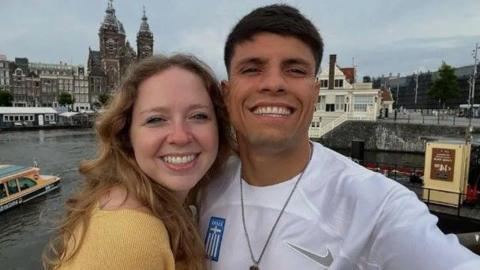
Before Ahmadzai's court appearance, most information about the case reached journalists through unofficial police sources rather than formal statements. Official confirmation from Greek police was limited, but a steady flow of details came from the police officers' union, which did not appear bound by the same restrictions as senior police officials. Through that channel, reporters learned that CCTV footage showed Ahmadzai moving a suitcase believed to contain Ross's body, and that he had admitted to moving the body while denying he killed her.
Since then, according to a report from a national broadcaster, police say Ahmadzai confessed after being brought in for questioning, and investigators now allege he also used Ross's bank cards after moving her body. The same report says police have seized a replica pistol and a knife from his home during searches, and that officials are fast-tracking toxicology tests that could establish the cause of death within days.
Additional reporting suggests Ross entered Greece on 26 June 2026 and initially stayed in the Piraeus area before leaving on 10 July for an undisclosed location in the wider Attica region, according to the same broadcaster.

What happened at his first court appearances?
Ahmadzai's initial court appearance took place on a Wednesday morning, coincidentally on the same street where Ross's body had been discovered. Unlike court practice in Scotland, only accredited court reporters are permitted inside Greek court buildings, so I waited outside in the heat alongside a group of mostly Greek journalists and a handful of other international press.
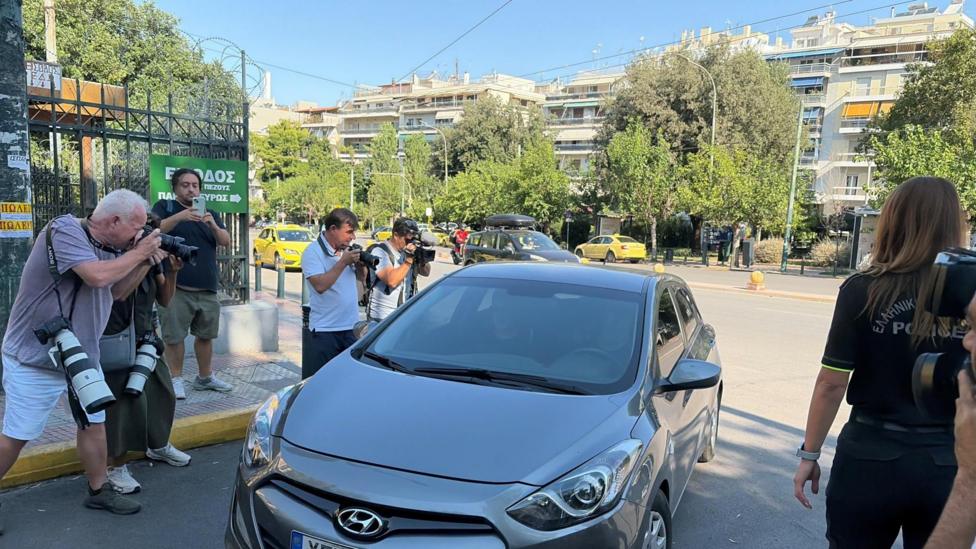
After a period of waiting, local reporters were suddenly sent footage showing Ahmadzai being placed into a vehicle at police headquarters, giving us roughly ten minutes to prepare for his arrival. Rather than the prison van I had anticipated, a small grey Hyundai i30 hatchback sped past us and into a secure compound protected by a gate and barbed wire. Its windows were blacked out, so Ahmadzai could not be seen entering — but a local contact, Daphne, who had access inside the compound, filmed him on her phone as he was later brought out.
On Thursday, Ahmadzai returned to court to be formally charged and remanded in custody ahead of a trial that could take as long as 18 months to begin. This time I was able to get inside the compound myself and waited roughly three hours for the hearing to conclude.
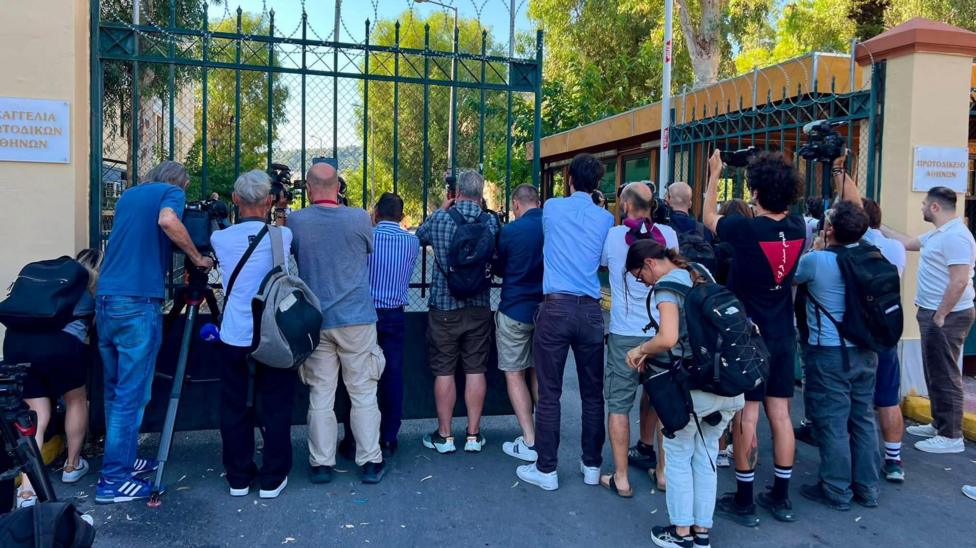
When I finally saw him in person, the contrast with earlier images and footage was striking. Two tall, armed police officers in balaclavas flanked a handcuffed Ahmadzai as they escorted him past waiting reporters in what felt like a deliberately staged procession. Ahmadzai, reportedly a former champion boxer, appeared physically diminished, walking quickly with his head bowed the entire time and looking visibly dejected. As he passed, I was able to ask him directly whether he had known Ross and whether he had killed her.
Separately, according to reporting from the Standard, Ahmadzai's legal team has requested access to Ross's medical records from the UK ahead of any plea, and he has so far exercised his right to remain silent in court.
How did investigators say they linked him to the case?
Once again through the police union rather than an official statement, journalists were told that Ahmadzai's wife provided investigators with what were described as "key" and "decisive" details placing her husband and Ross together in the same apartment on 15 July 2026. She reportedly told police that she and her husband had first met Ross in February while all three were volunteering for a refugee charity in Athens.
Investigators have also said Ahmadzai denies homicide with intent — the Greek equivalent of a murder charge in Scotland — while admitting he moved the body, which he claims he did out of fear he would be blamed for her death. His defence lawyer, Christos Erdas, has argued that the volume of leaked details to media could undermine the presumption of innocence, stating that his client had chosen to stay silent so he could present a full defence once the case file was complete, and that his rights had been "violated" by the leaks.
How does this connect to what was already known?
The case builds on earlier developments reported over recent weeks. An earlier report noted that a 26-year-old man had already confessed to transporting Ross's body in a suitcase to the abandoned building, while investigators awaited toxicology results to determine how she died. Ross's family has since paid tribute to her, describing her as "kind and selfless," and additional coverage has noted she was known in Edinburgh as an active church member and aid worker, according to a further report.
How has the case been received locally?
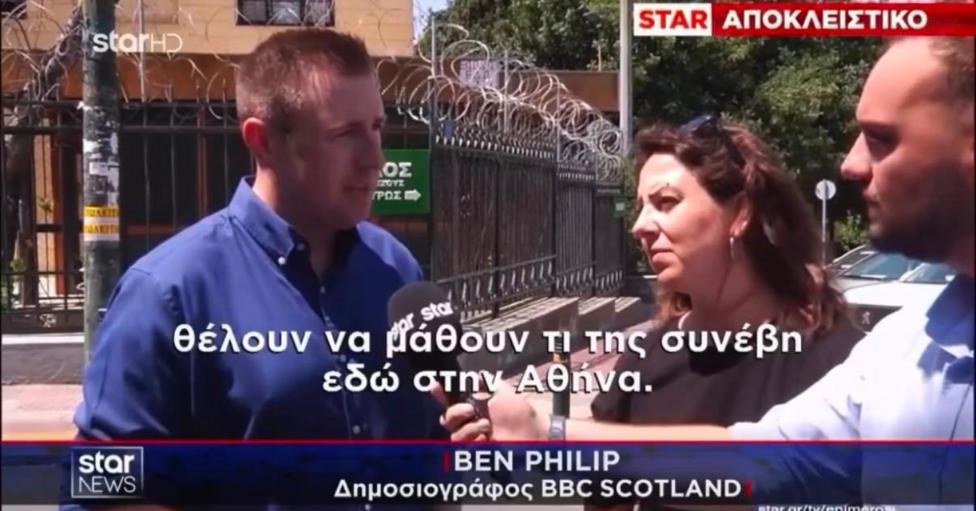
Greek journalists, though accustomed to high-profile criminal cases, expressed particular fascination that reporters had travelled from Scotland specifically to cover this story. I was interviewed by the Greek television channel Star and by the national broadcaster ERT, both of which wanted to understand why Scottish media had come to Athens and how the public back home was reacting. One reporter remarked that the case felt like something drawn from the script of a horror film.
What happens next?
Greek authorities are awaiting toxicology results that could clarify the exact cause of Ross's death, with police indicating findings may be available within days, according to a national broadcaster's report. Ahmadzai's defence team is also seeking Ross's UK medical records before he enters a formal plea, according to the Standard's coverage, suggesting further pre-trial legal proceedings are likely before the case reaches trial, which could be as far as 18 months away.
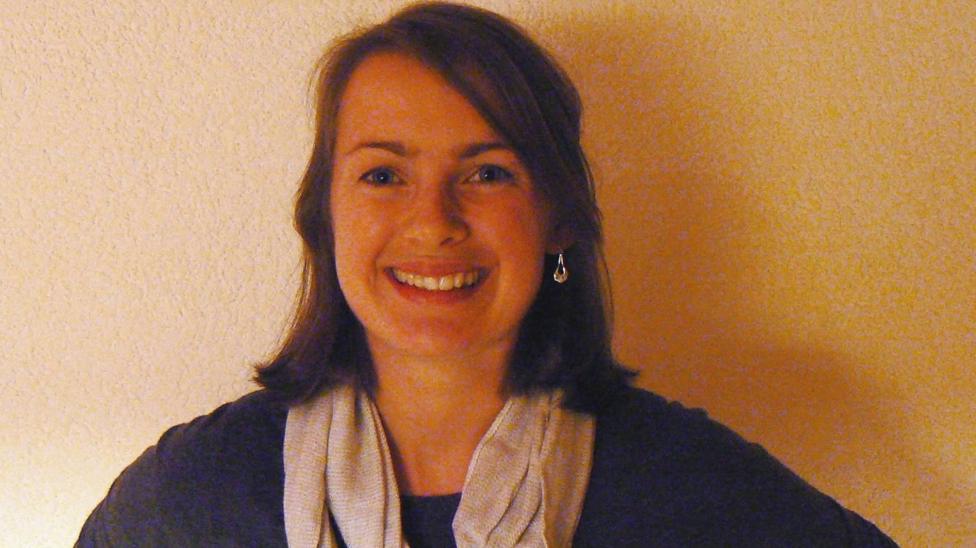
As a reporter, it is easy to become consumed by the pursuit of information, the pressure of deadlines and the effort to bring an audience closer to a story. This week served as a reminder of why that work matters in the first place. At the heart of the case is a woman whose sudden and violent death has left her family searching for answers, and while the investigation continues, Lisa Ross remains the most important part of this story — and the person I will carry with me as I leave Athens.
Key Facts
- Elisabeth "Lisa" Ross, 38, was found dead inside a suitcase in an abandoned Athens building on 18 July 2026.
- Sharif Ahmadzai, 26, an Afghan-born refugee charity founder, has been remanded in custody accused of homicide with intent; a trial could take up to 18 months.
- Police say Ahmadzai confessed to moving the body and allegedly used Ross's bank cards afterward; a replica pistol and knife were seized from his home.
- Toxicology results, which could confirm the cause of death, are being fast-tracked and may be released within days.
- Ahmadzai's lawyers are seeking Ross's UK medical records before he enters a plea.


