Greek police say a 26-year-old man has confessed to transporting the body of Scottish woman Elisabeth-Jane Ross in a suitcase to an abandoned building in Athens, as investigators fast-track toxicology tests to determine how she died. Ross, 38, known to her family as Lisa, was found in the Kypseli district of the city on 18 July, days after she was reported missing, and authorities are still deciding whether the case should be treated as murder.
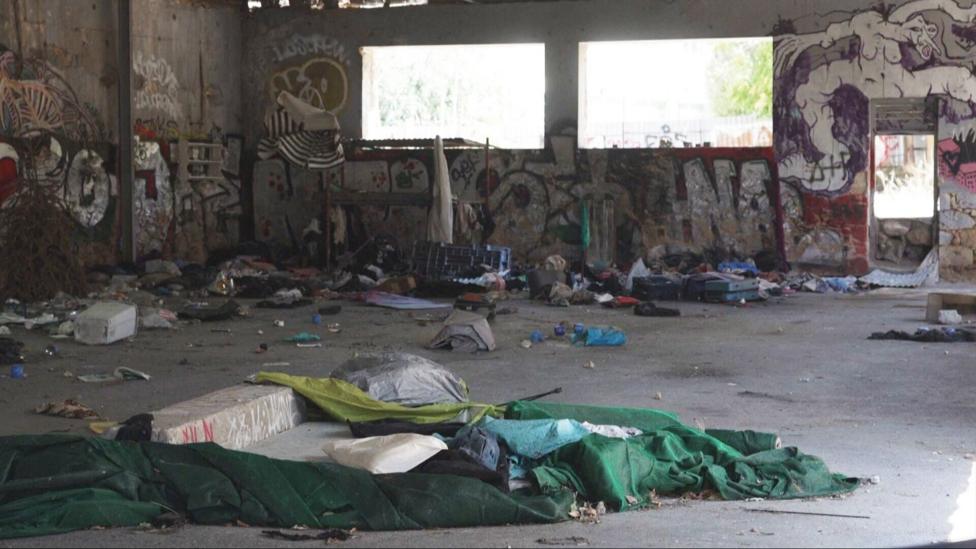
Police say the man was arrested after investigators analysed video footage and gathered evidence with help from authorities in the US, the UK and Scotland. They also say he was taken to police headquarters on Thursday, where he "confessed to his actions".
What are police saying happened?
Police say the man is suspected of transporting Ross's body to the abandoned site and later using her bank cards to withdraw money. He was arrested on suspicion of manslaughter, robbery and weapons offences, although the exact charges have yet to be finalised under the Greek legal system.
During searches at his home, police said they seized a replica pistol and a knife.
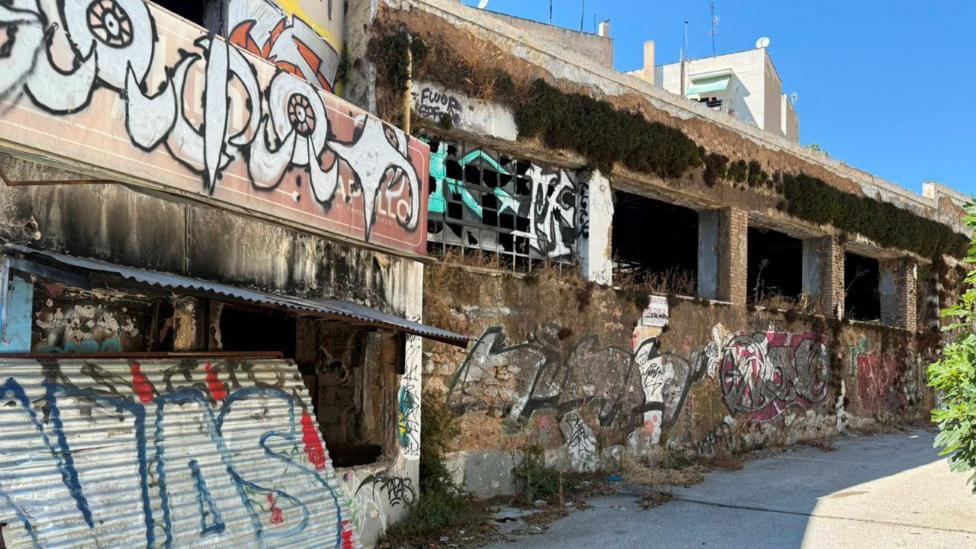
What is known about Lisa's movements before she went missing?
Police said Ross arrived in Greece on 26 June and stayed in the Piraeus area until 10 July, when she left for an unknown destination in Attica. She is also thought to have travelled to Greece from Edinburgh in late June, and she went missing on 15 July after staying in the area of Keratsini, 5.9 miles (9.5km) west of central Athens, with Greek friends.
She had told those friends that on 15 July she would go to Kypseli, where her "American friends" or acquaintances were. Police sources said officers were still trying to identify these individuals, and Greek authorities said they were also looking to trace them after it emerged she had planned to contact them there.

Police said Ross's mobile phone was transmitting a signal and sending some messages a few days after her death, according to the report. Greek police are continuing their inquiries while they try to trace the people Lisa intended to meet in Kypseli.

How quickly could the cause of death be confirmed?
Police cannot yet confirm whether Ross's death is being treated as murder. A post-mortem examination is under way, and toxicology tests to determine the cause of death could help confirm whether foul play was involved.
Test results can take anywhere from several weeks to a few months depending on the complexity of the case and the workload of forensic laboratories. However, on Saturday, police spokesperson Konstantina Dimoglidou told BBC Scotland News that the process had been made a priority so that results could be available "in the coming days".
"We have made it a priority so we can have results in the coming days.
"Then we will know how she died. This can't wait."
What support is being given to the family?
On Wednesday, the Foreign, Commonwealth and Development Office (FCDO) confirmed they were providing consular support and were in contact with the Greek authorities. First Minister John Swinney called it an
"absolutely appalling case"and said her family would be supported by the Scottish government and the FCDO.
A Scottish government spokesperson said it was an extremely distressing time for Ross's family and asked for their privacy to be respected while enquiries continued.
"Scottish government officials are in communication with the family and with the Foreign, Commonwealth and Development Office to ensure they receive appropriate support.
"As this remains an operational matter for Police Scotland, it would not be appropriate to comment further."
Police Scotland said they were also providing support to Lisa's family.
Key Facts
- Elisabeth-Jane Ross, 38, known to her family as Lisa, was found dead in an abandoned building in Kypseli on 18 July.
- Greek police say a 26-year-old man confessed to transporting her body in a suitcase to the site.
- Officers say he was arrested on suspicion of manslaughter, robbery and weapons offences.
- Police are fast-tracking toxicology tests to determine how she died.
- The FCDO, Scottish government and Police Scotland are supporting her family.