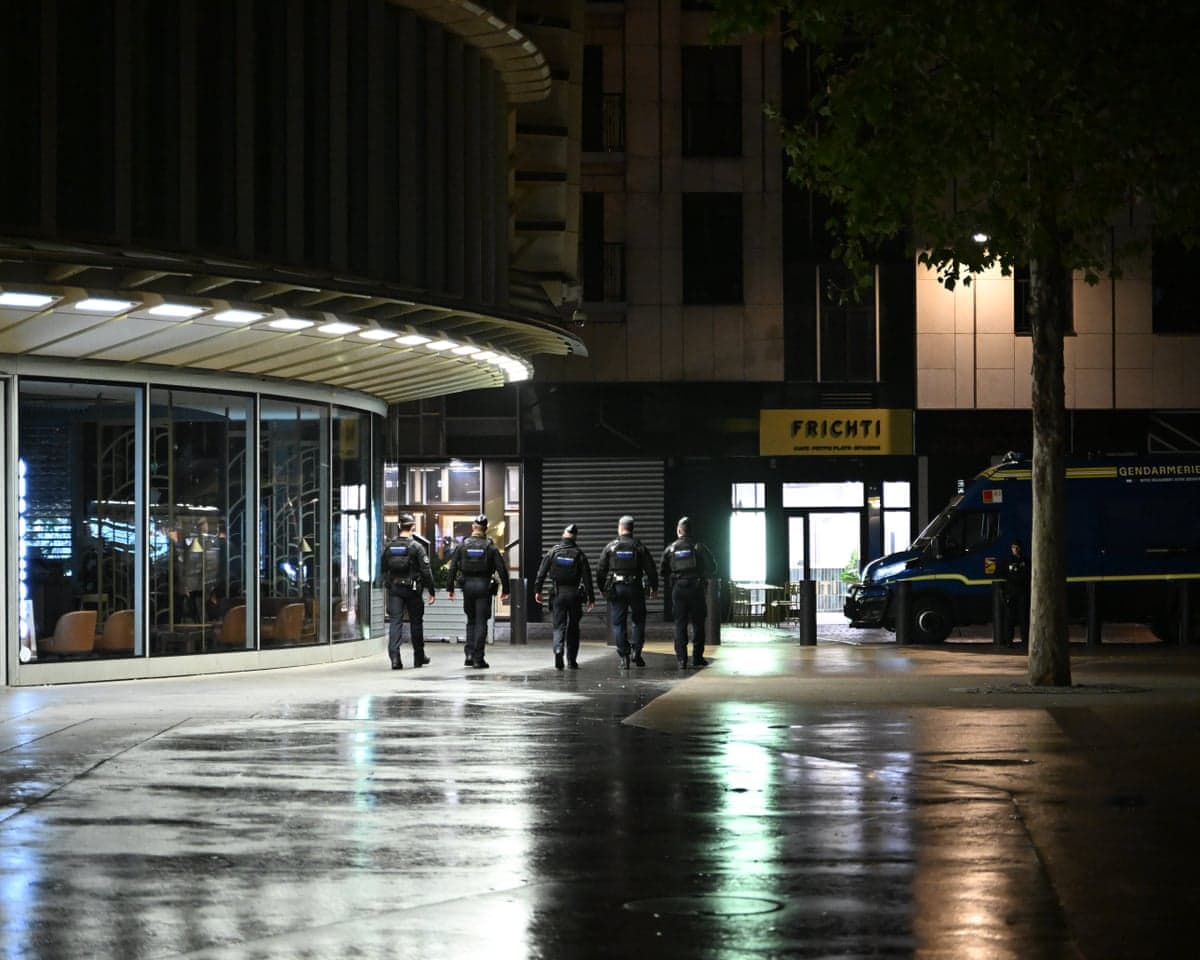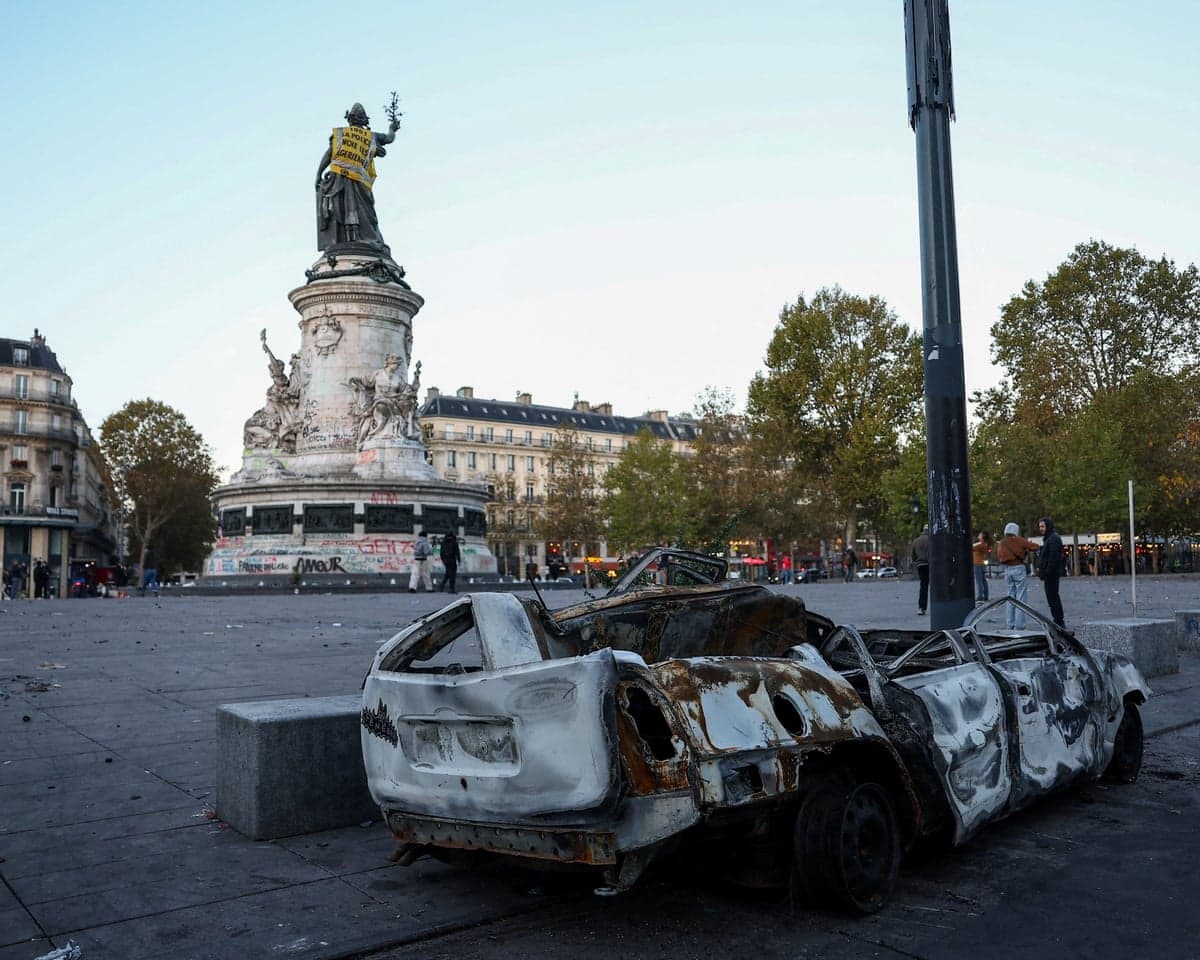
France will mobilise approximately 70,000 police officers across the country on Saturday as the government attempts to prevent further civil disorder following some of the most severe street violence witnessed in recent years that erupted on the margins of cost-of-living demonstrations the previous weekend.
Interior Minister Laurent Nuñez announced on Friday that the security operation would incorporate elite counter-terrorism and hostage-rescue units, citing social media activity from "ultra-left" groups calling for violence. According to The Guardian, Nuñez told reporters following a meeting of senior government officials chaired by President Emmanuel Macron:
We are not talking about a peaceful, friendly demonstration. We are ready tomorrow to be extremely firm and not tolerate anything.
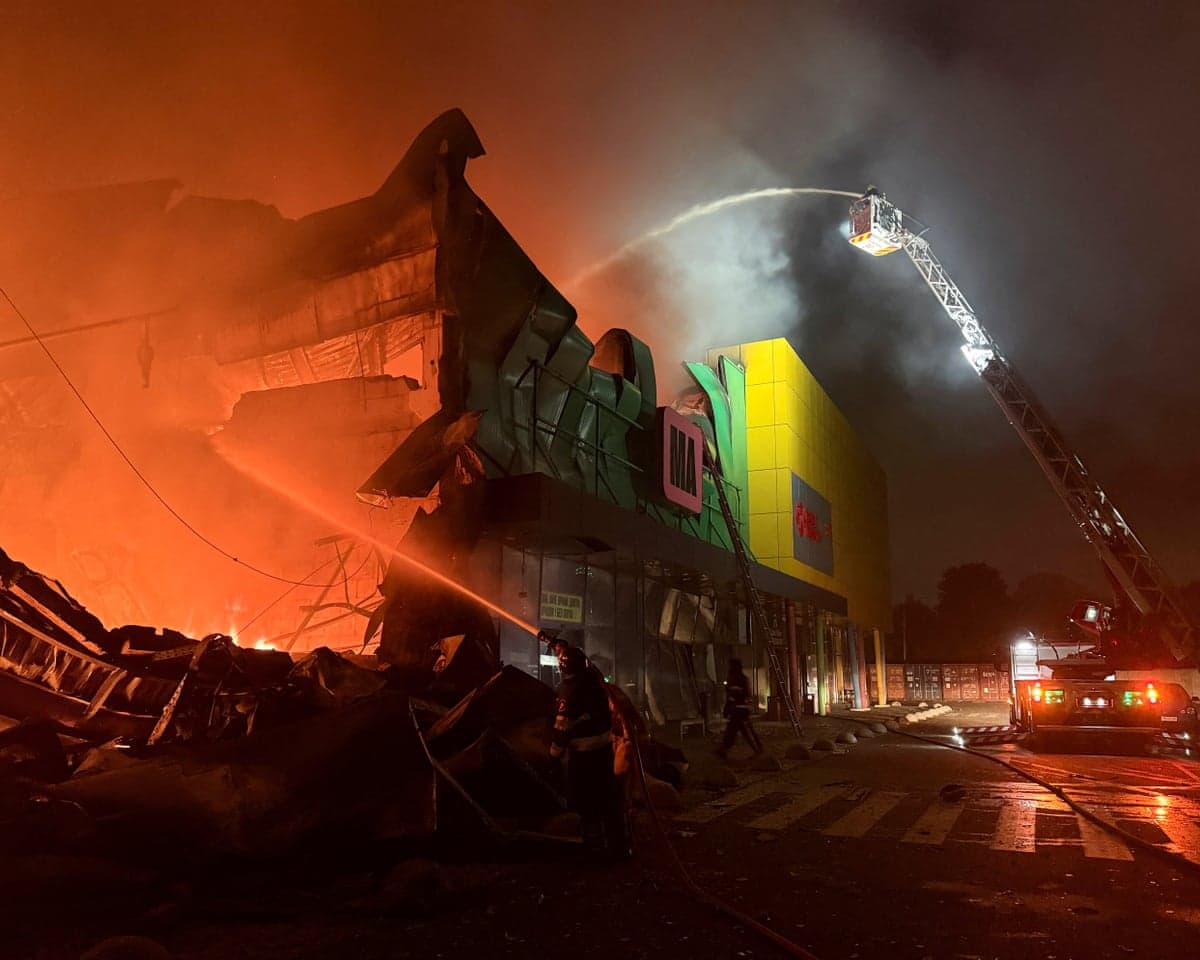
The government faces mounting pressure to contain a crisis that has emerged unexpectedly six months before the presidential election to select Macron's successor. Officials have acknowledged losing control during the previous Saturday's rioting, when largely peaceful demonstrations were infiltrated by organised groups of rioters who transformed the events into widespread violence across Paris, Marseille, Lyon and other urban centres. In Limoges, the town hall was set on fire and partially destroyed.
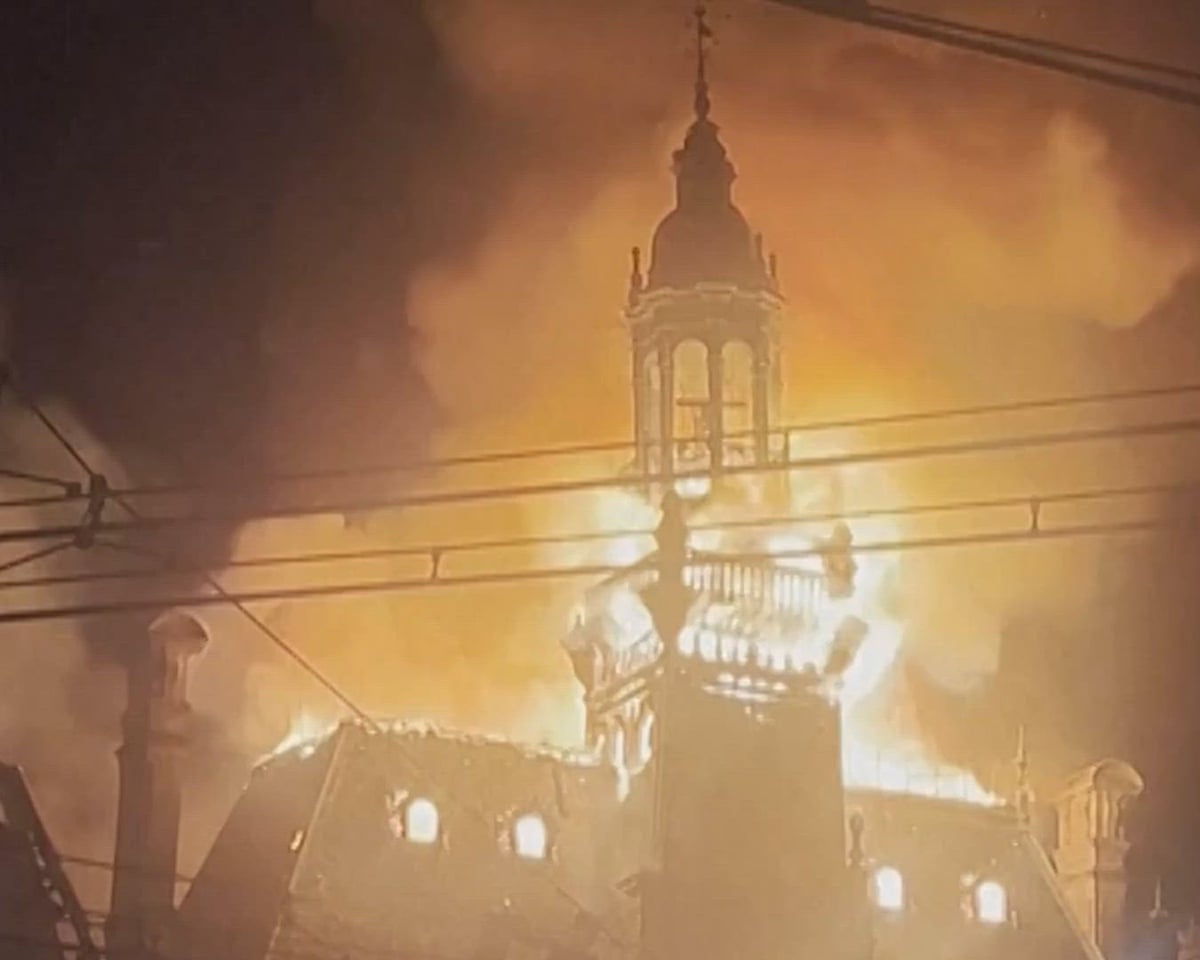
Nuñez declared:
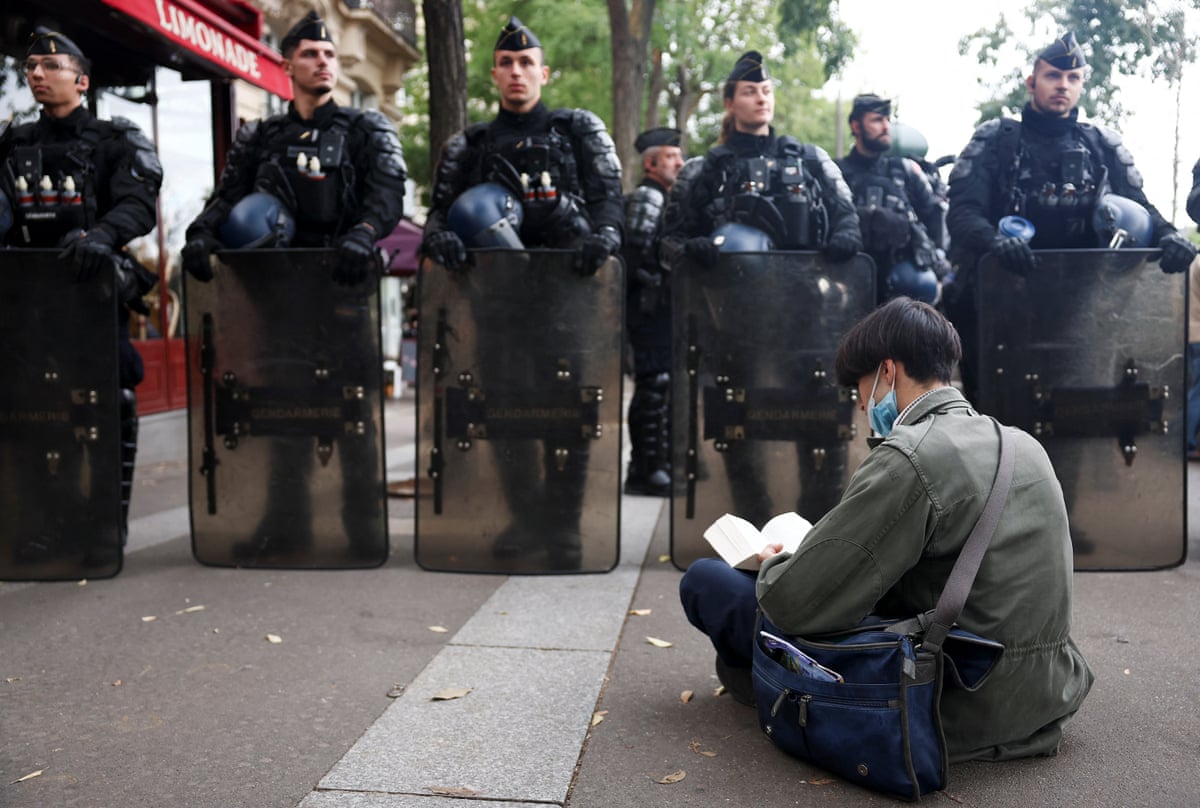
We will be uncompromising with rioters, looters and all who commit violence.The operation will deploy an additional 10,000 police officers alongside water cannon, approximately 20 armoured vehicles and 15 water-cannon vehicles, mounted police units, helicopters and surveillance drones.
The previous Saturday's demonstrations attracted roughly 500,000 participants nationwide, resulting in more than 2,500 arrests and nearly 1,000 injuries among security personnel, according to AFP. Justice Minister Gérald Darmanin reported that courts had imprisoned 217 individuals in connection with that weekend's violence, with approximately half being first-time offenders.
What triggered the escalation?
Student-led protests against teacher shortages and deteriorating school facilities have evolved into broader demonstrations addressing cost-of-living pressures, declining public services, housing affordability and public sector budget reductions. The unrest has expanded beyond France, with demonstrations scheduled across multiple European nations this weekend, including Italy, Austria, Spain, Portugal, Ireland and Albania.
How are authorities restricting demonstrations?
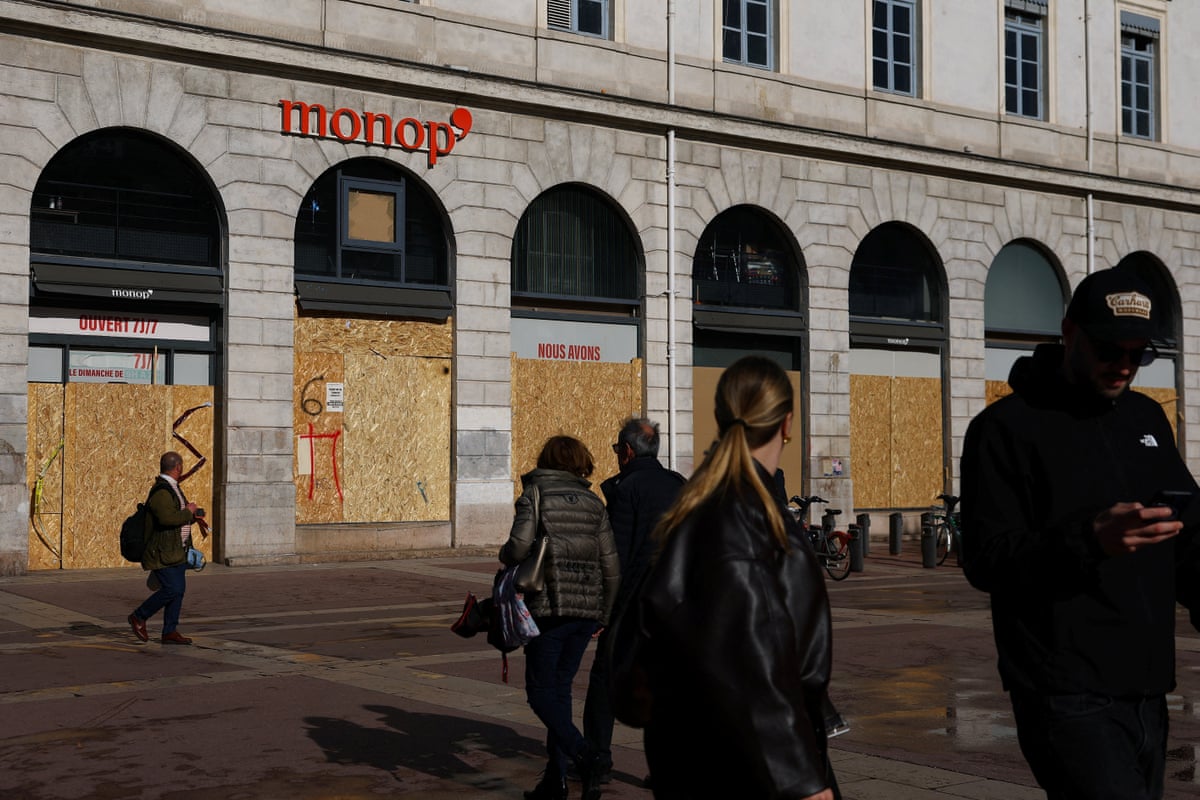
Multiple French cities have prohibited demonstrations or mandated route changes to safeguard commercial and public buildings. Lyon's city centre will be closed to protesters, while Paris authorities have authorised only a union-organised march along a restricted eastern route between the Places de la Bastille and Nation, deliberately avoiding the city centre. Marseille initially banned all protests but announced on Friday that a union-organised demonstration would proceed on an "exceptional basis", making it the sole authorised rally in the Bouches-du-Rhône department.
Requests for demonstrations organised by France's primary student union, UNEF, and the gilets jaunes movement—whose 2018 nationwide protests significantly disrupted France—were rejected. The gilets jaunes have scheduled 600 small-scale events across France for Saturday. UNEF announced its rallies would proceed regardless of the ban. Several prominent Paris cultural venues, including the Louvre, announced Saturday closures.
What is the political response?
Union leaders and opposition figures have condemned the government's decision to restrict demonstrations, with several legal challenges filed in courts across multiple cities. Marylise Léon, general secretary of the CFDT union federation, criticised the approach:
It's counterproductive because there is a lot of anger and a demand to be considered and to be listened to. It's not for the president to decide who can legitimately protest.
La France Insoumise, the radical left party led by Jean-Luc Mélenchon, asserted that the government had
crossed the lines that separate a democracy from an authoritarian and police state, predicting the bans would
generate more chaos.
A Paris administrative court suspended a police order banning a student-organised demonstration, allowing hundreds of students to march peacefully on Thursday, October 22, according to France 24.
Far-right leader Marine Le Pen, the frontrunner for next spring's presidential election, is scheduled to host her National Rally party congress in Orléans on Saturday, drawing thousands of supporters alongside anticipated counter-demonstrations from left-wing and anti-racist groups. Interior Minister Nuñez was due to visit the city on Friday to assess security arrangements at the prime minister's request.
What security concerns remain?
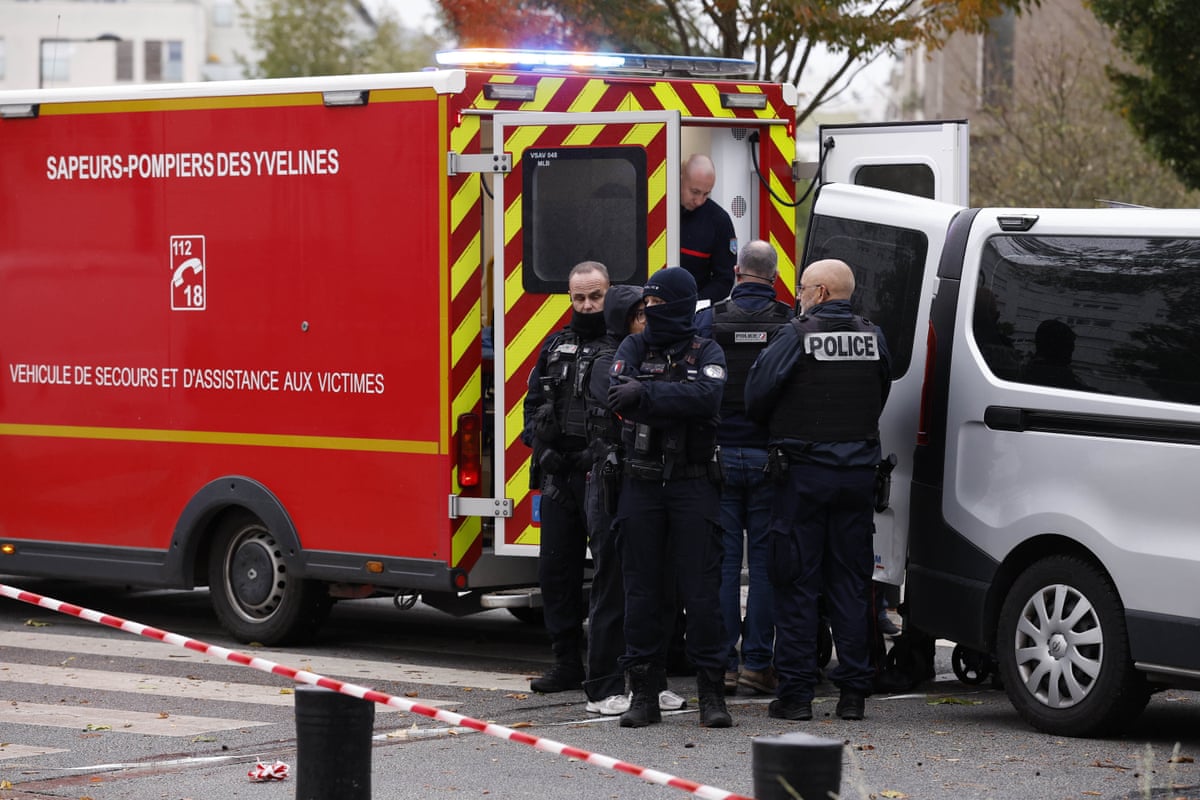
On Thursday, one person was killed and four others injured—including a 12-year-old girl—in a shooting in Trappes, west of Paris. Police indicated the attack may have been racially motivated, adding to existing tensions.
President Macron previously called for
the utmost severityagainst
acts of delinquency, attributing the looting primarily to organised criminal gangs while characterising the most severe violence as perpetrated by
ultra-leftgroups attempting to
bring down the republic.
What happens next?
Macron was expected to announce additional policy decisions following a defence council meeting on Friday, October 23. More than 600 demonstrations have been planned across France for Saturday, October 24, though forecasts of heavy rain and strong winds may suppress attendance. The government's ability to manage the weekend's events will significantly influence public confidence ahead of the presidential election.