France’s parliament has approved a bill banning social media access for children under 15, making it the first European country to bar children from apps such as TikTok. The measure was backed by 279 votes to 81 in the National Assembly on Tuesday, after the Senate had approved it earlier the same day.
The president, Emmanuel Macron, has championed the ban as a major reform of his final term in office and pledged to enforce it by September. He thanked lawmakers for supporting the legislation and said France was taking a leading role in Europe.
“France is leading the way in Europe when it comes to protecting our children and teenagers,”
“a major step forward”
“The Constitutional Council must now rule on it, and then it will be time to take action to make this measure a reality and protect our children online,”
The legislation is intended to be introduced in two stages. Under-15s would be blocked from creating new accounts from 1 September, while existing accounts would be affected from January 2027, according to the text.
Digital minister Anne Le Hénanff said before the vote that the timetable was realistic because age-verification tools already exist and others are being developed, and that the responsibility would fall on platforms to enforce the rule.
“For four months, all of us in France will have to prove our age,”
“If someone is under 15, the account will be closed.”
She also said users’ personal data would be protected. Enforcing the measure by September would ensure that a separate part of the bill, a ban on mobile phones in high schools, takes effect at the start of the French school year.
France’s public health watchdog last year said platforms such as TikTok, Snapchat and Instagram were harmful to adolescents, particularly girls, though it said this was not the sole reason for their declining mental health.
Lawmakers agreed on the need for regulation, but the two chambers had differed on how to do it. French senators had backed a two-tier system that would distinguish between blacklisted platforms deemed harmful to a child’s development and those that could still be accessed with parental consent. The lower house’s blanket ban prevailed, despite criticism from some on the left over the age-verification process, the speed of implementation, possible circumvention and privacy concerns.
Exceptions are included for sites such as online encyclopedias and educational platforms, and the text provides no penalties for children or parents.

“The major platforms are, in my view, largely ready,”
Laure Miller said that the main platforms were largely prepared for the change. Catherine Morin-Desailly, a centrist senator, said the blacklisting system would have taken longer because it would have required fresh consultations with the European Commission on the criteria, and carried a “small risk” of non-compliance with European law.
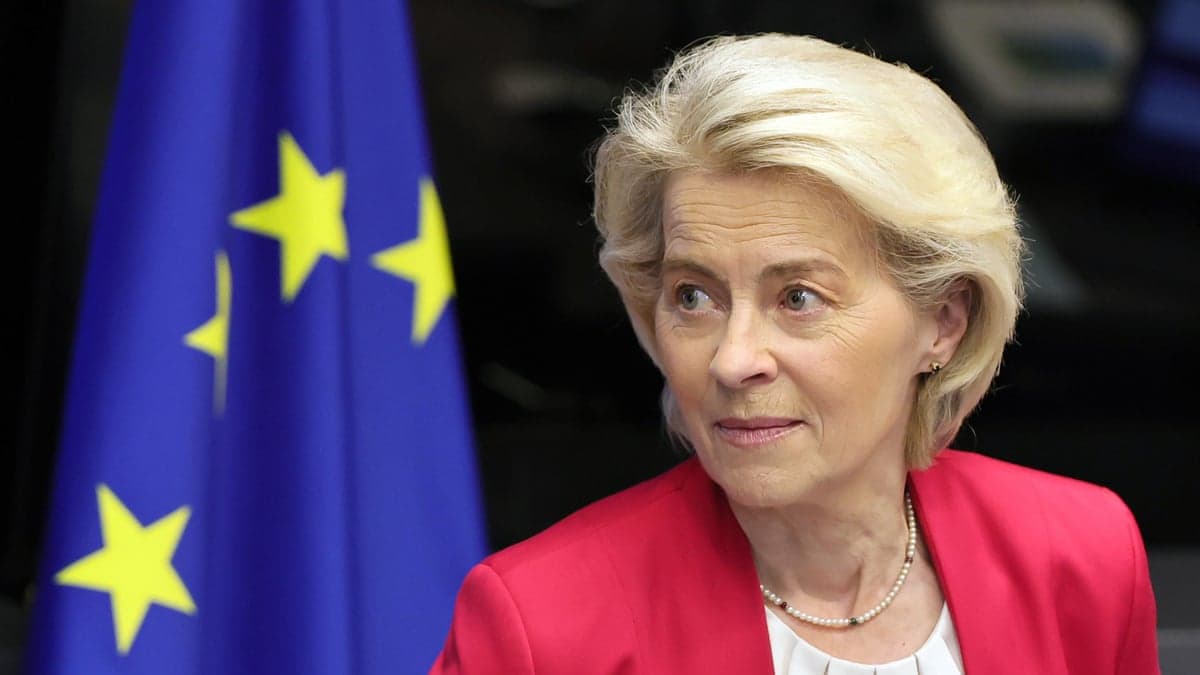
The European Commission has been considering a social media ban after pressure from member states including France, Greece and Spain to limit access. Last week, Ursula von der Leyen, the commission president, said children should have “phased and gradual access” to social media.
The commission has also unveiled an age-verification app that EU member states, including France, have begun testing in recent months.
After Macron’s government suspended major pensions reform last year, the social media ban could become his last major domestic change before he steps down next year. France will be closely watched by other European states. It is one of 20 countries worldwide to have .
Last December, Australia became the first country in the world to require TikTok, YouTube, Snapchat and other top sites to
What happens next?
The bill now goes to the Constitutional Council, after which the government plans to move ahead with implementation. Macron has said the aim is to make the measure a reality and protect children online.
How is France comparing with other countries?
France is the first European country to adopt a blanket under-15 social media ban, and its move is expected to be watched closely across the continent. The European Commission has already been examining options after pressure from France, Greece and Spain, while Australia became the first country in the world to require TikTok, YouTube, Snapchat and other top sites to
Key Facts
- France’s National Assembly passed the bill by 279 votes to 81 on Tuesday.
- Under-15s would be blocked from creating new accounts from 1 September.
- Existing accounts would be affected from January 2027.
- The bill includes exceptions for online encyclopedias and educational platforms.
- The text does not provide penalties for children or parents.