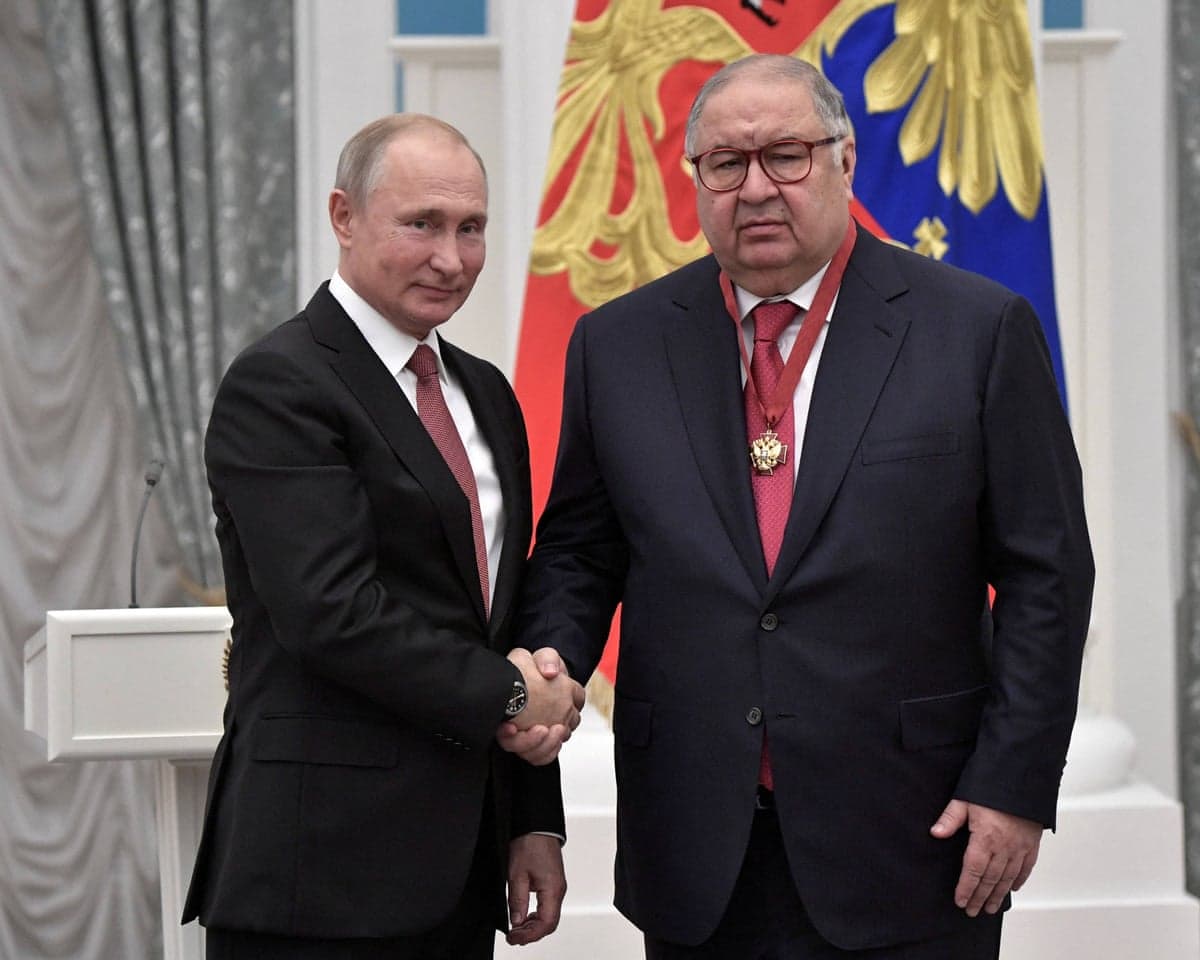
The European Union has agreed to remove two prominent Russian billionaires, Alisher Usmanov and Mikhail Fridman, from its sanctions blacklist while simultaneously extending restrictions on approximately 3,000 individuals and companies linked to Russia's war effort for a further three years. The decision, reached just before an end-of-Tuesday deadline that threatened to allow the entire sanctions regime to lapse, represents what Ireland's EU presidency described as a difficult compromise among the bloc's 27 member states.
EU sanctions require unanimous approval from all member states, a requirement that gave individual countries significant leverage in the negotiations. According to reporting on the diplomatic process, EU ambassadors had provisionally agreed on the compromise by 21 September, with formal ministerial approval expected before the deadline expired.
France triggered the standoff earlier in September when it called for Usmanov, a Russian-Uzbek national, to be removed from the list on what it described as "national security" grounds. The French position reportedly reflected concerns tied to a prisoner exchange deal involving French nationals and Azerbaijan. Luxembourg subsequently requested identical treatment for Fridman, the Russian-Israeli magnate, who is pursuing a €16 billion lawsuit against the Grand Duchy over the freezing of his assets.
The exemptions provoked strong objections from numerous EU member states, which viewed them as setting a dangerous precedent by allowing individual nations to weaken sanctions in pursuit of their own national interests. EU diplomats had extended the broader Russia sanctions list only for one week earlier, to 22 September, to create space for final negotiations on the compromise.
Ukraine's government responded with sharp criticism of the delistings. President Volodymyr Zelenskyy stated on social media:
No name on the sanctions list is there by accident: each one represents a reason why this war started and continues to this day.Ukrainian foreign minister Andrii Sybiha characterised the decision as
shameful and unjustifiableand warned that
Moscow is celebrating because it got what it wanted: a sense of impunity, the humiliation of the EU, and division among Europeans.
How did the compromise take shape?
To secure agreement on the delistings that many member states found objectionable, negotiators proposed a significant structural change to the sanctions framework itself. Rather than reviewing the listings on the traditional six-monthly basis, the EU agreed to extend the entire sanctions regime for 36 months. According to RFE/RL's coverage of the agreement, this change means the next comprehensive review of the sanctions regime would not occur until autumn 2029.

A spokesperson for Ireland's EU presidency, which mediated the talks, explained the rationale:
Until now, these listings have been reviewed and assessed on a six-monthly basis; today's decision to renew on a 36-month basis enhances the durability and predictability of the EU sanctions framework.
What caused the last-minute delay?
A decision had been anticipated earlier in the week, but Latvia's government introduced an unexpected obstacle on Monday. Facing parliamentary elections scheduled for 3 October, Latvia's prime minister Andris Kulbergs announced late on Monday night that he could not accept the proposed compromise and instructed his foreign minister to engage in urgent talks with Paris and Brussels to find an alternative solution.
Diplomats subsequently reported that Latvia agreed to abstain on the two delistings, allowing the compromise to proceed. The move resolved what had become a significant diplomatic impasse, following what EU officials described as the tortuous negotiations that had already surrounded the bloc's 21st round of sanctions in July.
What remains on the sanctions list?
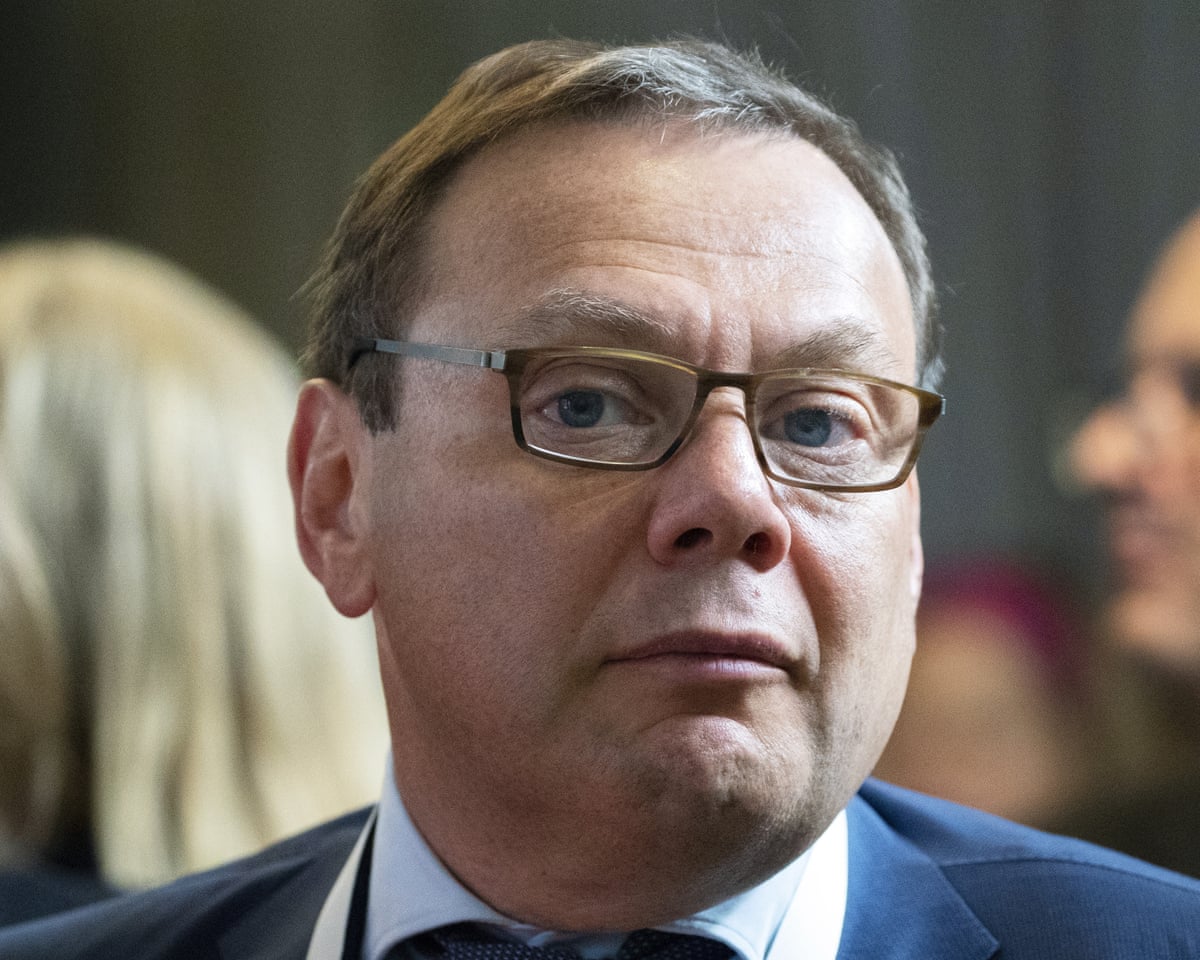
The EU's blacklist continues to include Russia's president Vladimir Putin and foreign minister Sergey Lavrov, along with members of Russia's Duma, the country's major financial institutions, energy sector companies, and entities within the military-industrial complex. Both Usmanov and Fridman had been sanctioned by the EU since 2022 following Russia's invasion of Ukraine.
Senior EU officials have committed to presenting approximately 1,600 new designations—individuals and entities involved in Russia's military-industrial sector—to foreign ministers in the coming month. However, the protracted negotiations surrounding this compromise suggest that future rounds of sanctions expansion may face similarly difficult procedural hurdles.
What happens next?
EU ministers were expected to provide final formal approval to the compromise before the 22 September deadline. If adopted as anticipated, the broader sanctions regime would next come up for renewal in 2029 under the new extended review schedule, fundamentally altering the rhythm of EU sanctions policy toward Russia.