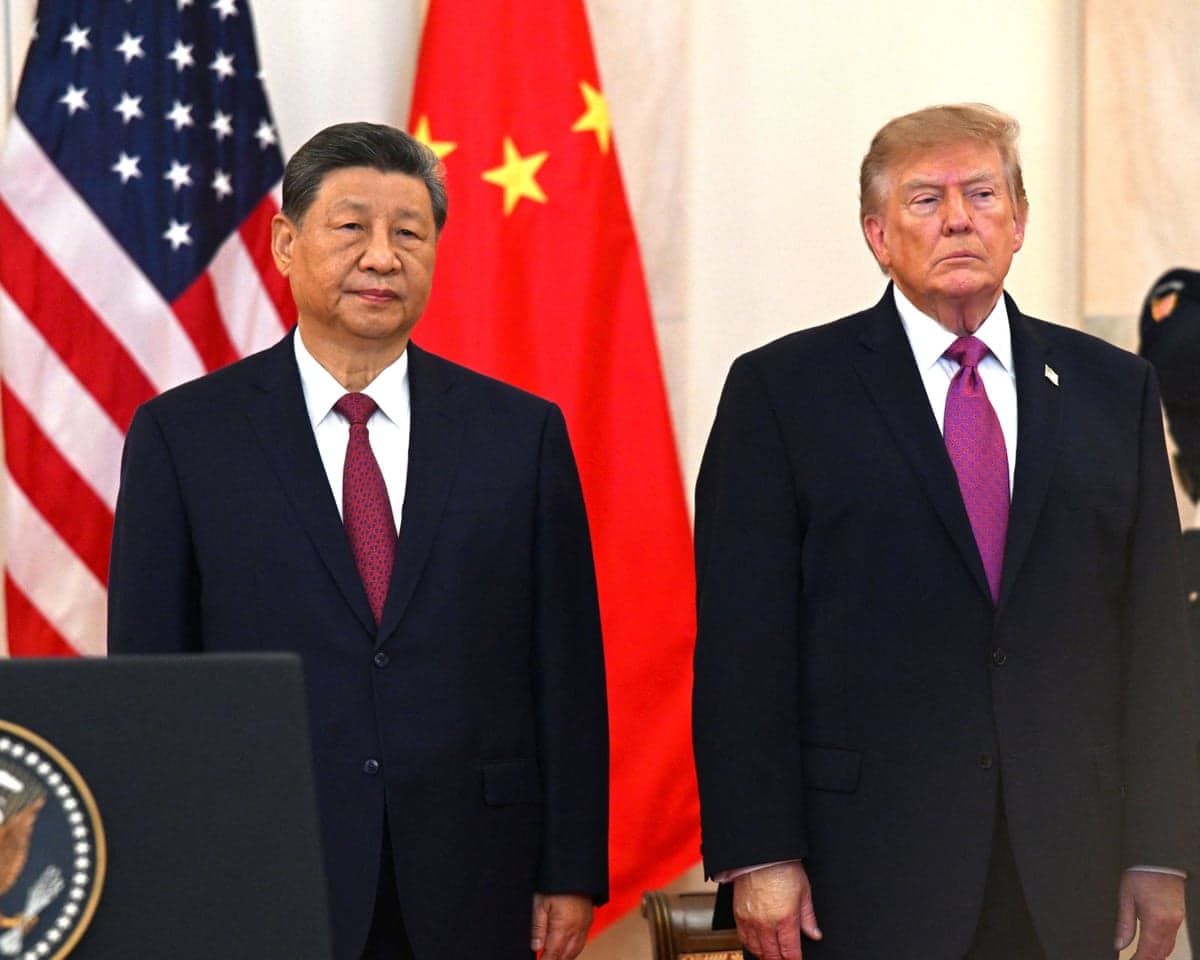
Donald Trump and Xi Jinping held their first bilateral talks at the White House on 24 September, with the American president emphasizing personal rapport while the Chinese leader focused on geopolitical stability and artificial intelligence governance. The two nations extended their fragile trade truce by two months, pushing the expiration date to around 10 November, marking a modest step forward in their ongoing economic negotiations.
This visit marked Xi's first trip to Washington in more than a decade, with Trump greeting him at Joint Base Andrews in what constituted the first such airport welcome of a foreign leader by a U.S. president there in 11 years. The state visit, announced on 21 September and scheduled through 25 September, follows Trump's own trip to Beijing in May 2026.
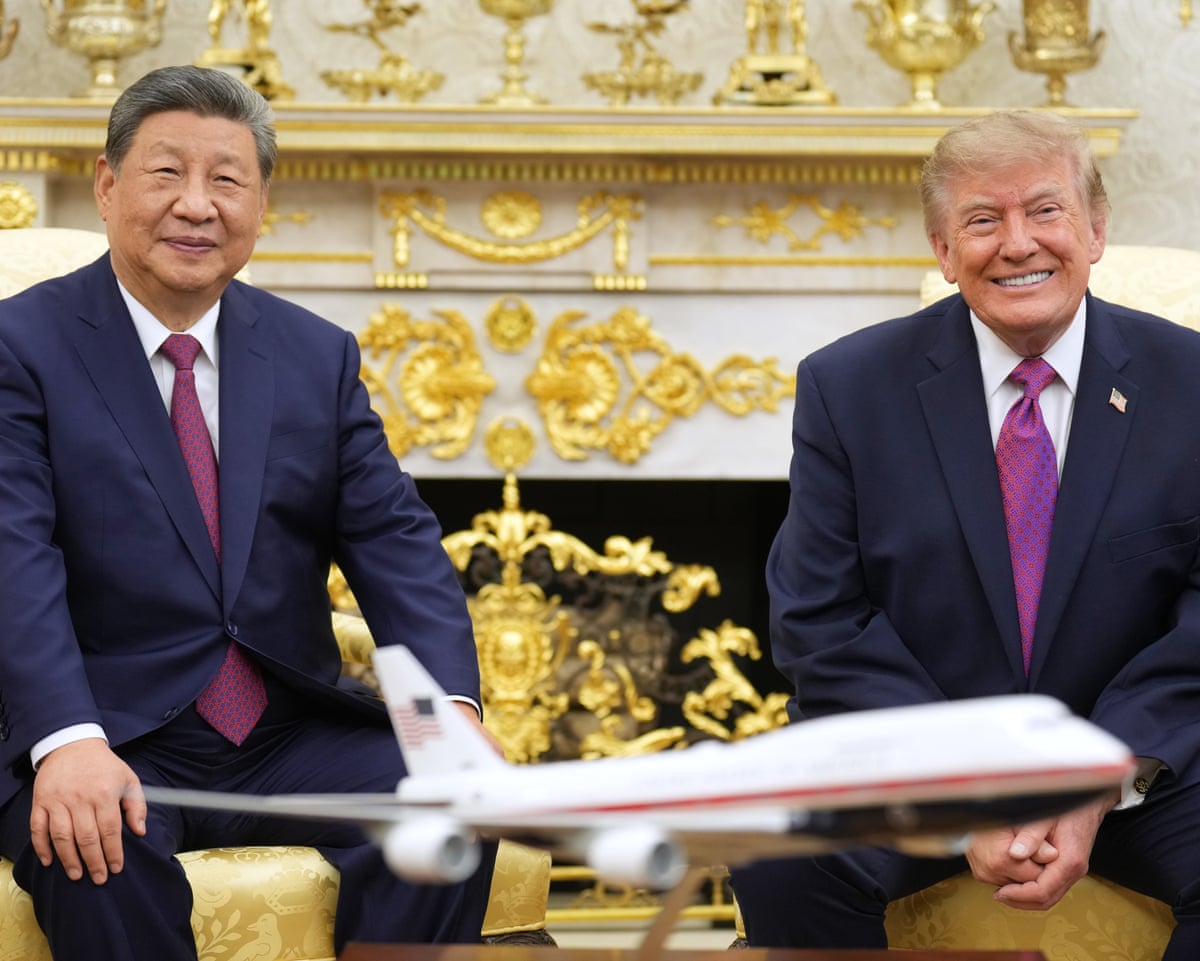
What did Trump emphasize in his opening remarks?
Trump kept his remarks focused on the personal relationship between the two leaders, describing their connection as a "truly great friendship" of which he said he is "very proud". He highlighted that the two nations have made "tremendous strides on the issues facing our countries" and outlined plans to discuss security, technology and artificial intelligence during the summit. Trump also stressed that both sides are working towards "a more balanced trade relationship", pointing to new market access for American farmers and ranchers as evidence of progress.
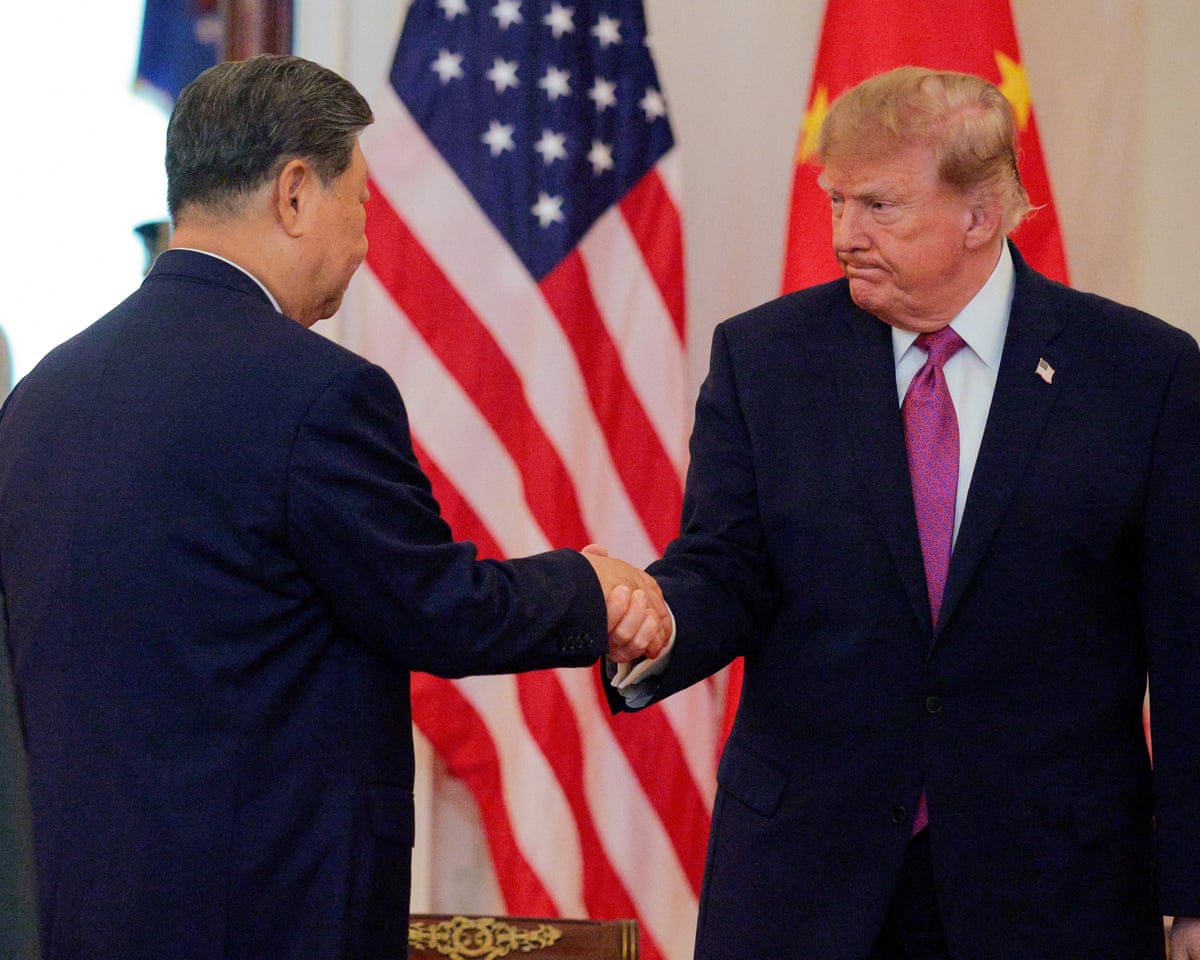
How did Xi frame the relationship differently?
While acknowledging the personal rapport between the leaders, Xi adopted a notably different approach, centering his remarks on geopolitical concerns and mutual responsibility.
"Our two militaries should maintain regular dialogue,"Xi stated, emphasizing that the countries should aim to avoid conflict and confrontation. He stressed that Chinese and American interests are "deeply intertwined" and that the two nations
"stand to gain from cooperation and will both lose in conflict".
Xi called for sustained dialogue to build mutual trust and understanding, arguing that
"candid, in-depth, sustained dialogue can promote understanding and mutual trust."He also pressed for fair treatment of Chinese companies in the United States, stating that
"China keeps its door wide open and welcomes American companies who want to do business and invest there,"while expressing hope that
"Chinese companies are treated fairly here in the United States".

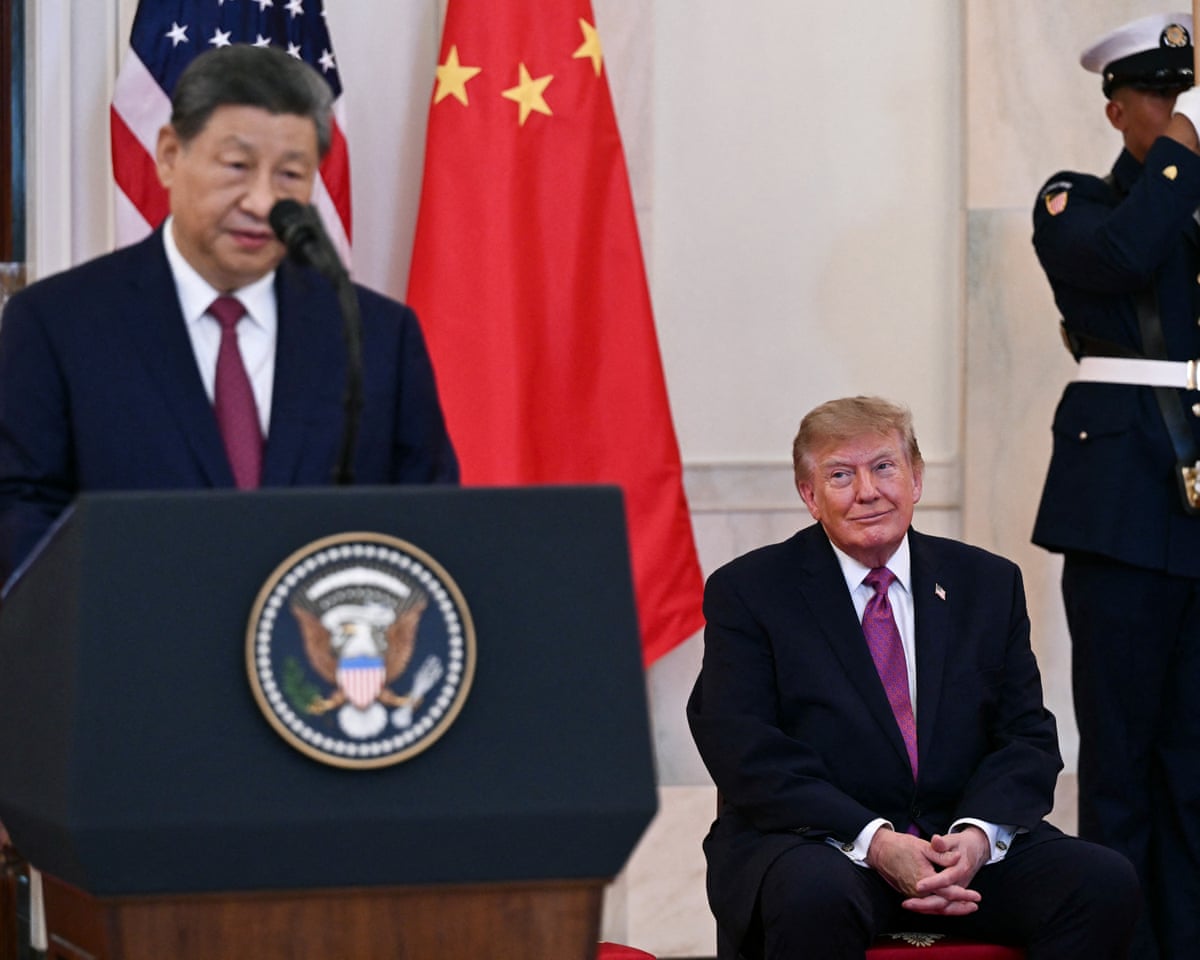
What did Xi say about artificial intelligence governance?
Recognizing both nations as leading powers in artificial intelligence development, Xi emphasized their shared responsibility to manage the technology responsibly. He declared that China and the United States must
"ensure the development of AI is always under human control and serve the wellbeing of the people". This statement comes as the two superpowers navigate an intensifying competition in AI capabilities, with China's commerce ministry announcing it would keep close communication with the U.S. after their first dialogue on artificial intelligence.
The AI discussion reflects broader concerns about technology competition between the nations. Earlier in September, U.S. Treasury Secretary Scott Bessent and Chinese Vice Premier He Lifeng discussed creating a new AI safety notification mechanism for national security incidents, a proposal that was expected to be reviewed during this summit.
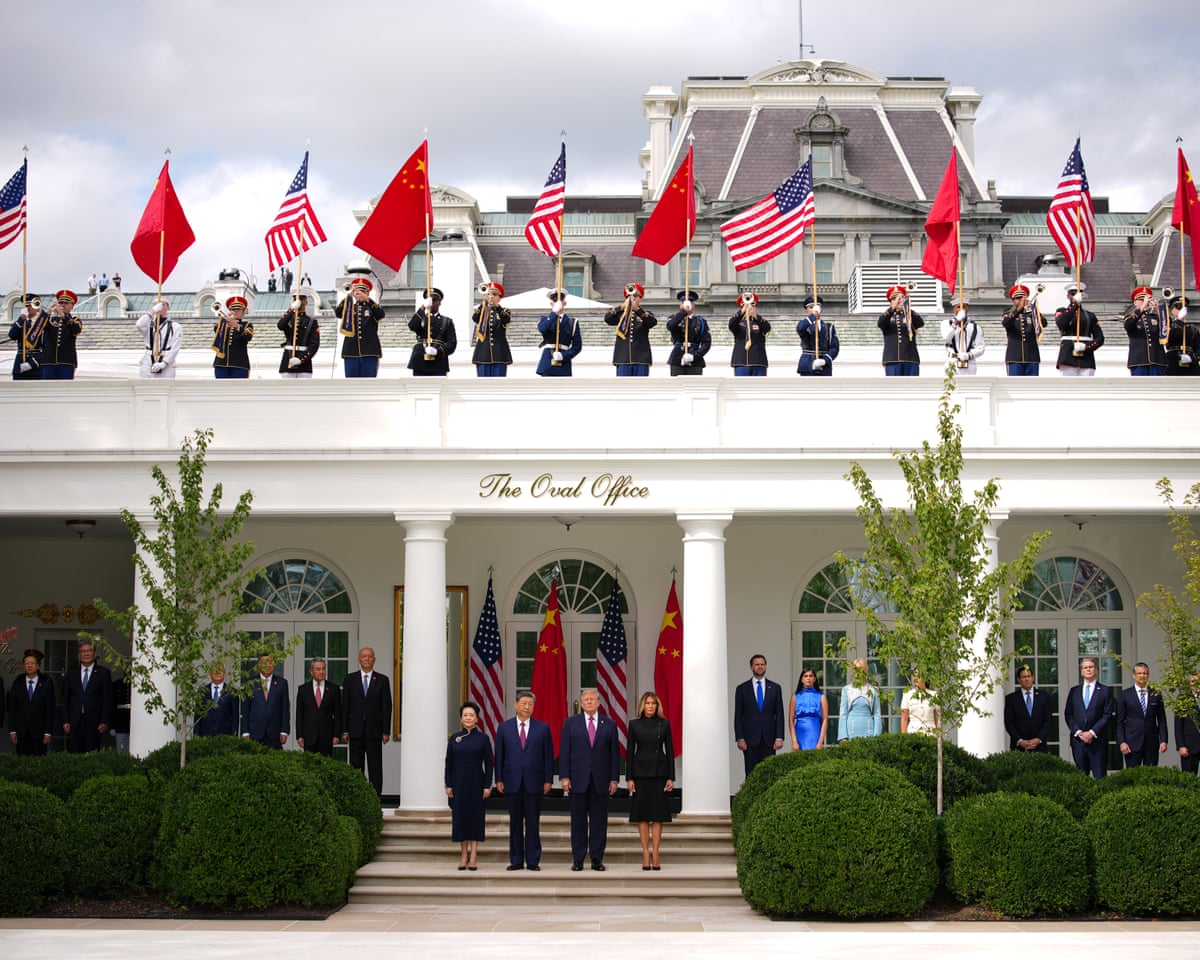
What ceremonial events took place during the visit?
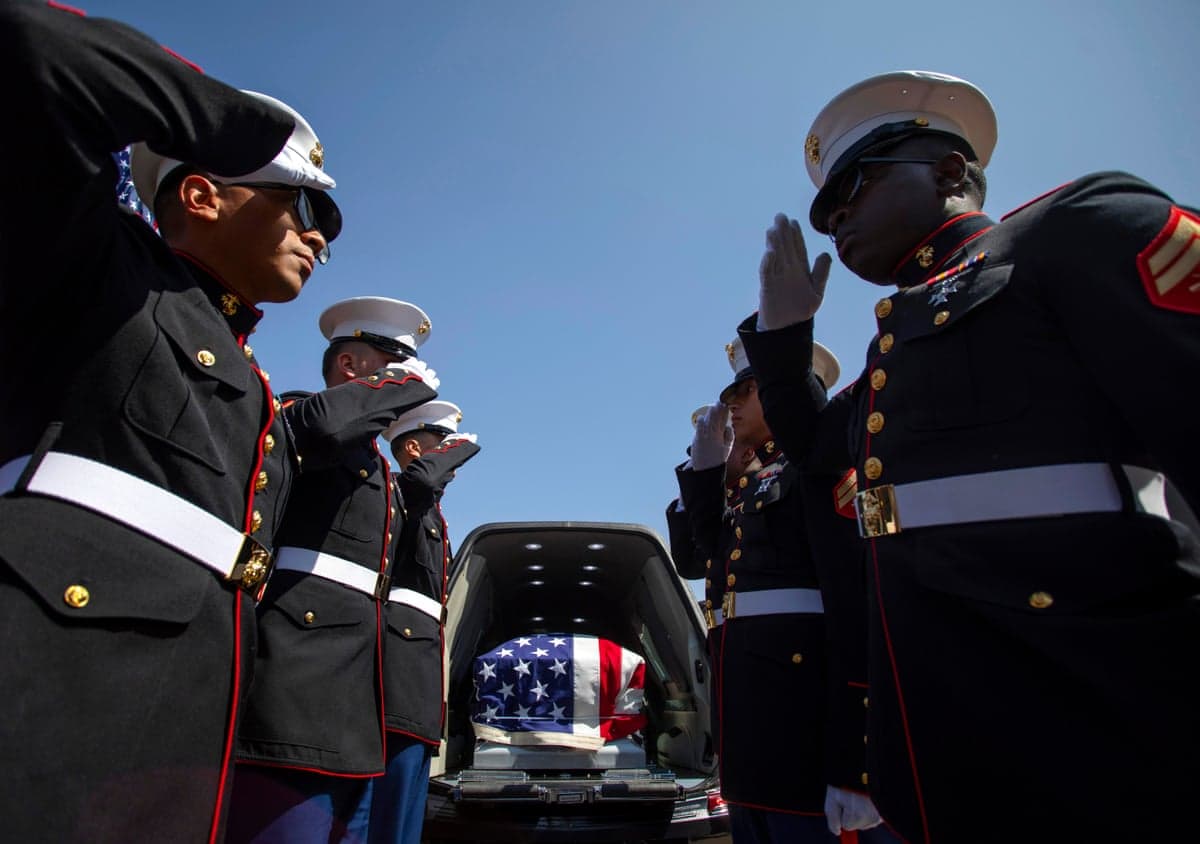
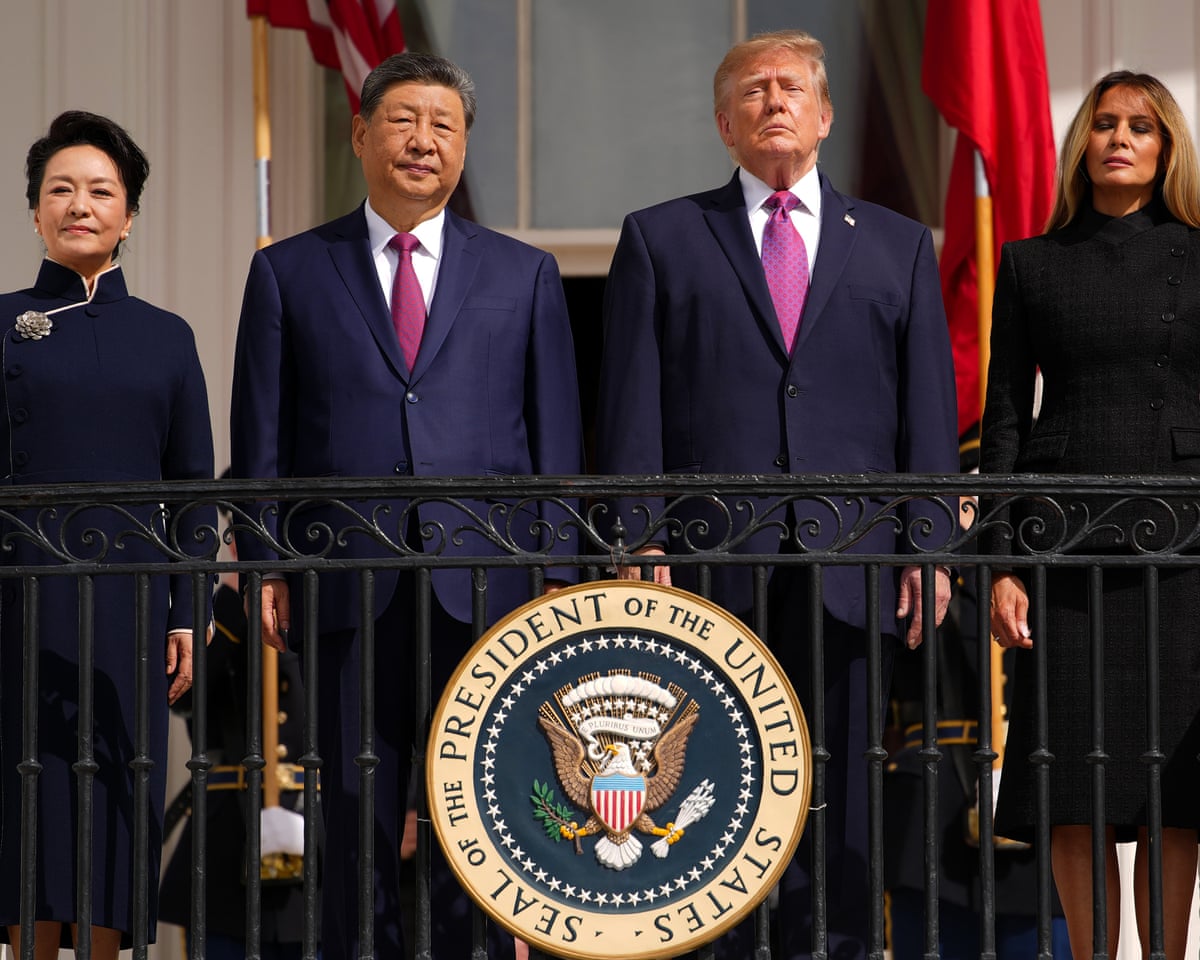
Following their remarks, Trump and Xi participated in an official military review in the Rose Garden, accompanied by their wives and flanked by members of Trump's cabinet. The two leaders then observed a silent drill platoon from the Truman balcony before proceeding to the Rose Garden for further ceremonies.
What cultural gestures did Xi announce?
Xi extended an invitation for 100,000 American students to visit China over the next five years for educational exchange and study programs. He also announced that two giant pandas—Ping Ping and Fu Shuang—would be relocated to the Atlanta Zoo in the coming days. This gesture echoed a historic precedent: China's gift of two giant pandas to the Smithsonian National Zoo in 1972, which followed Richard Nixon's groundbreaking visit to Beijing during the Cold War détente era.
What trade developments emerged from the talks?
The two countries agreed to extend their trade truce by two months, with the new expiration date set for approximately 10 November. This extension provides additional time for negotiations on the fragile economic relationship between the world's two largest economies. The talks are taking place against a backdrop of tensions over trade, technology, Taiwan and Iran, though Trump indicated that a major breakthrough was unlikely to emerge from this particular meeting.
What happens next?
A state dinner at the White House was scheduled for Thursday evening, with U.S. company executives expected to attend. The visit continues through 25 September, meaning further meetings and discussions remain on the agenda beyond the initial White House talks. China and the U.S. are also expected to continue talks on AI coordination after the leaders' meeting, building on the framework discussed during the bilateral session.
Key Facts
- The trade truce between the U.S. and China has been extended by two months, with expiration now set for around 10 November 2026
- Xi's visit marks his first trip to Washington in over a decade and the second meeting between the two leaders in 2026
- Both nations committed to ensuring artificial intelligence development remains under human control and serves human wellbeing
- China will send 100,000 students to the U.S. for educational exchange over the next five years, and two giant pandas will relocate to Atlanta Zoo
- A state dinner with U.S. executives is scheduled for Thursday evening, with further meetings planned through 25 September