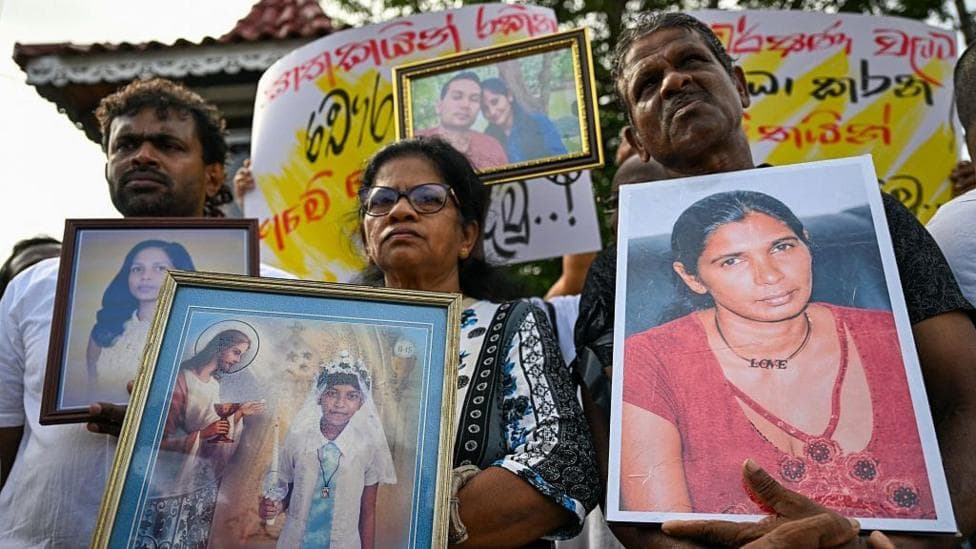
A Sri Lankan court has issued its ruling on Naufer Moulavi and 23 others accused of involvement in the Easter Sunday attacks that claimed 270 lives and left more than 500 injured in 2019. The verdict was delivered on 22 September 2026 at the High Court in Hulftsdorp, concluding what has become one of the country's longest-running criminal proceedings.
The trial examined charges against 24 defendants on a total of 23,270 counts, including murder, conspiracy to commit terrorism and possession of firearms. The accused include associates and relatives of nine suicide bombers who carried out the coordinated attacks. According to court reporting, hearings in the landmark case concluded on 24 August after nearly five years of proceedings.
The attacks targeted multiple locations across Sri Lanka, including several churches holding Easter services and three luxury hotels, making them the deadliest assault the nation had experienced since the conclusion of its civil war in 2009.
Who was accused of masterminding the attacks?
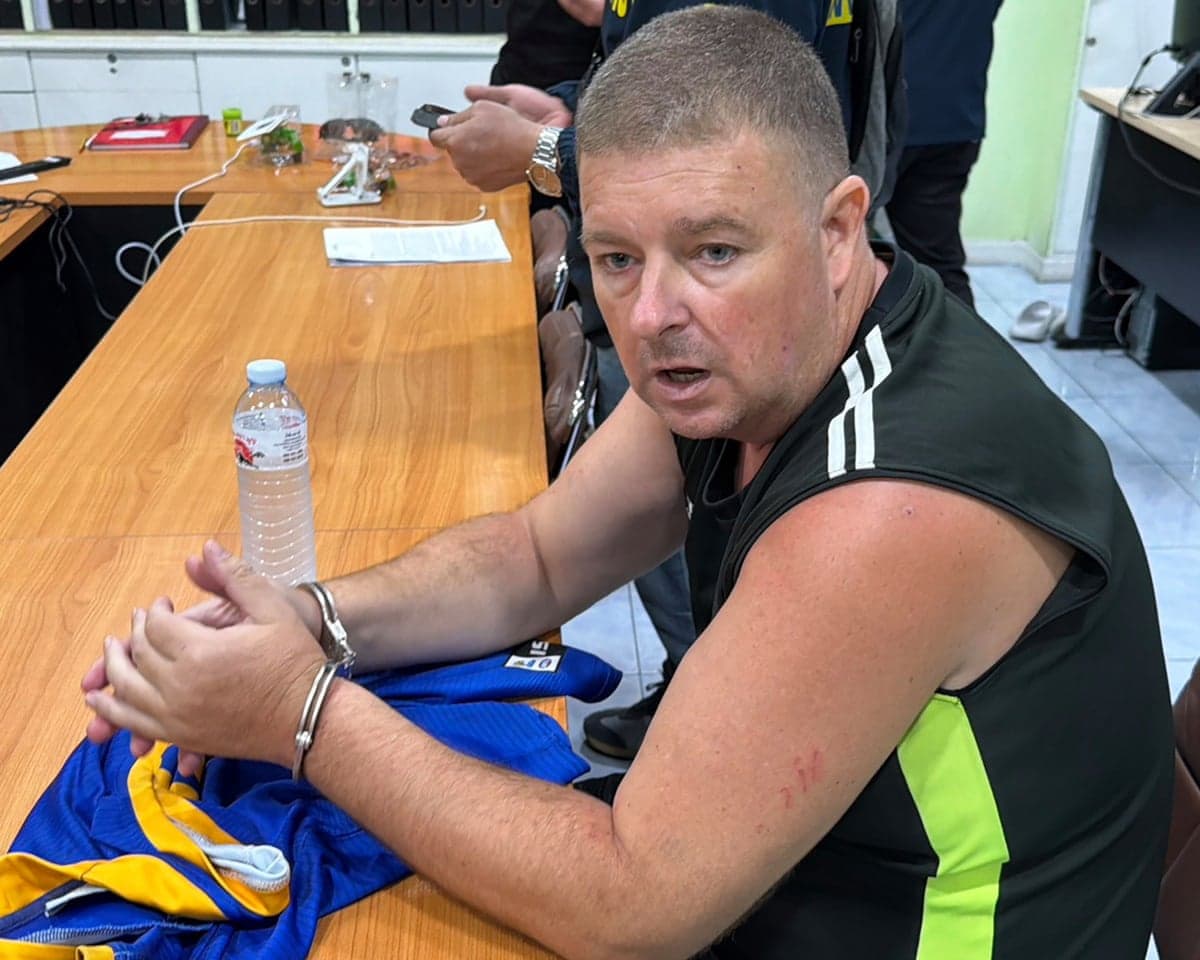
Prosecutors identified Moulavi as the principal organiser of the bombings and presented what they characterised as a voluntary confession in which he acknowledged his involvement. The court initially accepted this confession. However, Moulavi subsequently informed the three-judge panel that he had not been shown the document he was signing and rejected all allegations against him.
What evidence was presented?
The prosecution case rested on testimony from more than 2,300 witnesses and 2,076 pieces of physical evidence, including explosives, swords and firearms. The scale of the investigation reflected the complexity of establishing responsibility across multiple attack sites and numerous defendants.
What intelligence failures preceded the attacks?
Sri Lankan authorities acknowledged a significant intelligence breakdown in the aftermath of the bombings. Parliament was informed that a warning from Indian intelligence services about the planned attacks was not properly disseminated to relevant authorities. More recent court proceedings have revealed additional troubling details: according to separate court filings on 15 September, investigators uncovered allegations that elements of Sri Lanka's military and state intelligence apparatus possessed prior knowledge of the attacks but failed to share that information with other agencies.

What accountability measures have been taken?
In 2023, the Supreme Court ordered former president Maithripala Sirisena to pay substantial compensation to victims after determining he bore responsibility for national security failures that enabled the attacks. The following month, two former senior officials received death sentences for criminal negligence contributing to the bombings. Death sentences in Sri Lanka are typically commuted to life imprisonment due to a long-standing moratorium on executions.
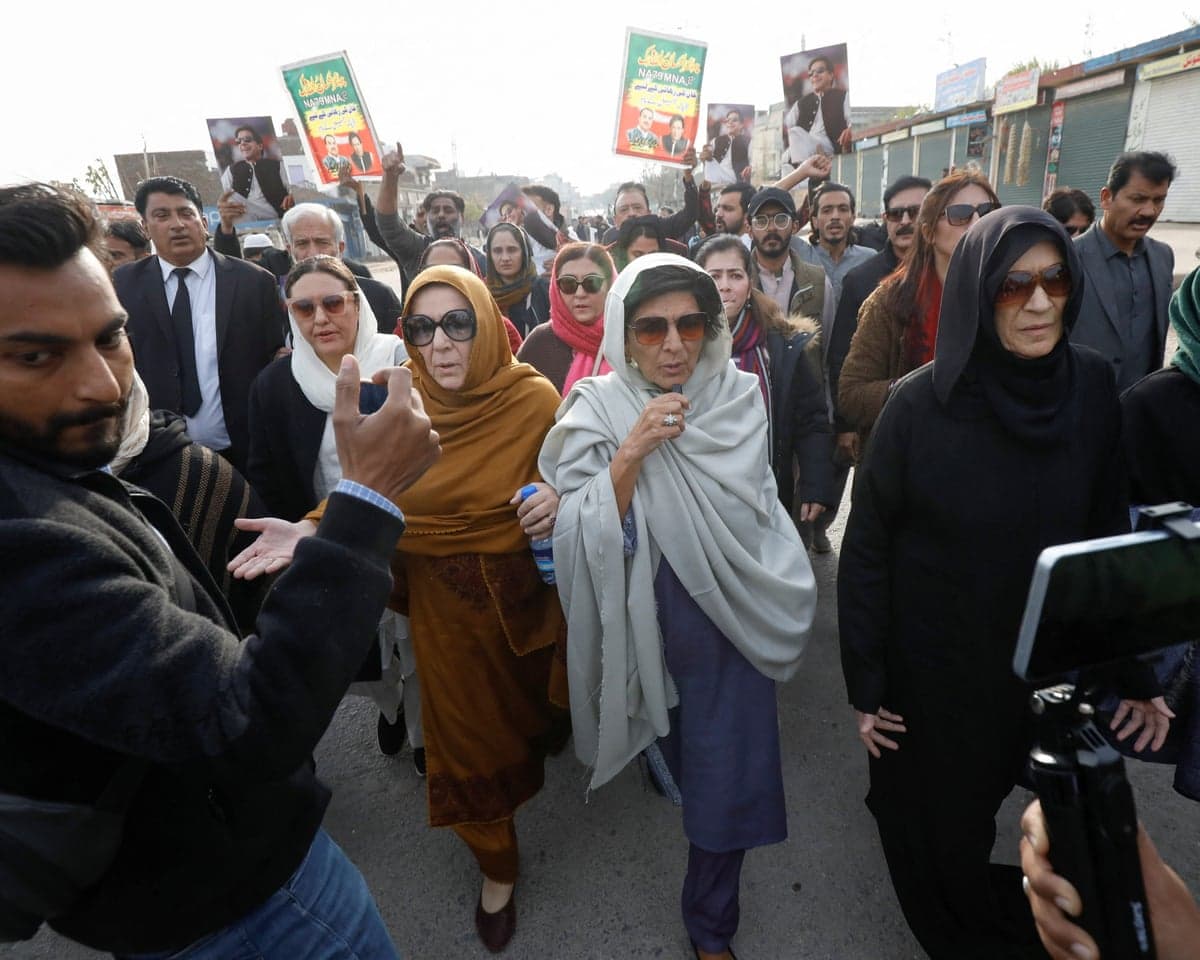
Victim families have pursued justice persistently. For years, Sri Lankans have organised regular demonstrations demanding accountability for those killed and injured in the attacks.
What is the separate investigation into intelligence chief Suresh Sallay?
A parallel investigation is examining former State Intelligence Service chief Suresh Sallay, who faces accusations of orchestrating the bombings in collaboration with Islamist extremists. According to court notices issued on 15 September, Sallay was under detention and questioning, with a court appearance scheduled for 22 September regarding missing medical reports. Sallay, arrested in February, denies the allegations against him.
These allegations echo claims made in a 2023 documentary that presented whistleblower testimony suggesting the attacks were permitted to occur to enhance the political standing of the Rajapaksa family, which had long held dominant influence in Sri Lankan politics.
What is the status of former president Gotabaya Rajapaksa?
Former president Gotabaya Rajapaksa, who was elected months after the 2019 attacks on a platform of combating Islamist extremism, has denied involvement in any conspiracy. He has been prohibited from leaving the country and has petitioned the court to prevent his potential arrest in relation to the ongoing investigations.
What happens next?
The Colombo Fort Magistrate's Court proceedings involving Suresh Sallay were scheduled to resume on 22 September 2026, the same date as the main verdict. Security was heightened at the court complex, with police commandos deployed to guard the High Court premises during the verdict announcement.
Key Facts
- The 2019 Easter Sunday attacks killed 270 people and injured over 500 across churches and hotels
- Twenty-four defendants faced 23,270 charges in a trial lasting nearly five years
- A 2023 Supreme Court ruling held former president Sirisena responsible for security failures and ordered compensation to victims
- Two former officials were sentenced to death in 2024 for criminal negligence; sentences are typically commuted to life imprisonment
- A separate investigation into former intelligence chief Suresh Sallay continues, with allegations that state agencies had prior knowledge of the attacks