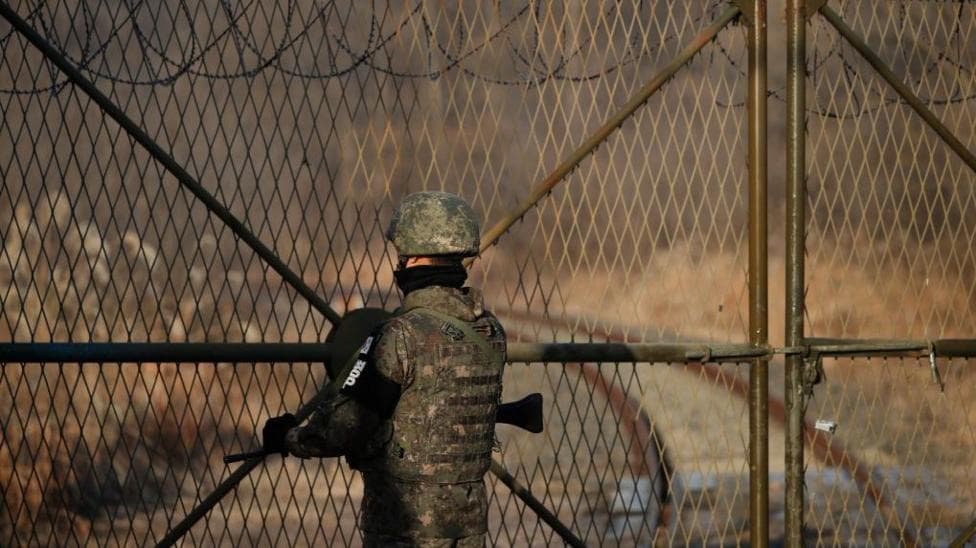
South Korean President Lee Jae Myung has called on North Korea to begin talks aimed at formally ending the Korean War, a conflict that has technically remained active since fighting stopped more than seven decades ago. Speaking on 15 August 2026 during a ceremony marking Liberation Day, Lee proposed a "multi-layered security system" designed to prevent flare-ups along the demilitarised zone (DMZ) and offered to discuss practical steps toward curbing Pyongyang's nuclear weapons programme.
The two Koreas have been separated by an uneasy truce since the armistice of 1953, with no formal peace treaty ever signed. Sporadic clashes and provocations along the DMZ have continued in the decades since, including mutual accusations of balloon launches carrying rubbish and propaganda leaflets.
What exactly did Lee propose?
Lee urged both governments to abandon threatening postures and open direct negotiations to bring the prolonged war to a close.
"Let us put down our intentions to threaten each other and begin discussions to end the long-running war as the directly involved parties," he said.
He added that he hoped the two nations would eventually meet directly to pursue what he described as peaceful coexistence and shared prosperity.
Lee expressed hope that the two nations "will sit face-to-face for peaceful coexistence and mutual growth," adding this could serve as a forum for discussing "effective ways to halt the advancement of the North's nuclear capabilities."
According to , Lee also said mechanisms need to be put in place to manage tensions between the two countries, and that the 1953 armistice should eventually be transformed into a lasting "peace regime." further reported that Lee framed his proposal as an invitation for dialogue involving North Korea and other concerned parties, rather than a strictly bilateral initiative.
How does this differ from his predecessor's approach?
Lee, who took office last year after former president Yoon Suk Yeol was impeached over an attempt to declare martial law, has worked to repair relations with both North Korea and its ally China after ties deteriorated under Yoon. As part of this shift, according to the Korea Herald, Lee said Seoul would take "proactive, gradual steps" to restore the 2018 inter-Korean military agreement, which the Yoon administration had suspended in 2024. The same report noted Lee stated South Korea had "no intention of engaging in hostile acts" toward the North and would not pursue what he called "unification by absorption."
described this stance as a clear reversal of Yoon's more confrontational posture, tying renewed dialogue to a broader push for a formal peace framework on the peninsula. The outlet also noted an earlier dispute within Lee's government, reported on 7 August 2026, over how to handle North Korea policy, including a proposal for four-way talks involving the two Koreas, the United States and China.
Why is North Korea's nuclear programme central to the talks?
North Korea has repeatedly tested ballistic missiles capable of carrying nuclear warheads, actions widely viewed in Seoul and Tokyo as attempts at intimidation and displays of military strength. Pyongyang declared itself a nuclear power in 2022 and has said it will never give up its arsenal, which is estimated to include several dozen warheads.
Lee has previously said the North was producing between 15 and 20 additional warheads each year, and told a broadcaster last year that he would support an arrangement between US President Donald Trump and North Korean leader Kim Jong Un to freeze further production. He called such a freeze a "realistic" near-term goal, while Seoul continues to formally push for complete denuclearisation.
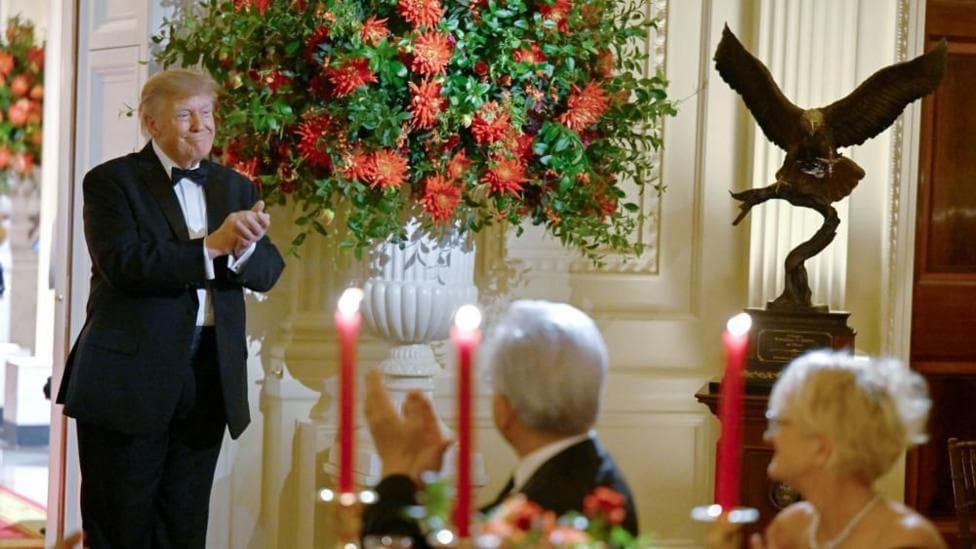
Trump remains the only Western leader to have held a face-to-face meeting with Kim, which took place during his first term in office. Although his attention has largely shifted elsewhere since returning to the White House, Trump said in August last year that he hoped to meet Kim again when the timing was appropriate.
How has North Korea responded so far?
Pyongyang has not yet reacted publicly to Lee's latest offer. State media instead reported that Kim Jong Un marked North Korea's own Liberation Day observances with a wreath-laying ceremony and a guard of honour.
The North has previously dismissed earlier overtures from Lee, criticising a deal allowing the United States to help build South Korea a fleet of nuclear-powered submarines and condemning joint military exercises between Seoul and Washington. Underscoring continued tension, North Korea fired a ballistic missile into the sea on Tuesday, the 11th suspected test recorded so far this year, just days ahead of a scheduled joint US-South Korean military exercise.
What happens next?
reported that Lee's call for dialogue was framed to include North Korea and other concerned parties, suggesting the possibility of wider multilateral talks should Seoul's proposal gain traction. Separately, Aju Press reported that Seoul is planning a renewed diplomatic push on North Korea policy this autumn, despite Pyongyang's continued silence on the matter. Another Aju Press report said the government wants to rebuild trust between the two sides and establish safeguards to prevent any future escalation on the peninsula.
- South Korean President Lee Jae Myung proposed talks on 15 August 2026 to formally end the Korean War.
- He suggested restoring the suspended 2018 inter-Korean military pact and transforming the 1953 armistice into a lasting peace framework.
- North Korea has conducted 11 suspected ballistic missile tests so far this year, including one on Tuesday.
- Pyongyang has not yet responded to the proposal, according to state media coverage of Kim Jong Un's Liberation Day activities.
- Seoul is reportedly planning a further diplomatic push on North Korea policy this autumn.