A South Korean court has penalised the operator of Evett, one of Seoul's most celebrated restaurants, and its chief executive for serving a dessert topped with ants, an insect not approved for consumption under local food safety regulations.
The two-Michelin-star establishment in the affluent Gangnam district received a fine of 10 million won (approximately £5,400), while its chief executive was fined 15 million won. Prosecutors had originally sought a one-year prison term for the chief executive and a 20 million won fine for the company.
Judge Lee Se-chang of Seoul's western district court characterised the violation as "by no means light", citing the extended period during which the dishes were sold, the restaurant's use of them in promotional materials, and test results showing heavy metals in the ants at levels exceeding permitted thresholds. According to one analysis, the ants contained up to 55 times more heavy metals than typical edible insects approved in South Korea.
The judge acknowledged mitigating factors: both defendants admitted the offence, the chief executive had no prior criminal record related to food safety violations, the quantity of ants served appeared lower than prosecutors had calculated, and the restaurant had ceased using ants. He also noted that ants are used as ingredients in the United States and Europe, suggesting the restaurant may not have realised they were prohibited in South Korea.
How did the restaurant use ants in its menu?
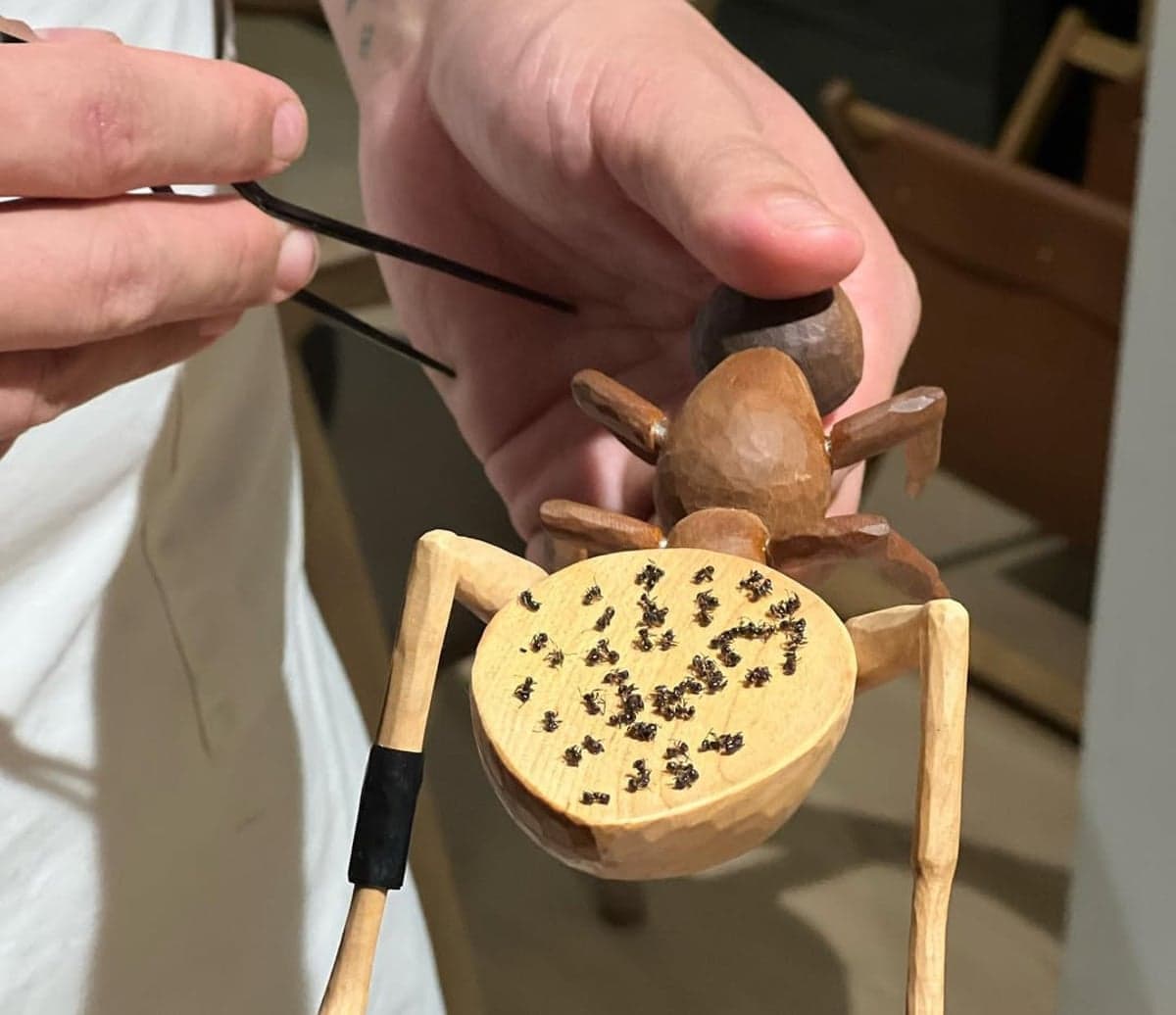
According to reports on the case, customers were offered the option of having ants placed atop a sorbet made with sikhye, a sweet Korean rice drink. Those who declined the ant topping were provided with alternative garnishes including fermented vinegar and edible flowers. Prosecutors alleged the restaurant imported dried ants from the United States and Thailand by post beginning in April 2021 and served the ant-topped dessert until January 2025.
Prosecutors estimated the dessert reached 12,274 customers using approximately 49,096 ants, generating total revenue of around 120 million won. However, defence lawyers disputed this calculation in court, arguing that only about 60 per cent of customers accepted the ant topping when offered, which would substantially reduce the actual number of ants served.
Why are ants prohibited in South Korea?
South Korea's food safety law permits only 10 insect species as food ingredients, including grasshoppers, mealworms and silkworm pupae. Ants are not among the approved species. Businesses wishing to use an unapproved insect must obtain temporary approval from the ministry of food and drug safety, a step Evett did not take. Violating this requirement carries a maximum penalty of five years in prison or a 50 million won fine.

The ministry initiated its investigation after discovering references to the ant dishes in blog posts and social media content. According to available reports, the discovery was prompted by social media videos and photographs showing the dish.
Who is responsible under South Korean law?
Under South Korean food safety regulations, legal responsibility falls on the person registered as operating the business. Ginny Kim, the wife of Australian chef Joseph Lidgerwood who founded Evett, is registered as the company's chief executive and was named as a defendant alongside the restaurant company. Lidgerwood, who has appeared on the Netflix cooking competition Culinary Classes Wars and serves as the restaurant's public face, was not charged and was not a defendant in the case.
According to reporting by a South Korean news outlet, Evett was the only Michelin-listed restaurant referred to prosecutors by the ministry's special judicial police over food safety violations.
What has the restaurant said about the case?
The restaurant acknowledged that only a small portion of its 15-course menu included ants and noted that establishments in Denmark, the United Kingdom and Australia use ants as ingredients. The restaurant stated it had learned from the case and committed to verifying the legal status of every ingredient used in future operations.
What is the cultural context for insect consumption in South Korea?
Insect-eating carries a long history in South Korea and remains culturally significant. Beondegi, steamed silkworm pupae, has been sold from street carts for decades and continues to be a nostalgic popular snack among children and adults alike. This established tradition of insect consumption may have contributed to the restaurant's assumption that ants could be incorporated into its menu.
What happens next?
Both the restaurant and prosecutors have seven days from the court's decision to file appeals. The case represents a significant moment for high-end dining establishments in South Korea regarding compliance with food safety regulations and ingredient approval requirements.
Key Facts
- Evett, a two-Michelin-star restaurant in Seoul's Gangnam district, was fined 10 million won; its chief executive was fined 15 million won for serving unapproved ants as a dessert topping
- Prosecutors had sought a one-year prison term for the chief executive and a 20 million won fine for the company
- The restaurant served the ant-topped sorbet from April 2021 to January 2025, with prosecutors estimating approximately 49,096 ants were used
- South Korea permits only 10 insect species as food ingredients; ants are not among them, and businesses must obtain temporary ministry approval to use unapproved species
- The ants contained heavy metals at levels significantly exceeding permitted thresholds for approved edible insects