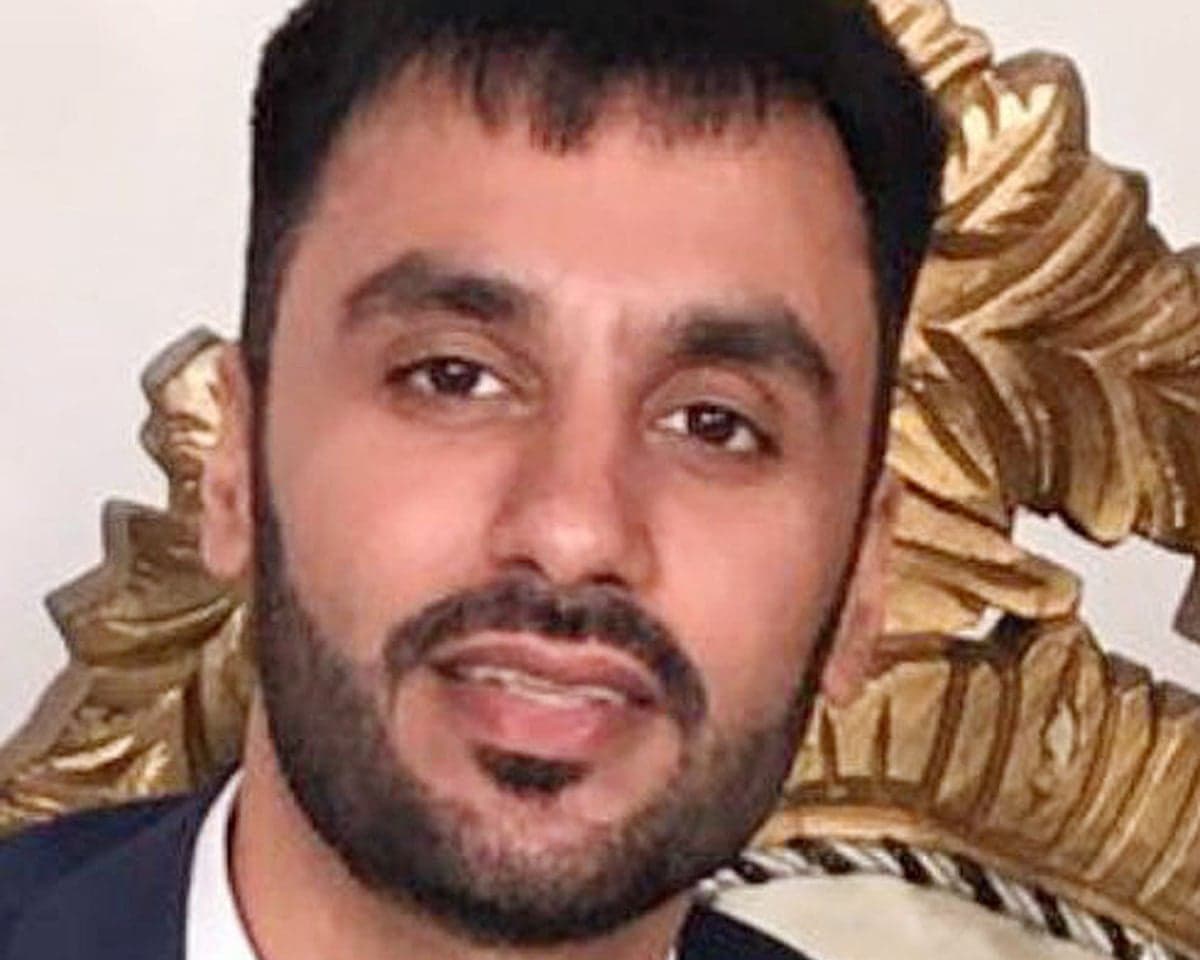
Jagtar Singh Johal, a British Sikh man arrested in 2017 on alleged terrorism offences, has been granted bail by India's Delhi High Court after nearly a decade in custody. The court's decision on Friday marks a significant development in a case that has drawn international scrutiny and repeated criticism from UK government officials over its prolonged legal proceedings.
Johal, 39, from Dumbarton in Scotland, was taken into custody on 4 November 2017 after travelling to India to marry his fiancée. Three weeks following his wedding, while shopping with his wife and a relative in the Punjab city of Jalandhar, a group of men removed him from his car, placed a black hood over his head, and transported him in an unmarked vehicle. He has alleged that he was subsequently denied access to legal representation and subjected to torture in attempts to extract a confession. Questions have persisted regarding whether British intelligence services provided information leading to his arrest.
Authorities accused Johal of funding the Khalistan Liberation Force, an organisation alleged to have conducted targeted killings across India's Punjab region. His trial in the federal court has been repeatedly postponed, with the prosecution consistently failing to present verifiable evidence to support the charges. According to reporting on the court decision, the Delhi High Court granted bail across all seven cases filed under anti-terrorism legislation, overturning a previous refusal from 2024.
What are the bail conditions?
The court has imposed strict conditions on Johal's release. According to the bail order, he must post a personal bond of 500,000 Indian rupees and secure two sureties of the same amount each. He is also required to surrender his passport and comply with additional restrictions that the court will specify. His lawyers indicated they were still awaiting full details of the conditions and the formal confirmation process from judges.
How did the case reach this point?
The Supreme Court had previously sent Johal's cases back to the Delhi High Court in July 2026 for fresh consideration, according to court records. Throughout his nine years in detention, the prosecution's failure to produce credible evidence has resulted in repeated deferrals of his full trial. Whenever judges have examined the evidence presented against him in court proceedings, they have found it insufficient to sustain the charges.
Johal's family and legal representatives have maintained his innocence from the outset. His brother, Gurpreet Johal, who also lives in Dumbarton, has campaigned persistently with successive UK foreign secretaries, all of whom have publicly acknowledged that the case has extended far longer than acceptable. However, they have declined to make direct calls for his release, citing concerns about interfering with another nation's judicial system. The UK government has engaged with the case and met with Gurpreet Johal in Scotland to discuss developments.

What do human rights organisations say?
While this judgment is welcome as Jagtar should not be in prison a day longer, we must now watch closely to ensure this order is actually implemented and not obstructed in any way.This statement came from Dan Dolan, deputy executive director of Reprieve, an organisation that has fought for Johal's release. Dolan cautioned that the conditions attached to bail are likely to be stringent and noted that Johal continues to face the death penalty in eight separate cases, despite these charges essentially duplicating allegations on which he has already been fully acquitted.
Chris Esdaile, a senior legal adviser to Redress, another organisation representing Johal, emphasised that granting bail
can't undo the intolerable suffering caused by nine years of arbitrary detention. Esdaile stressed that
the need for accountability for the allegations of torture and the deeply flawed proceedings against Jagtar remains urgent.
Gurpreet Johal expressed the family's relief at the decision while acknowledging the long struggle ahead.
The past two years has been an expensive rollercoaster, contesting bails at the supreme court and back to the high court. I had a long, sleepless night knowing that the decision would be made this morning. Now, all I can think about is Jagtar walking out of prison. We have waited so long and fought so hard for this moment.
He added:
Whenever the evidence against Jagtar is tested in court, judges find what we've said all along, which is that there isn't any. How long will this sick joke of a legal process be allowed to continue? We're obviously delighted that Jagtar will soon be released, but he won't be truly free until he is back in Dumbarton, with his wife and family.
What happens next?
Johal's release depends on the completion of required administrative procedures and formal confirmation of bail conditions by the court. According to reports on the bail decision, he could potentially be freed as early as the following week once the paperwork is finalised. His legal team remains in contact with the court to ensure the bail order is processed without delay or obstruction.
The case has drawn international attention to concerns about due process in Indian terrorism prosecutions and the treatment of detainees. Johal's eventual release, should the bail conditions be satisfied, would mark the end of one of the longest detentions of a British citizen in India on terrorism-related charges, though questions about accountability for the alleged torture and the conduct of the proceedings are expected to persist.