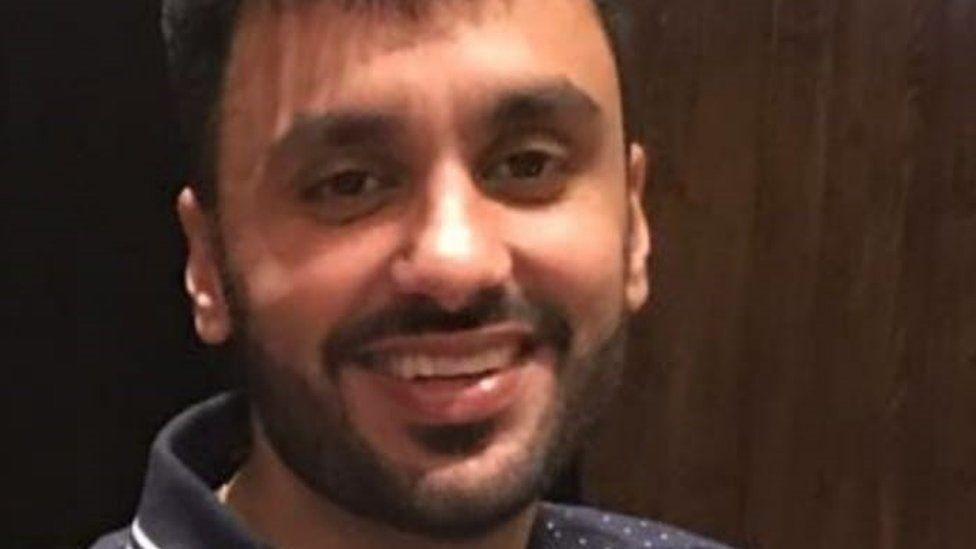
A Scottish Sikh activist has been released from an Indian prison following his release on bail, ending nearly nine years of detention without conviction. Jagtar Singh Johal, aged 39 and from Dumbarton, was arrested in 2017 on allegations connected to terror-related offences. The Delhi High Court granted him bail on 18 September, and he has now been freed from custody, though he remains subject to strict conditions including passport surrender and a media blackout regarding his case.
Johal was taken into custody in Punjab in 2017, just weeks after his wedding in the country. Indian authorities have charged him with involvement in a series of targeted killings of religious and political figures—charges he firmly rejects. According to reporting on the bail decision, the court granted bail in seven cases handled by India's National Investigation Agency.
What are the charges against him?
Prosecutors allege that Johal travelled to Paris in 2013 and transferred approximately £3,000 to the Khalistan Liberation Force, an armed organisation pursuing a separate Sikh state through violent means. The authorities contend this money financed weapons used in killings or attempted killings of religious and political figures across Punjab during 2016 and 2017. Indian officials have characterised Johal as an active KLF member with full knowledge of the conspiracy.
However, Johal's supporters present a starkly different narrative. They argue he became a target for his blogging about alleged human rights violations against Sikhs in India and was coerced into signing a confession to crimes he did not commit. His family has consistently maintained that no substantive evidence supports the charges, pointing instead to testimony from unreliable witnesses as the foundation of the prosecution's case.
What is his detention history?
Johal has spent the vast majority of his nine years in custody without trial. A United Nations panel determined in 2022 that his detention constituted arbitrary imprisonment. He has also alleged torture during his incarceration, though Indian authorities have denied these claims and maintained that proper legal procedures have been followed throughout.
Last year, Johal was acquitted in a separate case where he faced accusations of providing financial support to the KLF. Despite this acquittal, he remained imprisoned because federal charges in eight additional cases were pending against him, with potential exposure to capital punishment. His legal representatives argue these cases are substantially identical and should be consolidated or dismissed.
The trial process has been extraordinarily protracted. According to court records, only 40 of more than 160 prosecution witnesses have been examined, with 123 still required to testify. The bail order itself acknowledged that the trial is "certainly not likely to conclude anytime soon." Over nine years, the case has involved hundreds of separate hearings.
What are his bail conditions?
Johal's release comes with substantial restrictions on his freedom. According to the bail order details, he must post a personal bond of ₹5 lakh with two sureties of equivalent amounts. He is required to report to the investigating officer every two weeks and may use only a single phone number that must remain continuously active. His passport remains confiscated, and he is prohibited from discussing the case with media outlets.
How have supporters and officials responded?
Johal's brother Gurpreet Singh Johal, who has campaigned with successive governments for his release, described the bail decision as a "really important milestone." He characterised it as "just a first step, but a step in the right direction."
The decision has also received backing from politicians and legal organisations. Reprieve and Redress, two legal charities representing Johal in the United Kingdom, welcomed the development. Dan Dolan, deputy executive director of Reprieve, called the release "a really important moment" but cautioned that Johal remained in serious jeopardy.
It is really important that we recognise he's not out of the woods yet. We now really need to push to get him home.Redress emphasised that Johal's release could not reverse "the intolerable suffering caused by nine years of arbitrary detention."
What happens next?
Johal must attend all scheduled court hearings unless formally excused and must maintain strict compliance with his bail conditions. The prosecution retains the authority to seek cancellation of his bail if he breaches any of the imposed restrictions. The case will continue through the Indian court system, with trials in the remaining cases expected to proceed, though at an uncertain pace given the slow progress to date.
The Supreme Court had previously sent Johal's bail matters back to the Delhi High Court for reconsideration on 15 July 2026. The High Court heard the cases again and reserved its decision on 7 September before issuing the bail order on 18 September.
Key Facts
- Johal has been detained for nearly nine years without conviction on terror-related charges he denies
- A UN panel determined in 2022 that his detention was arbitrary; he claims torture during imprisonment
- The prosecution has examined only 40 of more than 160 witnesses, with 123 still to testify
- He faces potential capital punishment on federal charges in multiple cases his legal team argues are substantially identical
- His bail conditions include a ₹5 lakh personal bond, fortnightly reporting, and a media blackout on case discussion