Following an unprecedented 250 days without a port stop, the nuclear-powered aircraft carrier USS Abraham Lincoln has arrived in Thailand, providing its approximately 5,000 crew members with their first extended break in months. According to , the vessel docked at Laem Chabang near the beach resort of Pattaya on Wednesday, accompanied by two additional Navy vessels. The port call is scheduled to run through September 6 before the carrier resumes its journey home across the Pacific.
The arrival carries profound historical significance for the United States. Pattaya transformed from a quiet fishing village into one of the world's most recognizable entertainment destinations during the Vietnam War, when hundreds of thousands of American troops arrived for rest and relaxation. The current visit represents the largest deployment of US military personnel directly from a war zone to the city since the fall of Saigon in 1975.
The USS Abraham Lincoln departed San Diego in November on what was initially planned as a six-month assignment across the Pacific and South China Sea. However, the vessel was redirected to the Persian Gulf after the United States and Israel launched military operations against Iran in late February. The extended deployment has raised concerns among some members of Congress, who cited reports of food shortages, malfunctioning toilets and psychological strain among personnel. A US senator demanded answers after reports of food shortages, plumbing failures and suicide attempts aboard the vessel, though the US Navy acknowledged difficult working conditions while maintaining that crew support remained adequate.
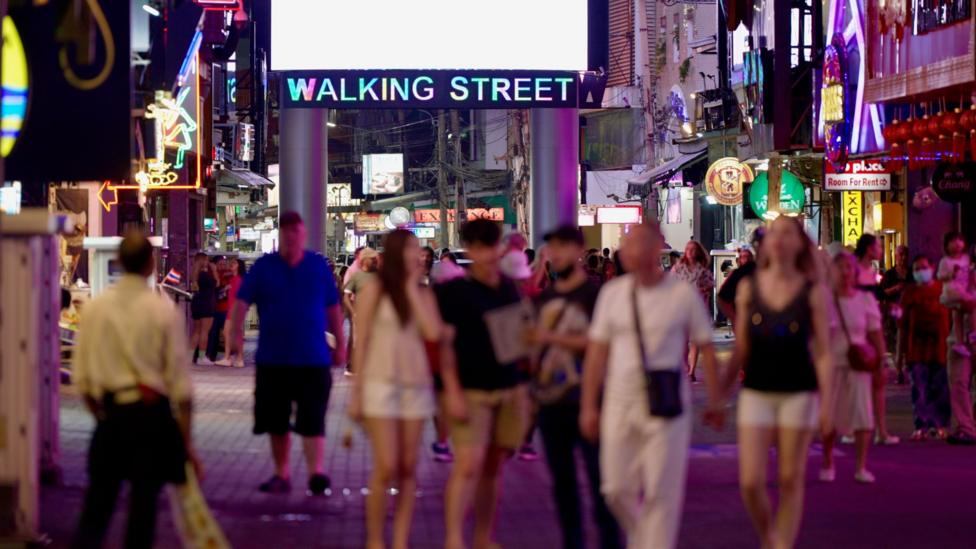
Why does Pattaya matter for this visit?
The city's current economic struggles make this arrival particularly significant for local businesses. The conflict in Iran has substantially reduced tourism and consumer spending, leaving many establishments struggling. The prospect of thousands of American sailors carrying nine months of accumulated, unspent wages offers a rare economic lifeline to the community.
Pattaya's famous neon-lit streets and entertainment venues are notably quieter than in previous years. The bars along Walking Street still display videos attempting to attract customers, but foot traffic remains sparse, with most visitors appearing to be family groups from the Middle East more interested in ice-cream vendors than nightlife establishments.
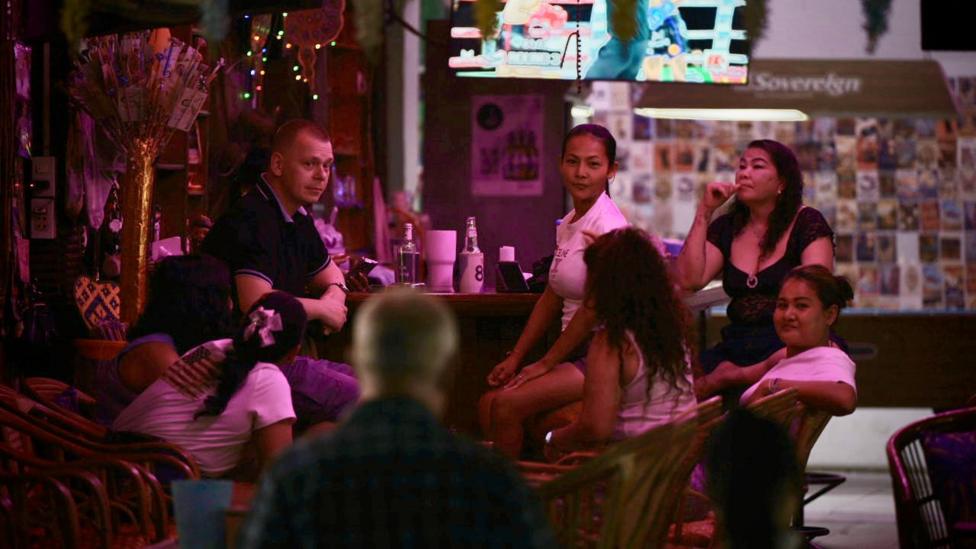
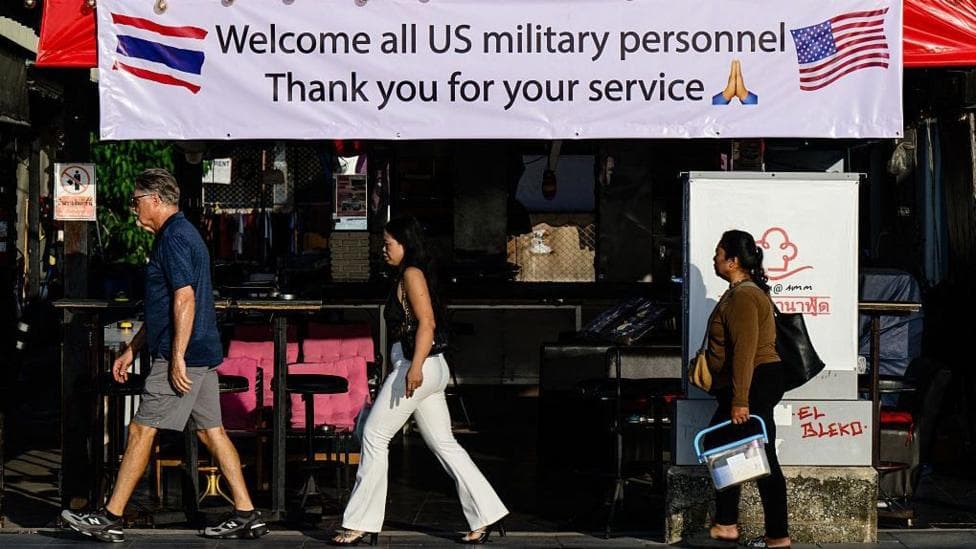
"This visit could be our best hope,"said Anon Saiteer, a gem shop owner near Walking Street, whose business has posted large signs welcoming the American sailors and marines with special discounts.
"We have nothing to lose – we just hope they will spend some money here."

What restrictions are being placed on the sailors?
Both US and Thai officials are working to ensure the visit generates economic benefit without attracting the sensational headlines for which Pattaya has become known. Thai authorities have designated specific areas where US servicemen and women are prohibited from visiting. Soi 6, a street running toward the main beach known for its concentration of adult entertainment venues, is off-limits. The Thai police have reminded American visitors that prostitution is technically illegal in Thailand, despite estimates suggesting between 25,000 and 50,000 sex workers operate in the city, many concentrated in Soi 6.
Additional restrictions prohibit crew members from visiting the numerous cannabis shops throughout Pattaya or participating in sea sports including paragliding and jet-skiing.
"It is their decision,"Mayor Poramase Ngampiches told reporters.
"The US military have done their homework."
According to local reports, approximately 40 buses have been arranged to shuttle sailors between Laem Chabang and Pattaya in staggered groups throughout the visit. The US Navy has organized shuttle service operating from 5am to 2am daily, with two hotels designated as appropriate accommodation for crew members seeking overnight stays ashore. Thai authorities have deployed hundreds of police officers throughout the city's entertainment zones and warned local businesses against overcharging American guests.
How is Thailand framing this visit?
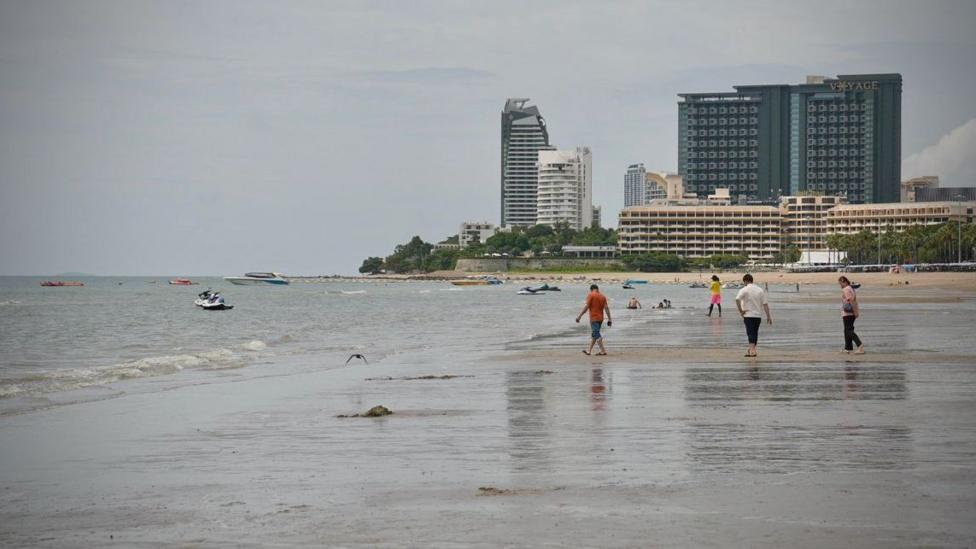
Thai officials have characterized the port call as a routine visit focused on rest, recuperation and logistical support rather than military exercises. According to Thai officials, no joint training operations or combined exercises with Thai forces are planned during the September 2-6 visit. The Royal Thai Navy confirmed that no combined military operations are scheduled.
Mayor Poramase has emphasized Pattaya's evolution beyond its historical reputation.
"The visits of US military men 50-60 years ago introduced Pattaya to the world and turned it into a tourist attraction,"he explained.
"We have to be frank, the city has a reputation for bar girls. We understand the stereotypes. We can't stop that. What we can do is to show that Pattaya has changed, that we now have other things, such as sports, seminars, wellness and family-friendly activities. It's a mixture of everything."
Thailand maintains a treaty alliance with the United States despite its close relationship with China, making port visits by US Navy vessels a routine occurrence. However, the scale of this deployment and the circumstances surrounding it—arriving directly from an active conflict zone—distinguish this visit from typical naval calls.
What comes next?
The USS Abraham Lincoln is scheduled to depart Thailand on September 6 and continue its return voyage to its US base. Both American and Thai officials hope that by the time the carrier begins its long Pacific crossing, the crew will be sufficiently refreshed and rested after their grueling Middle East deployment. The ship's commander has previously stated that mental health is a leadership priority following reports of poor conditions during the record deployment, making the opportunity for shore leave and recuperation particularly significant for personnel morale.