RAAF deploys emergency supplies as 42 Australians remain unaccounted for in Nepal-Tibet floods
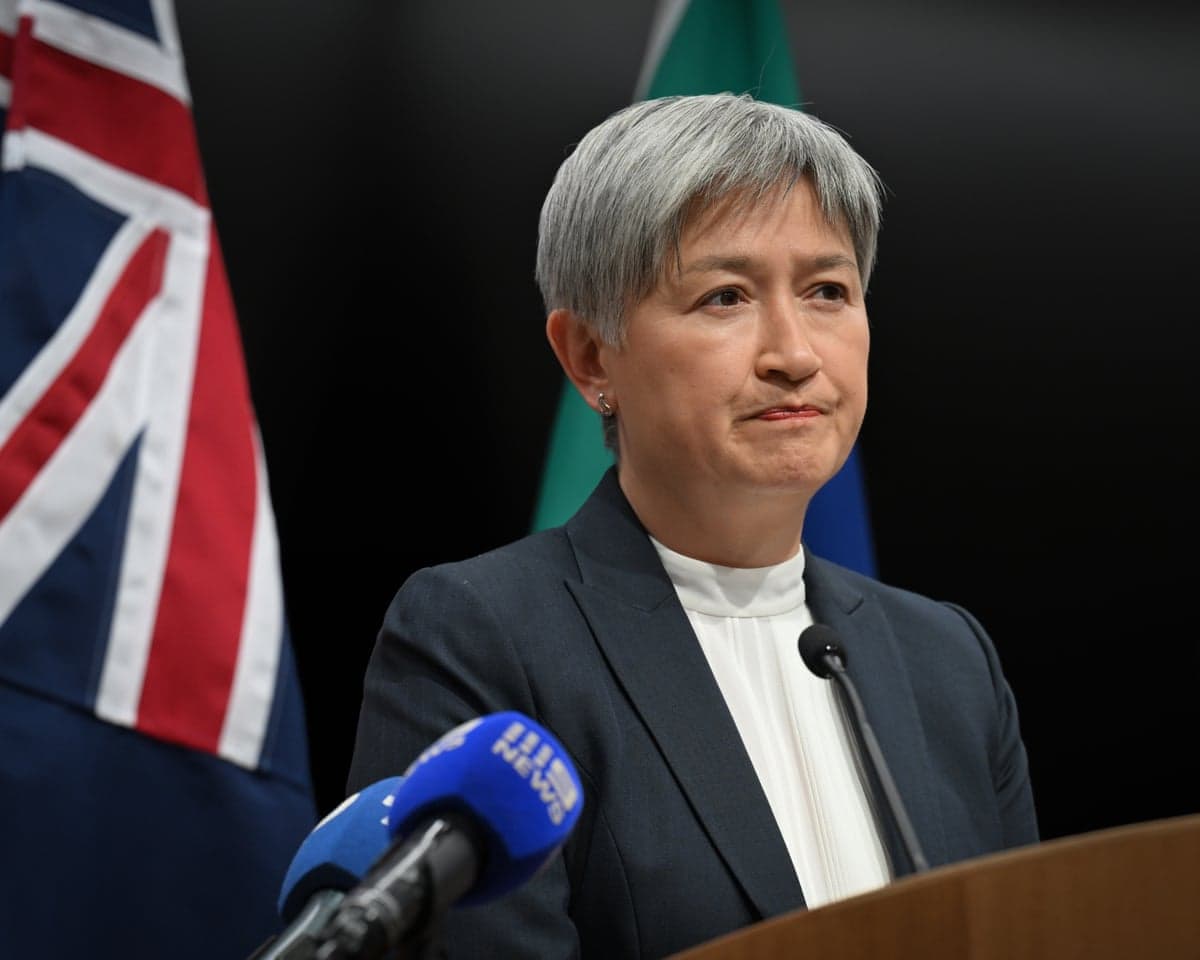
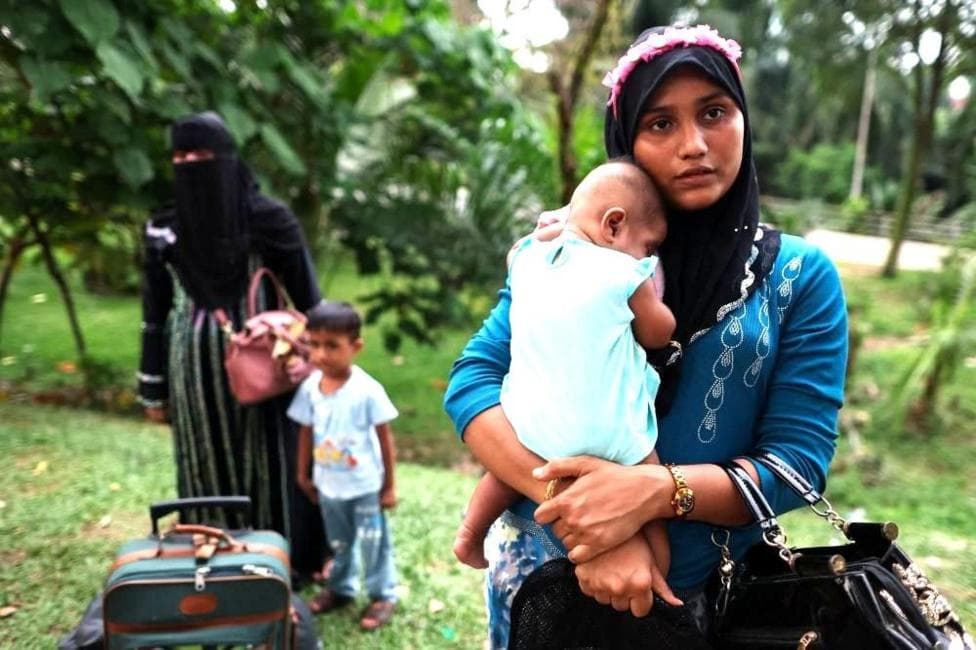
An Royal Australian Air Force aircraft carrying hygiene kits, shelter and solar lights is departing for Nepal as Foreign Affairs Minister and Acting Prime Minister Penny Wong expresses deep concern over 42 missing Australians following catastrophic flash flooding along the Nepal-Tibet border. The disaster has claimed hundreds of lives and left nearly 2,500 people unaccounted for across the region.
Wong told the ABC's 7.30 program that the federal government is pursuing urgent efforts to locate the missing Australians. According to the latest update from Australian officials, the number of missing Australians was revised to 42 after one previously unaccounted-for person made contact with family, with six of those located on the Chinese side of the border.
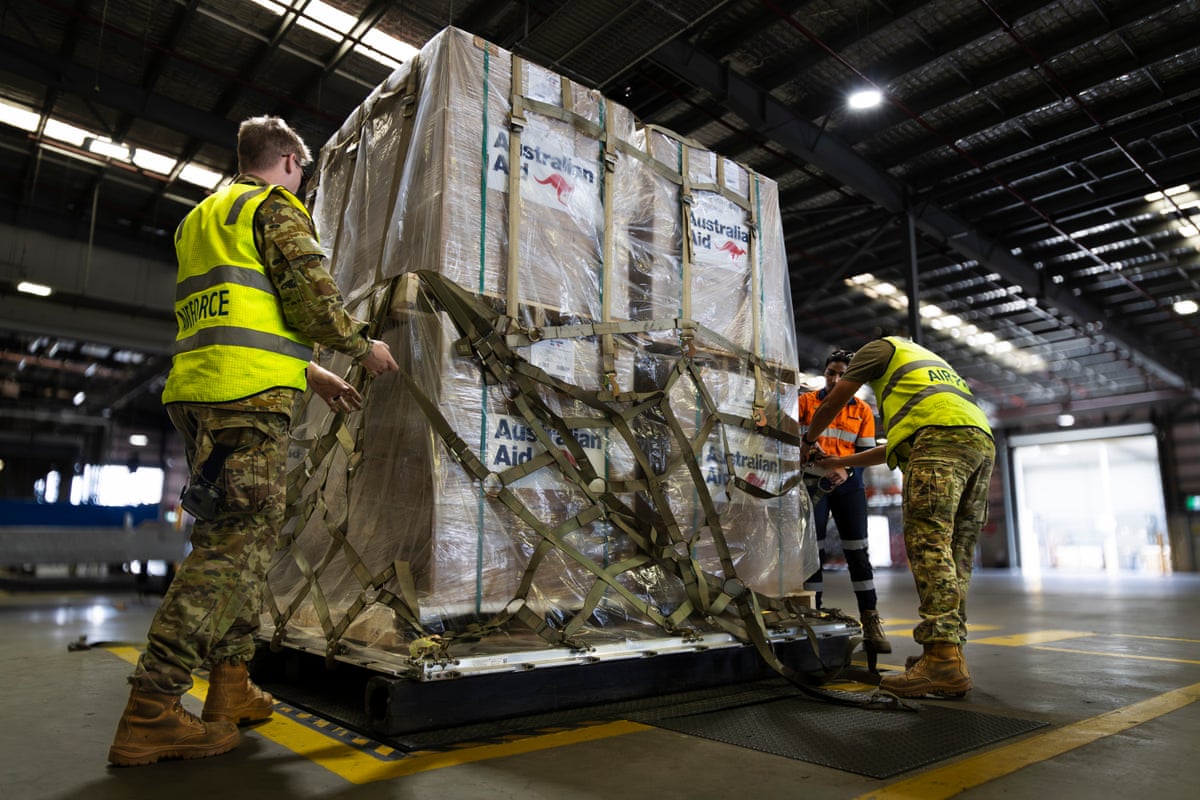
The Australian government has committed A$8 million in aid, while Australian citizens have donated A$2 million to a public appeal—a contribution the federal government is matching dollar-for-dollar. Wong outlined the nature of the assistance being deployed:
We are deploying an RAAF aircraft to deliver these kits which are designed to support people in circumstances of natural disasters that destroy infrastructure and their shelter. Whether it's shelter kits, lights, hygiene kits, these are the things needed for those people who are facing the devastation of their homes and their communities.
Regarding the search for the missing Australians, Wong acknowledged the extraordinary difficulties involved. She stated that Australia has been coordinating with both Nepali and Chinese governments, though recovery efforts remain extremely challenging given the remote terrain and scale of the disaster.
I first want to again express what I've been expressing to the families and friends of the 43 Australians who are not accounted for, that this is such a difficult time, it's an incredibly distressing, traumatic time. I think all Australians are with you. And certainly we are with you. We are working to do whatever we can and to provide any information we obtain.
The scale of the disaster has become clearer as authorities continue accounting for victims. According to international reporting, the flood left nearly 2,500 people missing, including at least 777 foreign nationals. Chinese state media reported that the death toll on the Tibetan side of the border had reached 16.
The initial count of missing Australians has been revised several times as new information emerged. Australian officials reported the figure rising from 35 to 39, then 41, before the later update to 42. The remoteness of the affected region has created major obstacles for search and recovery operations.
What happens next in the relief effort?
Australia plans to deploy extra consular staff to the affected area as part of the ongoing response. Rescue and recovery efforts are expected to continue amid the difficult conditions and the ongoing process of accounting for missing people.
Melbourne communities hold vigil for flood victims
Members of Melbourne's Nepali and Tibetan communities gathered at Federation Square to remember those lost in the disaster. More than 40 Australians remain among thousands of people unaccounted for following the natural disaster, with the overall death toll exceeding 810 people.
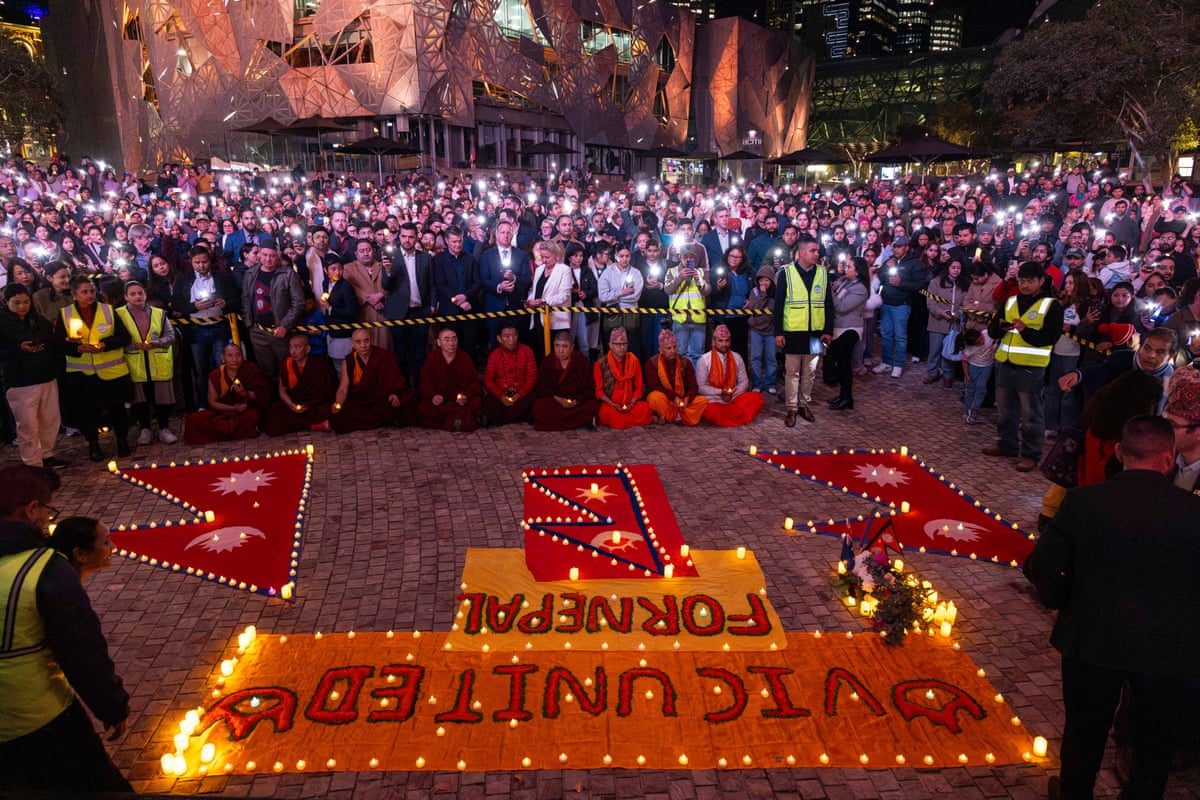
Volunteers at the vigil unfurled a sign encircled by candlelight reading "Vic united for Nepal". The event, organised by the Non-Resident Nepali Association's Victorian branch, drew approximately 400 people and was attended by Victorian Premier Ben Carroll and members of parliament from both Labor and the opposition.
Addressing the crowd, Carroll said:
I know so many of your hearts are breaking right now. Look around you, all of Victoria stands behind you and every candle in Federation Square is lit up for you. You are not alone.
The Victorian government has pledged A$100,000 to Australia's immediate relief efforts in Nepal.
Treasury flags AI as productivity game-changer for Australian economy
The Treasury Department has identified artificial intelligence as a transformative force that will help restore Australia's productivity performance to its historical average in coming years, according to departmental briefing papers released ahead of this month's intergenerational report.
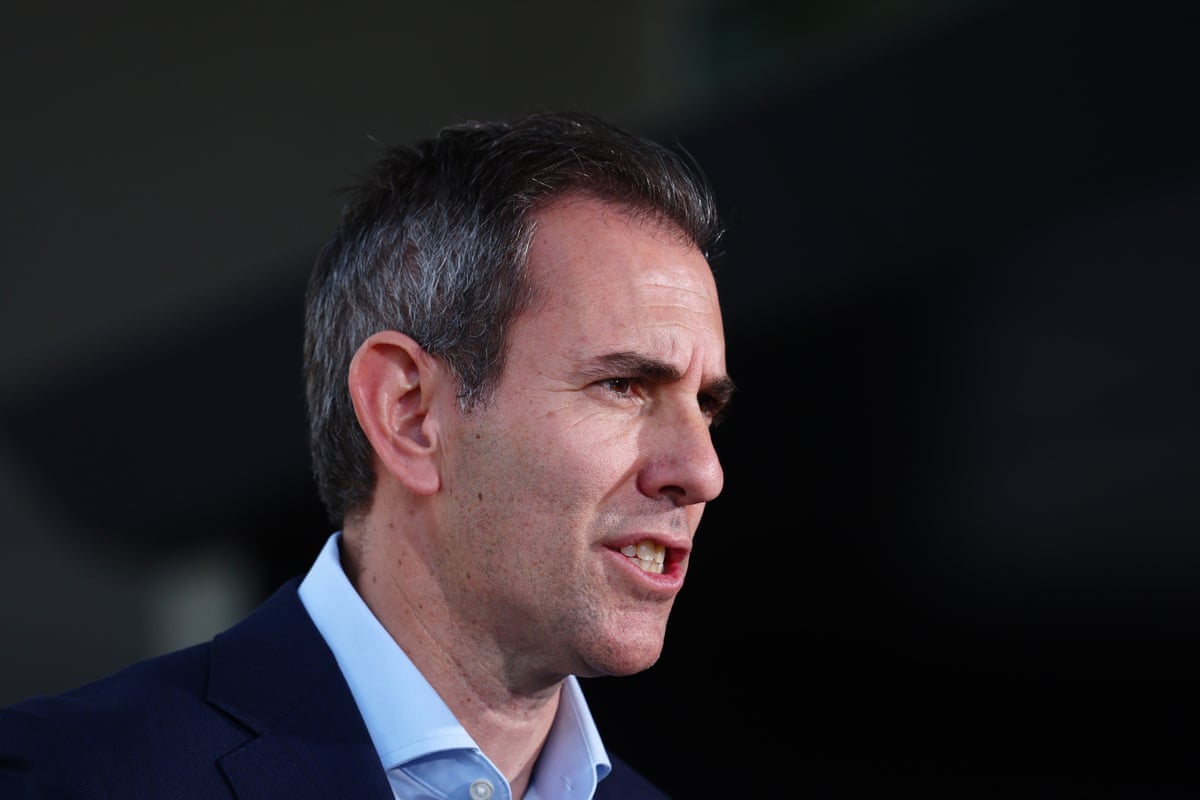
Treasurer Jim Chalmers characterised the technology's potential impact in sweeping terms:
This is a gamechanging technology which will impact every part of our economy and society, in every corner of our country. I'm confident we can maximise the economic upside and minimise the risks.
Australia's productivity growth has stalled significantly, with the nation showing no improvement in productivity levels compared to the beginning of the decade. This stagnation has prompted government focus on potential solutions.

The Treasury briefing paper characterised AI as "the first substantive, credible global productivity growth accelerant in almost two decades". However, Treasury officials cautioned that adoption of AI across the economy is not expected to trigger a new era of rapid growth in the near term, despite acknowledging an unusually wide range of forecasts on the technology's impact.
The department's "baseline" forecast projects that "AI will support the achievement of the long-term productivity assumption of 1.2%"—a target outlined in the lead-up to this year's budget. This measured assessment reflects uncertainty about how quickly businesses will integrate AI technologies and the extent of productivity gains that will materialise.
NSW workers march for additional public holiday
The Shop and Warehouse Workers Union (SDA) is organising a march to NSW parliament on Tuesday, bringing together over 400 workers carrying a petition signed by more than 10,000 workers and their families. The campaign calls for 1 September to be declared a new public holiday in the state.
NSW currently has the fewest public holidays of any Australian state or territory, with 11 statewide public holidays, eight of which fall in the first half of the year. By contrast, the Australian Capital Territory, Victoria, Northern Territory and Western Australia each observe 13 public holidays.
The union and workers are seeking to have 1 September designated as a "family and community day". The petition will be presented to NSW Industrial Relations Minister Sophie Cotsis.
SDA NSW/ACT Secretary Bernie Smith expressed the union's position:
NSW workers work just as hard as everyone else, and they deserve the same opportunities to spend time with their families and friends. Spring is all about new beginnings and that is exactly what a 1 September public holiday would provide for NSW.
Capital city median house prices fall below $1 million
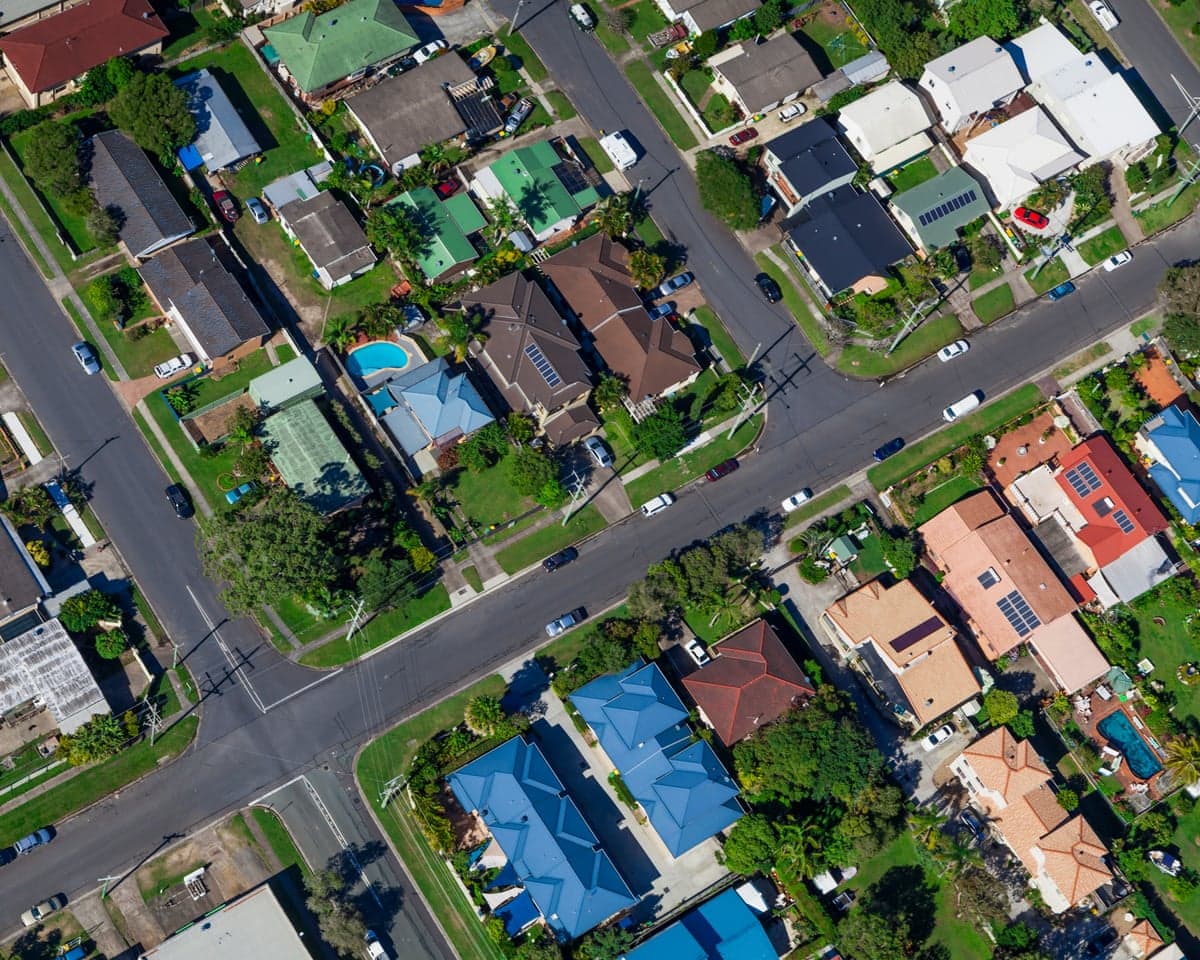
The typical capital city home price has declined below the A$1 million threshold as buyer activity weakens in what property analysts describe as a "buyers' market". Property data firm Cotality reported that the median price across Australia's capitals fell to A$990,394 by the end of August, reversing earlier gains.
The median price had surpassed A$1 million for the first time in October of the previous year but has experienced steady declines throughout the current year. Demand has been suppressed by rising interest rates and diminished consumer confidence in the broader economy.
Perth's median home price crossed the A$1 million mark in March but retreated to A$999,987 by the end of August. Sydney and Brisbane remain the only capitals with median prices above A$1 million, with Sydney's median standing at A$1.22 million—A$93,000 below its peak earlier in the year—while Brisbane's median sits at A$1.08 million, down A$30,000 from its peak.
Tim Lawless, research director at Cotality, noted that nearly every capital city suburb has experienced price declines, yet sales volumes have fallen significantly compared with the same period last year, resulting in a buildup of listings on the market. Lawless observed:
Longer selling times, larger vendor discounting and persistently low auction clearance rates all point to a buyer's market, yet buyers are lacking the confidence to transact at the moment.
This combination of falling prices, extended selling periods and reduced transaction volumes indicates a fundamental shift in market dynamics, with vendors increasingly forced to adjust expectations to attract purchasers.
Wong dismisses One Nation's approach as lacking substance
Foreign Affairs Minister Penny Wong has acknowledged a message from Western Australia Labor's loss to One Nation in the Secret Harbour byelection, but characterised One Nation leader Pauline Hanson's platform as offering "very few real solutions" to community concerns.
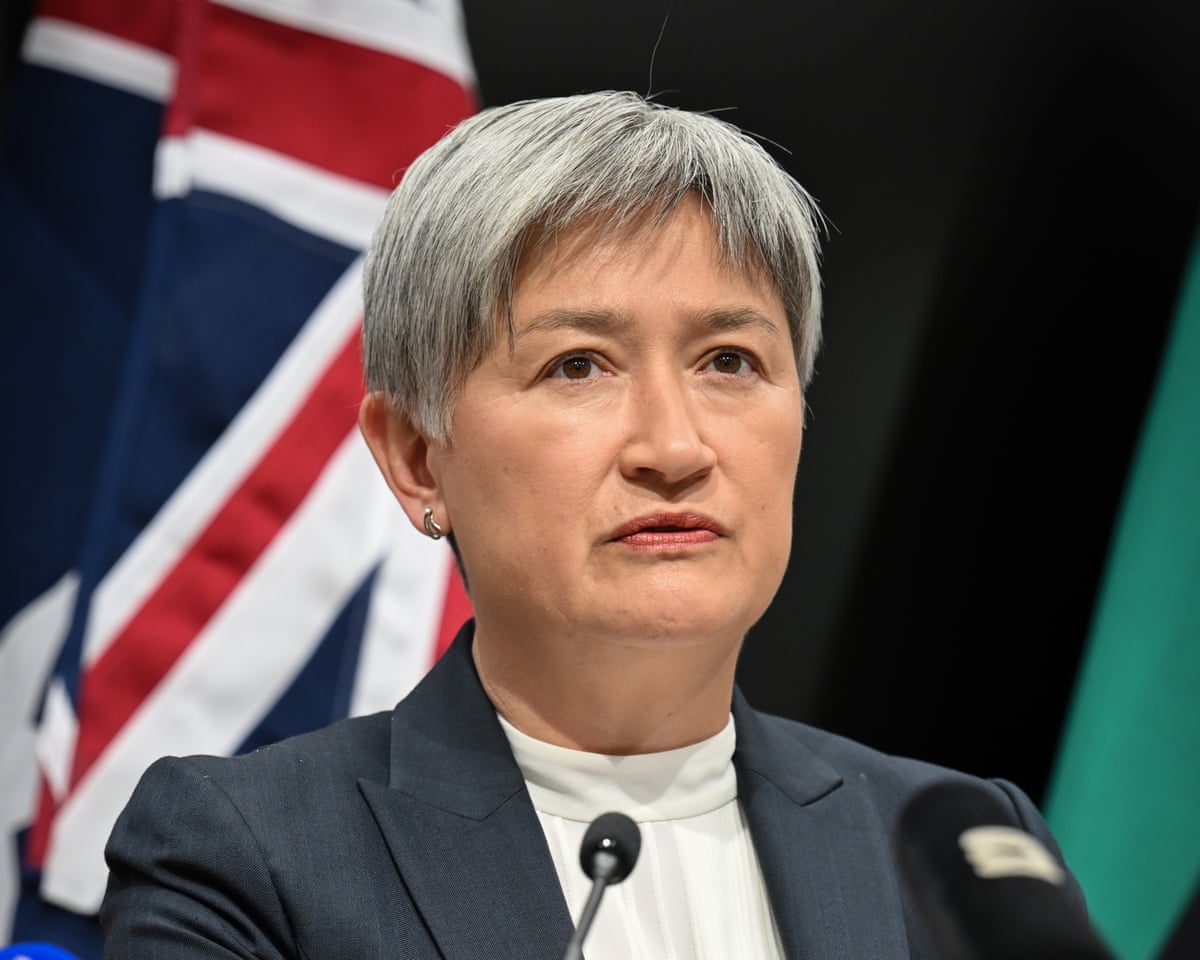
Wong told the ABC's 7.30 program that the byelection result was "very disappointing" but reflected broader public sentiment that "the status quo is not delivering for them". She pointed to the federal government's policy agenda—including investment in Medicare, childcare and schools, tax cuts and tax changes—as its response to community demands for change.
While acknowledging that voters had not embraced these measures in the Western Australian contest, Wong argued that Hanson was not presenting constructive alternatives:
I accept there's a message sent in this byelection for us. I accept that. And I think we understand that. We understand the importance of delivering real change and as someone who sits in the Senate with Pauline Hanson, what I would say to you is that she is … there's a lot of anger and a lot of complaints, but really very few solutions.
Wong's comments reflect Labor's effort to distinguish its policy approach from opposition messaging that emphasises grievance without proposing detailed remedies.