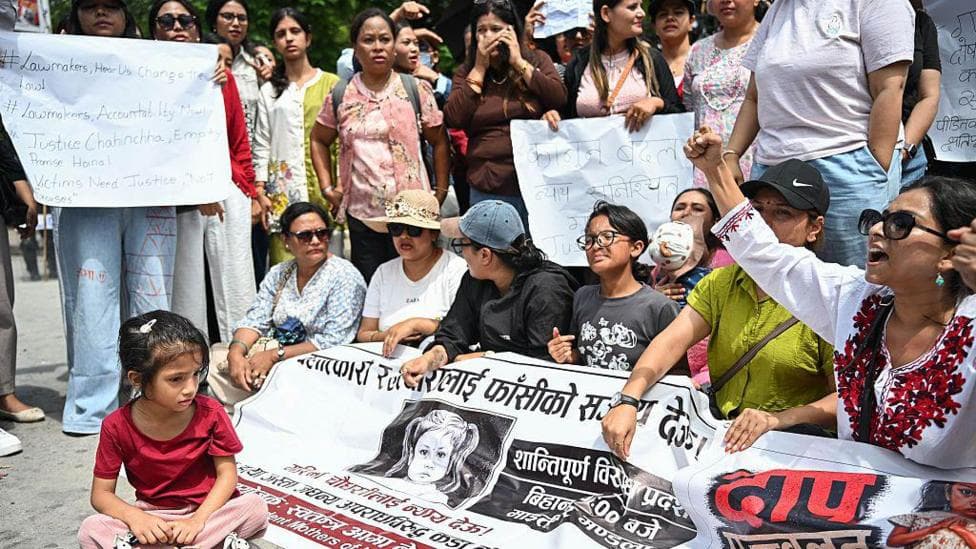
Activists, politicians and ordinary citizens across Nepal have called for sweeping legal reforms following the alleged rape and murder of a three-year-old girl, identified as Garima Chaudhary of Dasdhure in Jeetpur Simara Sub-Metropolitan City-1, Bara. The case has sparked sustained public anger and demands for tougher penalties, with nine people arrested in connection with the crime.
The child went missing on 16 August 2026 and her body was discovered two days later in an abandoned building approximately 200 metres from her home. Protests erupted immediately in the Madhesh province city of Simara, where residents blocked roads for five days. According to local reporting, the blockade ended after the government and the girl's family reached a three-point agreement, with traffic on the Birgunj–Pathlaiya route returning to normal on 24 August 2026.
Nepal's Home Minister Sudhan Gurung publicly promised maximum legal punishment and justice in the case on 22 August 2026. Police detained a 16-year-old suspect and later arrested 24-year-old Progress Chaudhary. According to investigators, a police tracker dog linked suspect Suman Thapa to the scene, and he subsequently confessed to luring, assaulting and killing the child.
The government has committed to reviewing laws on serious offences and creating a memorial in honour of the child. Members of Nepal's National Assembly raised the case during Thursday's zero hour and demanded immediate identification and prosecution of those responsible.
What sparked the wider debate over sentencing?
The incident has opened a national conversation about how Nepal handles young offenders, with campaigners pushing for harsher punishments for minors convicted of rape or murder. Protesters in Pathlaiya, Simara and Jitpur have called for amendments to Nepal's laws to impose stricter penalties, and a petition was launched demanding life imprisonment without parole for rape convictions.

Prominent human rights activist Gauri Pradhan acknowledged the severity of the crime, stating:
"This is a very painful incident and the government should punish anyone involved in such atrocious act. There should be some serious efforts for wider reforms."However, he cautioned against calls for the introduction of the death penalty.
How did police mishandle evidence?
Significant anger has emerged over the leak of a video showing a teenage suspect giving a statement about the suspected murder. The footage was uploaded to social media, raising serious questions about how material recorded during a police investigation became public.
Dharmendra Kumar Mishra, chief district officer of Bara district, told investigators:
"We have so far found one police personnel directly involved in the [leak] and have initiated action against him. If more officers are found, they will also be punished. We have zero tolerance against such practice."Locals said they were also demanding action against police personnel blamed for negligence in the investigation's initial stages.
What do the statistics reveal about child sexual abuse in Nepal?
The case has drawn attention to the scale of sexual violence against children in the country. Between July 2017 and July 2025, more than 25,500 accusations of rape and sexual abuse were filed with Nepalese Police. Of these cases, more than 3,200 involved female victims under the age of 10, according to police records.
What happens next?
The government is expected to review laws on serious offences following the agreement with the family, though no specific date has been reported. Police said the investigation is ongoing and that more arrests could follow if additional officers are found to have been involved in the evidence leak.