Myanmar's military has conducted widespread air strikes across the country that have killed dozens of people, including at a wedding ceremony in the southern Shan state and at a school in the central Magway region. According to BBC News, the strikes represent an escalation in the ongoing conflict that has gripped the nation since the 2021 coup.
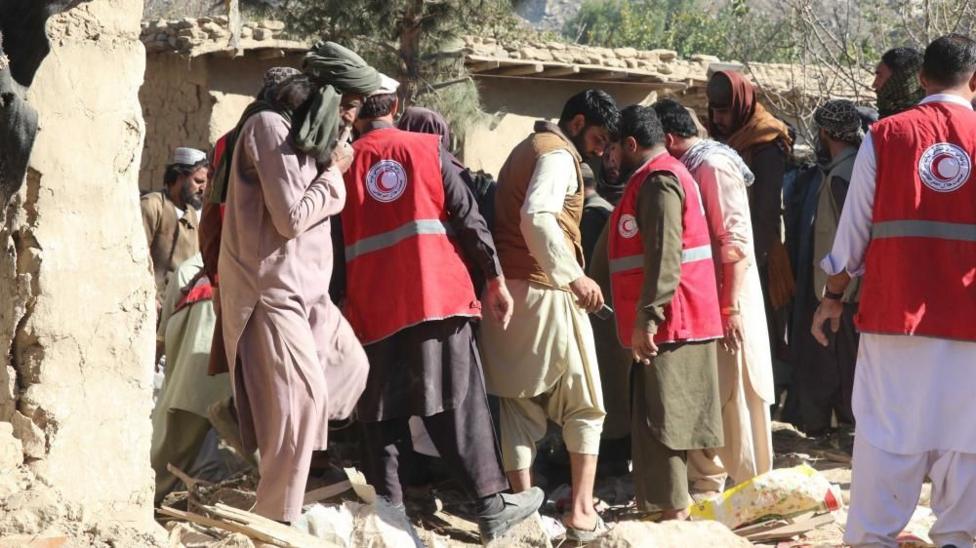
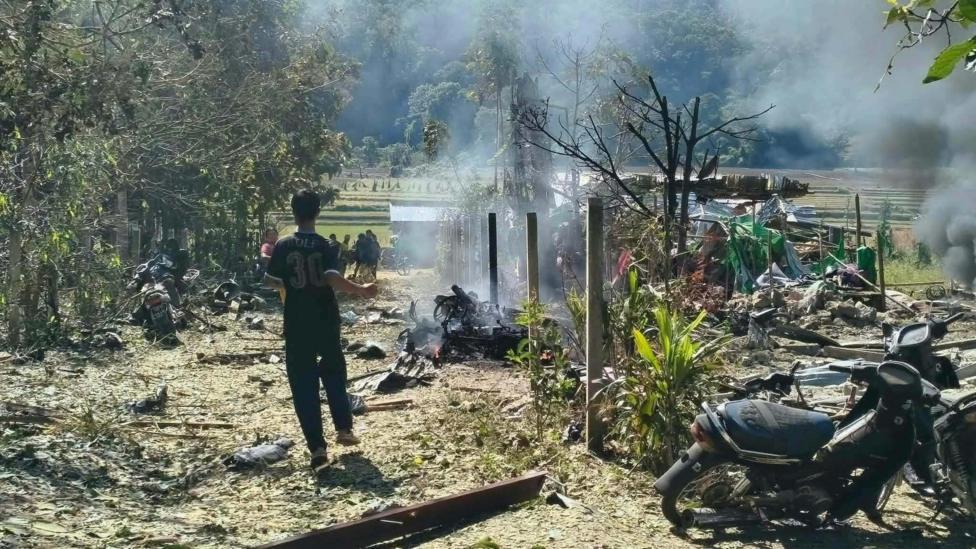
Rescuers confirmed at least 21 people dead and more than 40 wounded at the wedding in Moe Bye village on Saturday afternoon. RFI reported that the casualties included five children, and that the ceremony was for two displaced people in a village outside Moe Bye town, an area where opposition forces operate. Myanmar's military controls the town itself.
On Thursday, at least 20 civilians were killed in a separate strike on a school at In Yon village in Magway region, where resistance forces maintain a presence. The victims included students, young monks and teachers, according to Myanmar's exiled National Unity Government (NUG). Channel NewsAsia reported that the NUG said the attack also killed nine People's Defence Forces members and involved a combination of bombs, artillery and drone strikes centred on the school and an adjacent monastery.
Myanmar's military-led government has not commented on any of the strikes.
The military also carried out air strikes in Mrauk-U town in western Myanmar's Rakhine state on Saturday evening. At approximately 20:00 local time (13:30 GMT), a residential area was bombed, killing more than 10 people and injuring about 20 others. According to Channel NewsAsia, a separate strike hit a market in the same town, with a local funeral organisation's head stating that nine people were killed in that attack. The area is controlled by the Arakan Army (AA), one of the strongest ethnic armed organisations fighting the military regime.
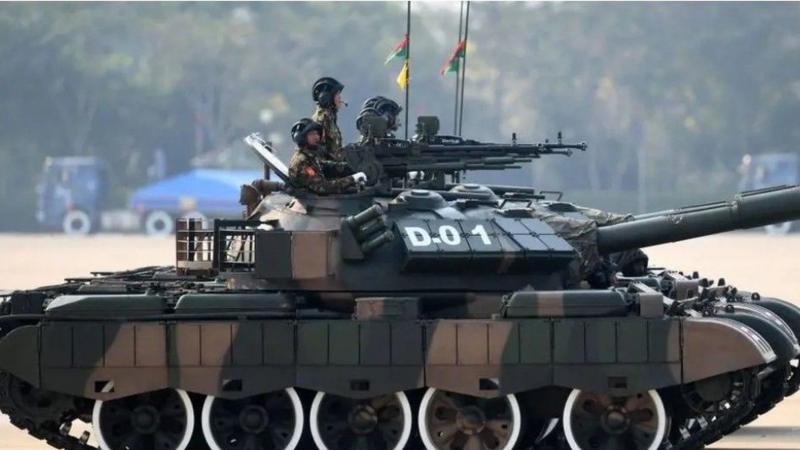
Military air strikes have occurred almost daily across Myanmar since the coup in 2021 toppled the elected civilian government led by former leader Aung San Suu Kyi, triggering a prolonged civil war. Villages have been burned and ground offensives have been launched by the military on areas beyond its control, including territories held by the NUG and ethnic armed organisations.
The scale of the military campaign is substantial. According to Zaobao, the NUG has recorded 15,327 military airstrikes across 6,653 incidents from the February 2021 coup through October 2026, resulting in 6,467 civilian deaths, 562 schools destroyed and 848 religious buildings destroyed.
The latest strikes come one week after Myanmar was found guilty of committing genocide against its Rohingya minority by the International Court of Justice (ICJ) on 19 November 2026. A 2017 military crackdown killed thousands and forced more than 700,000 Rohingya to flee the country. Myanmar's government has denied committing genocide, arguing that its forces responded to attacks by armed groups. The ICJ verdict marked the first time a state had been found to have committed genocide by an international court.
This pattern of military violence extends beyond the current conflict. A military airstrike on a Buddhist monastery in Myanmar's Sagaing region on 22 August 2026 killed 14 elderly worshippers, when the compound where over 100 people had gathered for a meditation retreat was struck twice in succession.
What comes next?
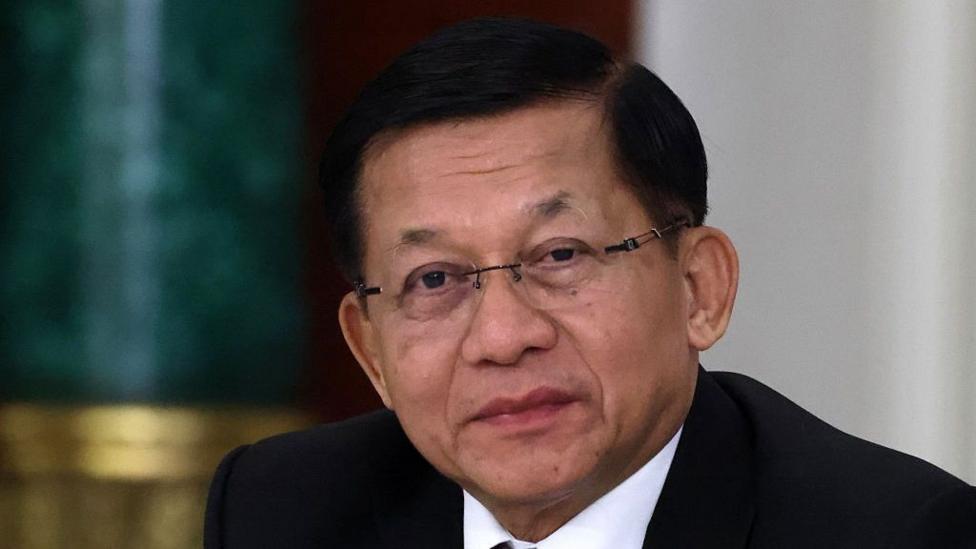
Myanmar's military leader Min Aung Hlaing has rejected parts of the ICJ genocide ruling, signalling the regime's continued defiance of international pressure. The country faces mounting international scrutiny and potential sanctions over its conduct, though the military government has shown little willingness to alter its military strategy or comply with international legal obligations.