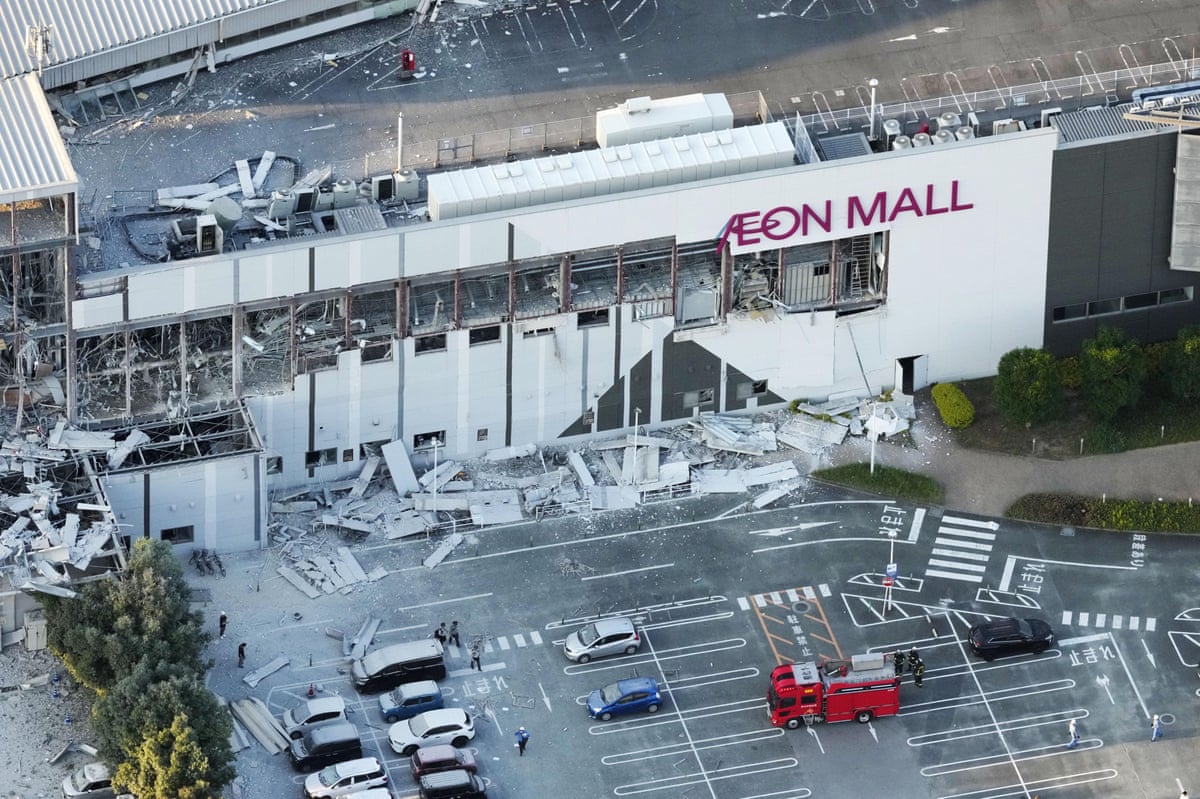
People are trapped inside a shopping mall that was damaged in a major earthquake on 28 July 2026 in southwestern Japan, emergency services said. In Kashima town, a shopping complex’s second floor collapsed, leaving many people trapped inside, the local fire department said in a statement.
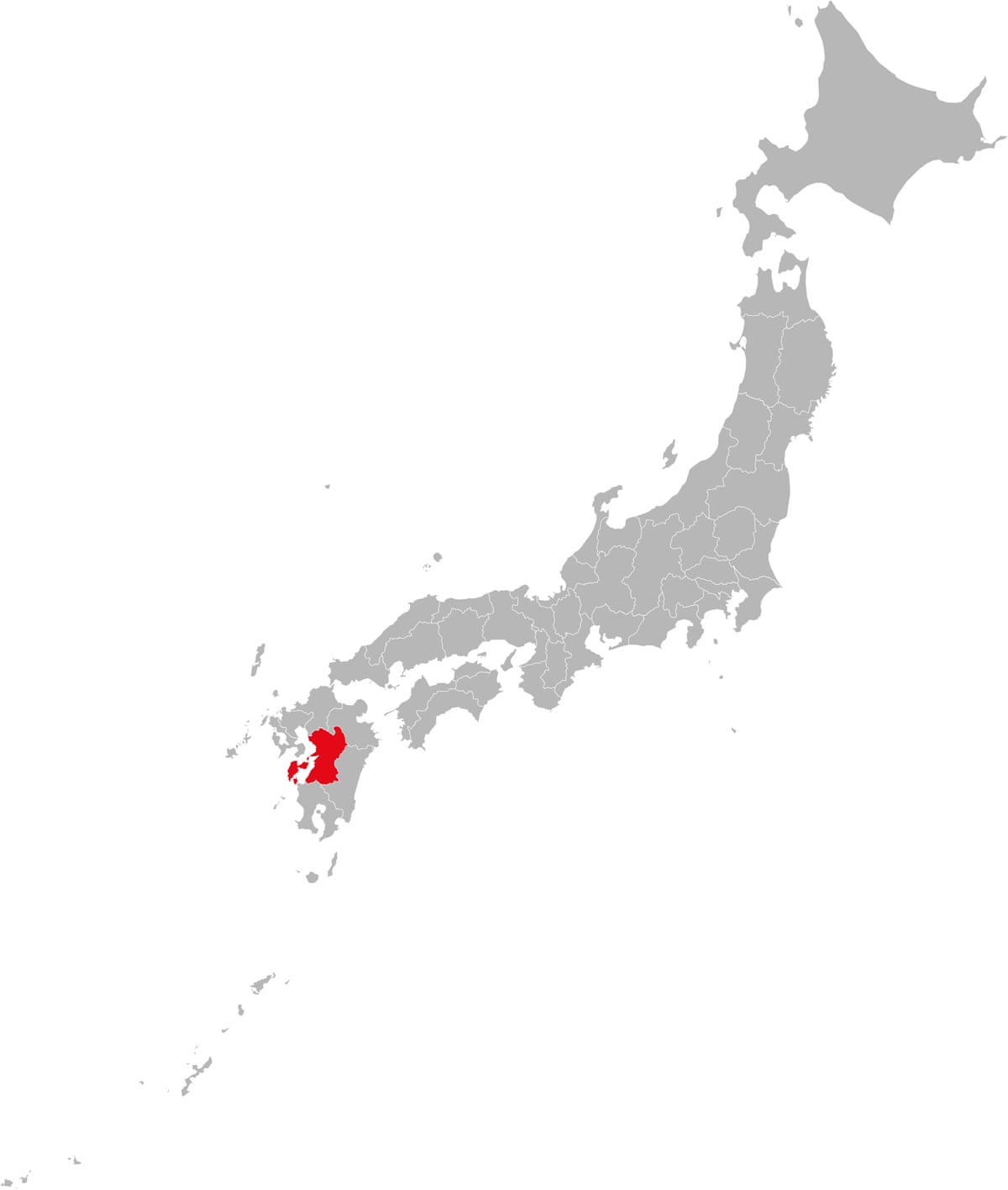
Earlier, police said they had received reports of what sounded like an explosion at the Aeon Mall outlet in the Kumamoto region, but were unable to supply additional information on damage or any casualties. The reports came after a 7.1-magnitude earthquake hit southern Japan.
What did officials say about the quake?
According to the Japan Meteorological Agency (JMA), the earthquake had a depth of 10km and hit Kumamoto prefecture at 4.27pm local time (8.27am BST). The tremor measured at the highest possible level seven on Japan’s Shindo scale of shaking, the agency said. While the agency initially issued a tsunami warning for a wave measuring one metre, it has since rescinded that.
In 2016, Kumamoto was hit by two devastating earthquakes – one of magnitude 6.5, followed by one of magnitude 7.3 two days later – which killed 273 people and injured over 2,800 others.
Kyushu Electric Power said 48,000 homes had lost power as a result of the latest quake, while railway company JR Kyushu said that it had suspended services, including its high-speed bullet trains. Kumamoto airport also shut its runway, as airlines diverted and cancelled flights. Telecoms operators KDDI and Docomo said there was disruption to their mobile phone services due to power shortages and transmission-line failures. There were no irregularities reported at the nuclear power stations in the area, Japan’s nuclear regulation authority said.
How many people were told to evacuate?
Around 300,000 people have been instructed to go to evacuation centres, the disaster management agency said. The quake’s epicentre was about 20 kilometres south of Kumamoto, central Kyushu island’s largest city with a population of around 700,000.
Residents in the areas that felt the biggest tremors must beware of further strong quakes for about a week, as well as the risk of landslides, an official for the Meteorological Agency said.
What did Japan’s prime minister say?
Speaking to reporters at her office in Tokyo, Japanese prime minister Sanae Takaichi said the number of casualties and extent of the damage in the area – which was devastated by a tremblor a decade ago – were still being assessed.
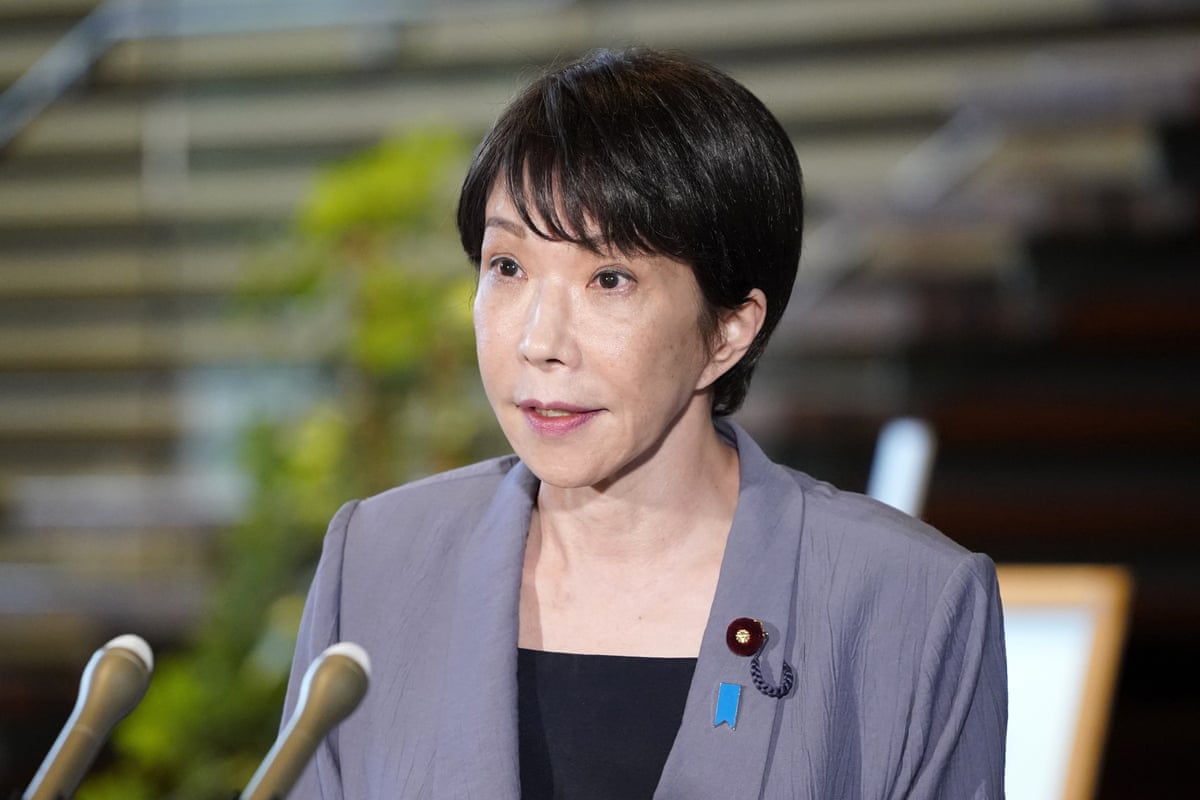
“We have already been informed that people have been injured. Power outages and fires have occurred in some areas, and there has also been damage to roads and bridges and the collapse of buildings,” Takaichi said.
“I ask everyone to take action to protect themselves, including evacuating to a safe location.”
Kazuya Tsurunaga told broadcaster TBS he heard the explosion while cleaning up dishes broken by the earthquake inside a pub about 300 metres from the Aeon mall.

“It was a huge impact,” he said. “A large cloud of smoke billowed up, and because the wind happened to be blowing and the wind direction was towards the shop, the area around us was in a state like volcanic ash was falling.“
Several other buildings were also on fire or partially collapsed, according to footage from NHK, while large cracks appeared on major roads, including an elevated highway. Rail services were halted and flights grounded.
TSMC, the world’s largest contract chipmaker, evacuated workers from its plant in the area as a precaution, a spokesperson for the firm said. Sony and Fujifilm also evacuated staff from their plants in the area, Nikkei newspaper reported. A Sony spokesperson earlier said it was checking the situation.
Is the Sendai nuclear plant affected?
The UN nuclear watchdog said that Japan’s nuclear regulation authority has informed it that there is no damage or safety issues at the Sendai nuclear power plant after a 7.1-magnitude earthquake hit Japan’s southern Kumamoto prefecture. “The IAEA will continue to monitor the situation,” said the watchdog in a post on X.
Japan’s prime minister, Sanae Takaichi, has confirmed that the government has assembled an “Emergency Assembly Team” to tackle the disaster.
“At around 4:27 p.m. today, an earthquake with its epicenter in the Kumamoto region of Kumamoto Prefecture occurred, and strong shaking with a maximum seismic intensity of 7 was observed in Uki City and Makigawa Town in Kumamoto Prefecture.
In connection with this earthquake, a tsunami advisory has been issued for Ariake Bay and Yatsushiro Sea, and tsunamis of about 1 meter are expected. Please refrain from approaching the coast.
As the government, immediately after the earthquake, we have established the Prime Minister’s Office Countermeasures Room in the Prime Minister’s Office Crisis Management Center, and convened the “Emergency Assembly Team” consisting of bureau chief-level officials from relevant ministries and agencies, and are fully engaged in grasping the damage situation and emergency disaster response measures such as lifesaving and rescue.
A spokesperson for the Japan Meteorological Agency said that it had withdrawn an earlier tsunami warning:
“This earthquake occurred inland, and no tsunami activity has been observed so far. For this reason, we hope to lift the tsunami advisory at a relatively early stage, depending on future sea level conditions.
The Japanese government issued emergency earthquake warnings for Kumamoto, Nagasaki, Kagoshima, Fukuoka, Saga, Oita, and Miyazaki prefectures, all on the country’s southern Kyushu island.
Japan is one of the world’s most earthquake-prone countries, sitting on top of four major tectonic plates along the western edge of the Pacific “ring of fire”. Japan’s precarious location means it experiences about 1,500 earthquakes a year, many of which are mild but others are deadly.
In March 2011, a killed over 18,000 people and triggered a triple meltdown at the Daiichi nuclear plant.
The Nuclear Regulation Authority said on Tuesday that no abnormalities were reported at nuclear power plants after the 7.1-magnitude earthquake struck earlier today.