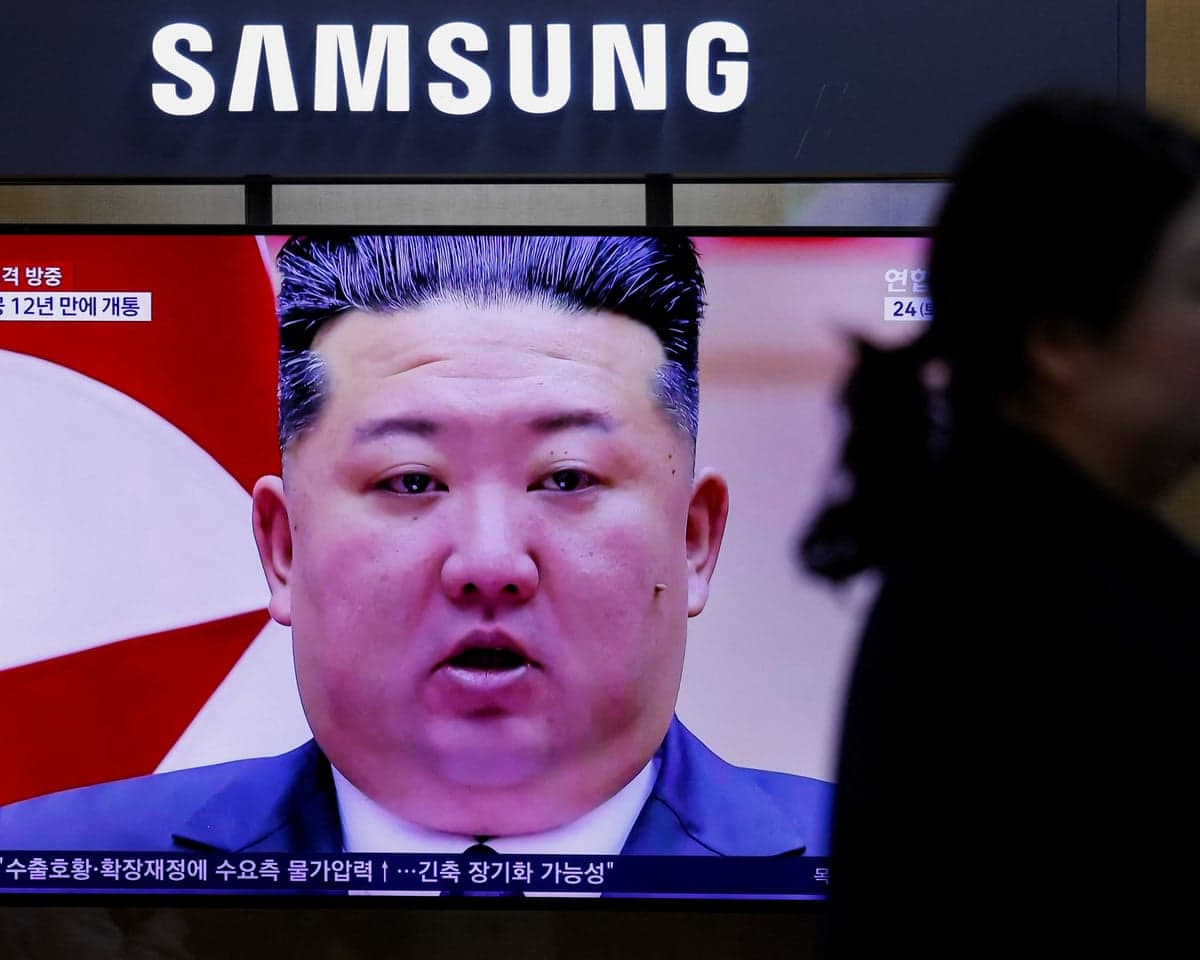
North Korea's leader Kim Jong-un has travelled to China to open a newly operational bridge spanning the Yalu River, signalling his commitment to strengthening ties with Beijing. The visit, which took place on 24 October 2026, saw Kim cross the New Yalu River Bridge by car to reach the Chinese border city of Dandong, where he met with Wang Huning, a senior member of China's Communist Party standing committee. According to The Guardian, the pair toured a vehicle manufacturing facility and reaffirmed their commitment to strengthening bilateral relations.
Kim stated that North Korea "stands ready to work with China to carry forward their historical friendship and expand practical cooperation, thereby delivering tangible benefits to the peoples of both countries," according to China's official Xinhua news agency. The visit marks Kim's sixth trip to China and his first since September 2025, when he attended a summit in Beijing alongside Chinese President Xi Jinping and Russian President Vladimir Putin.
Why does this bridge matter?
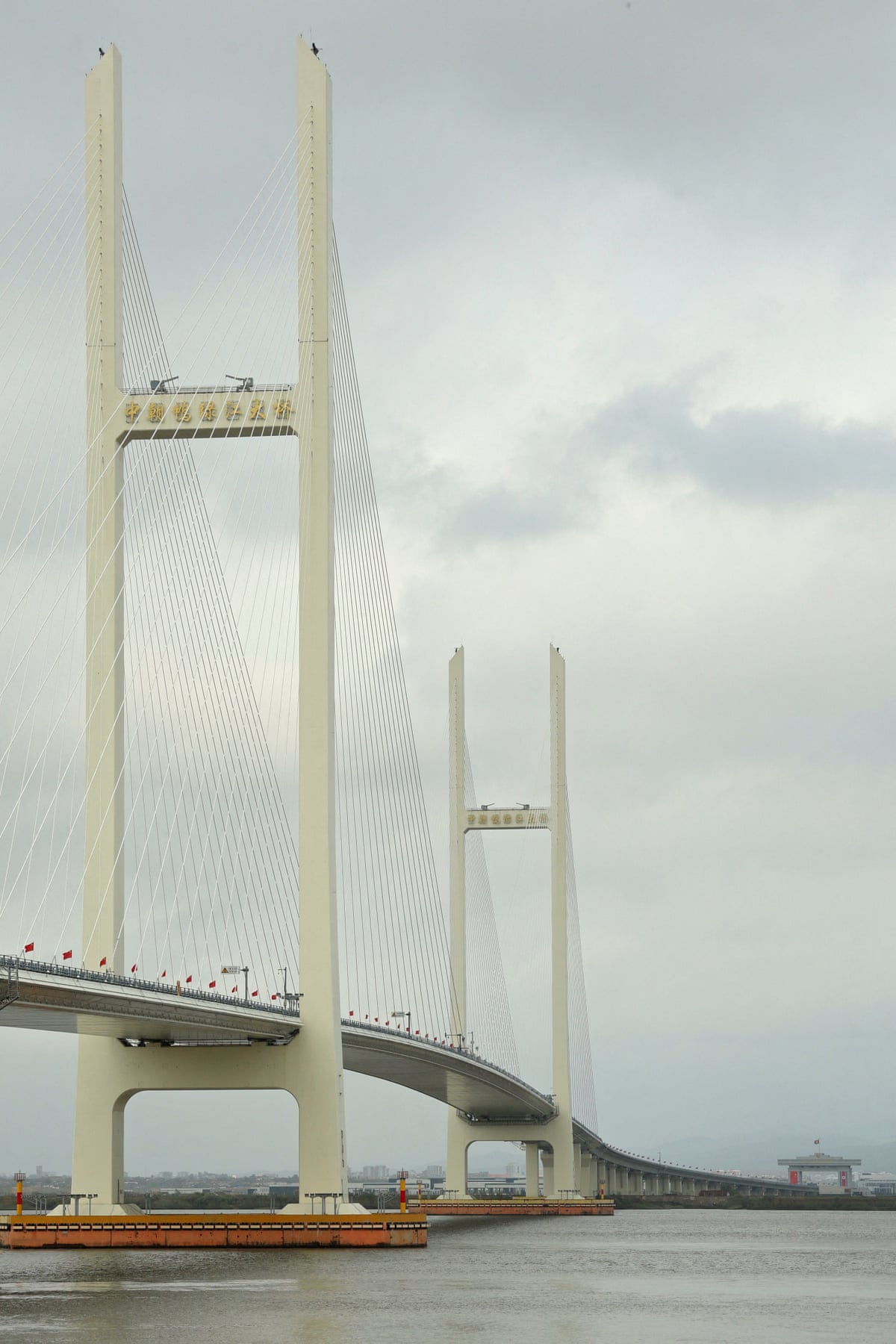
The New Yalu River Bridge represents a critical infrastructure link between the two nations. According to Yonhapnews, the bridge spans 3,026 meters across four lanes, with China having invested approximately US$310 million in its construction. Although completed in 2014, the crossing remained unused for 12 years due to North Korea's lack of connecting roads and customs infrastructure on its side of the border. The bridge's activation now provides Pyongyang with a direct road connection to one of its primary economic and diplomatic partners.
What is the strategic timing of this visit?
The timing of Kim's journey appears deliberately aligned with significant anniversaries and geopolitical developments. The visit comes just days before 25 October, which marks the anniversary of China's first major military intervention in the Korean War, when Chinese troops crossed the Yalu River in October 1950. Japan's public broadcaster NHK reported on 24 October that traffic controls had been implemented around the bridge and near a museum dedicated to China's role in the war, with hotel bookings in the vicinity also restricted. Diplomatic sources attributed these security measures to the visit by the senior North Korean official.
The journey also precedes the Asia-Pacific Economic Cooperation summit scheduled for 18-19 November in Shenzhen, which has generated speculation about potential meetings between Kim and other regional leaders, including US President-elect Donald Trump. However, Reuters reported that US and South Korean officials assess there is minimal likelihood of Kim meeting the American president this year.
How did the meeting unfold?
Wang Huning, the Communist Party standing committee member, accompanied Kim throughout the visit. The two toured a car factory together, where they discussed strengthening economic and practical cooperation between their nations. Following their discussions, Wang escorted Kim back to the bridge to see him off as he returned to North Korea. According to South Korean broadcaster SBS, Kim crossed the bridge by car rather than using the traditional railway connection. Chinese Premier Li Qiang also met with Kim during the visit, according to reporting from the region.
What is the broader context for North Korea's international engagement?
The bridge opening reflects North Korea's strategic positioning between its two main backers, China and Russia. In early September 2026, North Korea and Russia opened a new road crossing along their shared border, leaving Pyongyang newly connected by road to both of its principal allies. This infrastructure development underscores Kim's efforts to deepen economic and diplomatic ties with neighbouring powers amid ongoing international isolation.
Relations with South Korea, by contrast, have deteriorated significantly. Kim Yo Jong, the North Korean leader's sister, has issued approximately 10 statements criticising Seoul since late September—a frequency that South Korea's unification ministry has characterised as unusual. She has also announced plans to conduct military exercises at the border within days of her statements, escalating tensions on the peninsula.
What happens next?
Xi Jinping and senior Chinese Communist Party officials are scheduled to attend a closed-door party meeting in Beijing from Monday through Thursday following Kim's visit, making an immediate follow-up meeting between the two leaders unlikely. The Asia-Pacific Economic Cooperation summit in Shenzhen on 18-19 November will be the next major regional gathering, though current assessments suggest limited prospects for high-level diplomatic breakthroughs involving North Korea and the United States in the near term.